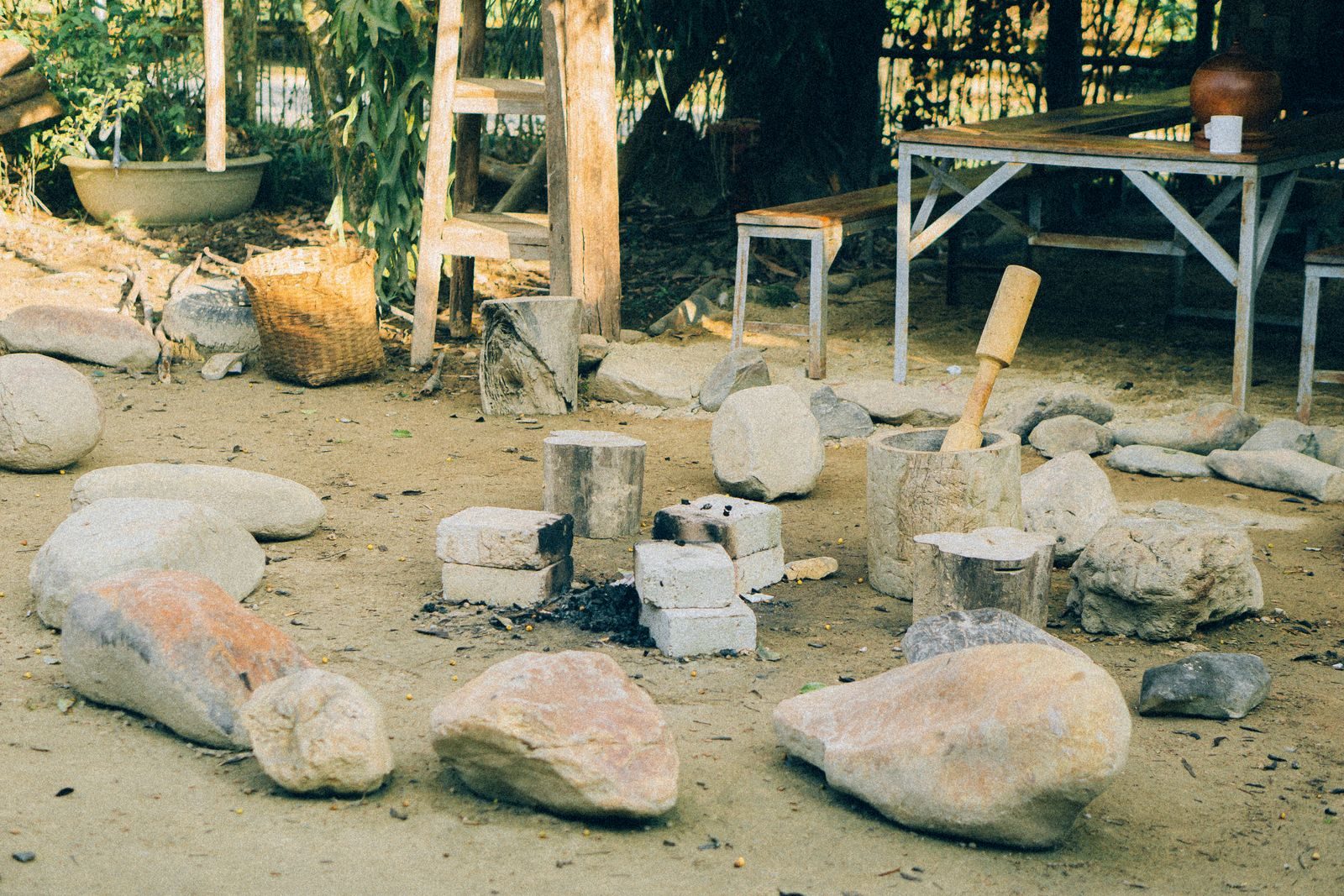
People usually assume that historic treasures only rest inside famous museums. We think important archaeological discoveries require deep digs in exotic lands.
But a strange stone found in a quiet American yard disrupted this idea. Modern scientists analyzed the rock and uncovered a massive historical secret.
An Ordinary Stone Slab

Homeowners in New York noticed an odd block of rock sitting on their lawn. The heavy gray slab had strange markings carved deep into its face. According to the New York State Museum, the family used the stone as a simple doorstep for years. They had no idea. But a visiting researcher spotted the slab and immediately realized its true value.
Reading Between The Lines
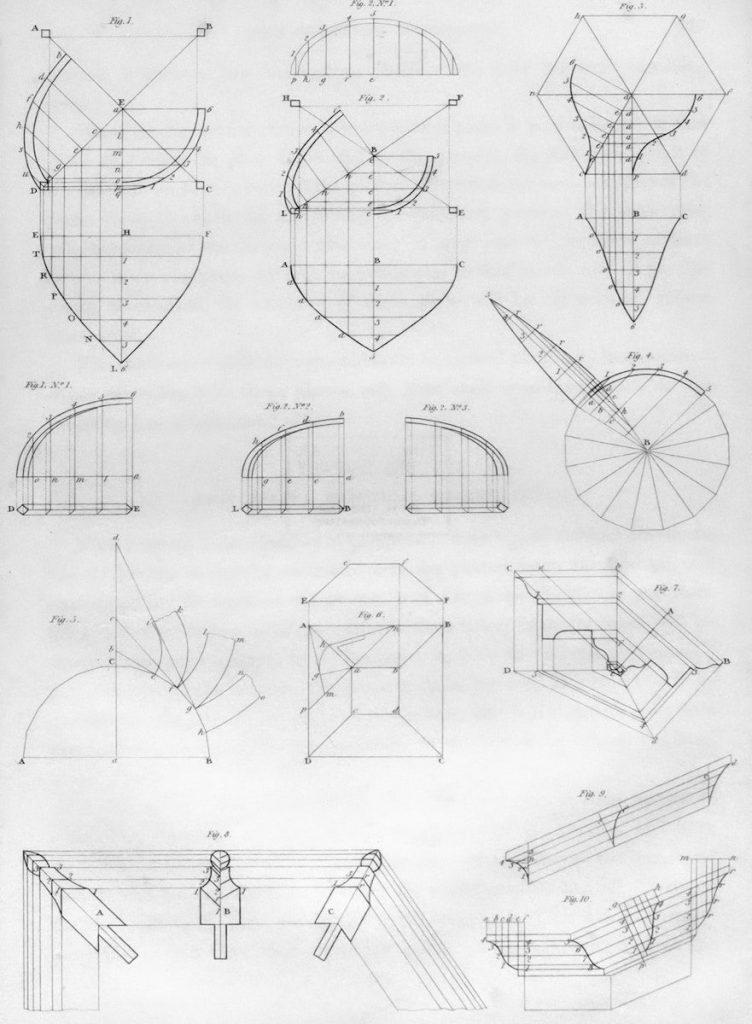
The carved markings on the flat stone surface were not natural weathering patterns. Experts cleaned the slab to reveal highly complex geometric shapes and old symbols. According to archaeological reports, these patterns matched writing styles from thousands of years ago. The script was incredibly rare. Scientists scrambled to identify the exact origin of this heavy doorstep.
Tracing Ancient Migrations

Unique scripts pointed toward ancient interactions across the Atlantic long before Columbus. Many historians historically doubted that early European travelers visited North America during the Bronze Age. According to historical researchers, the stone features symbols matching ancient Iberian scripts. The proof was clear. Yet, researchers still needed to prove the slab was authentic.
Testing The Physical Stone
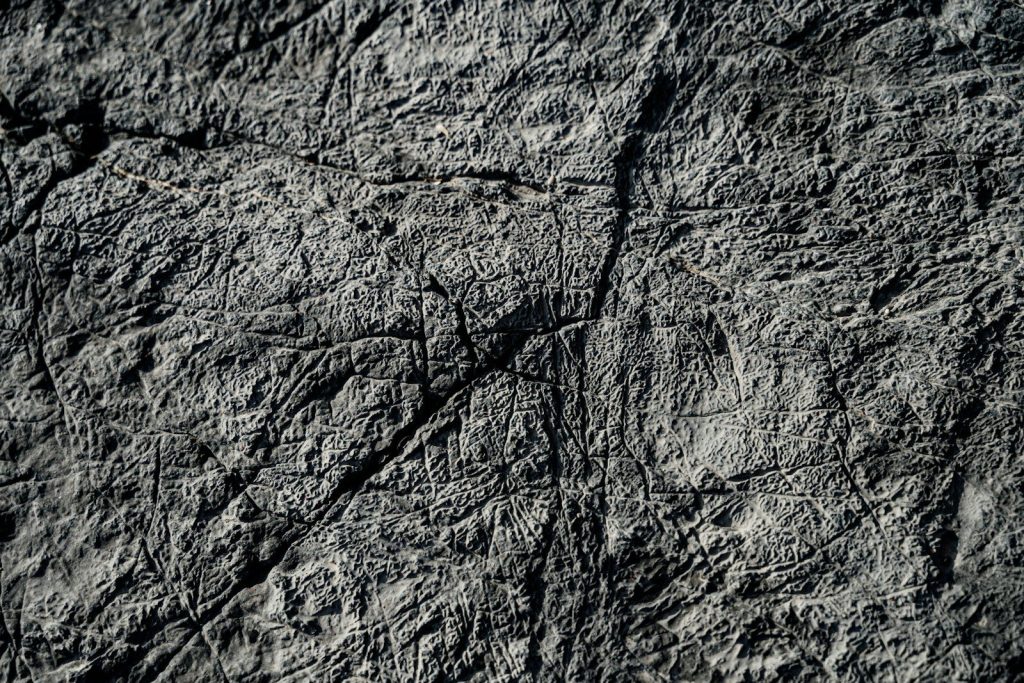
Geologists ran advanced mineral tests on the slab to determine its exact physical origin. They wanted to ensure someone did not forge the carvings in modern times. According to the geological report, the rock is a type of local sandstone found only in specific regions. The stone was real. However, the exact age of the cuts presented a new puzzle.
The Weathering Clues
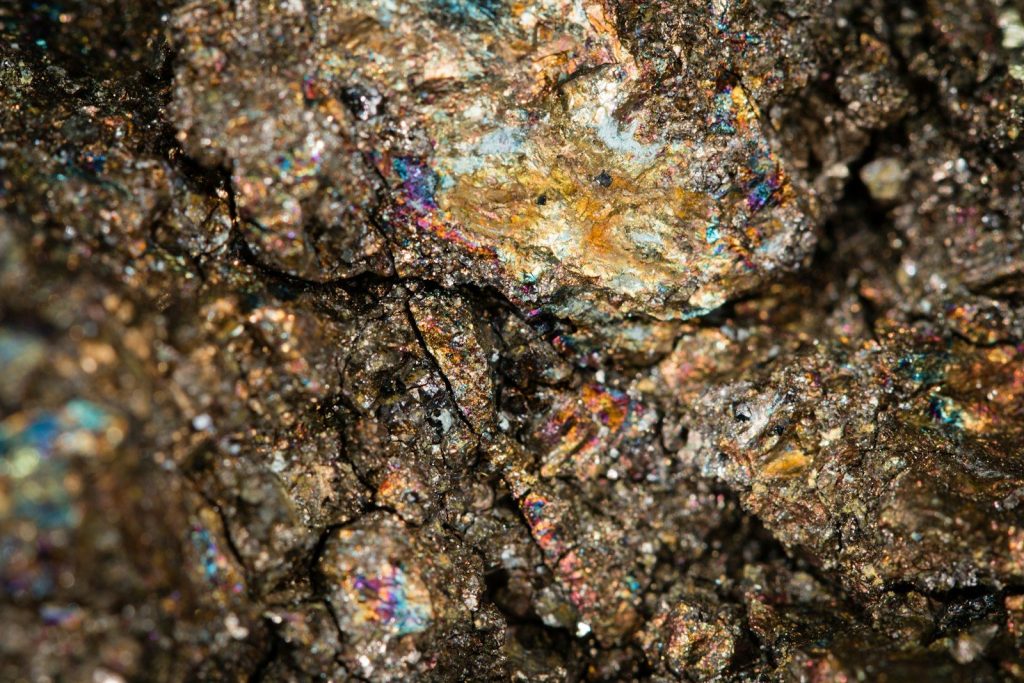
Microscopic scans showed heavy oxidation inside the grooves of the old carvings. This slow chemical process only happens when cut rock faces elements for centuries. According to mineral specialists, the wear patterns indicate the carvings are at least three thousand years old. They are incredibly ancient. This timeline forced historians to ask who made the journey.
A Lost Trading Post

The location of the doorstep suggests early travelers built a temporary outpost near the river. These ancient visitors likely traded metals and tools with local populations before departing. According to regional historians, the site sat along a major prehistoric trade route. Connections were vital. But finding more physical evidence required looking beneath the soil.
Digging Into The Yard
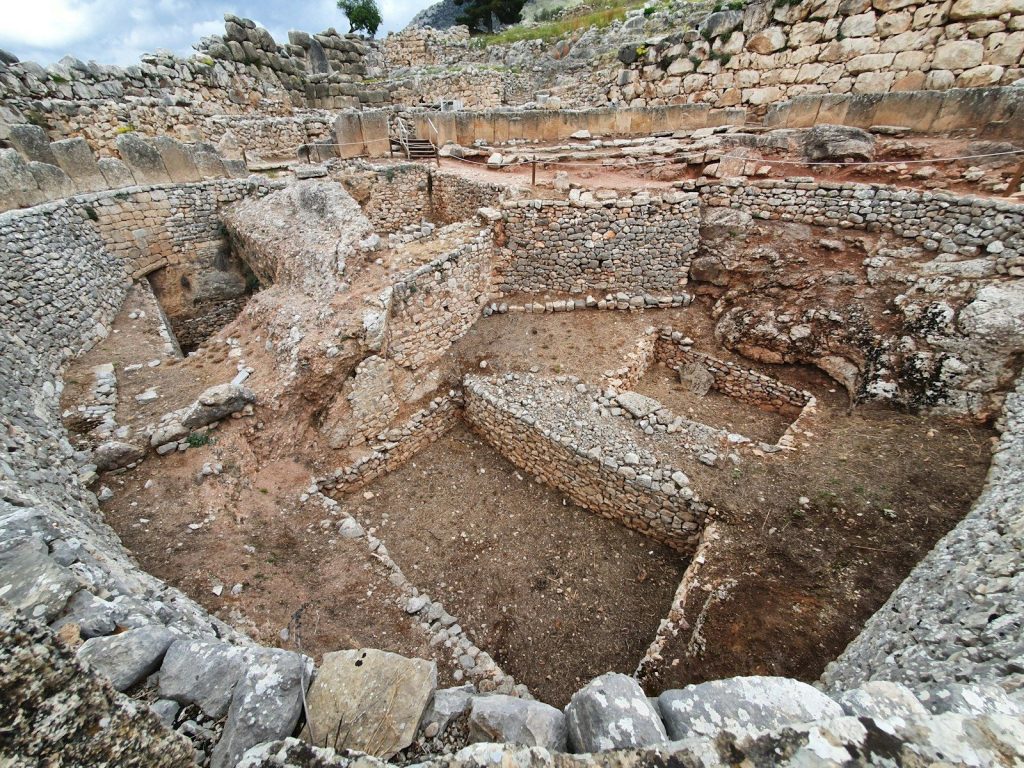
Excavators started a targeted dig around the yard where the family found the stone. They hoped to discover ancient campfire sites or dropped metal tools. According to field reports, the team quickly located several unusual copper fragments buried deep in the dirt. These fragments were unusual. This discovery was about to redefine how we view early world travel.
Replotting The Past

This incredible yard discovery proves that our ancient past holds many more secrets. Seemingly ordinary objects can rewrite the maps of human movement. According to anthropologists, we must keep looking for these hidden links. This article is for informational purposes only.
Featured Image: Photo by Tài Nguyễn Văn on Pexels
Leave a Reply