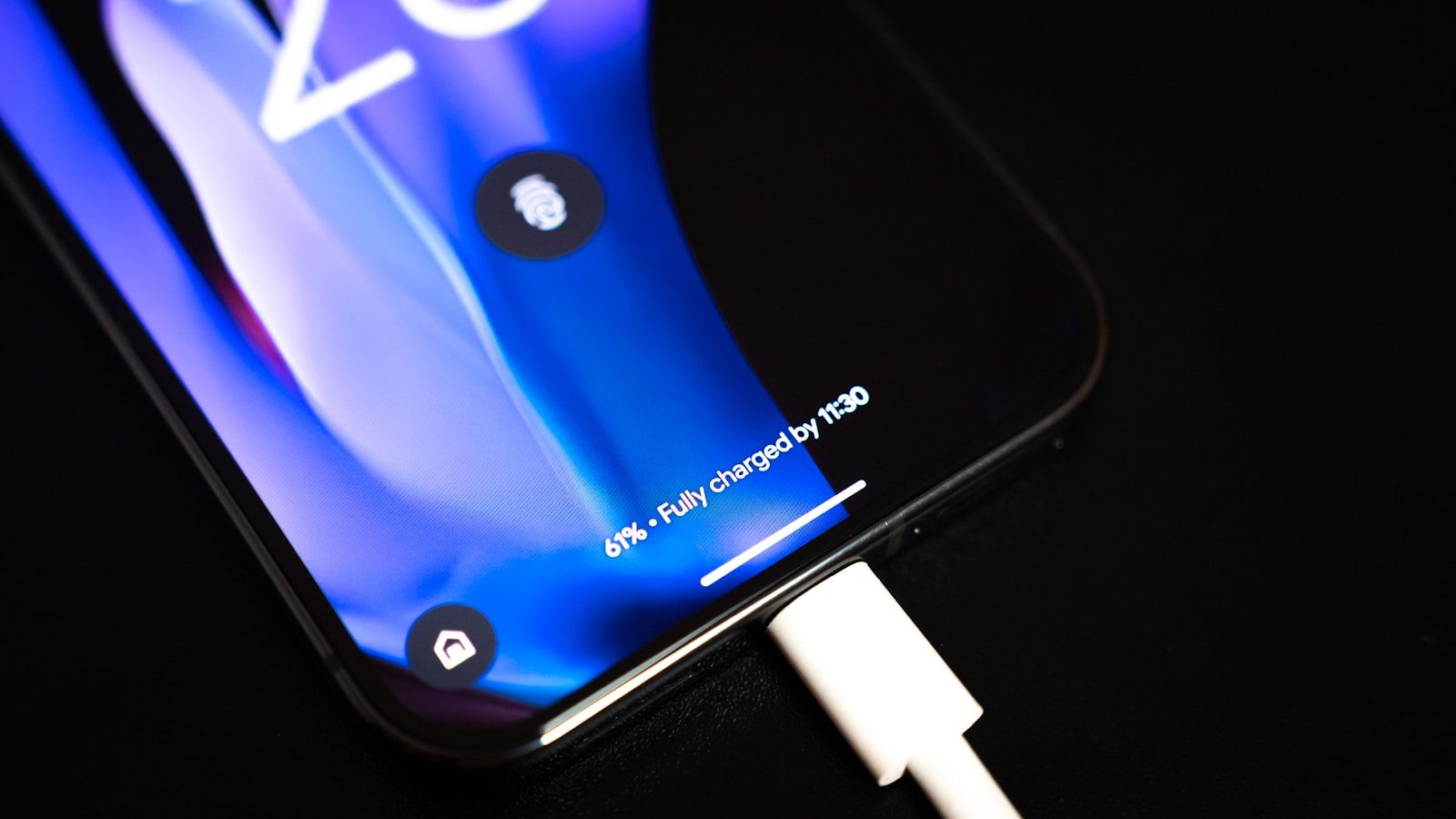
Category: Gadgets

  • How Simple Charging Habits Can Double Your Battery Lifespan

    How Simple Charging Habits Can Double Your Battery Lifespan

    Most smartphone users believe that charging a phone to maximum capacity is the best habit. We assume that keeping our device at one hundred percent ensures optimal daily performance.

    But keeping your battery fully charged actually causes severe long-term degradation. Chemical engineers have discovered that this common practice places immense physical stress on the device.

    Understanding Lithium Chemistry

    Abstract molecular structure with glowing nodes
    Photo by Logan Voss on Unsplash

    Modern portable electronics run on dense lithium-ion cells that behave like chemical sponges. According to researchers at Argonne National Laboratory, forcing these cells to maintain maximum voltage causes the internal chemistry to break down rapidly. Safety is a major concern. This internal structural decay reduces the total energy capacity of your device. But a secondary threat is quietly accelerating this destruction.

    The Overnight Heat Trap

    Abstract colorful wavy lines with glitch effect
    Photo by Egor Komarov on Unsplash

    Leaving a phone plugged into the wall overnight forces a continuous cycle of trickle charging. According to electronic safety reports from battery manufacturers, this constant energy flow generates localized heat pockets that bake the hardware. Heat destroys electronics. This prolonged thermal exposure permanently warps the delicate plastic separators inside your battery core. But there is a specific target range that can halt this process.

    Finding The Sweet Spot

    a close up of a cell phone's display screen
    Photo by Brett Jordan on Unsplash

    Shifting your daily power routine can easily double the operating lifespan of your device. According to clean energy studies by battery laboratory technicians, maintaining a charge between thirty and eighty percent is ideal. It is remarkably simple. This balanced electrical state completely avoids the high voltage zones that trigger structural cracking. But getting humans to change their daily habits remains a massive struggle.

    Smart Operating Systems
    person holding low battery smartphone
    Photo by Alexander Andrews on Unsplash

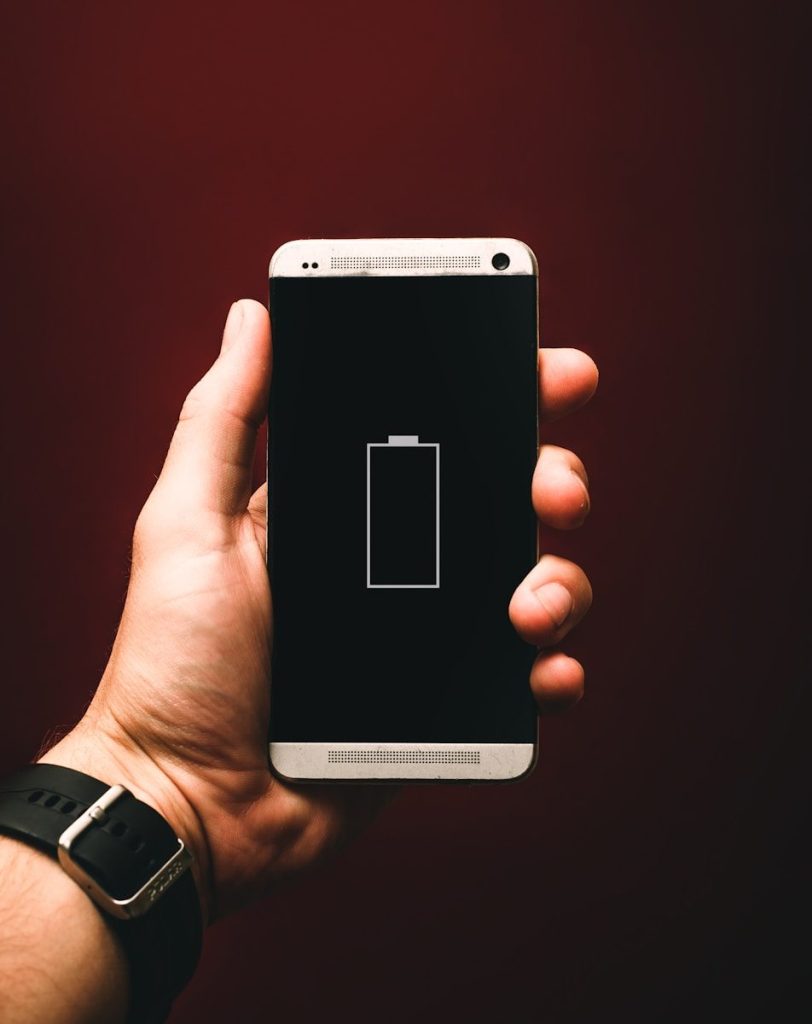
    Device manufacturers are actively designing smart software solutions to protect batteries from their owners. According to software logs from Google, modern mobile systems now include smart settings that limit overnight charging automatically. This feature is brilliant. The software tracks your sleep schedule and delays the final charge until right before you wake up. But another major hardware trend is introducing new dangers.

    Fast Charging Risks

    Person uses phone to control electric vehicle charger.
    Photo by go-e on Unsplash

    High-wattage fast chargers are incredibly popular, but they come with a severe physical trade-off. According to technical hardware trials by battery safety associations, pushing high currents into a cell creates intense friction. Speed has consequences. This rapid charging method should only be reserved for emergency situations when you need quick power. But extreme temperature changes can also come from your daily environment.

    Freezing Environmental Limits

    black car on road during daytime
    Photo by Ömer Haktan Bulut on Unsplash

    Cold winter weather poses a severe hidden threat to the internal chemistry of your phone. According to mobile support documentation from leading tech firms, exposing a battery to freezing temperatures halts normal ion movement. Protect your hardware. Leaving your device in a freezing car overnight can result in permanent capacity loss in a matter of hours. But a few simple charging adjustments can keep your phone healthy for years.

    Safe Charging Habits
    Close-up of technician repairing electronic circuit board under a microscope in Toronto lab.
    Photo by Jacob Yavin on Pexels

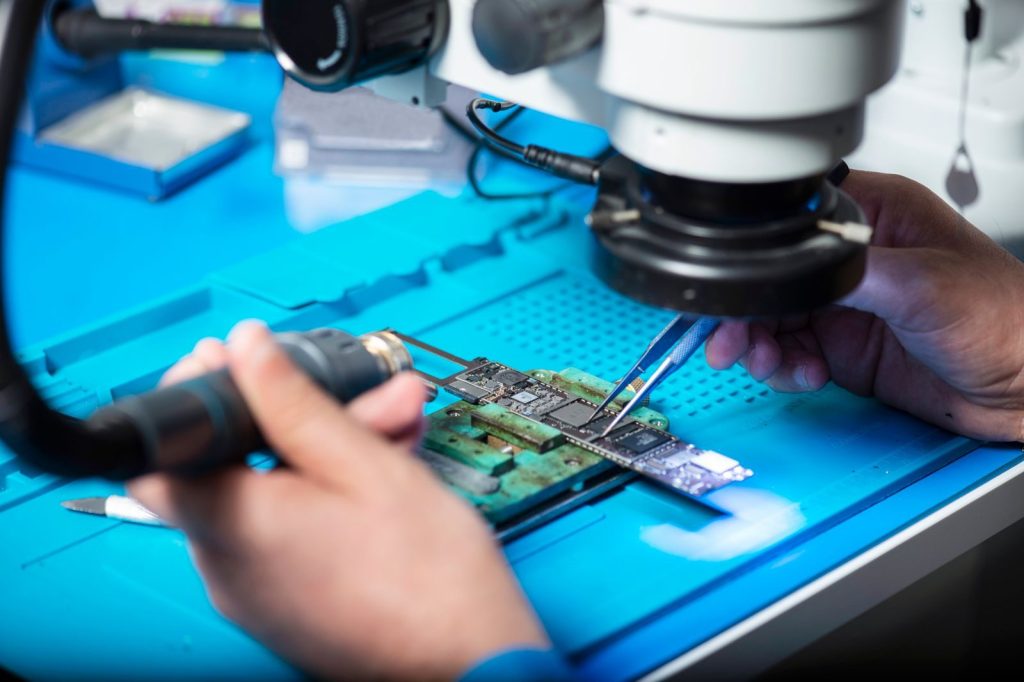
    Small adjustments to your daily routine are the easiest way to avoid expensive replacement costs. According to consumer hardware technicians, avoiding extreme temperatures and keeping your phone cool are highly effective preventative steps. Maintenance is crucial. This article is for informational purposes only.


    Featured Image: Photo by Amanz on Unsplash

  • The Extreme Electric Vehicle Rewriting Travel Limits

    The Extreme Electric Vehicle Rewriting Travel Limits

    Most drivers assume that electric utility vehicles must sacrifice driving range for cargo space. We believe that heavy family cars are naturally slow and inefficient on the highway.

    But a revolutionary new luxury vehicle has completely shattered these battery constraints. Its advanced design combines sports car speed with an incredibly efficient power grid.

    Bypassing The Wind Barrier

    a white sports car with a wind turbine in the background
    Photo by Carl Gelin on Unsplash

    Driving a large family vehicle normally creates intense aerodynamic drag that drains battery charge rapidly. According to testing logs from Lucid Motors, the new vehicle features an incredibly smooth exterior shell. It is highly aerodynamic. This sleek design allows the massive cabin to slide through the air with almost zero resistance. But keeping this heavy platform moving efficiently requires a highly compact motor.

    The Miniature Drive Units

    Complex scientific machinery inside a large industrial facility.
    Photo by Daniel Miksha on Unsplash

    Traditional electric motors are bulky and heavy, which reduces total passenger cabin space. According to mechanical engineering journals, the vehicle uses ultra-compact motor units that generate over eight hundred horsepower. They are tiny. This space-saving design allows the car to accelerate faster than many classic sports cars. But managing this intense power requires an advanced electrical grid.

    High Voltage Battery Grids

    electrical room
    Photo by Dean Brierley on Unsplash

    Distributing electrical current efficiently across a massive vehicle requires a highly robust battery setup. According to electrical engineering reviews, the vehicle uses an advanced nine-hundred-volt architecture. The current is strong. This advanced grid allows the car to charge faster and run thinner wiring to reduce total weight. But achieving epic driving range requires a major battery chemistry breakthrough.

    Surpassing Four Hundred Miles

    a person pumping gas into a car at a gas station
    Photo by Zaptec on Unsplash

    Most modern electric family cars struggle to travel past three hundred miles on a single charge. According to consumer hardware reviews, this new platform easily breaks the four-hundred-mile range barrier. The range is historic. This efficiency allows drivers to tackle long road trips without experiencing constant charging anxiety. But the interior of the cabin offers its own technological wonders.

    The Curved Digital Glass

    Modern car interior with large touchscreen display.
    Photo by Vitalii Khodzinskyi on Unsplash

    Sitting in the driver’s seat reveals a massive curved glass display that floats above the dashboard. According to software engineering logs, the screen utilizes high-resolution organic light panels to show navigation maps. It is beautiful. This automated interface displays critical travel details instantly without cluttering the driver’s field of view. But maintaining a smooth ride requires a smart suspension setup.

    Adapting Air Suspension Struts

    White truck driving on a dirt road.
    Photo by Royce Fonseca on Unsplash

    Carrying a heavy battery pack through tight city streets requires a highly reactive suspension system. According to vehicle test reports, smart air struts adjust the ride height automatically based on terrain feedback. The adjustment is instant. This real-time leveling allows the heavy vehicle to navigate rugged mountain paths with absolute ease. But keeping passengers comfortable requires managing intense external noises.

    Active Noise Cancellation Tech

    Interior of a vintage tram with red lights
    Photo by Bernd 📷 Dittrich on Unsplash

    Riding in a quiet electric vehicle can make standard tire and wind noises feel incredibly loud. According to acoustic engineering studies, the cabin features a built-in active noise control system. The silence is absolute. Specialized microphones monitor external sounds and emit opposing sound waves to neutralize the noise. But the long-term success of this luxury platform remains a major industry test.

    Redefining The Electric Era

    A tram rides through a street at sunset.
    Photo by Irma Bopp on Unsplash

    This advanced family vehicle is pushing materials science and autonomous driving into an entirely new era. According to automotive historians, this engineering shift will redefine how we view sustainable transportation. The future is arriving. These design breakthroughs will soon shape how consumer cars are built around the globe. This article is for informational purposes only.
    Featured Image: Photo by Jetour Georgia on Pexels

  • The Radioactive Diamond Batteries That Run For Centuries

    The Radioactive Diamond Batteries That Run For Centuries

    Most portable device owners assume that batteries will always require frequent recharging from a wall outlet. We believe that chemical decay forces all power packs to eventually die.

    But a revolutionary nuclear battery design is challenging this permanent energy limit. These microscopic diamond devices harvest power from decaying radioactive waste to run for thousands of years.

    Inside The Carbon Core

    a picture of a bunch of rocks in the dark
    Photo by Sofi Cervantes on Unsplash

    Standard lithium batteries rely on chemical reactions that slowly degrade over a few years. According to materials science reports, beta-voltaic batteries use radioactive isotopes locked inside synthetic diamonds to generate constant energy. They are extremely stable. This unique atomic setup directly converts nuclear decay particles into a steady stream of electricity. But harvesting this radiation safely requires an incredibly strong crystalline shield.

    The Indestructible Diamond Shield

    a machine in a room
    Photo by RephiLe water on Unsplash

    Diamonds are the hardest known natural material on Earth and offer absolute physical protection. According to nuclear safety journals, the outer synthetic diamond structure blocks all harmful radiation from escaping. The protection is passive. This ensures the battery remains completely safe for human contact while operating in daily electronics. But creating these synthetic energy blocks requires sourcing nuclear waste.

    Recycling Leftover Reactor Waste

    A nuclear power plant's cooling towers emit steam at sunset, highlighting industrial infrastructure.
    Photo by Kyle Miller on Pexels

    Our raw fuel for these long-lasting batteries comes directly from old nuclear power generators. According to public utility files, designers harvest radioactive carbon isotopes from the waste graphite blocks of retired reactors. The source is abundant. This recycling process turns a dangerous environmental hazard into a highly valuable energy source. But generating enough current to power large devices remains a major hurdle.

    The Micro Watt Current Limit

    a couple of electronic devices sitting on top of a table
    Photo by Axel Richter on Unsplash

    Decaying carbon isotopes release energy slowly to ensure the battery lasts for several centuries. According to electronics engineering studies, this slow decay produces a highly constant but very low electrical current. The flow is tiny. This micro-power limit means a single diamond cell cannot run a heavy smartphone on its own. But engineers are developing a clever way to stack these cells.

    Stacking Cells In Series

    A picture of a purple and blue object
    Photo by Steve A Johnson on Unsplash

    Combining thousands of microscopic diamond layers allows developers to multiply the total voltage output. According to battery design reports, these stacked arrays can be paired with small capacitors to store energy. The power accumulates. This setup can release sudden bursts of high current whenever the device requires extra power. But this constant charging cycle raises unique questions for electric vehicles.

    Powering Future Space Probes

    a jet flying through the air next to a full moon
    Photo by Iván Díaz on Unsplash

    Deep space missions traveling far from the sun cannot rely on standard solar panels. According to aerospace engineering logs, diamond batteries are ideal for running delicate navigation computers on interstellar probes. They never freeze. This reliable power source ensures the vehicle remains functional during centuries of travel through the absolute dark. But some automotive developers are looking at this tech for cars.

    The Infinite Car Battery

    electric vehicle charger plugged into car
    Photo by CHUTTERSNAP on Unsplash

    Using nuclear batteries in consumer vehicles could theoretically eliminate the need for charging stations entirely. According to automotive industry analysts, these diamond packs could trickle-charge a car’s main battery continuously while parked. The charging is constant. This hybrid setup would ensure the vehicle always has range without ever needing to plug into the grid. But proving this technology is safe for daily driving requires rigorous testing.

    A Century Of Safe Power

    Capture of a vibrant cityscape with sun glare and a clear blue sky, showcasing modern urban architecture.
    Photo by Flickr on Pexels

    Mastering beta-voltaic energy is the ultimate key to unlocking maintenance-free personal electronics and transport. According to clean energy researchers, nuclear batteries will eventually redefine our relationship with electricity. The future is bright. This transition will allow humanity to operate devices for generations without draining natural resources. This article is for informational purposes only.
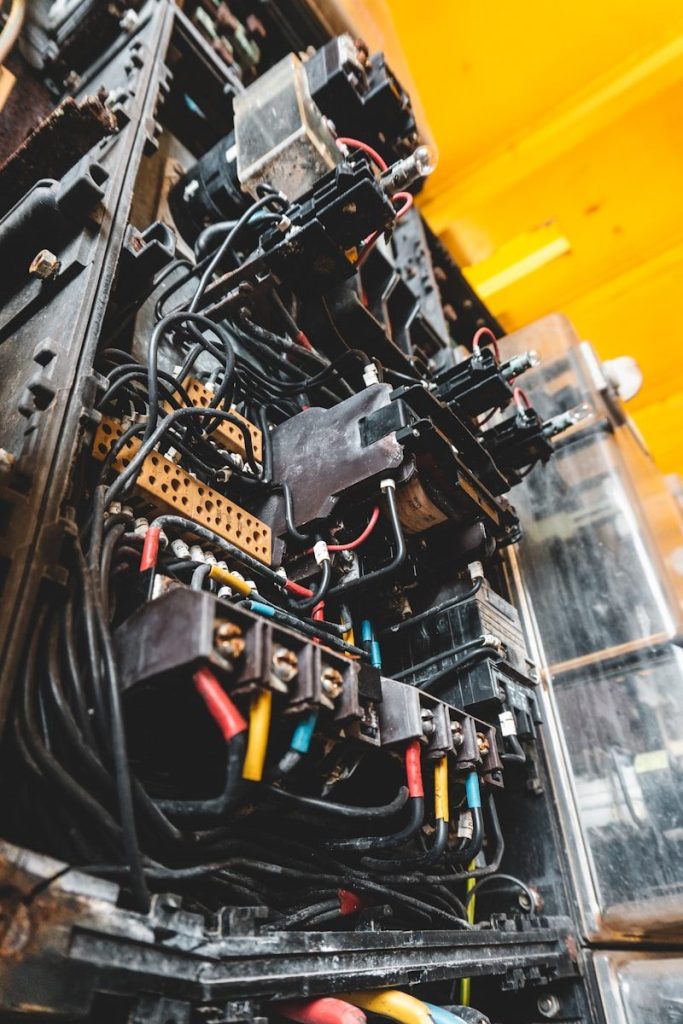
    Featured Image: Photo by Towfiqu barbhuiya on Pexels

  • How A Tiny Pump Saved Winter Electric Cars

    How A Tiny Pump Saved Winter Electric Cars

    Most electric vehicle owners assume that heating a car cabin in winter is a simple electrical task. We believe that turning on the heater has no real impact on driving range.

    But traditional resistive heaters drain a massive amount of battery power, cutting your range in half. A highly clever thermal pump has quietly solved this efficiency problem for winter drivers.

    The Winter Range Crisis

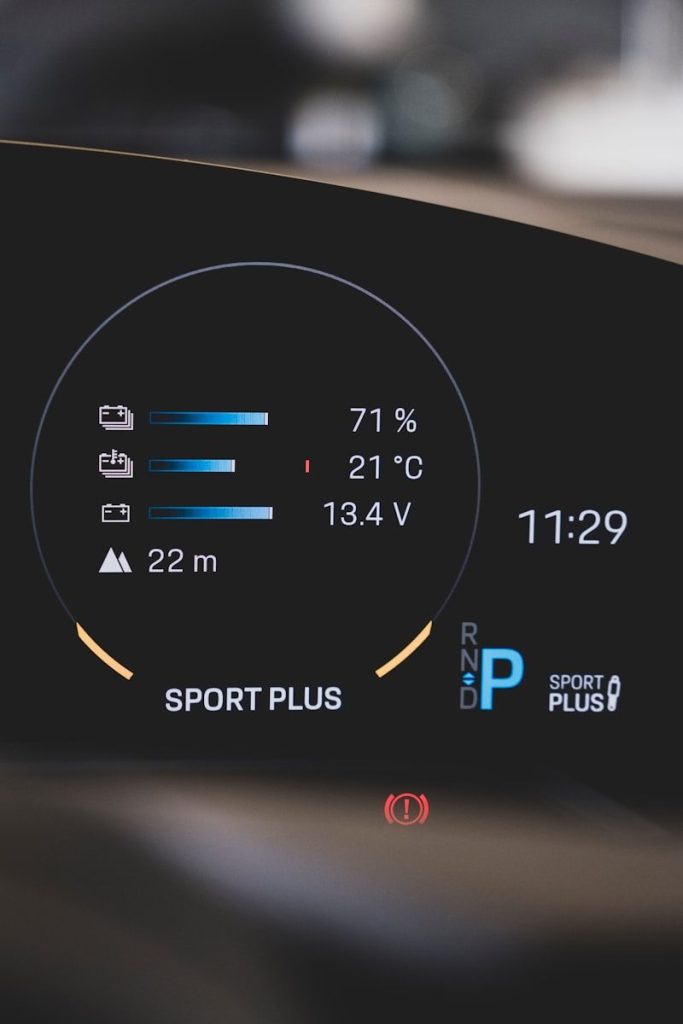
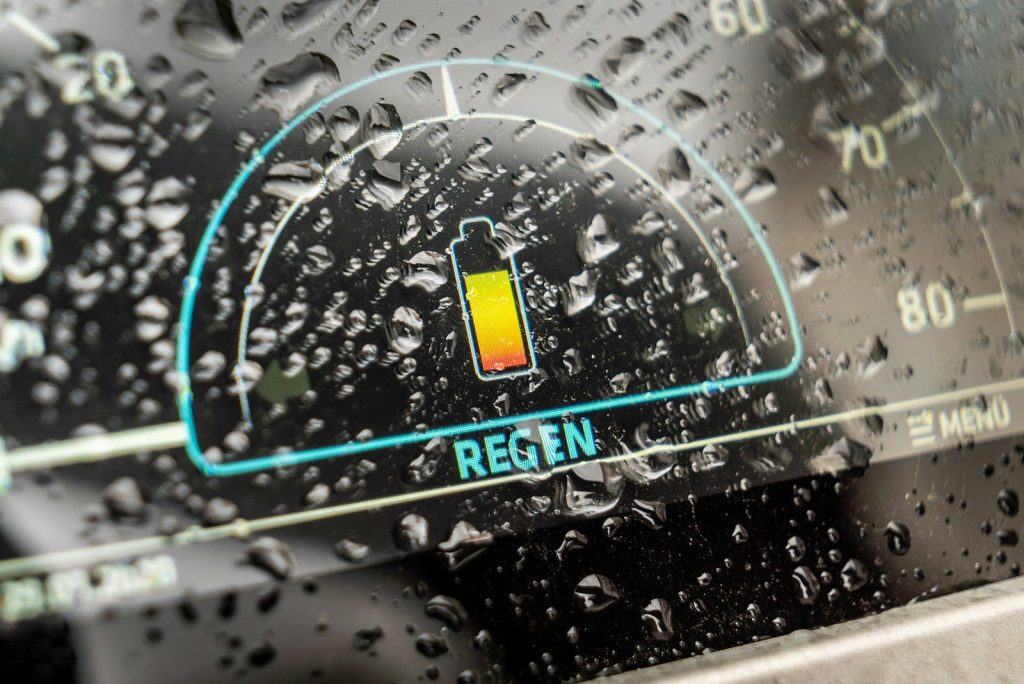
    a close up of a speedometer on a vehicle
    Photo by Deniz Demirci on Unsplash

    Cold winter weather causes a severe drop in standard lithium-ion battery performance. According to automotive test reports, running a standard cabin heater drains valuable energy that should go to the wheels. The drain is rapid. This thermal loss can easily leave drivers stranded on frozen highways. But a team of engineers designed a clever device to capture wasted energy.

    Recycling Wasted Motor Heat

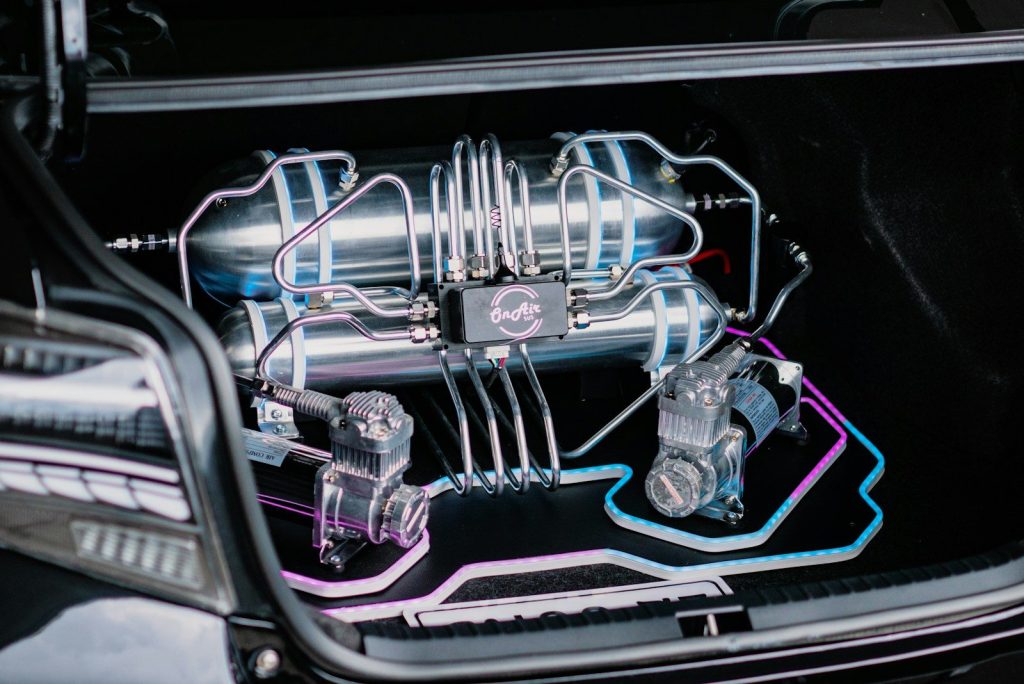
    a close up of the engine of a car
    Photo by RKTW extend on Unsplash

    Electric drive motors and onboard computers generate significant heat during daily operation. According to mechanical engineering studies, the advanced pump system captures this waste thermal energy and redirects it to the cabin. It is highly efficient. This recycling process keeps passengers warm without draining precious battery current. But the physical science behind this pump is what truly shocks experts.

    The Compress Decompress Loop

    a close up of a thermometer on a motorcycle
    Photo by shraga kopstein on Unsplash

    The device functions like a household refrigerator running in reverse to manipulate local temperatures. According to thermodynamic manuals, compressing a refrigerant gas raises its temperature rapidly to release heat. The reaction is physical. By decompressing the gas, the system can draw warmth even from freezing outside air. But managing these complex gas routes requires a highly specialized central valve.

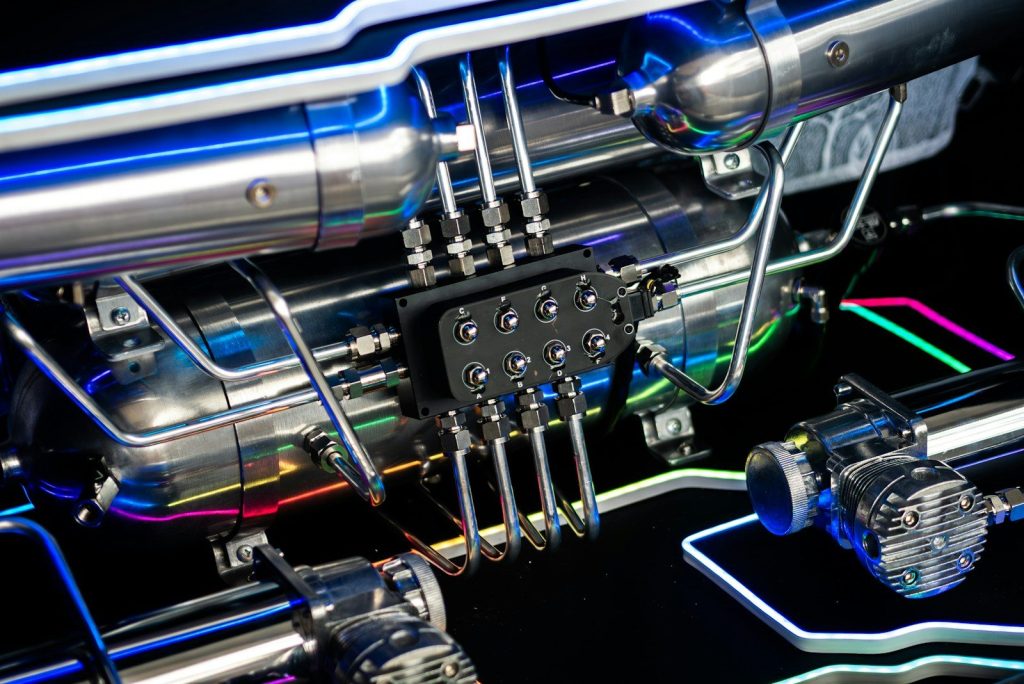
    The Super Octovalve Controller

    a close up view of a multicolored instrument
    Photo by RKTW extend on Unsplash

    Directing heat between the battery, motor, and cabin requires a highly complex fluid router. According to patent filing documents, a unique eight-way valve coordinates these multiple thermal loops in real time. It is a masterpiece. This smart router ensures that every scrap of heat is used where it is needed most. But this system must also protect the battery from freezing.

    Preheating The Cold Cells

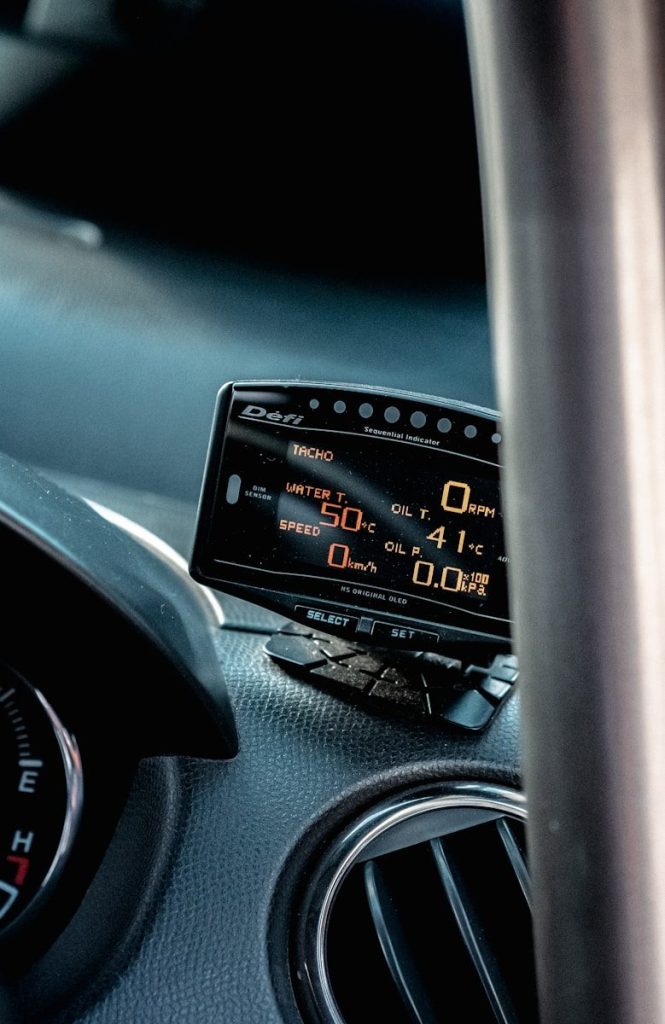
    a close up of a car dashboard
    Photo by RKTW extend on Unsplash

    Lithium-ion batteries cannot accept rapid charge rates when their internal temperatures drop too low. According to electric vehicle charging logs, the thermal pump can heat the battery pack automatically before you reach a charger. The timing is vital. This warm state allows the cells to absorb energy at maximum speed immediately. But building this complex thermal system introduced a massive hardware challenge.

    Overcoming The Ice Trap

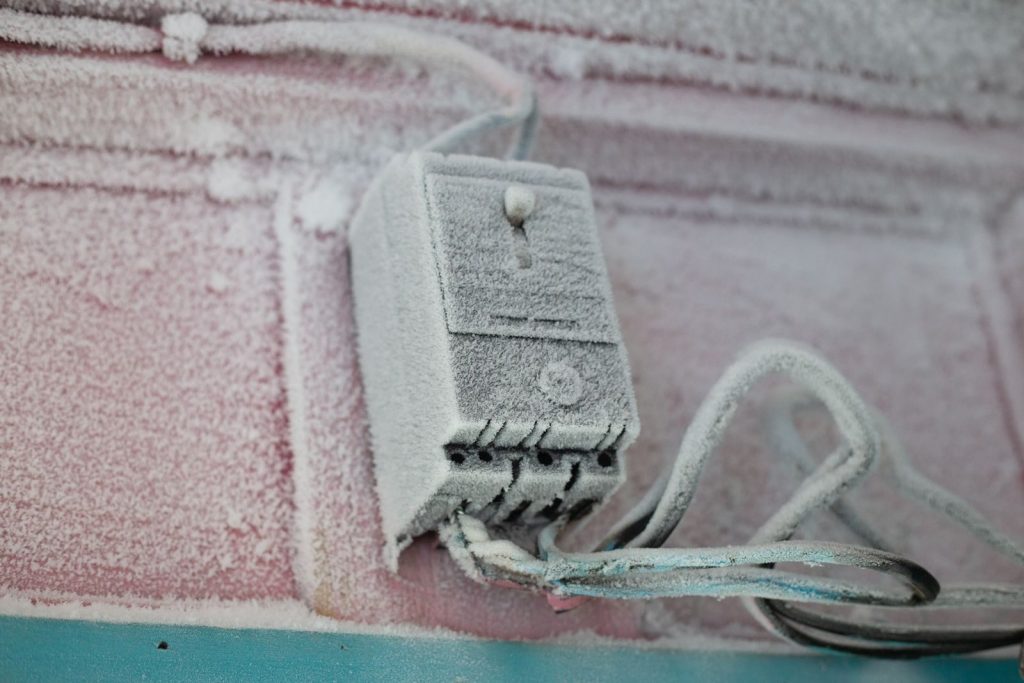
    An electrical switch covered in frost and ice during winter on a building's exterior wall.
    Photo by Ivan Babydov on Pexels

    Drawing warmth from freezing winter air can cause ice to build up on the external radiator panels. According to vehicle engineering reviews, the system runs an automated defrost cycle to clear the coils quickly. The process is smooth. By temporarily reversing the fluid flow, the pump melts the ice without disrupting cabin heat. But this efficiency is now reshaping the entire automotive market.

    Standardizing Thermal Engineering

    Aerial view of suburban buildings and distant city skyline.
    Photo by Alex Reynolds on Unsplash

    Legacy car manufacturers are now racing to integrate similar thermal pumps into their own electric models. According to industry analysts, buyers are actively demanding winter range stability when choosing their next vehicle. The standard is shifting. This transition is forcing engineers to focus heavily on thermodynamics rather than just battery size. This article is for informational purposes only.
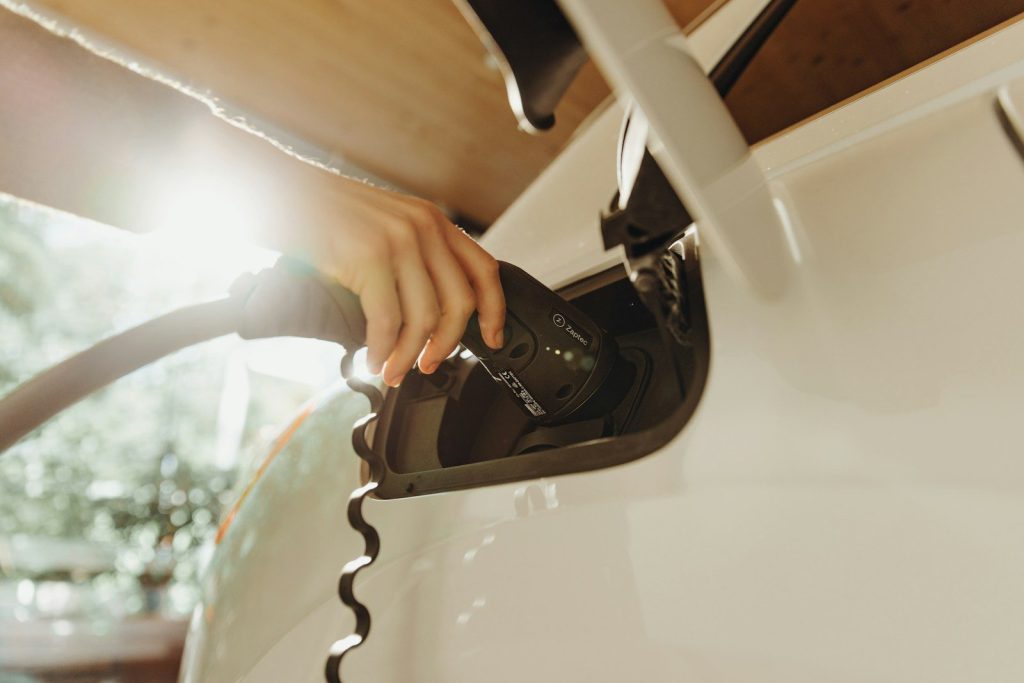
    Featured Image: Photo by tammy higgins on Unsplash

  • Why A Tiny Thermal Pump Changed Electric Car Range

    Why A Tiny Thermal Pump Changed Electric Car Range

    Most electric vehicle owners assume that keeping the car cabin warm in winter relies on standard resistive heaters. We believe that heating the interior is a simple and straightforward electrical task.

    But traditional heaters drain a massive amount of battery power, cutting your winter driving range in half. A highly clever thermal pump has quietly solved this efficiency problem, transforming how electric cars handle cold weather.

    The Winter Range Collapse

    black and white digital speedometer
    Photo by Kumpan Electric on Unsplash

    Cold temperatures cause a severe drop in lithium-ion battery performance across all electric vehicles. According to automotive test reports, running a standard cabin heater drains valuable energy that should go to the motors. The loss is rapid. This thermal drain can easily leave drivers stranded on long winter journeys. But a team of engineers designed a clever device to capture wasted energy.

    Recycling Wasted Powertrain Heat

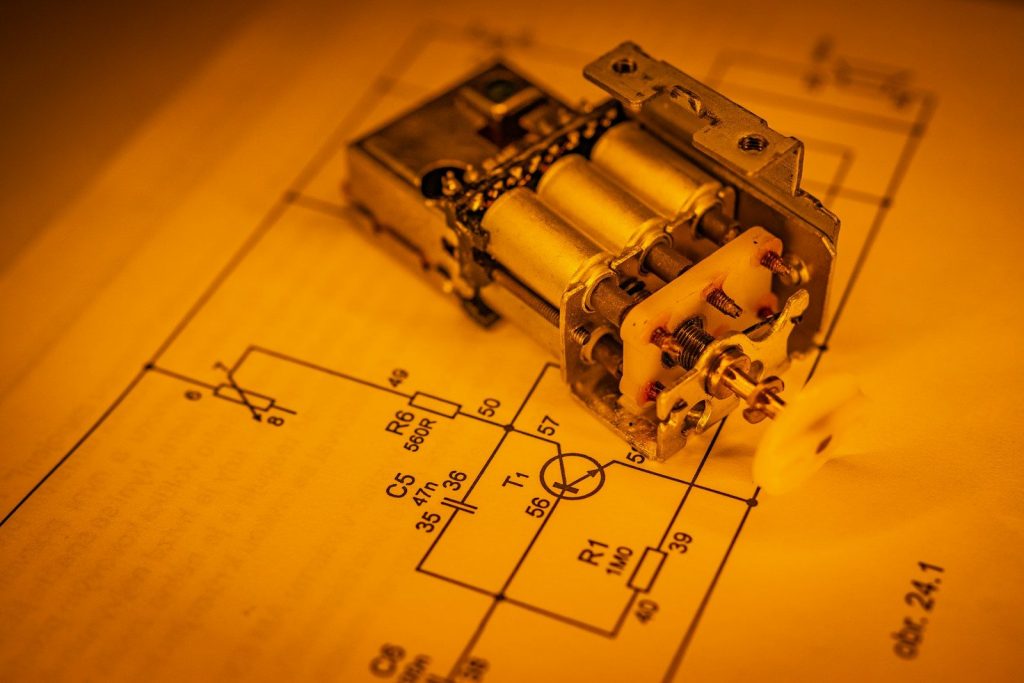
    an electrical device laying on top of a blueprint
    Photo by Lukas Hron on Unsplash

    Electric motors and onboard computers generate significant heat during daily operation. According to mechanical engineering studies, the advanced pump system captures this waste thermal energy and redirects it to the cabin. It is highly efficient. This recycling process keeps passengers warm without draining precious battery current. But the physical science behind this pump is what truly shocks experts.

    The Compress Decompress Loop

    a close up of a thermometer on a motorcycle
    Photo by shraga kopstein on Unsplash

    The device functions like a refrigerator running in reverse to manipulate external temperatures. According to thermodynamic manuals, compressing a refrigerant gas raises its temperature rapidly to release heat. The reaction is physical. By decompressing the gas, the system can draw warmth from cold outside air. But managing these complex gas routes requires a highly specialized central valve.

    The Super Octovalve Controller

    silver and black electronic components
    Photo by Bas van Breukelen on Unsplash

    Directing heat between the battery, motor, and cabin requires a highly complex fluid router. According to patent filing documents, a unique eight-way valve coordinates these multiple thermal loops in real time. It is a masterpiece. This smart router ensures that every scrap of heat is used where it is needed most. But this system must also protect the battery from freezing.

    Preheating The Cold Cells

    electric vehicle charging cable plugged into car
    Photo by CHUTTERSNAP on Unsplash

    Lithium-ion batteries cannot accept rapid charge rates when their internal temperatures drop too low. According to electric vehicle charging logs, the thermal pump can heat the battery pack automatically before you reach a charger. The timing is vital. This warm state allows the cells to absorb energy at maximum speed immediately. But building this complex thermal system introduced a massive hardware challenge.

    Overcoming The Ice Trap

    black flat screen computer monitor on white wooden desk
    Photo by National Cancer Institute on Unsplash

    Drawing warmth from freezing winter air can cause ice to build up on the external radiator panels. According to vehicle engineering reviews, the system runs an automated defrost cycle to clear the coils quickly. The process is smooth. By temporarily reversing the fluid flow, the pump melts the ice without disrupting cabin heat. But this efficiency is now reshaping the entire automotive market.

    Standardizing Thermal Engineering

    Group of engineers collaborating on a project in a tech-focused industrial setting.
    Photo by ThisIsEngineering on Pexels

    Legacy car manufacturers are now racing to integrate similar thermal pumps into their own electric models. According to industry analysts, buyers are actively demanding winter range stability when choosing their next vehicle. The standard is shifting. This transition is forcing engineers to focus heavily on thermodynamics rather than just battery size. But the future of climate control is moving toward even smarter materials.

    Smarter Temperature Systems

    city buildings photography
    Photo by Geoffrey Arduini on Unsplash

    Advanced thermal engineering is transforming how we manage energy efficiency in modern transportation. According to technology historians, mastering the flow of heat is key to unlocking the true potential of electric vehicles. The cold is no longer a barrier. This article is for informational purposes only.
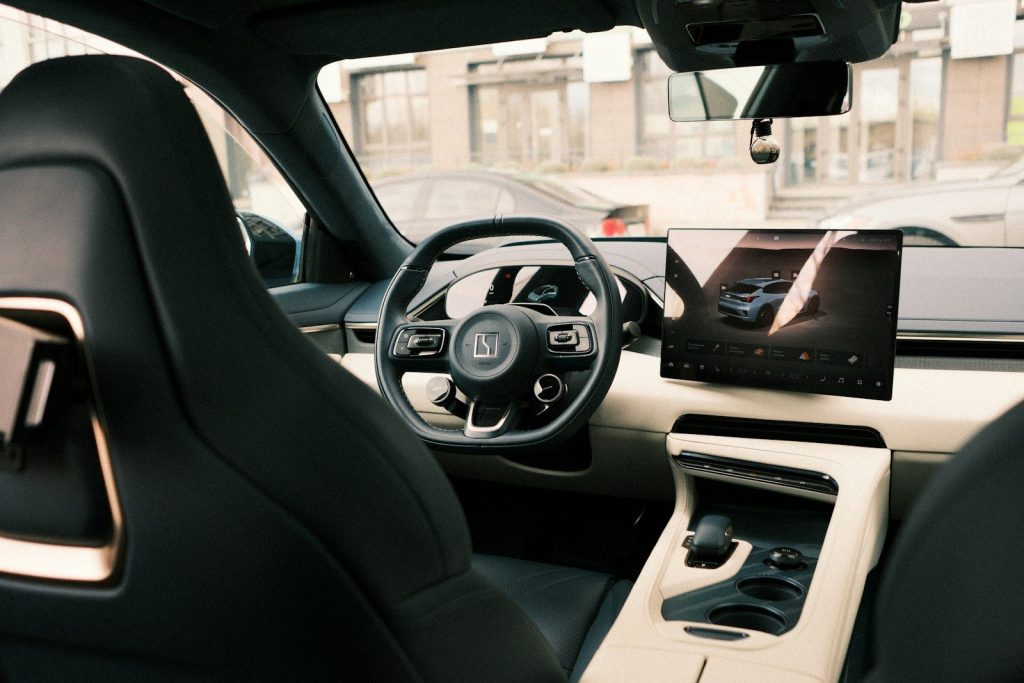
    Featured Image: Photo by Nicolas J Leclercq on Unsplash

  • How Plugged-In Phones Are Quietly Ruining Their Own Batteries

    How Plugged-In Phones Are Quietly Ruining Their Own Batteries

    Most smartphone users believe that charging a phone to maximum capacity is the best habit. We assume that keeping our device at one hundred percent ensures optimal daily performance.

    But keeping your battery fully charged actually causes severe long-term degradation. Chemical engineers have discovered that this common practice places immense physical stress on the device.

    Understanding Lithium Chemistry

    white and black abstract painting
    Photo by National Cancer Institute on Unsplash

    Modern portable electronics run on highly dense lithium-ion cells that behave like chemical sponges. According to battery engineers, these cells operate best when they are only partially filled. Balance is key. Forcing a battery to hold maximum charge causes the internal compounds to degrade much faster. But the true culprit behind this damage is a physical force we often ignore.

    The Heat Trap

    Hands are weaving a colorful patterned basket.
    Photo by Dwayne joe on Unsplash

    Leaving a phone plugged in overnight generates continuous trickle charges that produce excess heat. According to safety reports, this constant thermal pressure wears down the delicate separator membranes inside the battery. Heat is deadly. Over time, this thermal stress reduces the total energy capacity of your phone. But there is a specific sweet spot that can save your device.

    The Perfect Percentage

    A close up of a cell phone on a table
    Photo by appshunter.io on Unsplash

    Keeping your charge level within a specific middle range can easily double the lifespan of your phone. According to tech hardware experts, maintaining a charge between thirty and eighty percent is ideal. It is simple. This balanced state minimizes voltage stress on the delicate lithium ions. But getting users to change their charging habits is incredibly difficult.

    Phone Charging Tech

    A person holding a cell phone in their hand
    Photo by Mihael Stojčević on Unsplash

    Phone manufacturers have introduced built-in software tools to help manage these issues. According to official developer manuals, newer operating systems feature optimized battery charging options that halt power delivery at eighty percent. This feature is smart. It delays the final charge until right before you wake up. But many users still keep this protection turned off.

    The Fast Charger Risk

    white iphone 5 c on brown wooden table
    Photo by De an Sun on Unsplash

    High-wattage fast chargers are convenient, but they also speed up the aging process of your cell. According to hardware tests, pushing high currents into a battery generates rapid chemical reactions that warp internal structures. Speed has a cost. This high-speed charging should only be used when you are in a rush. But bad habits are not the only threat to your battery.

    Cold Weather Threats

    The interior of a car with a person sitting in the passenger seat
    Photo by Andrii Solok on Unsplash

    Extreme temperatures of any kind can quickly destroy the delicate chemistry of your smartphone. According to technical guides, exposing your device to freezing cold reduces its ability to hold a charge. Protect your phone. Always avoid leaving your device in an unheated car during winter nights. But a few basic changes can keep your battery healthy for years.

    Preserving Your Tech

    man fixing the device using soldering iron
    Photo by Blaz Erzetic on Unsplash

    Taking simple steps to protect your phone battery will save you hundreds of dollars in repair costs. According to electronics technicians, avoiding extreme temperatures and keeping your phone cool are the best preventative measures. Small adjustments make a massive difference. This article is for informational purposes only.

    Featured Image: Photo by Allen Y on Unsplash