Author: Dylan

  • How Smart Systems Solved a Six-Decade Medical Puzzle

    How Smart Systems Solved a Six-Decade Medical Puzzle

    Most medical researchers assume that finding new drugs requires decades of slow laboratory testing. We believe that human chemists must manually check millions of compounds to discover safe treatments.

    But a spectacular leap in artificial intelligence has completely shattered this old timeline. A custom neural network has successfully discovered a powerful new antibiotic.

    The Growing Superbug Crisis

    person in white long sleeve shirt holding blue ceramic plate with brown soup
    Photo by Adrian Lange on Unsplash

    Many common bacteria are rapidly developing resistance to our existing medical treatments. According to reports from the World Health Organization, this genetic adaptation poses a severe threat to global public health. The danger is rising. Traditional research methods struggled to keep pace with these fast-evolving pathogens. But a fresh computational approach was about to change the entire search.

    Training The Neural Network

    a person's head with a circuit board in front of it
    Photo by Steve A Johnson on Unsplash

    Scientists designed a specialized deep learning model to scan vast libraries of chemical structures. According to a study published in Nature, researchers at the Massachusetts Institute of Technology trained the algorithm on thousands of known compounds. The math was complex. The system analyzed which atomic patterns were most effective at killing hostile bacteria. But this digital brain was about to discover an overlooked compound.

    Spotting The Hidden Molecule

    A close up of a pink and purple object
    Photo by Steve A Johnson on Unsplash

    The artificial intelligence successfully identified a unique molecule that bypassed standard drug designs. According to the published research, this compound was completely different from any existing antibiotic in use today. It was highly effective. The software predicted the molecule could easily destroy drug-resistant strains. But verifying these digital predictions required launching direct physical tests.

    Disrupting Hostile Cell Walls

    woman holding laboratory appratus
    Photo by CDC on Unsplash

    Laboratory testing proved that the newly discovered drug could easily penetrate bacterial defenses. According to microbiologists, the compound targets the cell walls of the bacteria in a highly unusual way. The attack was swift. This unique mechanism makes it incredibly difficult for the superbugs to develop resistance. But this medical breakthrough is already reshaping how we design future drugs.

    Accelerating Drug Discovery

    a close up of a cell phone's display screen
    Photo by Brett Jordan on Unsplash

    Traditional pharmaceutical development can take over ten years to bring a single drug to market. According to technology industry analysts, using smart algorithms can reduce this timeline to just a few weeks. The savings are massive. This efficiency allows researchers to respond instantly to emerging viral threats. But managing this automation requires maintaining strict human oversight.

    The Vital Human Guide

    a group of people sitting around a table
    Photo by UMAIR AZAAD on Unsplash

    While algorithms are incredibly fast, they cannot replace the safety validation of human scientists. According to clinical trial directors, expert medical teams must still verify each chemical output before patient testing. They are highly cautious. This collaborative approach keeps the drug development pipeline stable and safe. But the success of this project is opening up a bold new era.

    Unlocking Next Generation Medicine

    trees under cloudy sky during sunset
    Photo by Dawid Zawiła on Unsplash

    Mastering artificial intelligence in biology is the ultimate key to conquering complex global diseases. According to researchers, this milestone proves that smart software can solve our most critical health challenges. Innovation remains essential. This article is for informational purposes only and does not constitute scientific or professional advice.

    Featured Image: Photo by Toon Lambrechts on Unsplash

  • The Autonomous Sidewalk Pods Quietly Redefining Local Delivery

    The Autonomous Sidewalk Pods Quietly Redefining Local Delivery

    Most neighborhood shoppers assume that home deliveries must always rely on loud commercial trucks. We believe that human drivers are the only way to move groceries from stores to front doors.

    But a silent automated fleet is completely challenging this transport standard. Tiny robotic pods are rolling down city sidewalks to drop off packages.

    Entering The Local Neighborhoods

    Brightly lit newsstand on a city street at night.
    Photo by Konrad Nowacki on Unsplash

    Small robotic boxes have become a common sight on the streets of Milton Keynes. According to reports from the local council, these autonomous delivery pods handle thousands of grocery runs weekly. They are very quiet. Residents use a simple smartphone app to order items directly to their doorsteps. But keeping these small machines safe on busy sidewalks is a major challenge.

    Navigating Pedestrian Paths Safely

    robot, servo, ultrasonic sensor, engine, recycling, hobby, electronics, project, 3d printing, ebay, components, close-up, robot, 3d printing, 3d printing, 3d printing, 3d printing, 3d printing
    Photo by beear on Pixabay

    Walking paths are filled with unexpected obstacles like children, pets, and trash cans. According to autonomous vehicle designers, the pods use a complex array of cameras and ultrasonic sensors to map their path. The software is clever. This real-time mapping ensures the robot slows down or stops instantly when someone approaches. But managing these constant physical variables requires a robust wireless network.

    Coordinating The Global Grid

    A large screen with a lot of numbers on it
    Photo by Alexander Schimmeck on Unsplash

    Thousands of active delivery pods must be monitored simultaneously to prevent traffic blocks. According to logistics reports, a central control center uses high-speed data networks to track each robot in real time. The coordination is seamless. Human operators can take remote control of a pod if it encounters a confusing path. But this electric transit also offers a massive environmental advantage.

    Slashing Urban Carbon Emissions

    Person walking dog on a bright blue path
    Photo by Turquo Cabbit on Unsplash

    Replacing heavy delivery vans with small electric pods reduces the need for fossil fuels. According to energy grid studies, the pods run entirely on clean battery power with almost zero carbon footprint. They are highly efficient. This transition helps keep neighborhood air clean and reduces traffic congestion on local roads. But protecting the cargo from thieves requires a secure design.

    Locking The Cargo Bays

    black and gray luggage bag
    Photo by Benjamin R. on Unsplash

    Leaving valuable groceries on a public sidewalk could easily invite opportunistic theft. According to product design files, the cargo lid remains locked securely during transit. It is a vault. The bay can only be opened when the customer types a unique code into their app. But this automated convenience is changing how local businesses manage their stock.

    Reshaping Local Store Logistics

    can, lid, metal box, storage, container, store, decorative, tea caddy, art, template, urn, vessel, clay jug, old, historical, antique, template, urn, urn, urn, urn, urn
    Photo by webandi on Pixabay

    Small neighborhood shops are integrating automated packing systems directly into their backrooms. According to business analysts, this automation allows stores to pack and dispatch orders within minutes. The speed is impressive. This rapid turnaround keeps the local commerce pipeline moving smoothly. But the ultimate success of this program depends on expanding to new cities.

    Overcoming The Winter Weather

    a jeep driving down a snow covered road
    Photo by David Nicolai on Unsplash

    Extreme weather like heavy snow and ice can easily disrupt the movement of small wheels. According to vehicle testing logs, developers are designing rugged winter tires to keep the pods moving year-round. The checks are quick. This constant maintenance ensures the robotic fleet remains reliable during freezing winter deliveries. But this sidewalk trend is already paving the way for the future.

    Tomorrow In Delivery Logistics

    a sign on a railing
    Photo by Arshad Jamil on Unsplash

    Transitioning to autonomous sidewalk delivery is pushing urban planning and robotics into a bold new era. According to transportation historians, these tiny pods prove that local delivery can be clean, silent, and highly efficient. The future is here. This article is for informational purposes only.

    Featured Image: Photo by TheDigitalArtist on Pixabay

  • The Rare Armor-Plated Dinosaur Discovered In Thailand

    The Rare Armor-Plated Dinosaur Discovered In Thailand

    Most paleontologists assume that the famous fossil beds of North America hold all the major dinosaur species. We believe that we must look to the West to find spectacular prehistoric monsters.

    But an incredible fossil discovery in a Thai valley has challenged this geological timeline. Scientists have unburied a previously unknown species of armored dinosaur.

    Sifting Through Ancient Clay

    Person arranging stones in a rocky landscape
    Photo by Edge Tung on Unsplash

    A team of paleontologists exploring a remote rock formation made the discovery of a lifetime in the shale. According to reports from the Department of Mineral Resources, they recovered well-preserved skeletal remains. The site was old. The fossils dated back over one hundred million years to the Cretaceous period. But what lay waiting in the rock would shock local researchers.

    The Armor-Plated Beast

    an aerial view of a sandy beach with waves
    Photo by Zach Lucero on Unsplash

    The unique structure of the bones revealed a dinosaur with highly specific defensive features. According to a study published in the journal Diversity, the newly discovered species was an ankylosaur. It was truly magnificent. This creature possessed thick bony plates embedded directly into its tough skin for protection. But explaining how this heavy herbivore moved requires looking at its tail.

    Weapon Of Real Defense

    Two fencers in white uniforms engaged in a fencing match.
    Photo by Omar Abozeid on Unsplash

    The prehistoric giant used a heavy club-like tail to defend itself from large predators. According to biomechanics studies, a single strike from this bony tail could shatter the bones of an attacker instantly. The power was immense. This extreme defense allowed the slow-moving herbivore to survive alongside fierce meat-eaters. But tracking their ancient diet led to a highly surprising realization.

    Feasting In Lush Forests

    area covered with green leafed plants
    Photo by Chris Abney on Unsplash

    The hot and humid Cretaceous landscape of Thailand was once filled with dense tropical forests. According to paleobotanical reports, the armored dinosaur fed entirely on low-lying ferns and soft leaves. They were highly peaceful. This rich vegetation provided all the energy the giant needed to grow its massive armor plates. But a sudden environmental shift would bring a tragic end.

    The Slow Preservation Miracle

    a bird is sitting on a rock formation
    Photo by Jason Leung on Unsplash

    Mud from prehistoric river floods quickly covered the bones of the dead dinosaurs. According to geological survey reports, this rapid burial prevented the skeleton from being scattered by scavengers. The preservation was perfect. Over millions of years, the minerals in the water slowly turned the bone layers to solid stone. But modern scanners are helping us read these ancient stories.

    Reconstruction With Digital Scans

    a skeleton of a bird is shown in black and white
    Photo by Christian Keybets on Unsplash

    Scientists are using three-dimensional scanning technology to reconstruct the dinosaur body in detail. According to computer software analyses, these virtual models show exactly how the muscles and armor plates fit together. Precision was vital. This high-tech reconstruction allows researchers to study how these ancient beasts behaved. But the legacy of this discovery continues to change history.

    Rewriting Prehistoric Asian History

    Grand Canyon landmark
    Photo by Kevin Crosby on Unsplash

    Finding this armored species proves that diverse dinosaur lineages were thriving in Southeast Asia long ago. According to paleontologists, this Thai discovery helps us map the global migration routes of prehistoric life. The past is active. This article is for informational purposes only.

    Featured Image: Photo by David Clode on Unsplash

  • How Nuclear Waste Could Unlock Infinite Clean Energy

    How Nuclear Waste Could Unlock Infinite Clean Energy

    Most physics fans assume that nuclear waste is just a dangerous liability. We believe that spent reactor fuel must be buried deep underground for thousands of years.

    But brilliant researchers have found an incredible clean energy solution. They want to recycle these radioactive remnants to power the first commercial fusion reactors.

    Harvesting Leftover Cosmic Fuel

    Overhead view of complex machinery with pipes and valves.
    Photo by Daniel Miksha on Unsplash

    Standard nuclear reactors leave behind volatile isotopes that require secure storage. According to reports from the Department of Energy, these waste elements still contain highly energetic particles. They are incredibly active. By extracting these raw isotopes, scientists can synthesize tritium fuel for next-generation fusion reactors. This chemical recycling could solve a massive fuel shortage.

    The Extreme Fusion Puzzle

    silver and black coffee maker on white and brown wooden table
    Photo by Michael on Unsplash

    Achieving commercial fusion requires holding hot plasma stable at millions of degrees. According to researchers at the Princeton Plasma Physics Laboratory, finding a reliable fuel mixture is the hardest part. The task is massive. Standard hydrogen isotopes are incredibly rare and expensive to manufacture from scratch. But the key to creating this fuel is hiding inside nuclear waste bins.

    Mining The Radioactive Remnants

    a person wearing a mask
    Photo by Toon Lambrechts on Unsplash

    Extracting valuable tritium requires processing spent heavy water and uranium rods. According to chemical engineering studies, this recycling process isolates the lightweight isotopes safely. The work is precise. By harvesting these rare elements, scientists can secure a stable fuel supply for early commercial reactors. But handling these active materials requires building specialized protective shields.

    Building The Ultimate Shields

    two person standing near wall
    Photo by Ant Rozetsky on Unsplash

    Fusion chambers must withstand intense neutron bombardment without melting down. According to materials science reports, developers are testing custom steel alloys to line the inner walls. The metal is tough. This protective layer prevents structural damage while absorbing the heat to generate electricity. But managing this intense thermal energy requires a highly unique cooling loop.

    Liquid Metal Cooling Paths

    a large circular object in a large building
    Photo by Homa Appliances on Unsplash
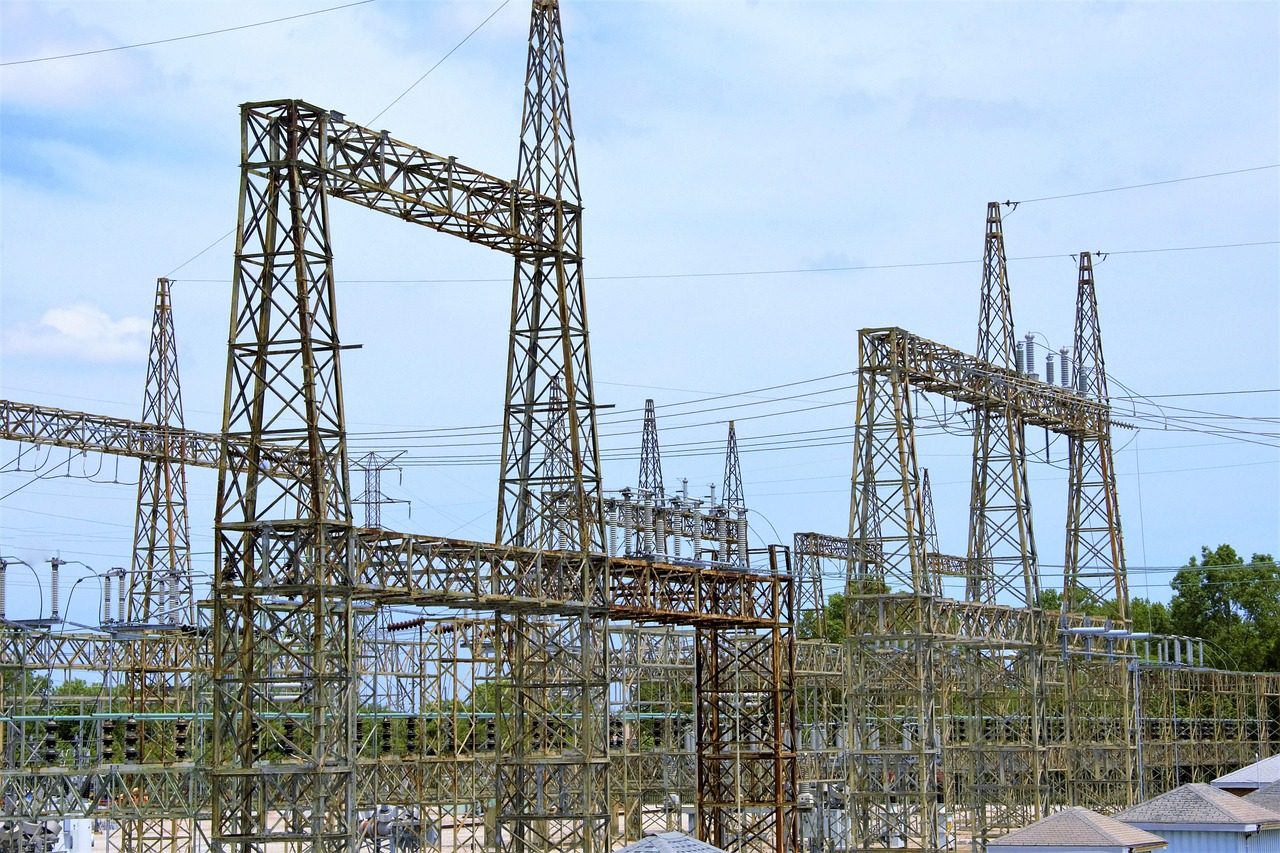
    Standard water cooling loops would boil away instantly inside a fusion reactor. According to experimental physics logs, advanced systems circulate molten lithium to absorb the extreme heat. The flow is silent. This liquid metal transfer is highly efficient and keeps the reactor stable during operation. But keeping this heavy current moving demands a powerful magnetic pump.

    Magnetic Fields Holding Plasma

    electronic circuit boards near tester
    Photo by Nicolas Thomas on Unsplash

    No physical container on Earth can touch plasma without vaporizing instantly. According to reports from the International Atomic Energy Agency, giant magnets generate invisible fields to keep the plasma suspended. They are highly powerful. This magnetic trap prevents the hot stream from touching the cold walls of the chamber. But scaling this technology requires a massive financial commitment.

    The Global Reactor Race

    aerial photography of dump trucks
    Photo by Shane McLendon on Unsplash
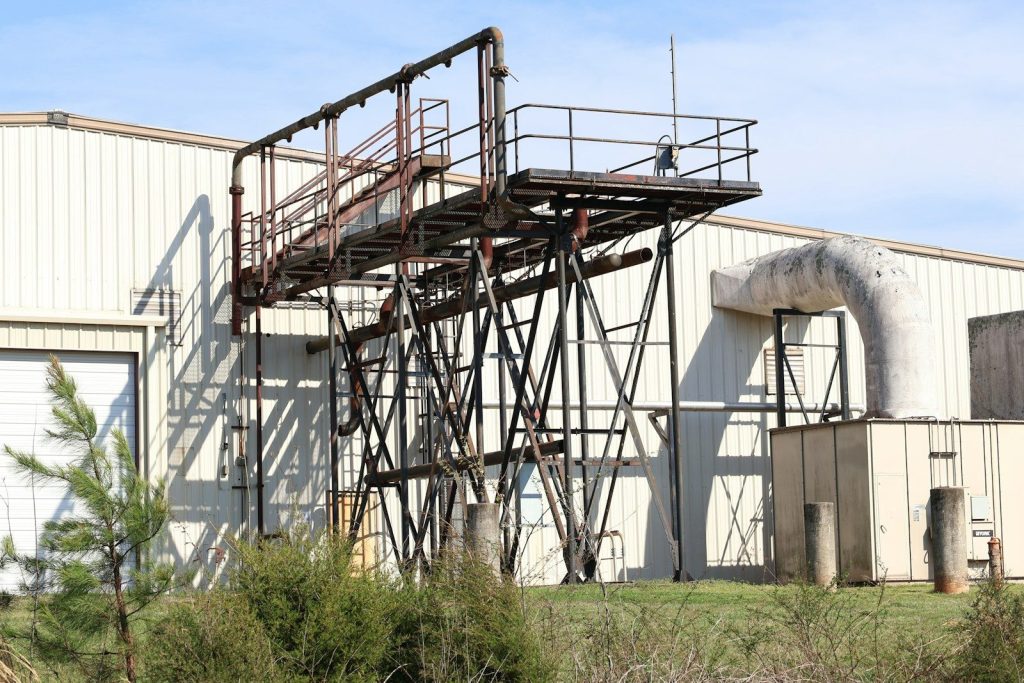
    Nations are currently building massive collaborative reactors to prove the technology works. According to energy sector reports, these pilot plants could begin generating electricity within the next decade. The progress is rapid. This collective effort could transition our global grid away from fossil fuels forever. But the final success of this project depends on solving one last hurdle.

    Infinite Clean Energy Future

    sea waves crashing on shore during sunset
    Photo by Daniele Franchi on Unsplash

    Recycling waste to fuel fusion reactors represents a giant leap for clean energy. According to researchers, this technology can eliminate nuclear waste while delivering endless electricity to our cities. The future is bright. This article is for informational purposes only and does not constitute scientific or professional advice.

    Featured Image: Photo by Jakob Cotton on Unsplash

  • Why Tiny Nuclear Power Plants Do Not Run Our Cities

    Why Tiny Nuclear Power Plants Do Not Run Our Cities

    Most technology lovers assume that nuclear reactors are too large to fit inside small neighborhoods. We believe that atomic energy always requires massive cooling towers and giant concrete domes.

    But small nuclear reactors have successfully powered naval ships for decades. Shifting this maritime technology to our daily power grid remains an incredibly complex engineering challenge.

    The Naval Reactor Triumph

    gray warship on body of water
    Photo by Michael Afonso on Unsplash

    Military aircraft carriers and submarines have traveled across oceans on atomic energy since the mid-twentieth century. According to reports from the United States Navy, these compact reactors operate safely for years without refueling. They are incredibly reliable. This maritime success proves that small atomic engines can function in tight spaces. But running these plants on land introduces different safety rules.

    Strict Urban Safety Barriers

    Industrial structure next to a large building
    Photo by Karen McGowin on Unsplash

    Naval vessels operate in open waters far away from major population centers. According to the Nuclear Regulatory Commission, building small reactors in local towns requires meeting extreme safety standards. Protection is absolute. Any potential hazard must be completely contained to prevent risk to nearby homes. But designing these secure civil installations requires a major structural rethink.

    The Micro Reactor Blueprint

    Abstract technology with circuit board, spheres, and glowing rings.
    Photo by Brecht Corbeel on Unsplash

    Engineers are designing scaled-down reactors that can be manufactured in factories and shipped on trucks. According to reports from the Department of Energy, these micro-reactors can generate electricity for remote communities. They are highly compact. This modular setup allows companies to deploy clean energy without building massive local facilities. But keeping these small systems cool requires a new technology.

    Passive Cooling Safety Systems

    man looking at microscope
    Photo by National Cancer Institute on Unsplash
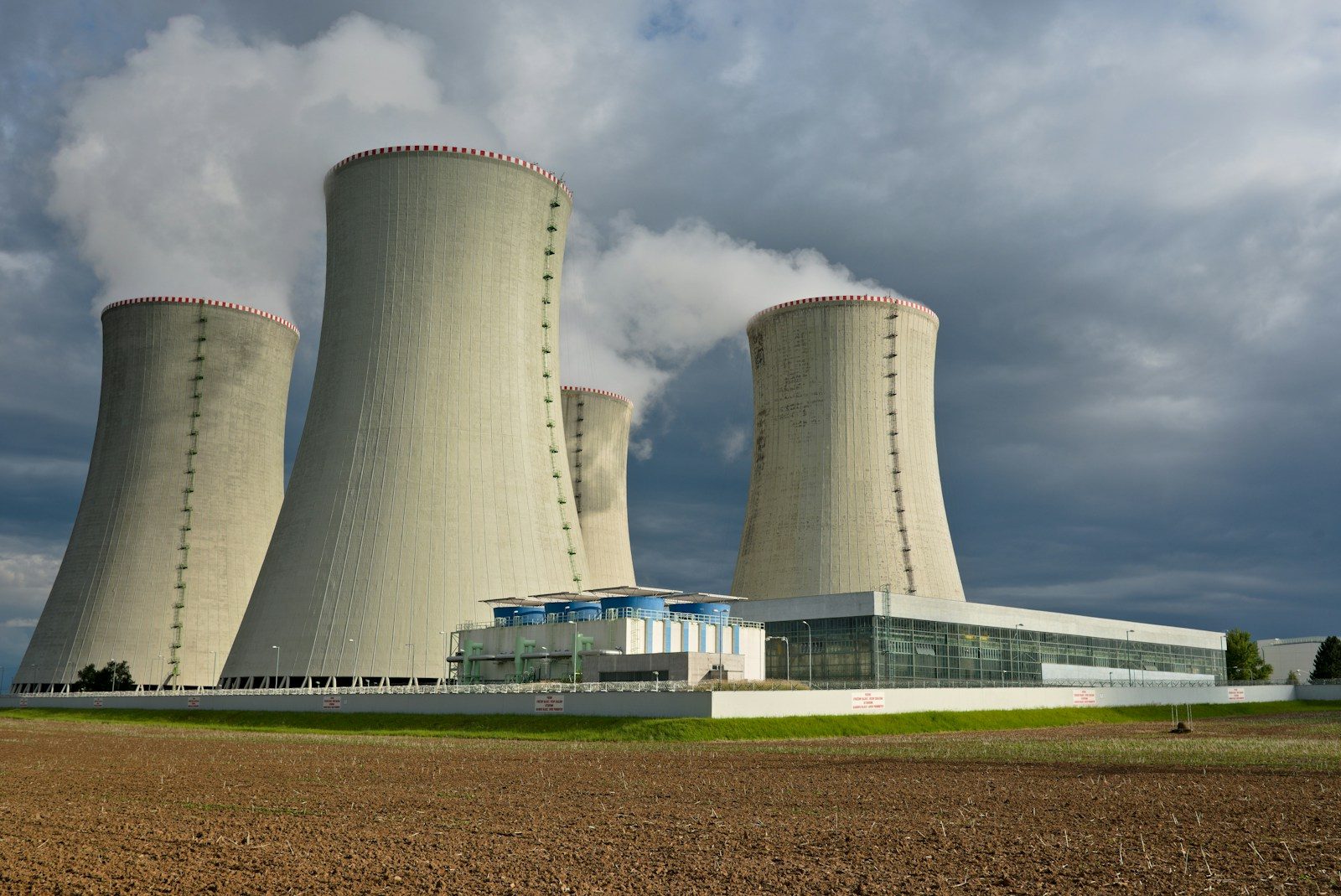
    Traditional reactors require constant electrical power to run heavy water pumps during emergencies. According to materials science reviews, next-generation small reactors use natural circulation to cool themselves automatically. The system is silent. This passive design ensures the reactor shuts down safely even if the local grid fails completely. But sourcing the fuel for these small cores is another challenge.

    Highly Enriched Fuel Needs

    man in white dress shirt standing near black flat screen computer monitor
    Photo by National Cancer Institute on Unsplash
    Small cores require highly concentrated fuel to operate efficiently over long periods. According to nuclear fuel studies, these modular plants rely on specialized uranium mixtures that are expensive to produce. The cost is high. This fuel requirement slows down the commercial release of modular reactors across the nation. But security concerns are also holding back widespread deployment.

    Guarding The Atomic Cores

    black flat screen computer monitor
    Photo by Joan Gamell on Unsplash

    Placing active reactors in multiple neighborhoods raises serious concerns about physical security and fuel tracking. According to defense analysts, each site must be strictly monitored to prevent unauthorized access. The watch is constant. This security burden increases the operational costs for local utility companies. But a few pioneering cities are still preparing to test the systems.

    The Modular Energy Era

    brown mountains under blue sky during daytime
    Photo by Kitera Dent on Unsplash

    Transitioning toward small modular reactors could eventually deliver clean and stable energy to isolated regions. According to researchers, combining micro-reactors with solar grids will make local communities highly resilient. The potential is immense. This article is for informational purposes only and does not constitute professional engineering advice.

    Featured Image: Photo by Scottslm on Pixabay

  • Inside The Massive Building Redefining American Clean Power

    Inside The Massive Building Redefining American Clean Power

    Most taxpayers assume that building new clean energy generators is a quick and cheap task. We believe that transition projects can be completed within a few short years.

    But a massive nuclear construction project in Georgia has completely shattered this financial timeline. This multi-billion dollar engineering feat is redefining how the nation powers its cities.

    The Vogtle Plant Triumph

    green and grey transmission tower during nighttime
    Photo by American Public Power Association on Unsplash

    A colossal nuclear expansion project in Georgia has finally reached completion after years of intense labor. According to reports from Georgia Power, two new reactors are now delivering stable carbon-free electricity to the regional grid. The scale is monumental. This massive facility represents the first newly built nuclear reactors in the United States in decades. But reaching this milestone required overcoming extreme financial obstacles.

    The Thirty-Five Billion Bill

    A desk with a keyboard and a monitor
    Photo by Jakub Żerdzicki on Unsplash

    Building advanced nuclear facilities requires spending massive amounts of capital on specialized materials and safety licensing. According to utility energy studies, the total cost of the Georgia project exceeded thirty-five billion dollars. The price tag is staggering. This intense budget growth has triggered fierce debates over the future of nuclear investments. But the physical engineering of these reactors is incredibly advanced.

    The AP One Thousand Design

    factory rooftop
    Photo by Sergei A on Unsplash

    The new reactors utilize a highly advanced structural blueprint designed to prevent severe system failures automatically. According to Westinghouse engineering files, the system uses gravity and natural condensation to cool the core. They are highly clever. This passive safety setup ensures the plant remains stable even during complete power losses. But manufacturing these giant steel vessels required extreme precision.

    Forging The Steel Containment

    a high angle view of a building
    Photo by avechenri on Unsplash

    Every reactor core is housed inside a massive steel vessel built to withstand extreme pressures and heat. According to structural engineering reviews, these vessels are wrapped in thick layers of high-density concrete. It is a fortress. This robust shield ensures that radioactive materials remain completely contained under any circumstances. But sourcing the materials for this shield created a global supply puzzle.

    Sourcing Custom Safety Parts

    man in blue scrub suit standing near white and black office rolling chair
    Photo by RephiLe water on Unsplash

    Building a nuclear plant requires thousands of specialized valves and sensors that meet strict quality standards. According to supply chain analysts, a tiny defect in a single pipe can delay construction for months. Precision is vital. This extreme focus on quality is what drove the project costs far past initial estimates. But this massive investment is delivering a highly stable energy return.

    Powering Millions Of Homes

    cable network
    Photo by Taylor Vick on Unsplash

    Once fully active, the massive reactors can generate enough electricity to run over one million homes continuously. According to energy grid data, this stable baseload power is vital for supporting erratic wind and solar generators. The flow is constant. This reliable supply ensures that local hospitals and factories never experience sudden voltage drops. But the long-term future of American nuclear power remains uncertain.

    The Next Generation Shift

    Model of a modern city with buildings and buildings
    Photo by ANOOF C on Unsplash

    Energy developers are studying the lessons learned from the Georgia project to build smaller modular reactors. According to industry analyst reports, scaling down the construction size is the easiest way to control budgets. The change is beginning. These smaller plants could soon deliver safe atomic energy without the extreme financial risks. But executing this transition requires updating national policies.

    Unlocking A Clean Grid

    the sun is setting over a valley with trees
    Photo by Dave Hoefler on Unsplash

    Mastering nuclear engineering on a grand scale is a critical step toward securing our clean energy future. According to planetary scholars, nuclear baseload power is essential for reducing carbon emissions around the globe. Balance is essential. This article is for informational purposes only.

    Featured Image: Photo by Lukáš Lehotský on Unsplash

  • Why Classic Warm Light Bulbs Are Making A Comeback

    Why Classic Warm Light Bulbs Are Making A Comeback

    Most modern homeowners assume that LED light bulbs are the perfect replacement for old lighting options. We believe that low energy usage makes these blue-white lights superior in every single room.

    But a surprising biological shift is bringing classic incandescent bulbs back into our homes. Their unique continuous color spectrum offers healthy benefits that modern bulbs simply cannot match.

    The Blue Light Problem

    A black background with a blue wave on it
    Photo by Pawel Czerwinski on Unsplash

    Many standard LED bulbs emit intense peaks of blue light that can disrupt human biological rhythms. According to a study from Harvard University, exposure to this cool light late at night halts melatonin production. The body wakes up. This chemical block makes it difficult for families to fall asleep and rest deeply. But classic warm bulbs behave in a highly different way.

    The Continuous Spectrum Glow

    a living room with a white couch and chairs
    Photo by Pipcke on Unsplash

    Classic incandescent bulbs generate light by heating a thin metal filament until it glows naturally. According to physics research updates, this thermal glow produces a continuous spectrum that mimics the setting sun. It is highly soothing. This natural light contains almost zero sharp blue peaks, making it incredibly gentle on human eyes. But finding these classic bulbs in modern stores remains a challenge.

    The Return Of Specialty Filaments

    a bunch of lights hanging from a ceiling
    Photo by Bernd 📷 Dittrich on Unsplash

    Manufacturing laws previously restricted the sale of standard inefficient light bulbs across the nation. According to retail market analysts, developers are bypassing these rules by designing specialized warm glass fixtures. The loophole is legal. These specialty bulbs are classified as decorative elements, allowing homeowners to purchase them easily. But this vintage revival is also changing how we design cozy rooms.

    Designing Cozy Interior Spaces

    a living room filled with furniture and a dining room table
    Photo by witpix <3 on Unsplash

    Interior designers are using warm filament bulbs to create relaxing atmospheres inside residential homes. According to lighting design guides, warm amber light can lower stress levels and reduce evening eye strain. The change is immediate. This cozy environment helps the brain prepare for sleep naturally after a busy day. But managing the energy use of these classic bulbs is a major concern.

    Balancing Efficiency and Health

    ai, robot, technology, coding, laboratory, development, women, engineering, collaboration, future, innovation, software, research, science, tech, workplace, machine, human, screen, data, ai generated
    Photo by geralt on Pixabay

    While filament bulbs consume slightly more electricity, their biological benefits can outweigh the minor costs. According to sleep health specialists, using warm bulbs strictly in bedrooms and living rooms is the ideal setup. It is remarkably simple. This targeted placement protects your sleep cycle while keeping your total energy bill low. But device developers are also working on a clever compromise.

    Smart Spectrum Adjustments

    black samsung android smartphone displaying 11 00
    Photo by ashkanis on Unsplash

    Some technology firms are designing advanced LED bulbs that can mimic the warm glow of filaments. According to product testing logs, these smart systems adjust their color outputs automatically throughout the day. They are highly active. This digital shift helps families enjoy the efficiency of LEDs without the toxic blue spikes. But the ultimate success of these systems depends on consumer adoption.

    Caring For Your Body

    The sun is shining through the clouds over a field
    Photo by Wolfgang Hasselmann on Unsplash

    Choosing the right lighting in your home is a simple way to protect your long-term health. According to medical researchers, aligning your indoor environment with natural solar cycles preserves your physical well-being. Healthy choices matter. This article is for informational purposes only.

    Featured Image: Photo by jason hu on Unsplash

  • The Surprising Reason Your New LED Bulbs Fail Fast

    The Surprising Reason Your New LED Bulbs Fail Fast

    Most consumers believe that modern LED bulbs are designed to last for several decades without any issues. We assume that buying these expensive lights guarantees a lifetime of maintenance-free performance.

    But many new LED bulbs are failing within just a few short months of use. This rapid decay is currently driven by a hidden hardware flaw inside the bulb itself.

    The Myth Of Longevity

    green and yellow beaded necklace
    Photo by KOBU Agency on Unsplash

    Packaging boxes often promise that a new LED bulb will shine brightly for over twenty years. According to consumer hardware reviews, many of these devices burn out much faster than advertised. The claims fail. Buyers are left feeling frustrated as they replace supposedly durable lights repeatedly. But explaining why these bulbs die requires looking beyond the glowing diode.

    Inside The Bulb Core

    a close up of a piece of electronic equipment
    Photo by Vishnu Mohanan on Unsplash

    An LED bulb is not a simple glass filament but a highly complex electronic device. According to reports from lighting engineers, the light-emitting diode itself is actually incredibly durable. It runs cool. The real point of failure is a tiny circuit board called the LED driver. But this fragile circuit board faces a severe threat inside your home.

    The Extreme Heat Trap

    Close-up of hand applying thermal paste to a laptop microchip for maintenance.
    Photo by Elias Gamez on Pexels

    Circuit boards generate significant heat while converting high-voltage household current into low-voltage power. According to materials science studies, this heat must be quickly directed away from the delicate processors. The thermal load is intense. If the heat stays trapped, it cooks the tiny capacitors and destroys the driver. But the design of modern fixtures makes this heat problem much worse.

    Enclosed Ceiling Fixture Danger

    Modern living room with sleek furniture and large windows.
    Photo by jason hu on Unsplash

    Placing a standard LED bulb inside a sealed ceiling dome traps the hot air completely. According to home safety logs, this confined space prevents the metal heat sink from cooling the bulb. The temperature rises rapidly. Operating in this hot environment can cut the lifespan of your device by eighty percent. But some cheap manufacturers are making the issue even more severe.

    Sourcing Cheap Internal Components

    person holding gray audio mixer
    Photo by ThisisEngineering on Unsplash

    To compete on price, some brands use low-quality capacitors that degrade rapidly under stress. According to electronics engineering audits, these cheap parts are highly vulnerable to slight voltage spikes. They are fragile. When a capacitor fails, the entire bulb goes dark even though the diodes are perfect. But you can protect your bulbs by making a few simple changes.

    Choosing Open Ventilation Fixtures

    a living room filled with furniture and a kitchen
    Photo by Bailey Alexander on Unsplash

    Using open fixtures allows the rising hot air to escape away from the bulb base. According to hardware guides, keeping your bulbs cool is the easiest way to double their operating life. The fix is simple. This air circulation ensures the internal driver electronics remain stable for years. But selecting the right brand is also a critical step.

    Checking The Warranty Logs

    a typewriter on a table
    Photo by Markus Winkler on Unsplash

    Buying bulbs from reputable manufacturers that offer long replacement warranties is highly recommended. According to consumer advocacy reports, reliable brands use premium components that resist high temperatures. The investment is smart. These durable models will save you money and prevent constant trips to the store. But the future of lighting is moving toward even smarter designs.

    Designing Better Gadgets

    metal structure frame beside wall
    Photo by Justin Ha on Unsplash

    Mastering thermal management is key to unlocking the true potential of modern home technology. According to industrial historians, building durable electronics reduces global electronic waste significantly. Maintenance remains essential. This article is for informational purposes only.

    Featured Image: Photo by Adi Goldstein on Unsplash

  • The Colossal Underworld Structure Caught Under Egyptian Sands

    The Colossal Underworld Structure Caught Under Egyptian Sands

    Most archaeology fans believe that Egypt has already yielded all its greatest secrets. We assume that centuries of heavy digging have left nothing major to find.

    But a spectacular discovery of deep underground anomalies has stunned modern researchers. An elite scanning mission has captured a sprawling subterranean structure hidden beneath the sand.

    Sifting Through Desert Dust

    red and black bicycle on brown sand
    Photo by Lai Man Nung on Unsplash

    A team of explorers began mapping a quiet cemetery plot near the great Giza monuments. They did not expect to find anything major. According to a study by Higashi Nippon International University, scientists used advanced radar systems to scan beneath the soil surface. The results were stunning. The scans revealed a massive structural anomaly buried deep under the dunes. But this digital map was hiding a massive secret.

    The L-Shaped Anomaly

    An aerial view of a road with red signs on it
    Photo by Urs Lendermann on Unsplash

    The radar scans showed a massive shape that did not match any natural rock pattern. According to geophysical analysts, the underground layout features a highly precise L-shaped structure stretching across the coordinates. It was truly colossal. This precise geometry suggests that human hands carefully planned and executed the build long ago. But the purpose of this underground giant was still a complete mystery.

    Sinking Into Sand

    brown concrete blocks on brown sand
    Photo by Saj Shafique on Unsplash

    The colossal structure lies buried over six feet beneath the dry cemetery floor. According to the research reports, the anomaly was filled with dry sand after its construction. It was carefully sealed. This intentional sand filling suggests that the builders wanted to protect the inner chambers from any outside interference. But tracing what lay beneath this sand barrier required using deeper sensors.

    The Deep Chambers

    Explore the stunning brickwork and vaulted ceilings of this historic architectural crypt.
    Photo by Anna Rynkowska on Pexels

    Geophysical teams used electrical resistivity scanners to map the layers directly beneath the L-shaped structure. According to the survey data, a series of deeper cavities sit directly under the main foundation. They are highly empty. These deep rooms could represent untouched tomb chambers or ancient storage vaults. But identifying who built these hidden chambers required studying the surrounding graves.

    The Royal Neighbors

    A large building with statues on the side of it
    Photo by Martijn Vonk on Unsplash

    The mysterious structure sits directly adjacent to the ancient graves of elite Egyptian royal families. According to classical historians, this specific coordinate was reserved for the most powerful officials of the Old Kingdom. The status was clear. Placing such a massive monument in this sacred area proves its extreme cultural importance. But some geologists suggest a highly practical function for the structure.

    A Grand Entrance Way

    two stone pillars in a grassy field with a hill in the background
    Photo by RE Walsh on Unsplash

    Some researchers believe the L-shaped anomaly served as a monumental entrance to the deeper tomb complex. According to architectural reconstructions, the structure functioned as a secure gateway that was eventually buried to deter grave robbers. The shield worked. This clever design successfully kept the lower chambers untouched for thousands of years. But launching a physical excavation is still a massive challenge.

    Reclaiming Our Forgotten Past

    Ancient egyptian temple complex in a desert landscape.
    Photo by Alessandro Santoro on Unsplash

    This spectacular radar discovery proves that technology can uncover lost worlds once thought to be permanently gone. According to archaeologists, mapping these hidden structures alters our understanding of how early dynastic societies organized their sacred spaces. The search continues. This article is for informational purposes only.

    Featured Image: Photo by Mathias Reding on Unsplash

  • The Unexplained Space Matter Recovered From Earth Craters

    The Unexplained Space Matter Recovered From Earth Craters

    Most biology enthusiasts assume that life on Earth originated strictly in our oceans. We believe that organic cells evolved entirely from native terrestrial elements.

    But a bizarre mineral discovery inside an ancient impact crater has challenged this. Elite research teams have recovered complex organic compounds that originated in deep space.

    Sifting Through Ash

    a man climbing a rock wall
    Photo by Marjan Taghipour on Unsplash

    A team of geologists exploring a remote impact zone began collecting deep soil core samples. They were not looking for anything unusual. According to a study published in Geochimica, scientists detected a unique mineral composition inside the rock layers. The structure was weird. These anomalous minerals did not match any geological formations native to Earth. But tracing the origin of these elements led to a shocking stellar coordinate.

    Extraterrestrial Amino Acids

    a woman looking through a microscope in a lab
    Photo by National Cancer Institute on Unsplash

    Analyzing the mineral core revealed a high concentration of carbon compounds that carry an unusual isotopic balance. According to space science researchers, the specific ratio of carbon atoms proves the matter formed outside our solar system. It was incredibly old. This ancient stardust survived the intense heat of atmospheric entry to settle into the crater floor. But how these delicate molecules survived the impact pressure remains a mystery.

    Surviving The Crash

    A captivating image of white smoke cloud against a dark background, creating an ethereal and mysterious visual effect.
    Photo by cottonbro studio on Pexels

    Heavy space rocks usually vaporize entirely when they strike the crust at hypersonic speeds. According to shock physics reports, certain porous mineral structures can act like natural shields during violent impacts. The shield works. This protective buffering keeps the inner organic molecules safe from the destructive heat of the explosion. But finding these delicate compounds raises a massive question about the origin of terrestrial biology.

    Seeds From Space

    A black and white photo of a large area of land
    Photo by Sema S. on Unsplash

    Some theoretical biologists suggest that space impacts regularly deliver the vital building blocks of life to young planets. According to a study from the Astrochemistry Laboratory, key components like amino acids are commonly found inside interstellar ice clouds. They are abundant. This interstellar connection suggests that the chemical spark of life might be a universal force. But proving this cosmic delivery system requires searching for other impact signatures.

    The Pre-Solar Clues

    woman holding brown glass
    Photo by CDC on Unsplash

    Geochemists analyzed the crystalline structure of the crater minerals to determine their exact physical age. According to planetary geologists, some of these tiny grains are older than the sun itself. The dates are mind-bending. These pre-solar grains offer a pristine look at the chemical conditions that existed before our local planets formed. But decoding these interstellar messages is dividing the global research community.

    Academic Skepticism Sparks

    blue and white galaxy illustration
    Photo by Олег Мороз on Unsplash

    Mainstream researchers argue that finding organic molecules does not prove that life originated in outer space. According to molecular biologists, early Earth possessed its own unique environments capable of generating complex organic compounds naturally. They are cautious. They believe that while space delivery is possible, terrestrial chemistry was already highly advanced on its own. But the search for alien material inside Earth’s craters continues to yield surprises.

    Unlocking Our Cosmic Heritage

    silhouette photography of person
    Photo by Greg Rakozy on Unsplash

    The discovery of pre-solar matter inside impact craters proves that Earth is deeply linked to the wider cosmos. According to astrobiologists, studying these foreign minerals expands our search for biological signs on other worlds. Nature always surprises us. This article is for informational purposes only.

    Featured Image: Photo by ArtHouse Studio on Pexels