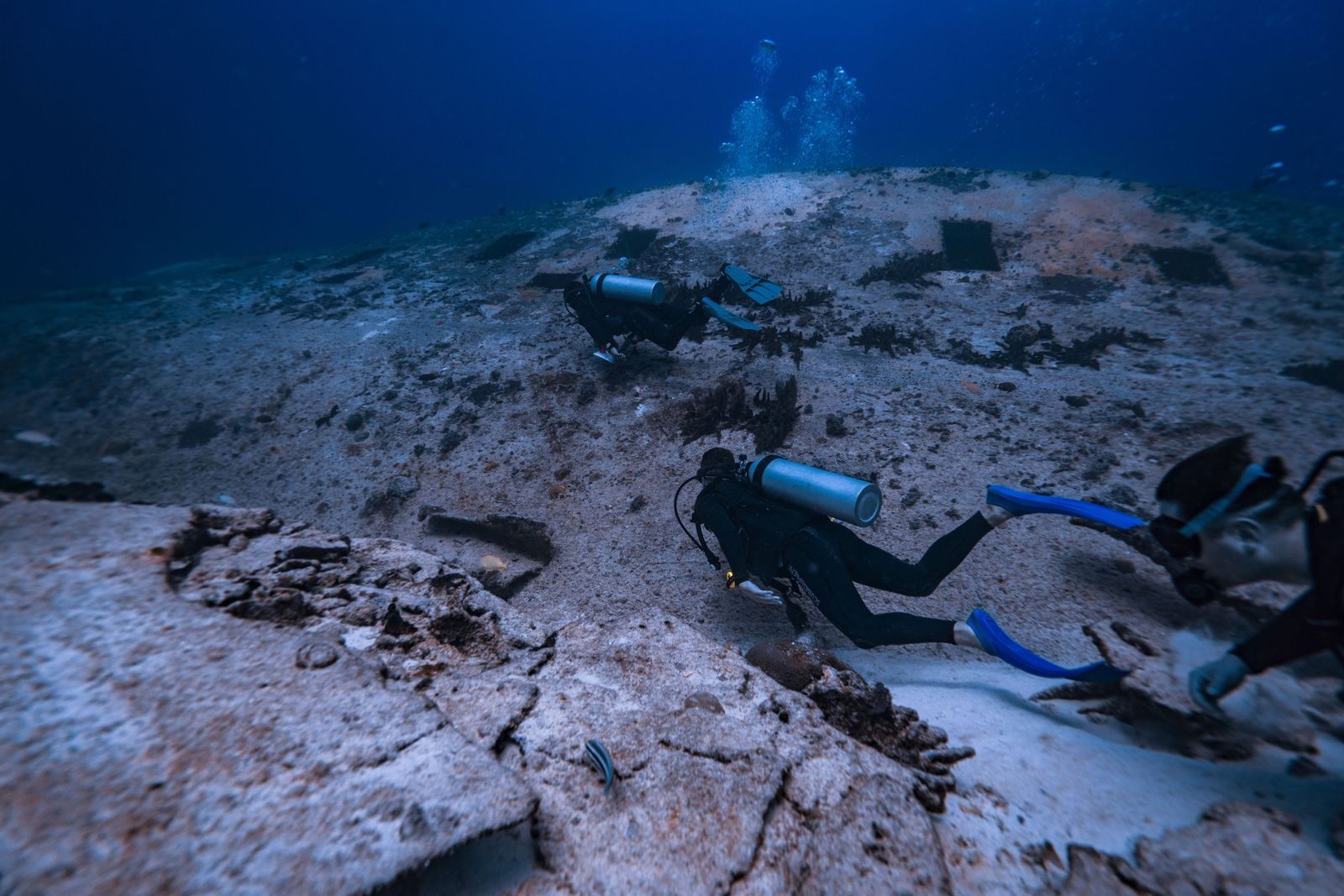
For years, amateur historians believed that an ancient lost empire lay buried off the coast of Louisiana. We imagined grand stone pyramids submerged under the Gulf of Mexico.
But professional divers have finally explored these mysterious underwater ruins to find the truth. What they uncovered in the dark mud completely surprised them.
The Sunken Stones Of Chandeleur
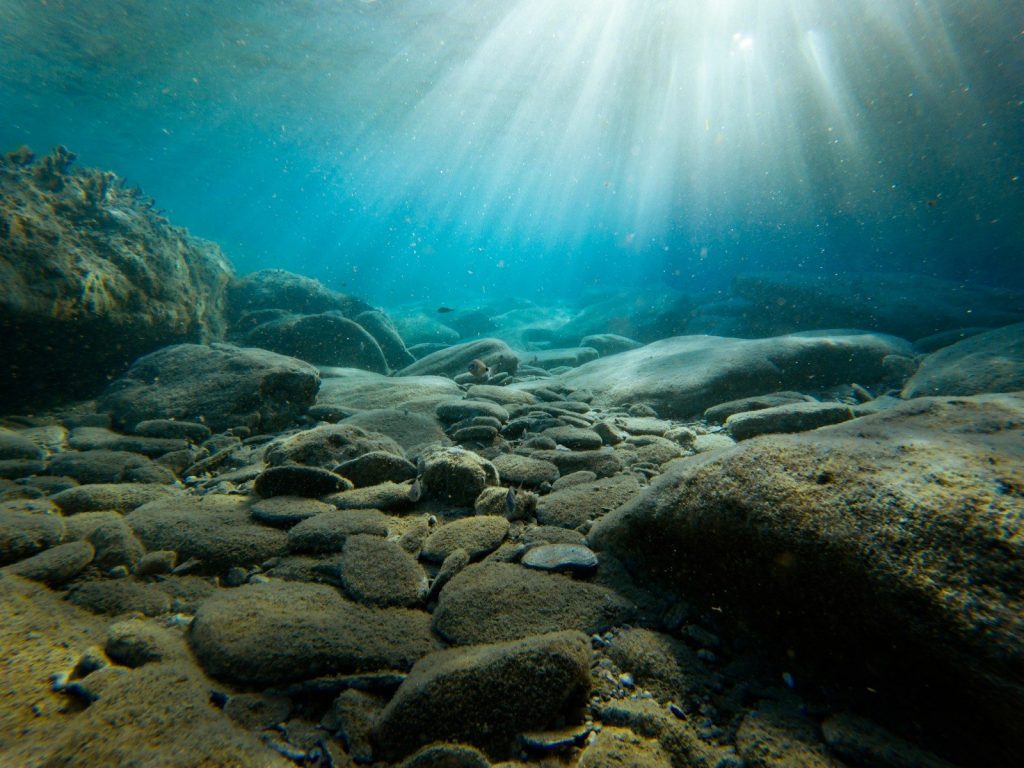
Near the uninhabited Chandeleur Islands, divers found massive mounds of angular granite rocks. According to reports from the Louisiana Division of Archaeology, these heavy stones sit fifty miles east of New Orleans. The water is murky. For decades, locals claimed these structures were the remains of a highly advanced prehistoric civilization. But this romantic theory soon faced a highly critical scientific investigation.
The Strange Granite Puzzle
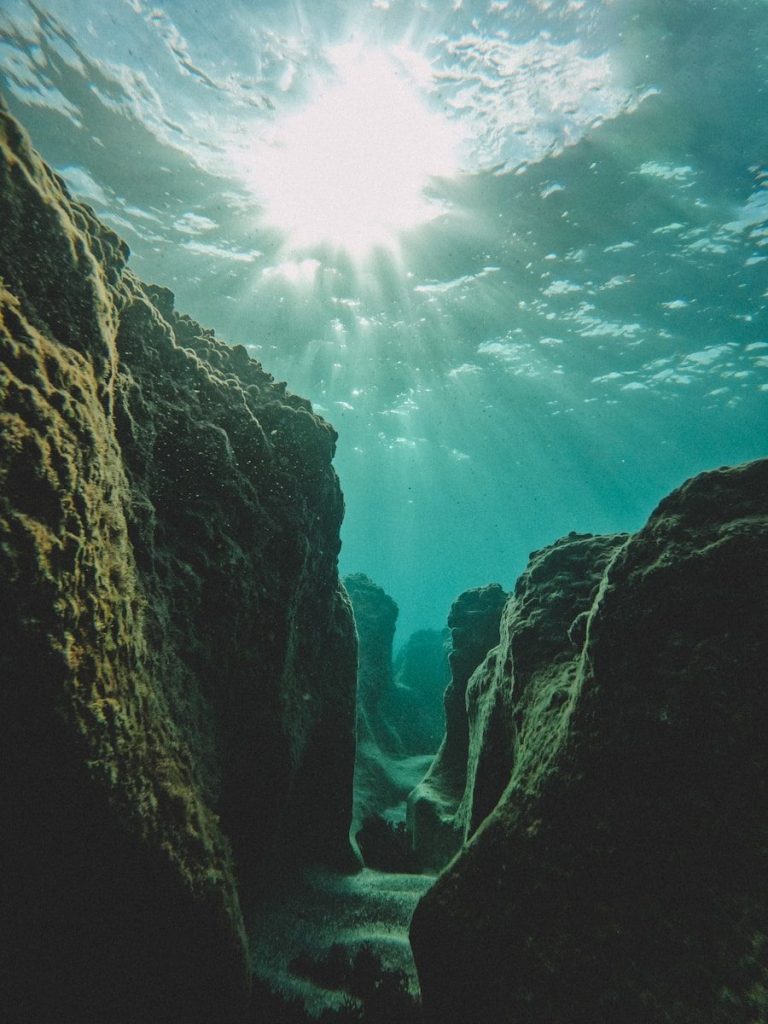
Granite does not occur naturally anywhere in the flat mud of southern Louisiana. According to marine archaeologists, these massive blocks had to travel there from a distant mountain range. The rocks are foreign. They were arranged in long, neat piles that looked like ancient city walls to untrained eyes. Yet, researchers soon discovered a highly modern artifact mixed directly with these ancient-looking stones.
Clay Tiles From Imperial France
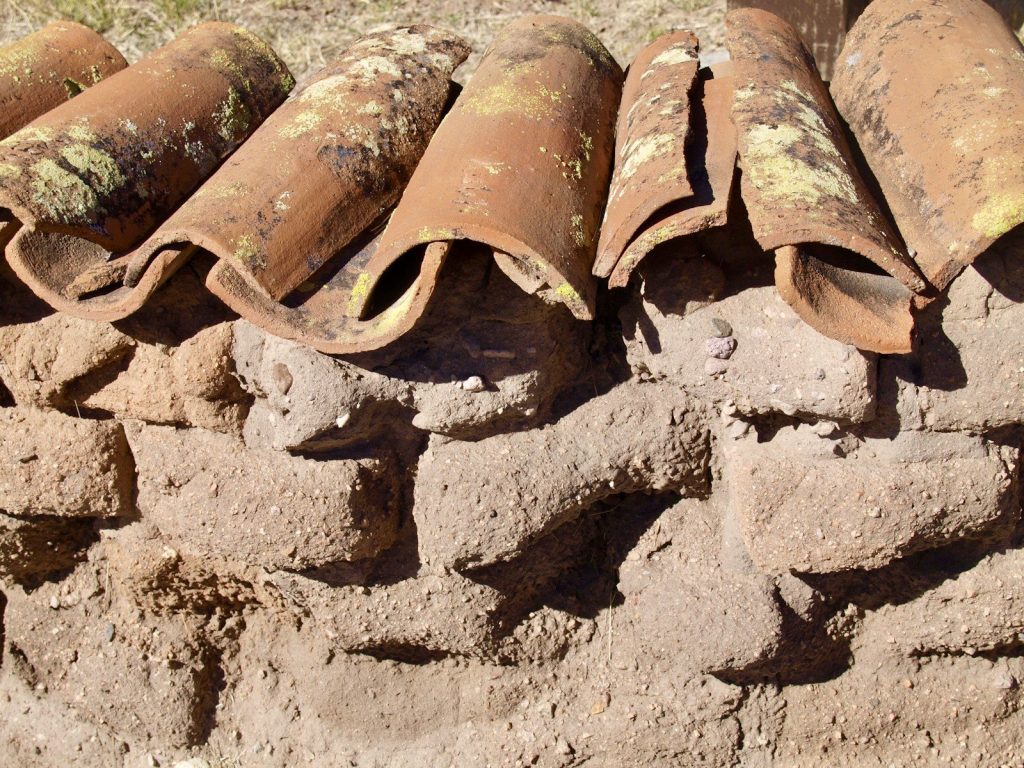
Divers carefully excavated the site to find clues about the origin of the ruins. According to an official archaeological report prepared by Earth Search, researchers recovered several clay roofing tiles. They were manufactured in France. These specific tiles were made in Marseilles between the years 1870 and 1920. But this modern discovery quickly raised a massive chronological problem for the ancient empire legend.
The Forgotten Shipwreck Ballast
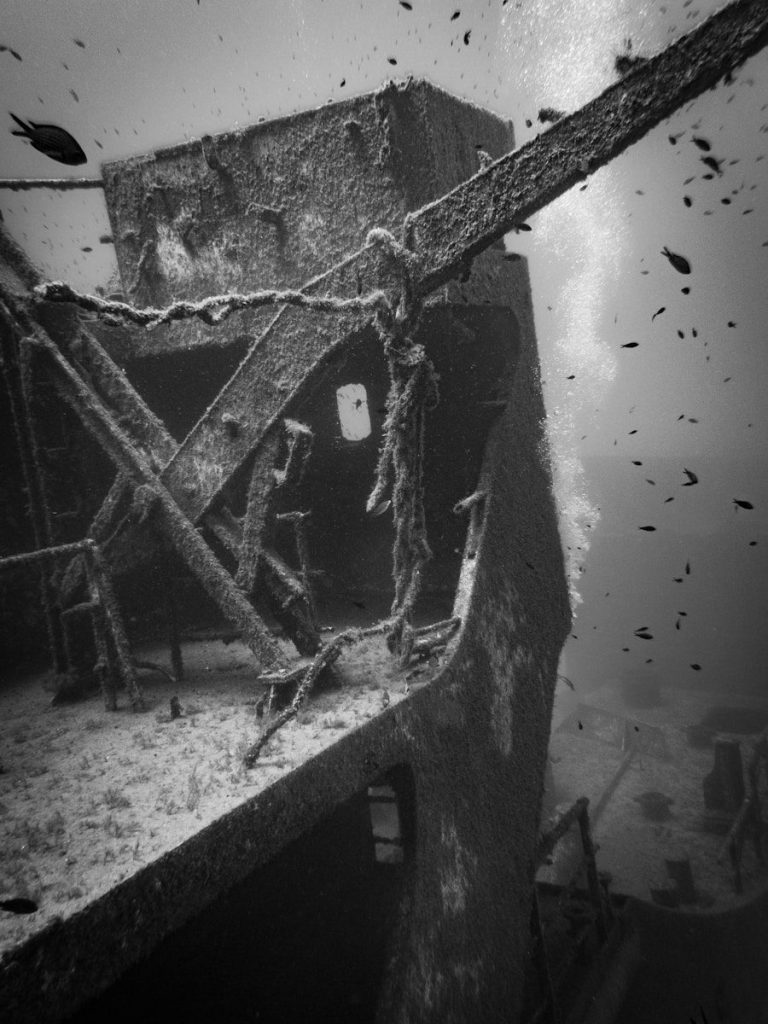
Ships traveling from Europe to New Orleans during the nineteenth century carried heavy stone ballast. According to maritime historians, captains routinely dumped these massive stones before entering shallow river channels. The cargo was heavy. These discarded piles of granite and broken tiles slowly accumulated on the seabed over many decades. Yet, some independent researchers believe a much older secret lies buried beneath this ballast.
An Ancient Delta Native Landscape
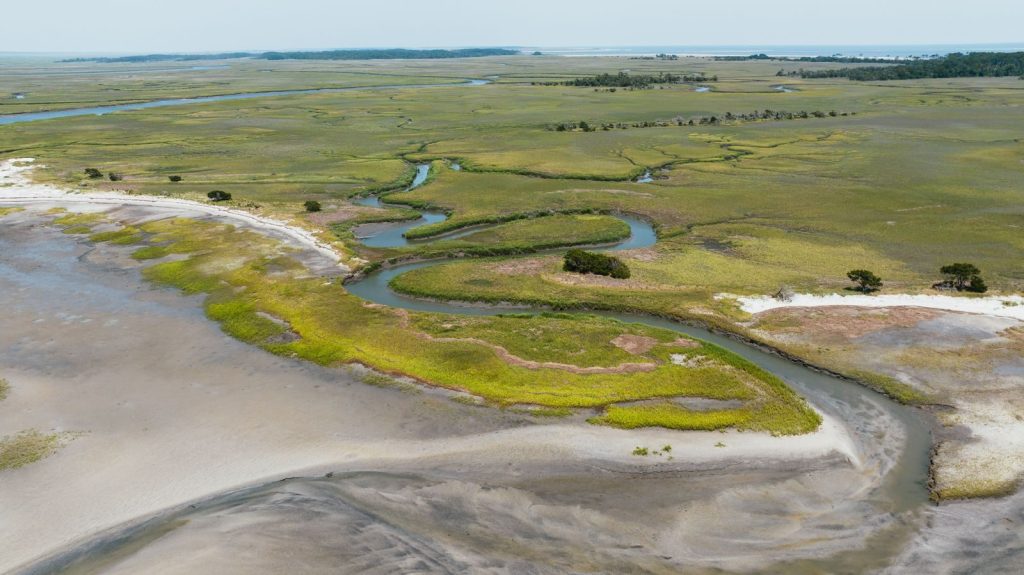
Long before European ships arrived, indigenous peoples inhabited this delta region. According to state archaeologists, ancient cultures built massive earthen mounds and shell structures across southern Louisiana. The earth was shaped. Rising sea levels eventually swallowed many of these coastal native settlements thousands of years ago. But proving any real connection between these massive granite stones and prehistoric builders remains a massive challenge.
The Ghost Ship Of Marseilles
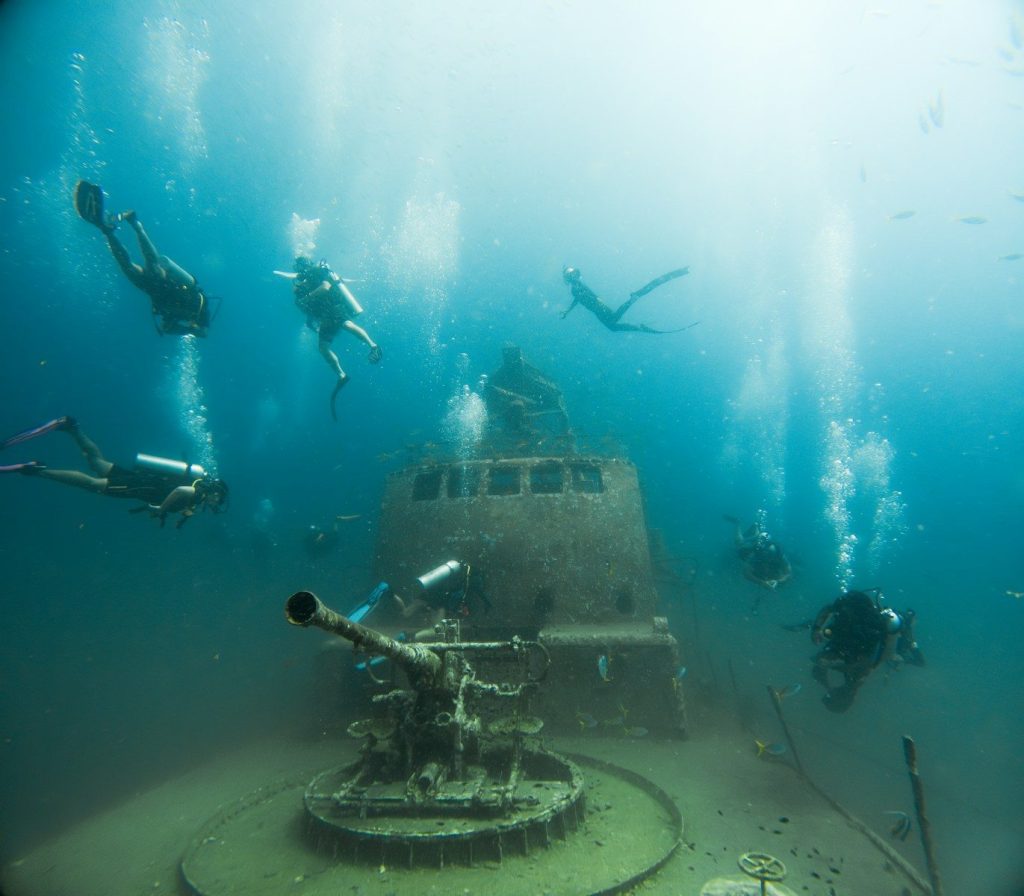
One leading theory suggests the stones and tiles came from a single catastrophic event. According to archival shipping records, a French cargo vessel carrying construction materials sank in this area. It vanished completely. The wreckage of the wooden ship likely rotted away, leaving only the durable granite and clay behind on the seafloor. But locating the buried hull of this lost vessel still requires advanced scanning tools.
The Search For Sunken Timber
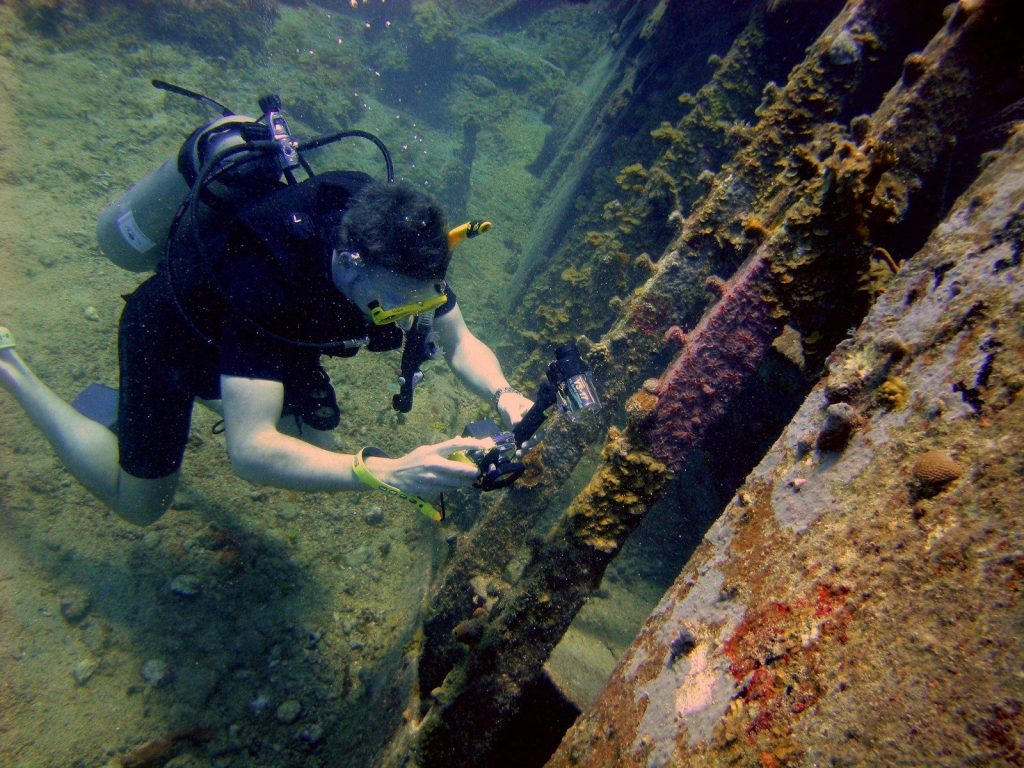
Marine archaeologists plan to scan the seabed around the rock pile for buried metal and wood. According to project directors, they must use magnetometers to locate the iron bolts. The hunt is active. Finding these structural remains would finally solve the mystery of the Louisiana stones once and for all. But for now, the quiet waters of the Gulf of Mexico still hold onto this deep maritime secret.
History Hidden Beneath The Waves
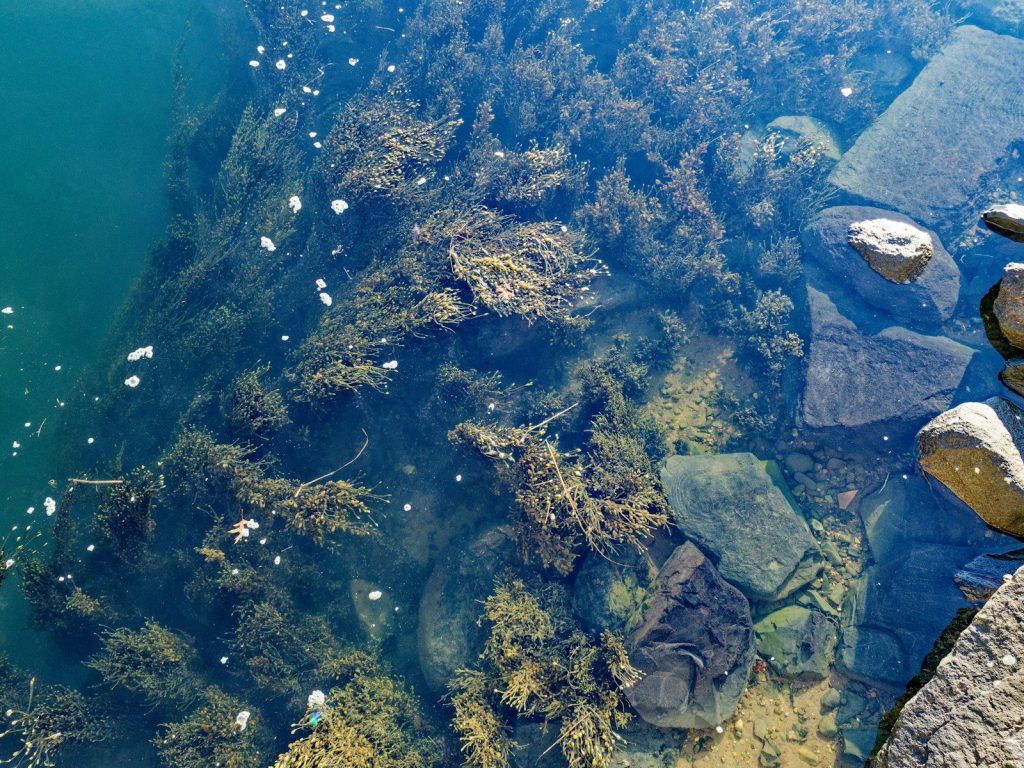
The Chandeleur stones remind us that the ocean floor is a vast graveyard of human history. According to archaeological science, even the most fantastical legends often lead to fascinating historical truths about our maritime past. The deep waters remember. This article is for informational purposes only and does not constitute professional historical advice.
Featured Image: Photo by Harvey Clements on Pexels
Leave a Reply