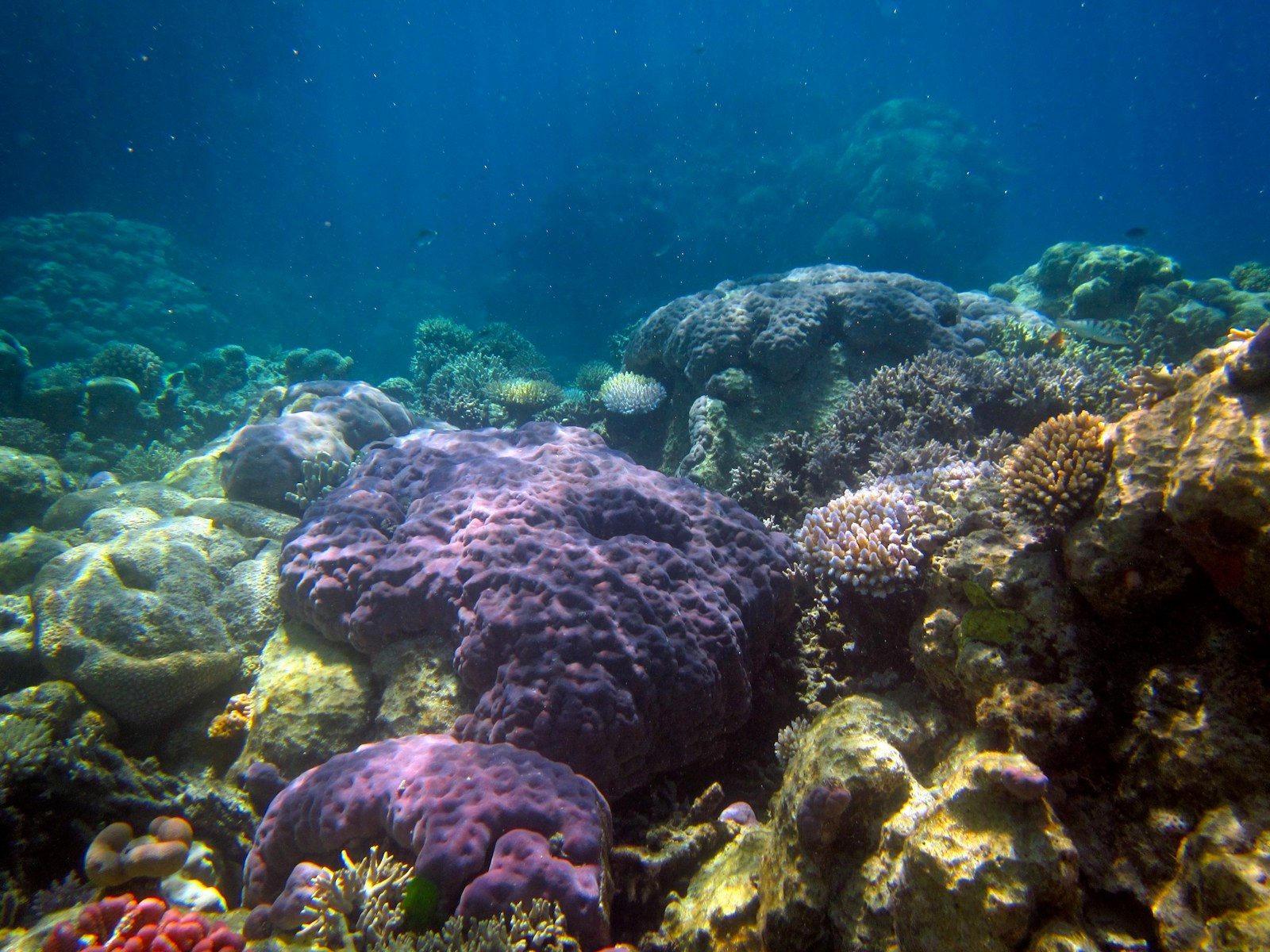
For generations, we assumed that early human species only lived on modern landmasses. We believed that ocean waters had always separated our continents.
But scientists have discovered a massive drowned territory off the Indonesian coast. This vast country was once home to giant beasts and vanished humans.
The Lost Sundaland Tropical Plains
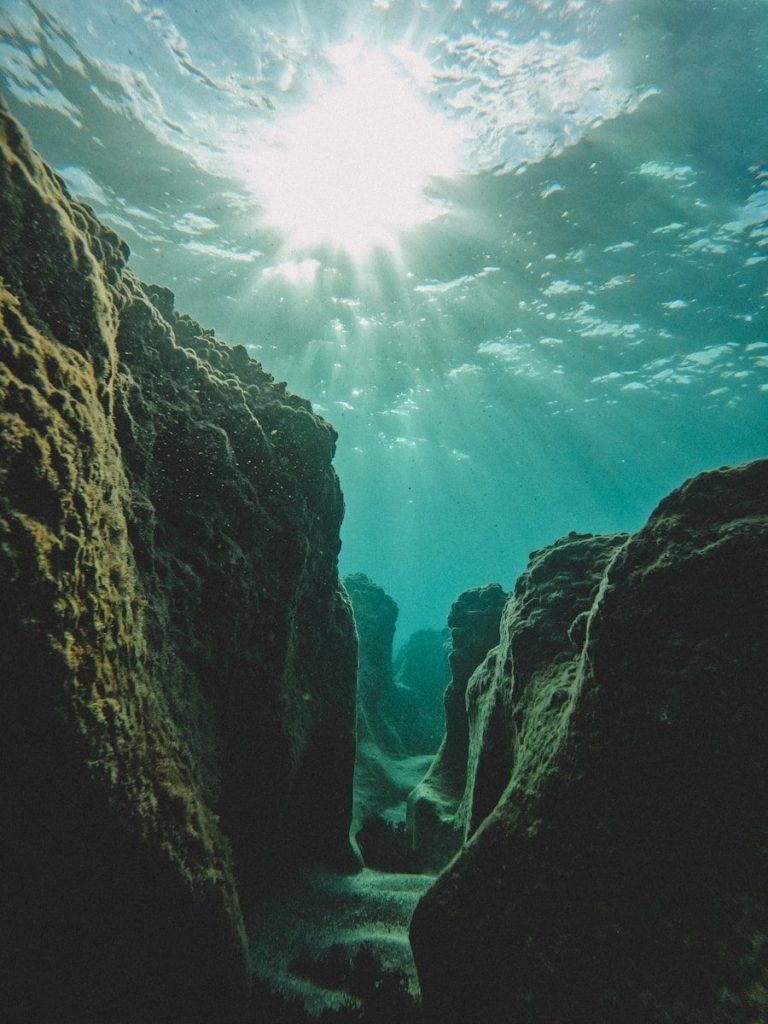
Deep beneath the ocean floor between Java and Madura lies Sundaland. According to geological studies, this region was a vast tropical plain over 140,000 years ago. Sea levels were low. The rapid melting of massive glaciers eventually drowned this entire subcontinent underwater. But the deep ocean sediment managed to preserve a highly spectacular fossilized archive of prehistoric life.
Fossils In The Sand Mines
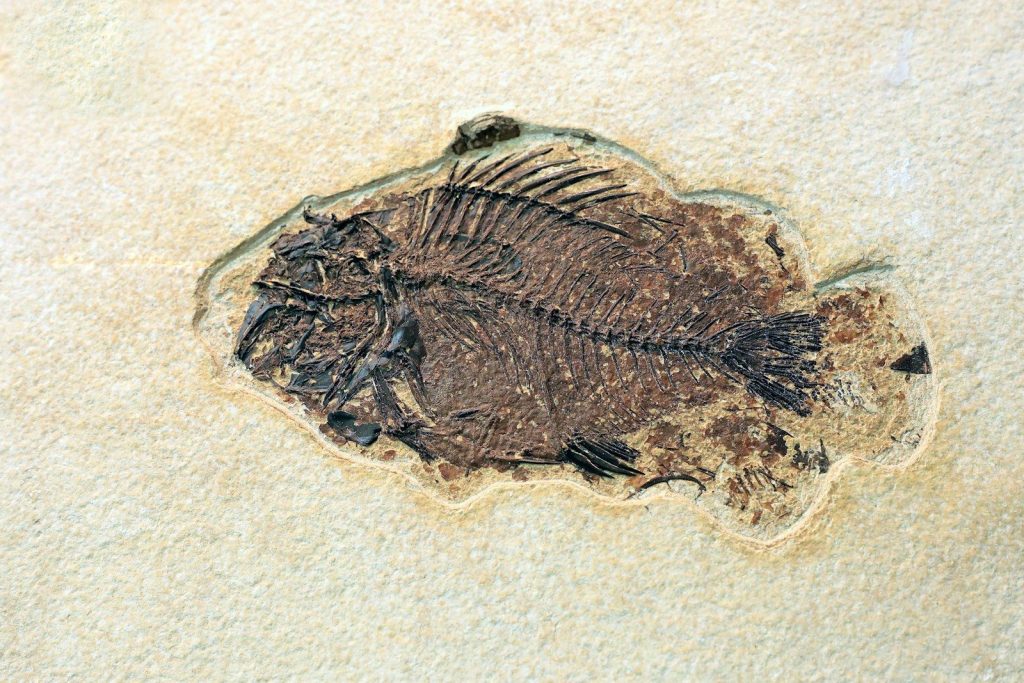
Local sand miners working near Surabaya first discovered this underwater world. According to report details from Leiden University, miners pulled ancient bones out of the seabed. It was pure luck. They handed these mysterious treasures over to scientists who immediately recognized their historical value. Yet, the incredible mass of these prehistoric remains soon left the entire team completely speechless.
The Giants Of Prehistoric Asia
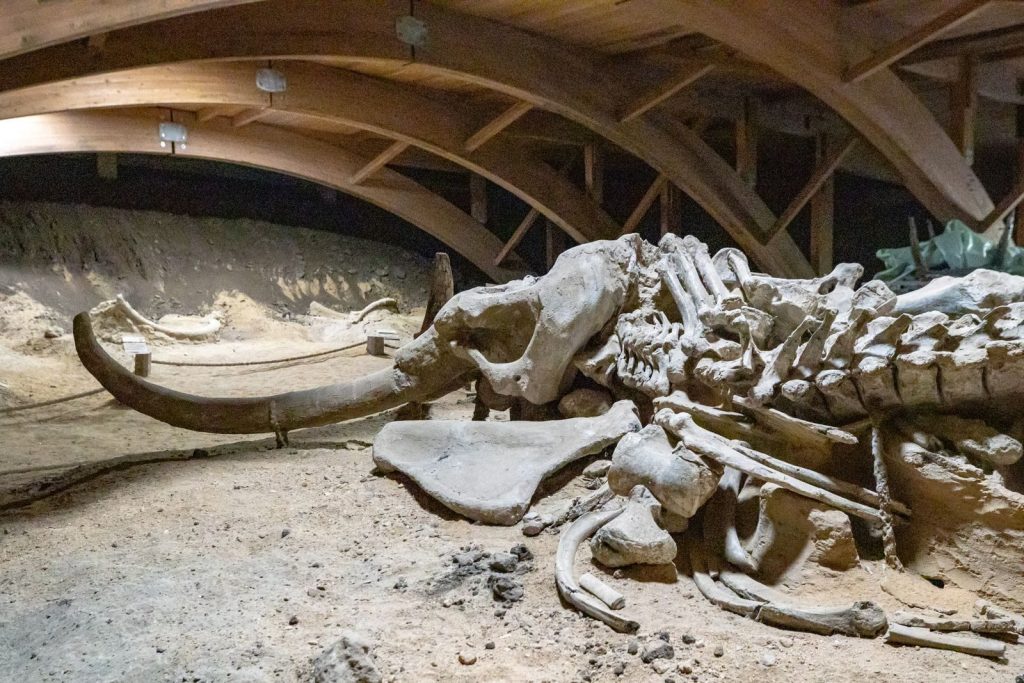
Researchers identified over six thousand animal fossils representing thirty-six different species. According to paleontologists, these included prehistoric elephants, massive buffalo, and giant deer. The beasts were enormous. Giant Komodo dragons also ruled this warm tropical territory alongside these massive plant eaters. But the most significant find was a fragile skull fragment hidden in the sand.
The Ghost Human Species Found
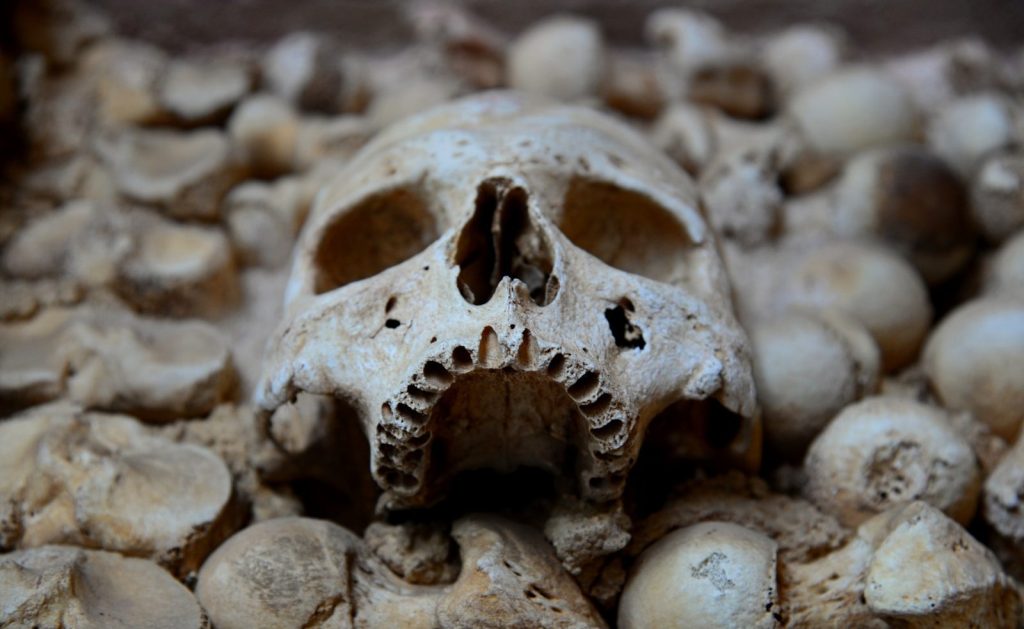
Mixed among the animal bones were fragments of ancient human skulls. According to lead archaeologist Harold Berguis, these ancient skull pieces actually belong to Homo erectus. This species was tough. They survived in Southeast Asia for over a million years before finally going extinct. However, researchers still faced the difficult task of proving exactly when these ancient humans lived there.
Dating The Ancient Lost World

Determining the age of underwater fossils is notoriously difficult. According to dating experts, researchers utilized optical stimulated luminescence technology to analyze the sand. It measures light energy. This technique reveals the exact moment the quartz grains were last exposed to sunlight. But the results of this advanced testing pushed our timeline back even further into the past.
The Shocking Century Calculations
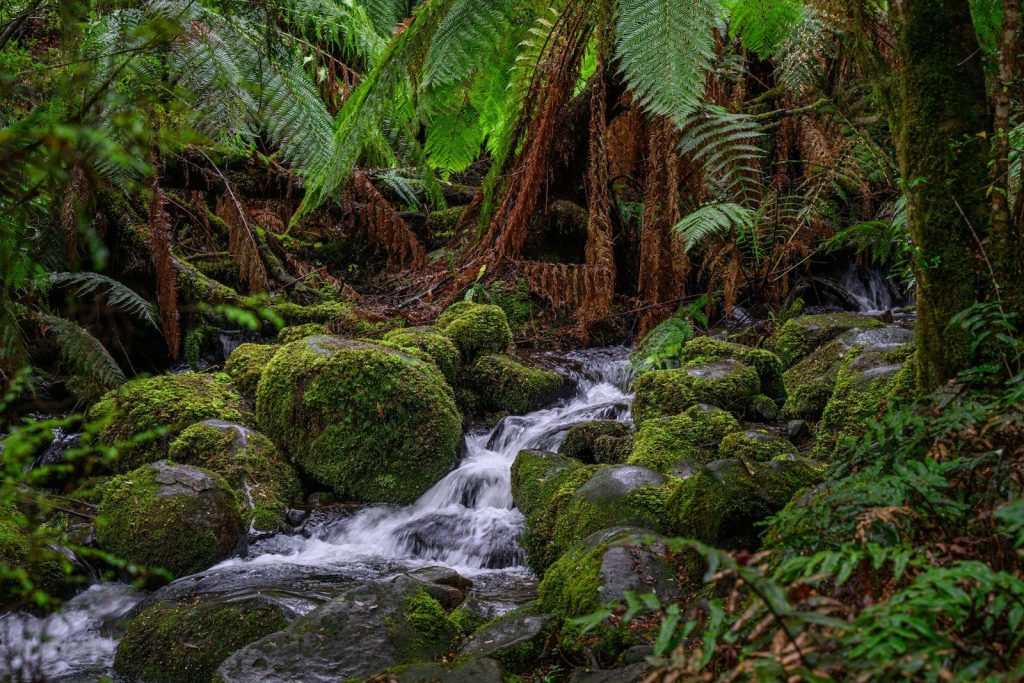
The analysis proved the fossils lay buried between 162,000 and 119,000 years ago. According to the research paper, this matches the peak of a warm interglacial period. The era was lush. This proves that Homo erectus inhabited a rich jungle environment right before the oceans rose. But this drowned prehistoric paradise holds a massive warning for modern humanity.
A Drowned Warning From Nature
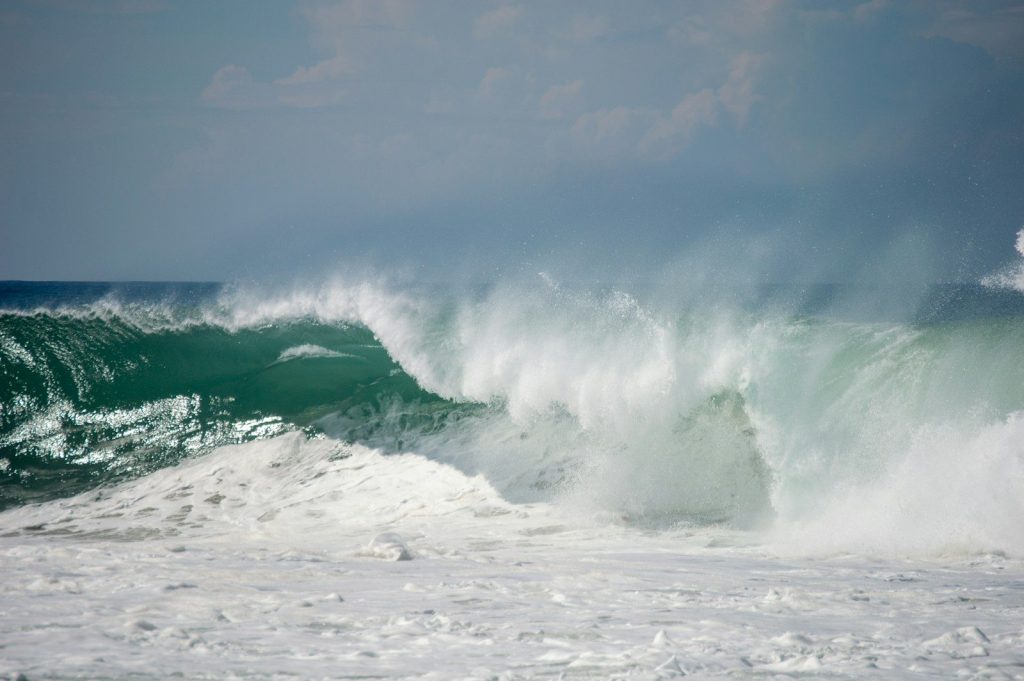
Sundaland shows how rapidly rising sea levels can completely erase entire human habitats. According to climatologists, natural shifts can easily submerge vast coastal regions and change species history. Climate is incredibly powerful. This article is for informational purposes only and does not constitute professional scientific advice.
Featured Image: Photo by Nuraini Arsad on Unsplash
Leave a Reply