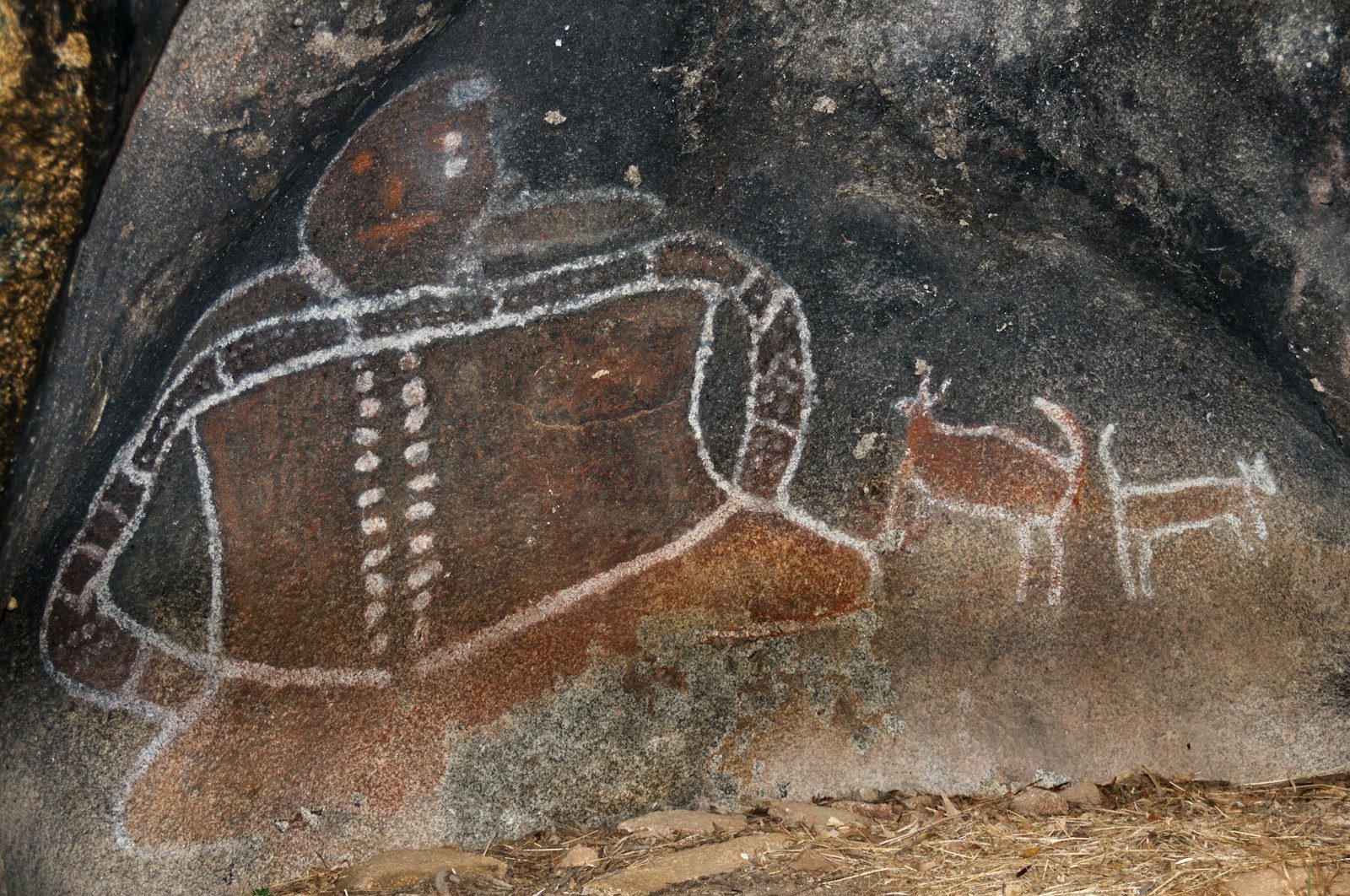
Most people believe that prehistoric cave paintings are just simple drawings of wild animals. We assume our early ancestors merely doodled the creatures they saw.
But a closer analysis of these ancient images has stunned modern researchers. These thirty-thousand-year-old symbols actually contain a highly advanced communication network.
Beyond Simple Drawings
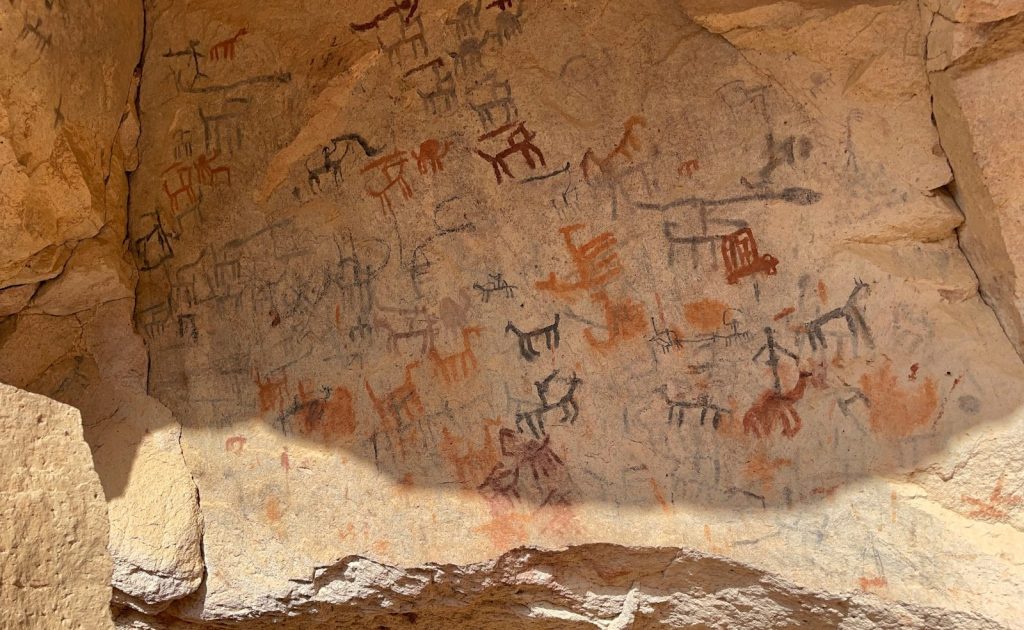
For decades, visitors admired the beautiful horses and mammoths painted onto damp cave walls. Researchers assumed these images served purely artistic or spiritual purposes. According to reports in Archaeological Science, scientists noticed strange dots and lines repeating across separate caves. They were not random. These tiny marks suggested a structured messaging system.
The Repeating Marks
A team cataloged thirty-two distinct geometric signs painted alongside the realistic animal portraits. These identical symbols appeared in dozens of isolated shelters across the entire continent. According to cognitive archaeologists, these markers represent a shared communication system used for thousands of years. The signs were identical. This consistency points to a highly organized language structure.
An Early Calendar
The specific placement of the dots and lines aligns perfectly with regional seasonal changes. Our ancestors needed to track the movements of animal herds and changing weather patterns. According to researchers at Durham University, the markings represent an early lunar calendar system. It was incredibly clever. But these signs also tracked a deeper biological cycle.
These Marks Next
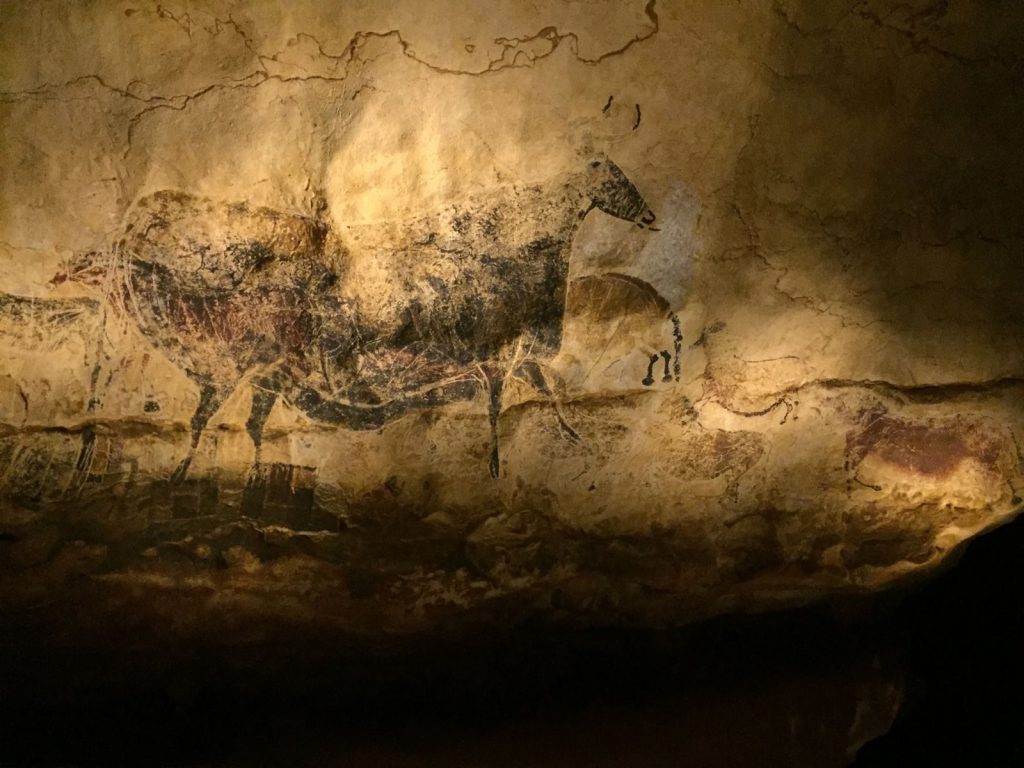
These marks next to specific animals correspond to their exact mating and birthing seasons. This critical biological data allowed early hunters to plan their migrations perfectly. According to evolutionary biologists, the paintings show a deep understanding of animal life cycles. They were expert observers. Yet, this code was shared over vast geographical distances.
The Stone Age Web
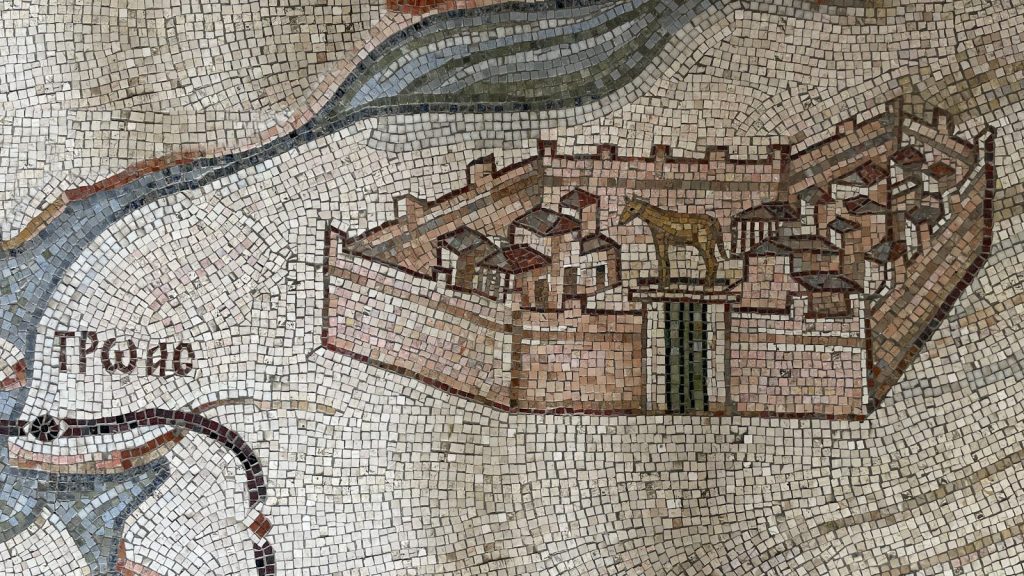
The presence of the same signs across distant regions proves that early groups kept close contact. They shared this sophisticated writing system through vast trade networks during the Ice Age. According to historical linguists, these markings are the oldest form of graphic communication ever found. Connections spanned hundreds of miles. But the origins of this code go even deeper.
Such Complex Symbols
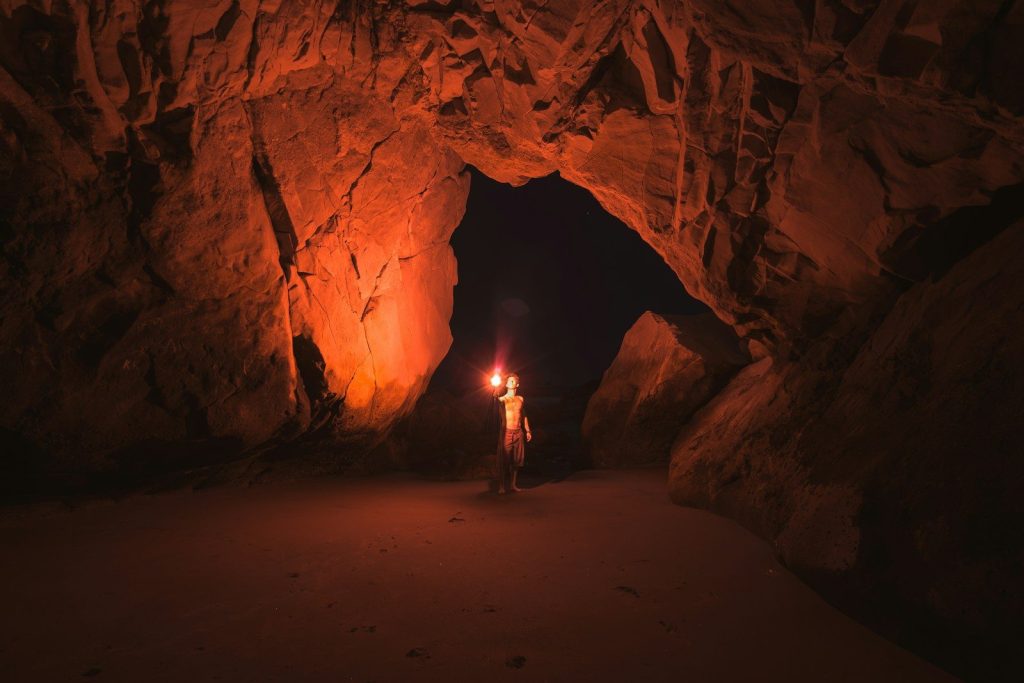
Such complex symbols appeared inside the deepest and most dangerous chambers of the cave networks. Artists risked their lives to paint these vital messages using primitive fat lamps. According to cave explorers, the placement indicates that the data was highly sacred and guarded. Secrets lay in darkness. This mysterious system completely changes our understanding of human intelligence.
Replotting Human History
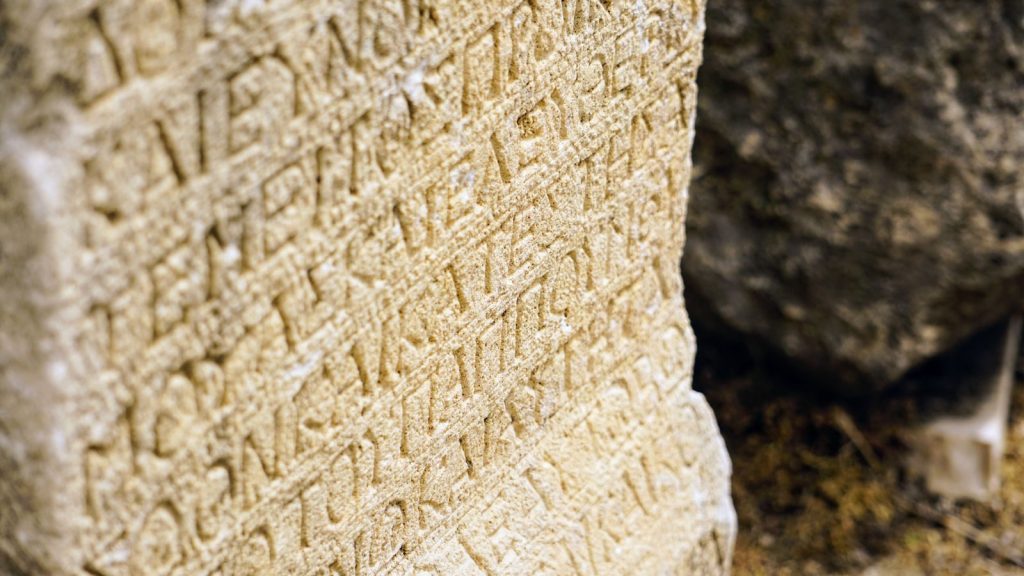
The discovery of this prehistoric code proves that our early ancestors possessed highly advanced minds. They did not just paint what they saw; they actively recorded complex science. According to anthropologists, these cave markings are the true foundation of human writing. This article is for informational purposes only.
Featured Image: Photo by René Riegal on Unsplash
Leave a Reply