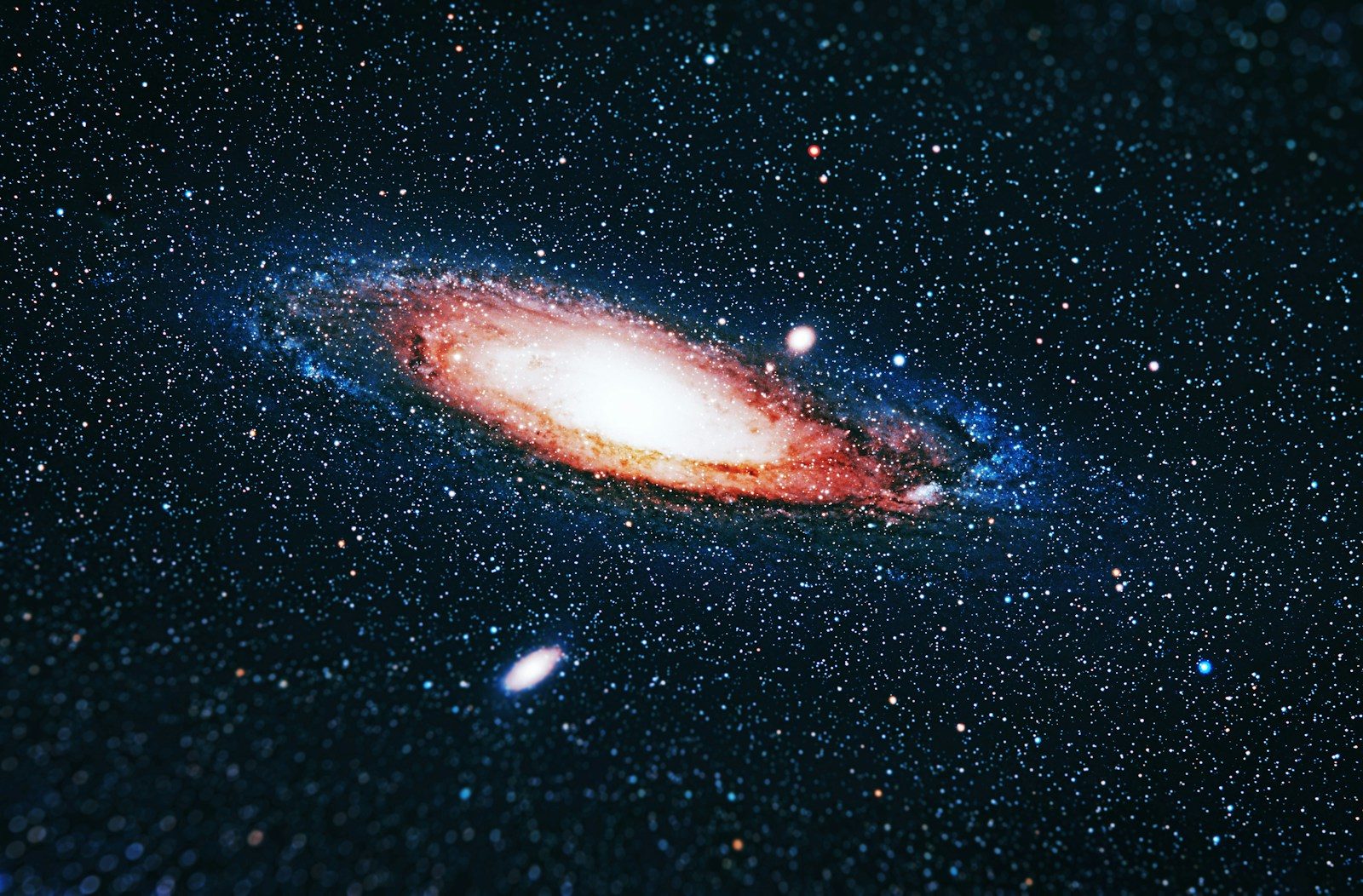
Space enthusiasts believe that deep universe images only bring feelings of wonder and awe. We assume that looking into distant galaxies simply reveals beautiful clusters of quiet stars.
But an incredible new deep space transmission has left astronomers feeling deeply unsettled. This high-resolution view of the early universe challenges our fundamental understanding of cosmic time.
The Impossible Galaxies
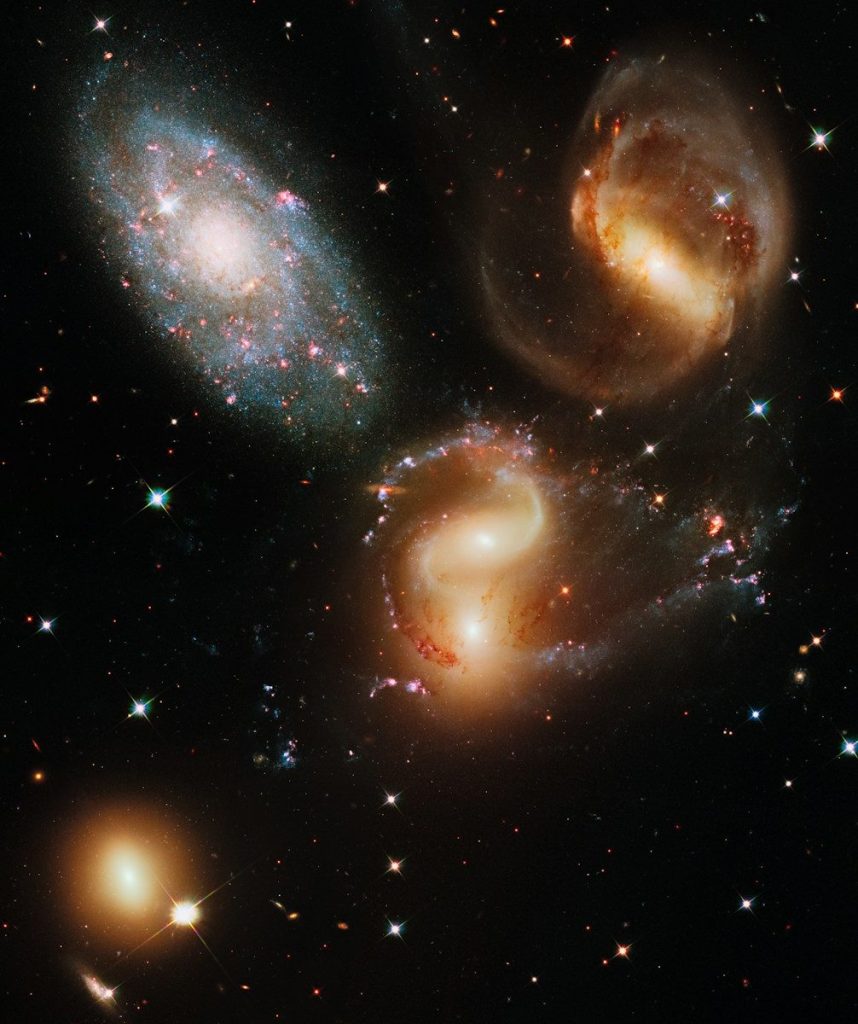
The James Webb Space Telescope recently captured a cluster of massive galaxies from the dawn of time. According to cosmic models, these structures should not exist so early in the universe’s history. According to a report in Nature, these massive star systems developed in just a few hundred million years. They grew too fast. This sudden cosmic growth challenges our most trusted astronomical theories.
Shattering Old Theories
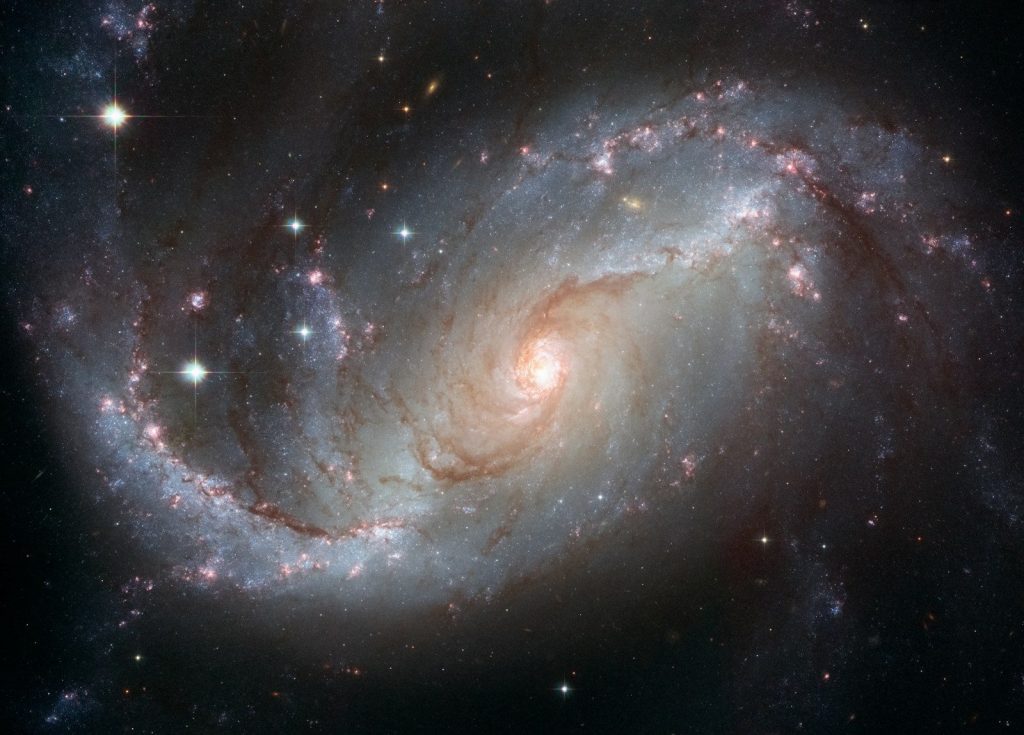
Astronomers previously believed that early galaxies started as small, chaotic clouds of gas and dust. They assumed these clouds took billions of years to merge into structured spiral shapes. According to researchers at the University of Texas, the new images reveal perfectly formed grand design spirals. Theories are collapsing. This structural perfection points toward a strange alternative power source.
Cosmic Dark Stars
Some researchers believe these giant early objects are not normal galaxies at all. They suggest massive dark matter cores actually power these bright points. According to theoretical physicists, these hypothetical dark stars could be millions of times larger than our Sun. They are colossal. If this theory holds true, we must look more closely at the dark dust clouds nearby.
Hidden Dust Monsters
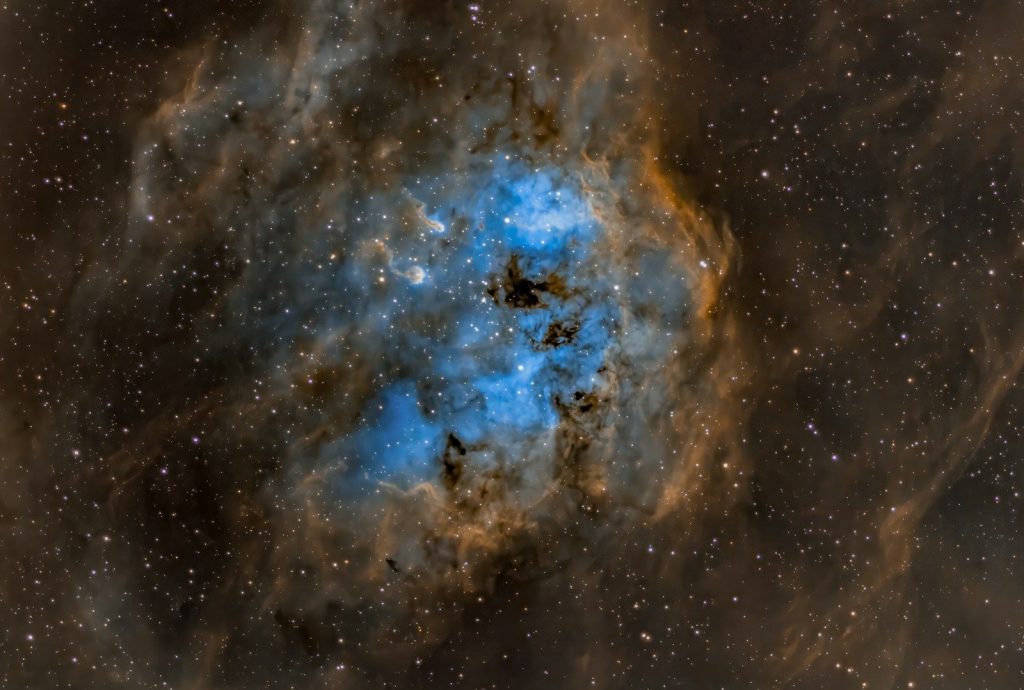
Behind the brilliant starlight lies another mystery that infrared cameras are only now exposing. Giant clouds of cosmic dust hide active, supermassive black holes in the early universe. According to reports from the European Space Agency, these black holes are swallowing surrounding matter at an impossible rate. They are hungry. This aggressive feeding pattern forces us to look into the massive voids between them.
The Cold Space Void
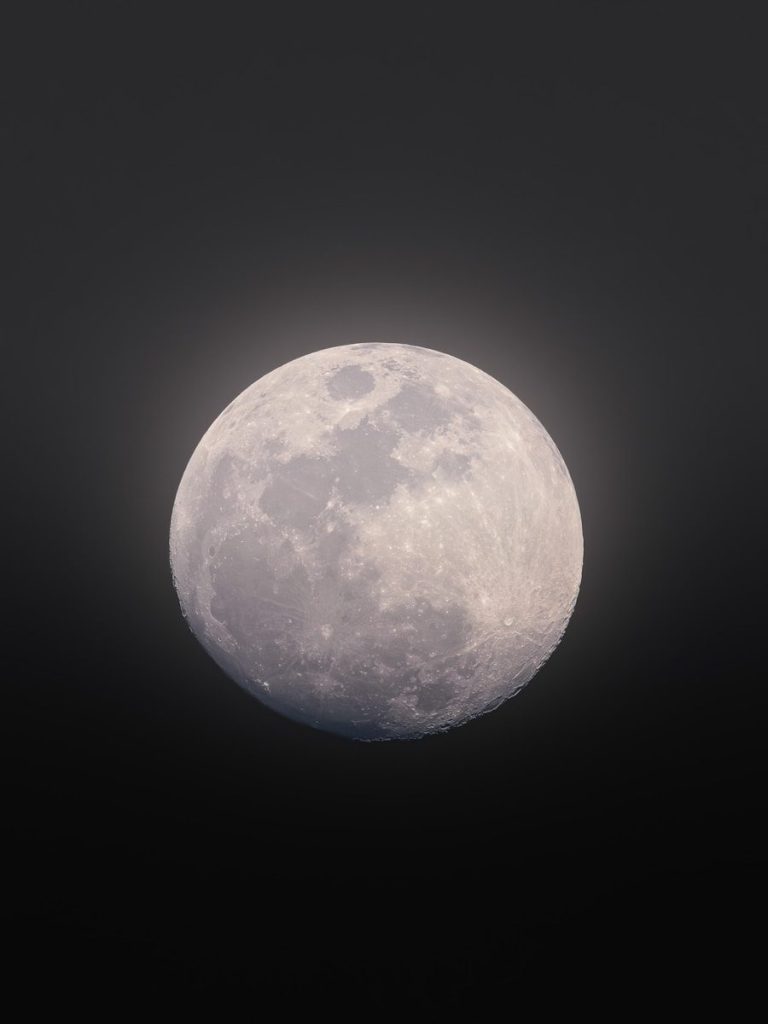
Between these massive structures lies a chilling, empty silence that stretches for billions of light-years. Space looks peaceful but holds extreme forces that can tear molecules apart. According to astrophysicists, studying this vast cold void helps us calculate the expansion rate of the universe. The gap is widening. This accelerating expansion points toward a faint signal from the cosmic dawn.
Cosmic Dawn Signals
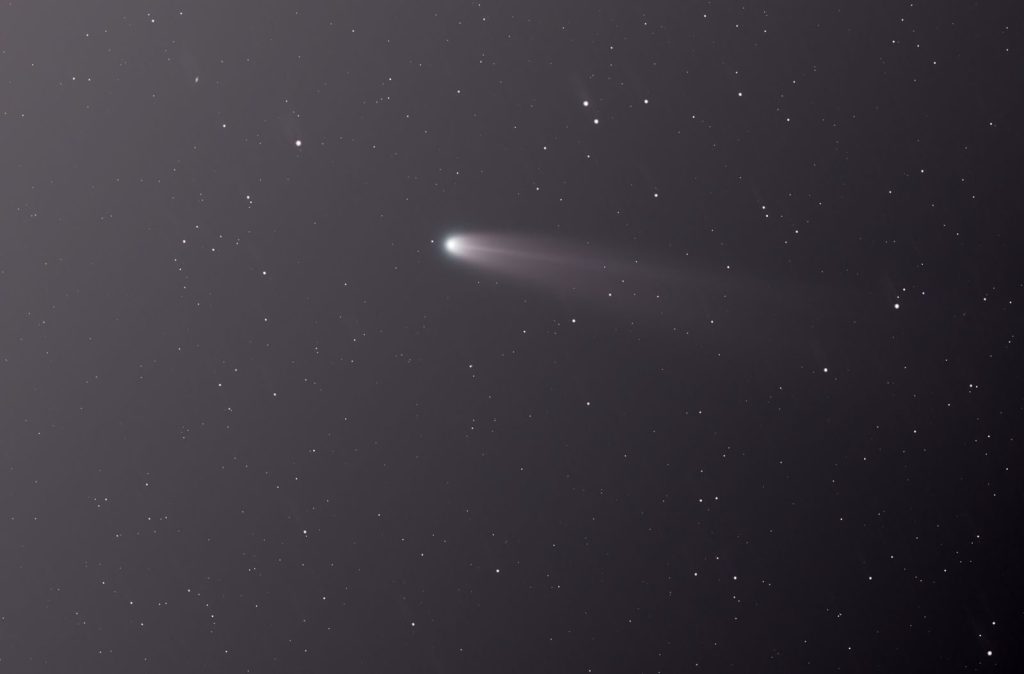
The telescope captured infrared light that traveled across the expanding universe for over thirteen billion years. Astronomers saw this light stretch out as it traveled through the growing fabric of space. According to NASA, analyzing these stretched wavelengths allows us to see the very first stars ignite. The signal is faint. But this ancient light guides astronomers toward even darker targets.
Hunting The Unknown
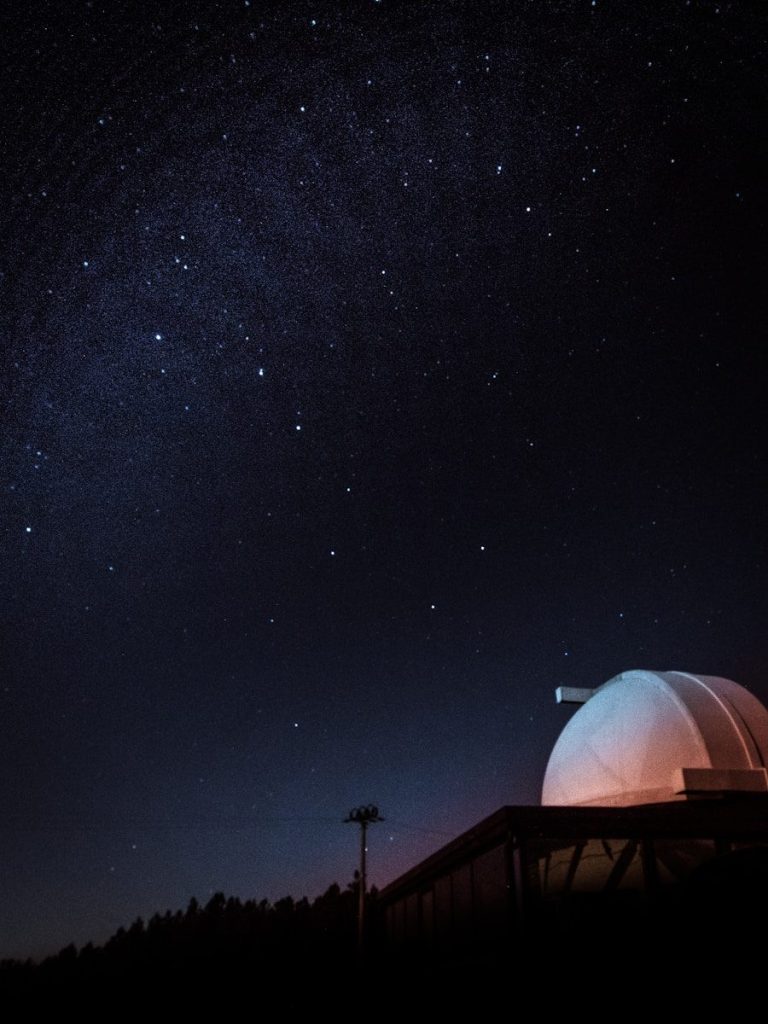
Astronomers are now pointing the telescope toward even darker patches of the sky to find the edge of time. They want to witness the exact moment the universe transitioned from darkness to light. According to planetary researchers, each new deep field image reveals structures that challenge our physics. The search continues. Each discovery forces us to reflect on our own tiny home.
Our Fragile Place
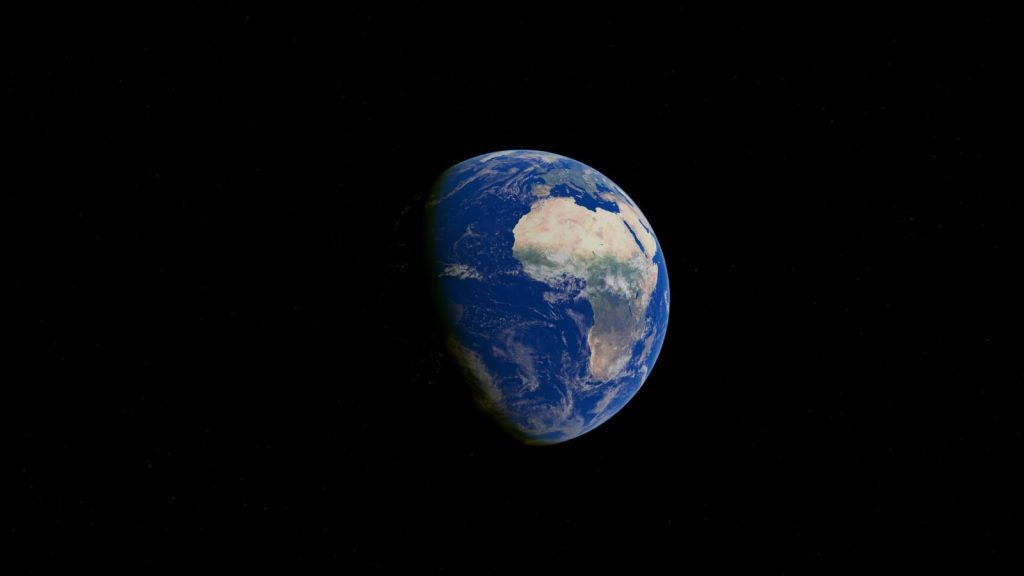
The mind-bending scale of these early galaxies reminds us of our tiny place in the universe. We are looking back in time to see our own cosmic origins. According to astronomers, the universe is far more active and mysterious than we ever imagined. This article is for informational purposes only.
Featured Image: Photo by Олег Мороз on Unsplash
Leave a Reply