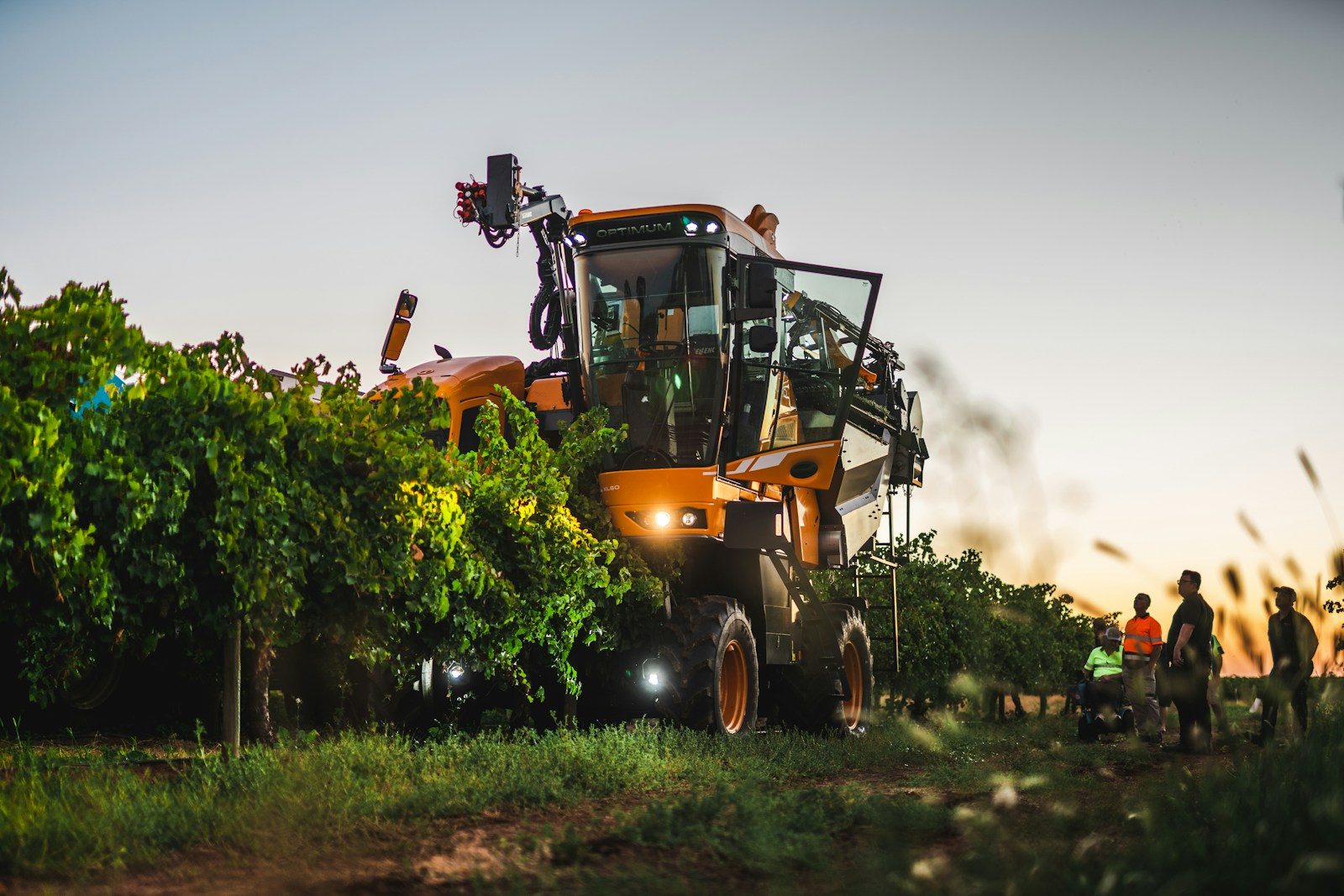
Most people believe that harvesting delicate fresh fruit requires an absolute human touch. We assume that only human eyes can spot a perfectly ripe apple in a crowded orchard.
But a new wave of highly advanced autonomous machines is proving this assumption wrong. These gentle giants use artificial intelligence to harvest delicate crops at a relentless pace.
Gentle Steel Fingers
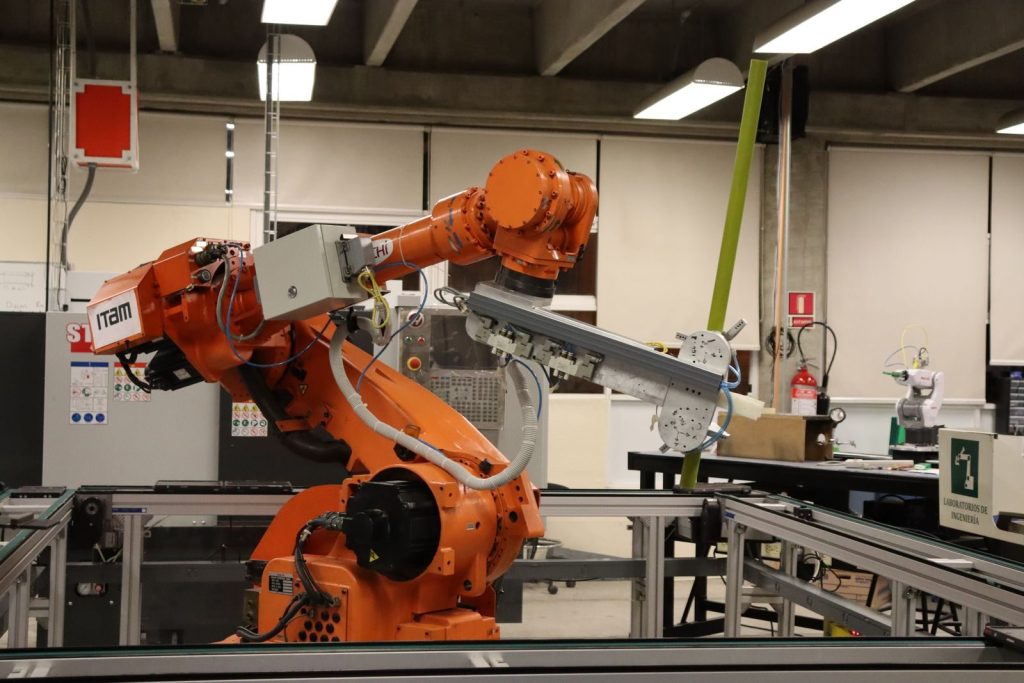
Robots traditionally handle heavy steel parts rather than soft agricultural produce. Standard robotic claws would easily crush a ripe piece of fruit during harvest. According to design reports from Fieldwork Robotics, engineers solved this issue by building custom rubber suction grippers. Touch became delicate. But plucking the fruit first requires the robot to find it among the leaves.
Artificial Sight Breakthrough

A machine cannot pick fruit if it cannot distinguish a red apple from a green leaf. Engineers solved this problem by training neural networks on millions of orchard images. According to a study in Computers and Electronics in Agriculture, these cameras calculate ripeness in milliseconds under any weather condition. They are incredibly smart. This advanced vision allows the robot to work continuously after dark.
Constant Night Shifts

Human pickers must stop working when the sun sets, and the orchard goes dark. Autonomous machines do not require daylight to locate and harvest crops. According to agricultural analysts, these robots use custom infrared sensors to harvest fruits continuously through the night. They never sleep. This non-stop harvesting helps farm owners solve a critical economic challenge.
The Farming Crisis
Farmers worldwide face massive labor shortages that threaten to rot entire fields of crops. Rising costs and changing migration laws make finding seasonal workers extremely difficult. According to the Western Growers Association, robotic harvesting offers a vital safety net for struggling farm owners. Solutions are urgent. This growing economic pressure pushes farmers to collect deeper insights about their crops.
Mapping The Orchard
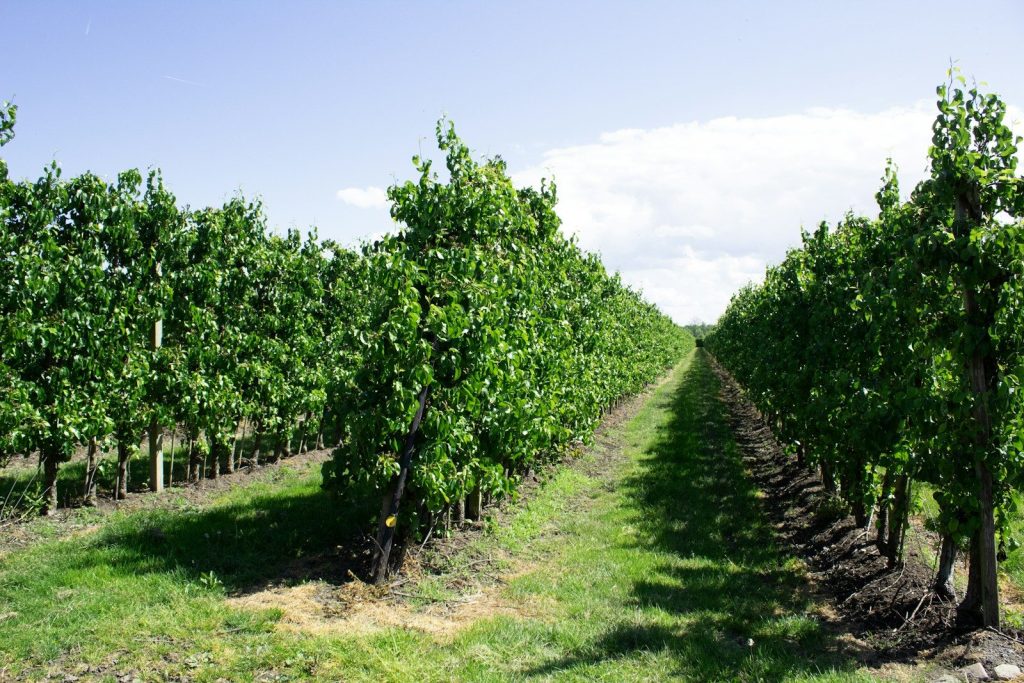
These advanced robots do not just pick fruit. They also gather massive amounts of agricultural data as they roll through the trees. According to research from Washington State University, onboard systems map the yield of each individual tree in real time. Data is power. This precise crop data helps the machine sort the harvest in real time.
High Tech Sorting
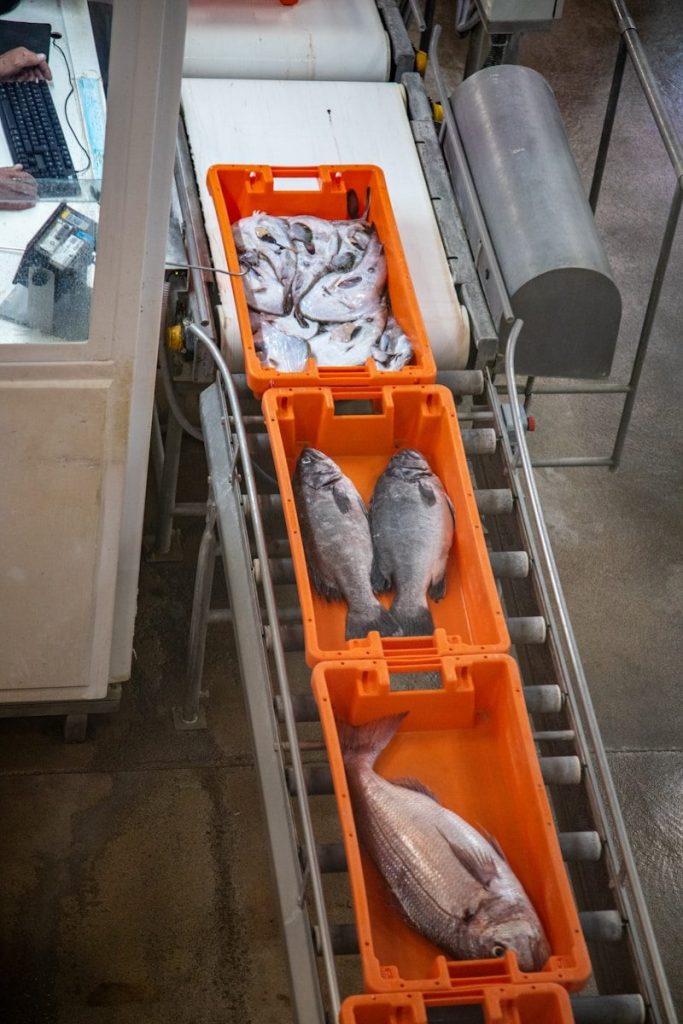
Once the machine plucks the fruit, it must sort the harvest immediately to prevent decay. Onboard sorting systems categorize the produce based on size, weight, and minor surface blemishes. According to technology reports, this immediate sorting cuts down on packing house transport times significantly. Speed is key. This automated efficiency points toward a fully autonomous future for global agriculture.
The Autonomous Harvest
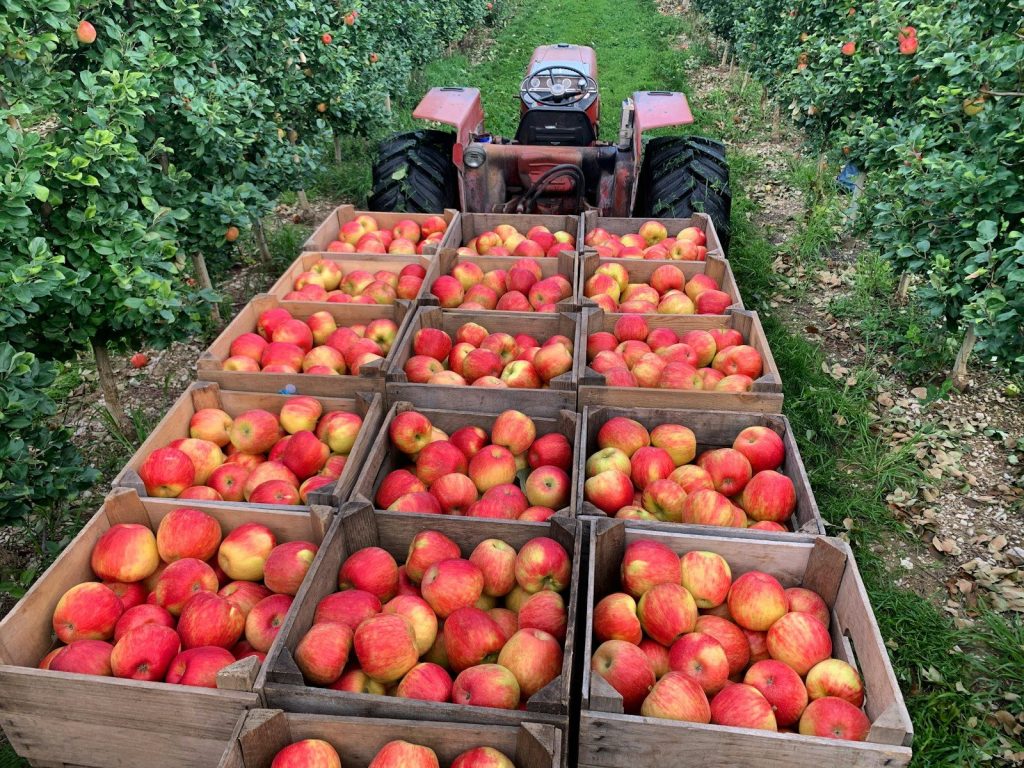
The rise of agricultural robotics proves that artificial intelligence is moving far beyond computer screens and entering our physical world. These machines are helping to secure our global food supply. According to agricultural economists, automation will soon become the standard for modern farming. This article is for informational purposes only.
Featured Image: Photo by Zac Edmonds on Unsplash
Leave a Reply