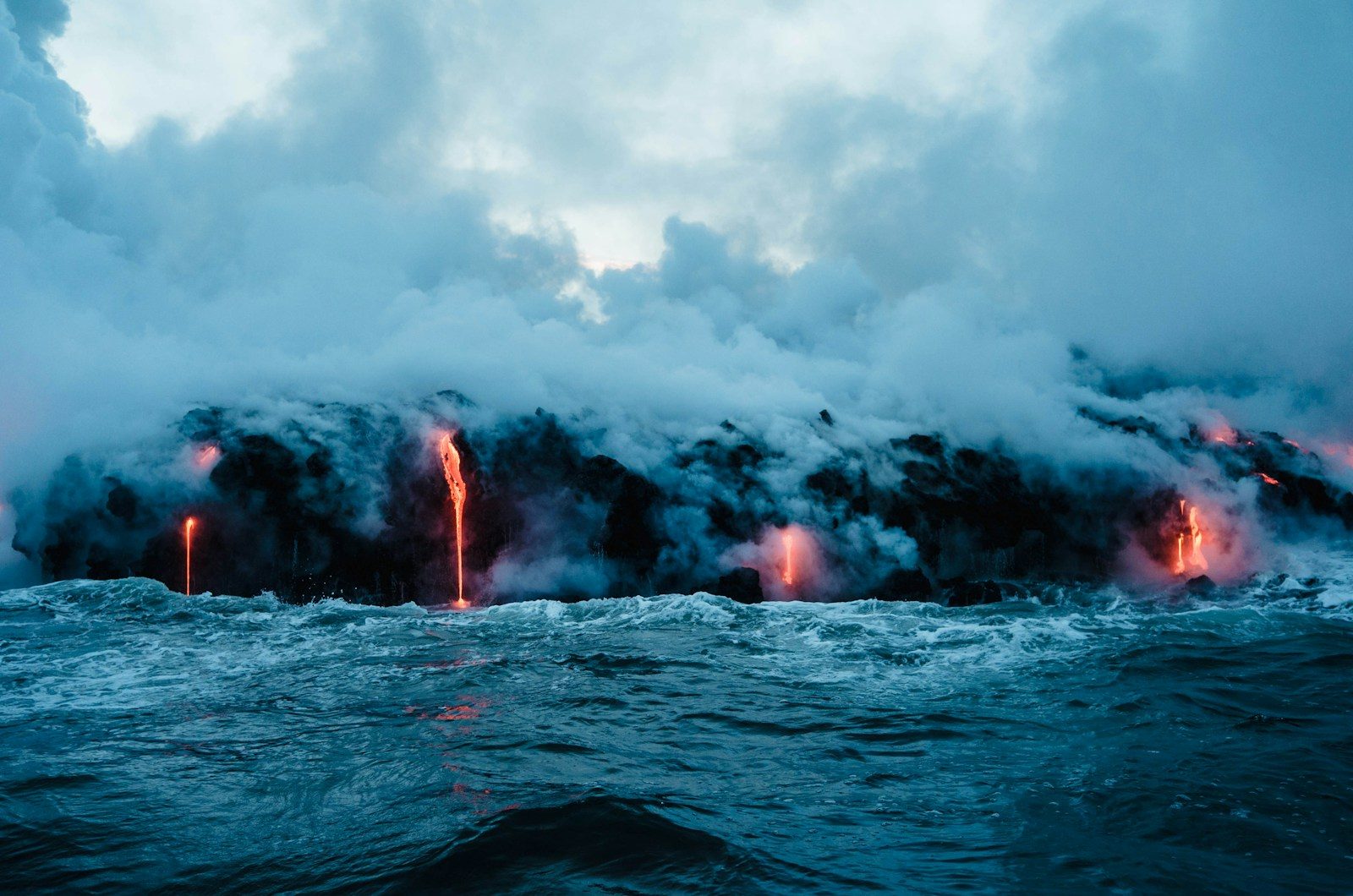
Most people assume that our planetary geography remains permanently fixed and stable. We believe that continents and oceans stay in their current places forever.
But a massive forty-thousand-kilometer fault line is actively tearing the planet apart. This colossal subterranean crack is preparing to shift entire continents.
The Ring Of Fire

This massive fault line forms a giant horseshoe shape around the basin of the Pacific Ocean. It is known as the Ring of Fire. It is highly active. According to reports from the United States Geological Survey, over ninety percent of all global earthquakes occur along this path. The ground is constantly moving. But this seismic activity is building toward a massive shift.
Rising Deep Pressures
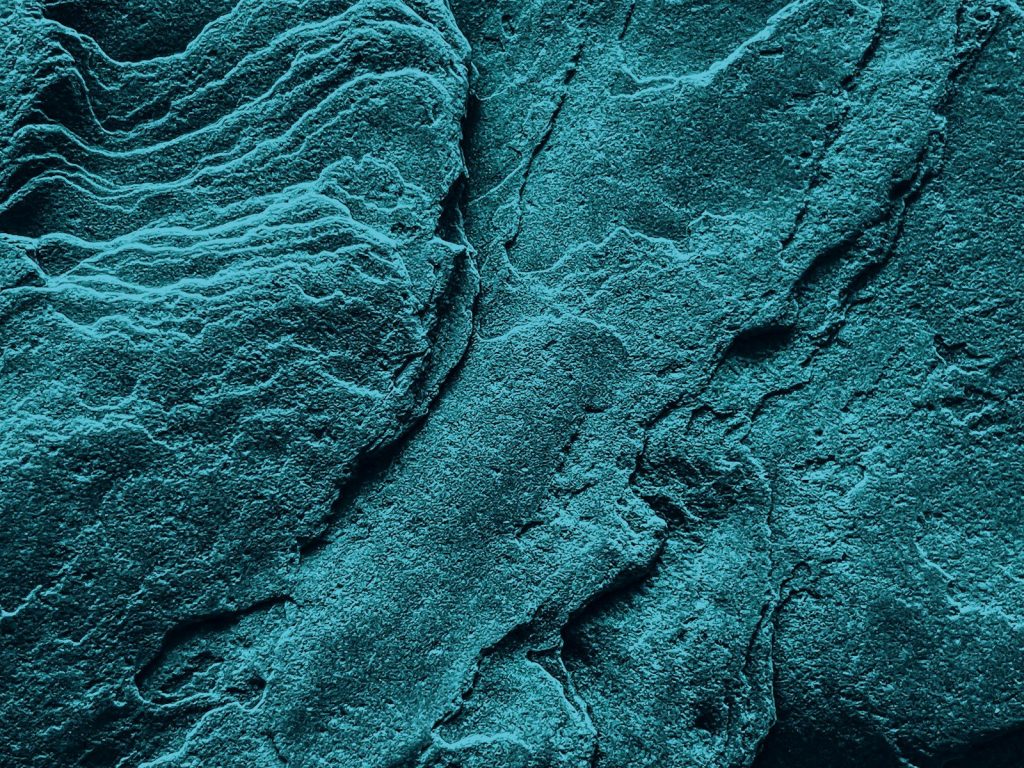
Deep beneath the ocean floor, tectonic plates are constantly colliding and sliding under each other. This subduction process creates unimaginable heat and mechanical friction. Tension is rising. According to geophysicists, the rocks are warping under this extreme pressure. They are storing vast amounts of energy like a coiled spring. Yet, this pent-up force can trigger a sudden disaster.
The Megathrust Threat

The fault line is capable of producing megathrust earthquakes that can instantly shake entire nations. These massive slips displace billions of tons of seawater. They are devastating. According to studies in Nature Geoscience, these seismic events generate giant tsunamis that travel across oceans at jet speeds. A single slip can redefine coastlines. But this geological movement is also reshaping the ocean floor.
Building New Mountains
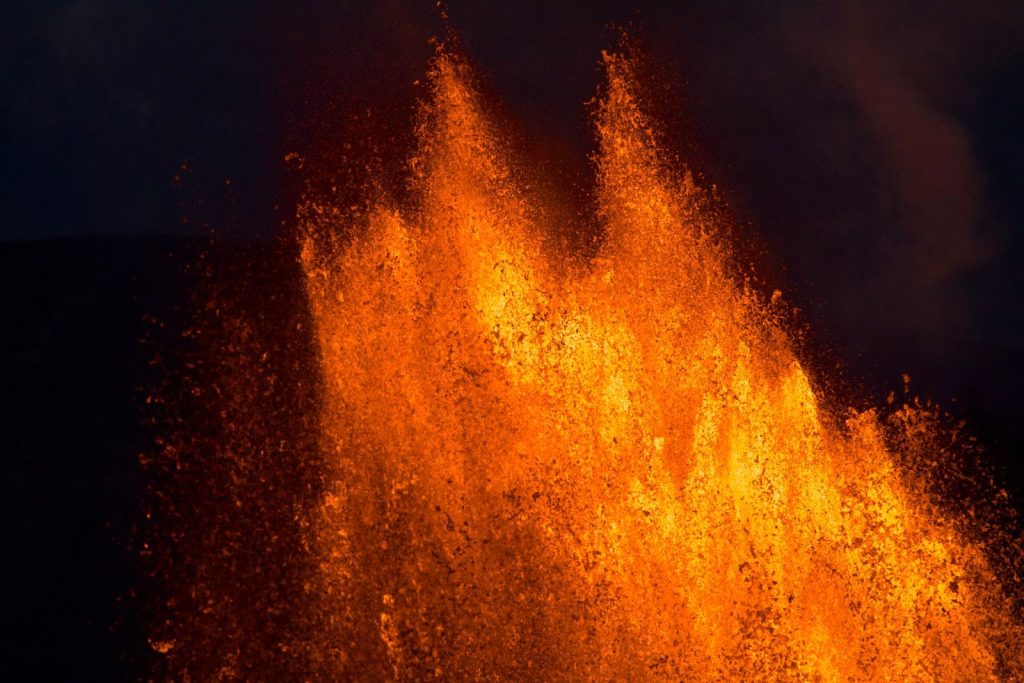
As the Pacific plate slides deeper into the mantle, it melts and rises back as magma. This recycling process builds massive underwater volcanic chains. They are growing. According to oceanographers, these submarine volcanoes eventually break the surface to create brand new island chains. Hawaii is a prime example. However, this volcanic growth is shrinking the ocean itself.
A Shrinking Ocean

The Pacific Ocean is actually losing several centimeters of width every single year. Tectonic plates are pushing the surrounding continents closer together. America is moving west. According to geological models, the Atlantic Ocean is expanding while the Pacific is slowly closing. This slow drift will eventually merge the continents into a single supercontinent. But this planetary transformation will take millions of years.
Monitoring The Depths
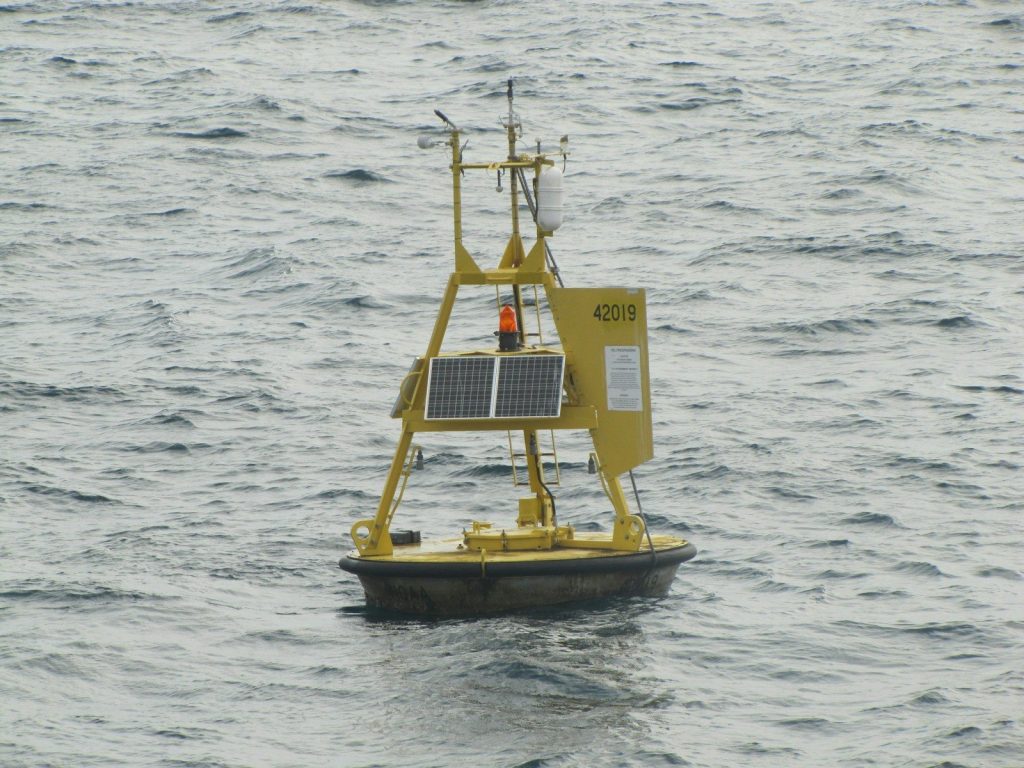
Scientists are deploying advanced acoustic sensors to listen to the shifting seabed in real time. They want to predict when the next major rupture will occur. They are listening. According to the National Oceanic and Atmospheric Administration, these deep hydrophones pick up subtle tectonic groans before a slide. This warning system could save millions of lives. But the power of Earth remains completely uncontrollable.
Our Shifting Planet
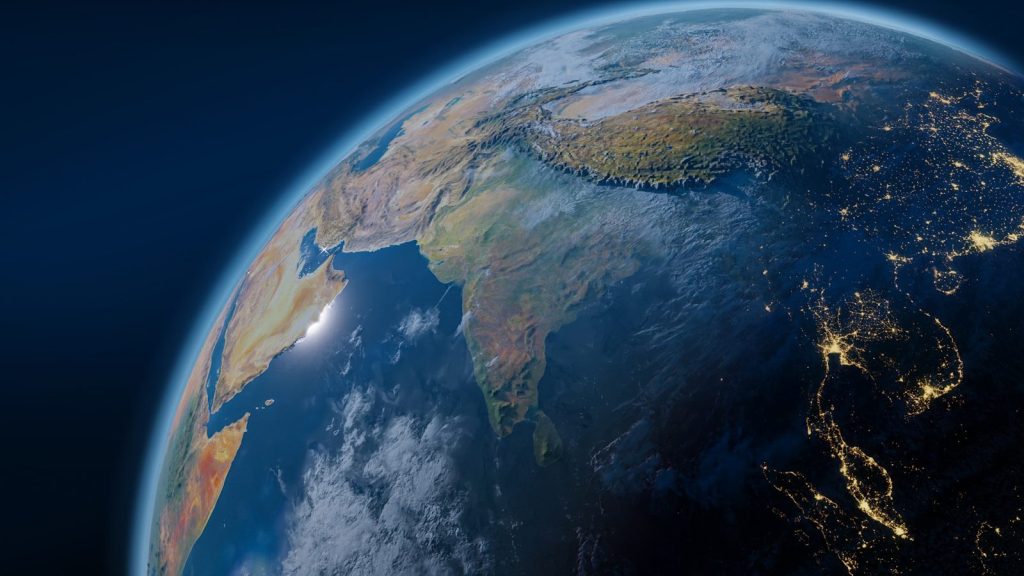
The massive fault line reminds us that Earth is a dynamic and living planetary system. Continents will continue to drift, and oceans will reshape themselves over time. Change is inevitable. According to geologists, humanity must adapt to these natural cycles to survive. This article is for informational purposes only.
Featured Image: Photo by Buzz Andersen on Unsplash
Leave a Reply