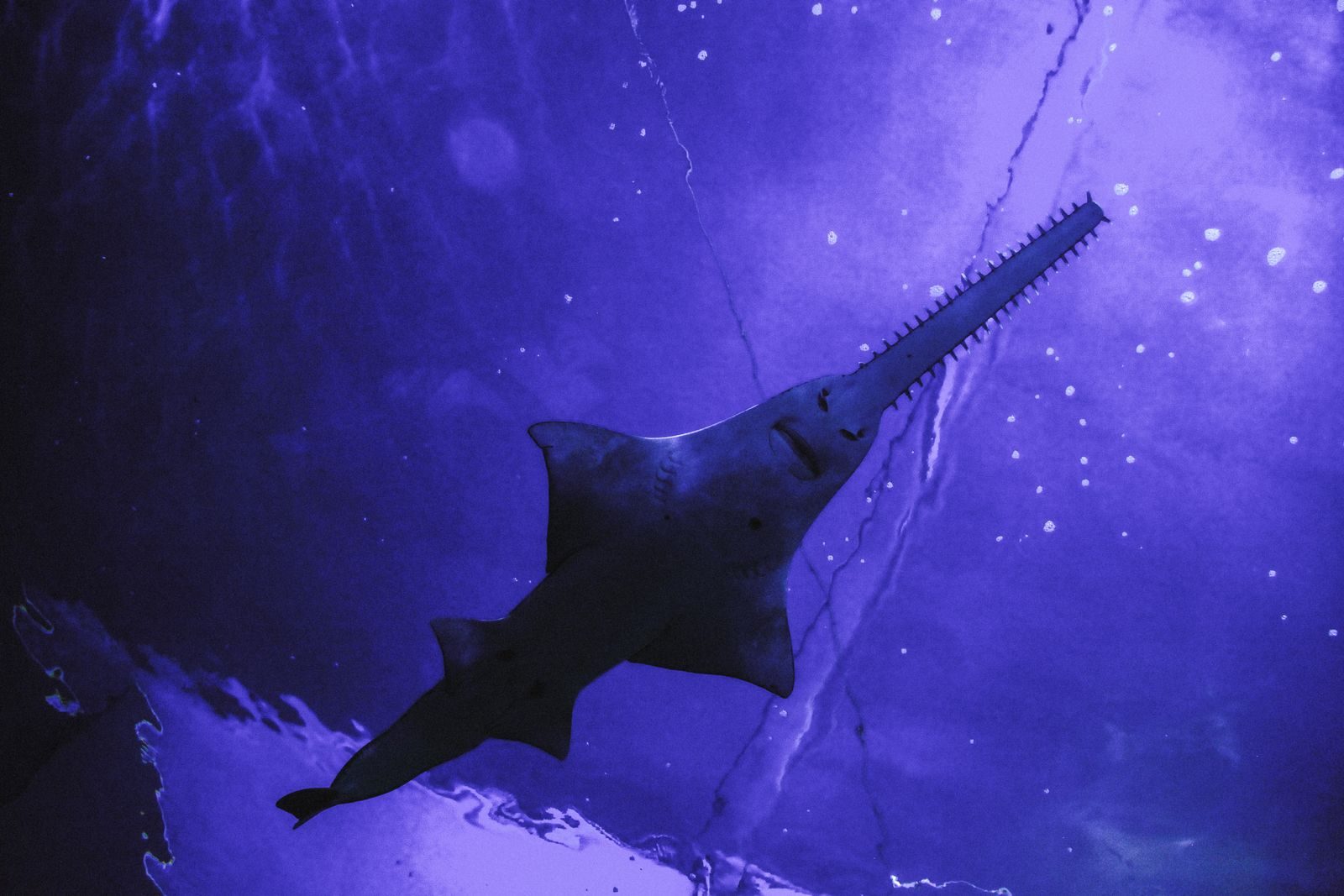
People usually think that the deep ocean only harbors small, starved creatures. We believe that a lack of sunlight and food prevents marine life from growing large.
But the pitch-black abyss actually produces some of the largest creatures on Earth. This bizarre biological pattern makes deep-sea invertebrates expand to giant proportions.
Deep Sea Gigantism
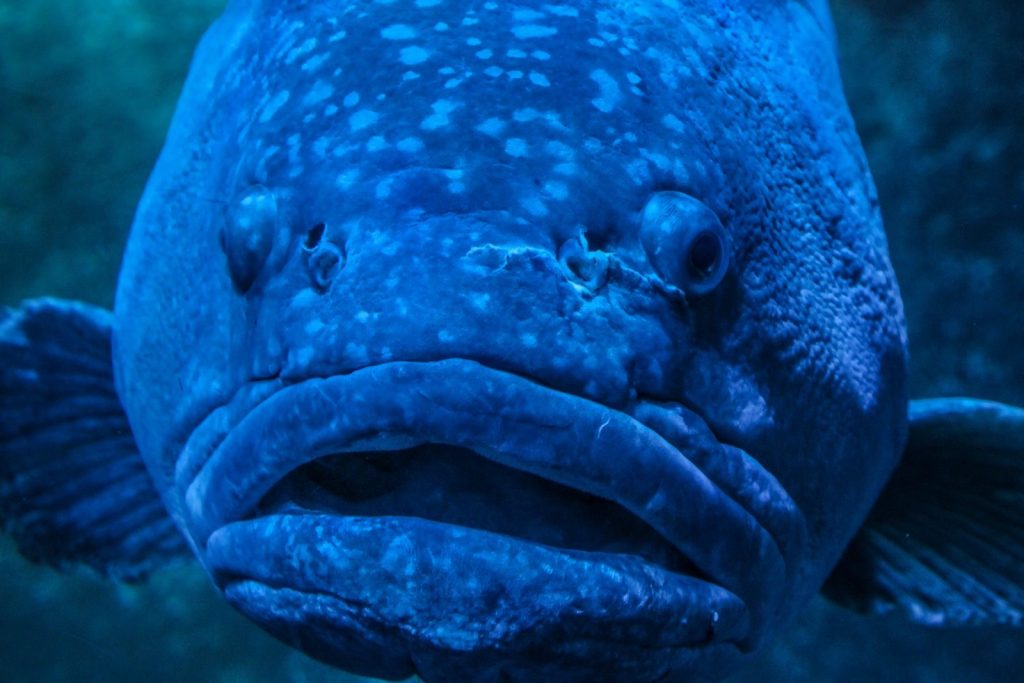
Biologists call this strange marine phenomenon deep-sea gigantism. Creatures like giant isopods and colossal squids dwarf their shallow-water relatives. They are massive. According to reports from the Monterey Bay Aquarium Research Institute, animals living at extreme depths tend to grow much larger than their coastal counterparts. This shift in size helps them survive in a harsh landscape. But the freezing temperatures play a major role in this growth.
Freezing Cold Water
Deep ocean water sits just slightly above the freezing point. This cold environment slows down the metabolic rates of marine animals. They move slowly. According to a study in Science, freezing temperatures delay sexual maturity and allow creatures to grow for many decades before breeding. This extended growth phase results in much larger body sizes over time. However, temperature is not the only physical force at play.
Crushing Hydrostatic Pressure
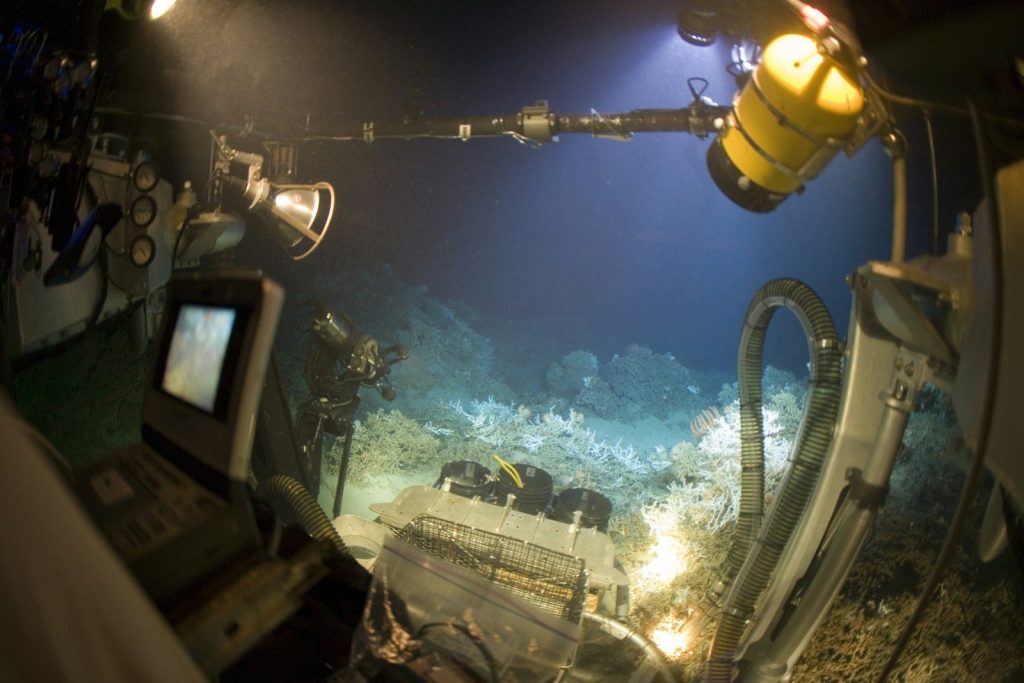
The weight of miles of ocean water creates immense pressure at the sea floor. Shallow-water creatures would collapse instantly under these heavy conditions. Deep life adapts. According to researchers at the University of Hawaii, deep-sea organisms build strong cell membranes to survive high hydrostatic pressures. This cellular reinforcement also supports larger skeletal structures in invertebrates. But finding food in this dark desert requires another major adaptation.
The Food Desert
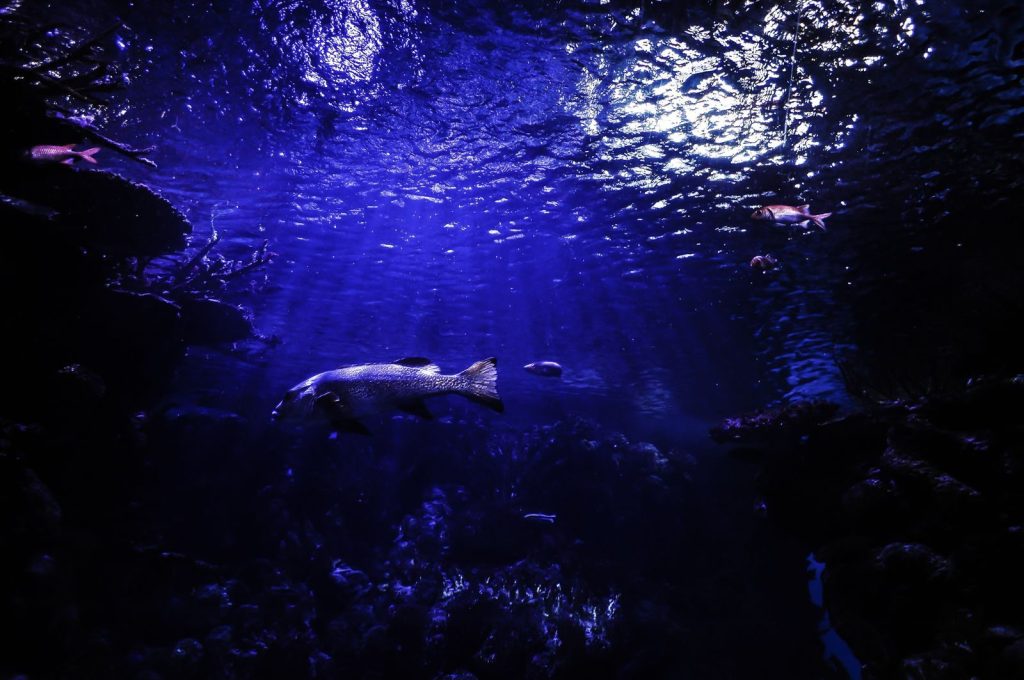
Sunlight never reaches these depths, meaning plants cannot grow to feed local food chains. Deep animals must wait for debris to fall from the surface. Food is extremely rare. According to a report by the National Oceanic and Atmospheric Administration, larger animals can travel farther to hunt for scarce resources. Their massive bodies also store energy much more efficiently during long famines. Yet, this food scarcity leads to rare feast events.
Massive Whale Falls
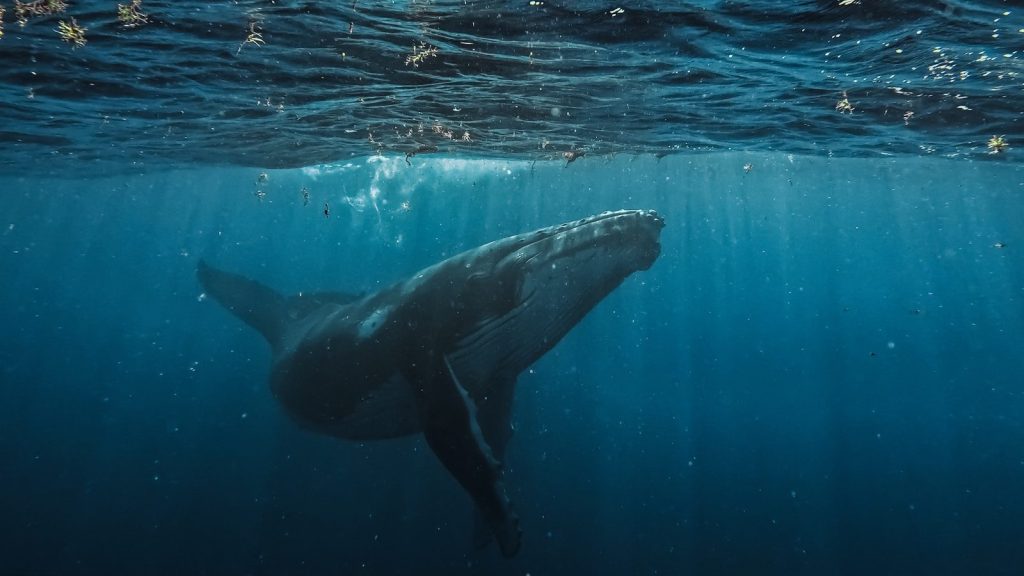
When a giant whale dies, its carcass sinks to the sea floor and creates a localized ecosystem. Hundreds of scavengers gather to consume the massive bounty. They strip bones clean. According to marine biologists at Scripps Institution of Oceanography, a single whale fall can feed deep-sea giants for up to ten years. These rare events require animals to possess large storage capacities. But ocean giants also benefit from having fewer enemies.
Lack Of Predators
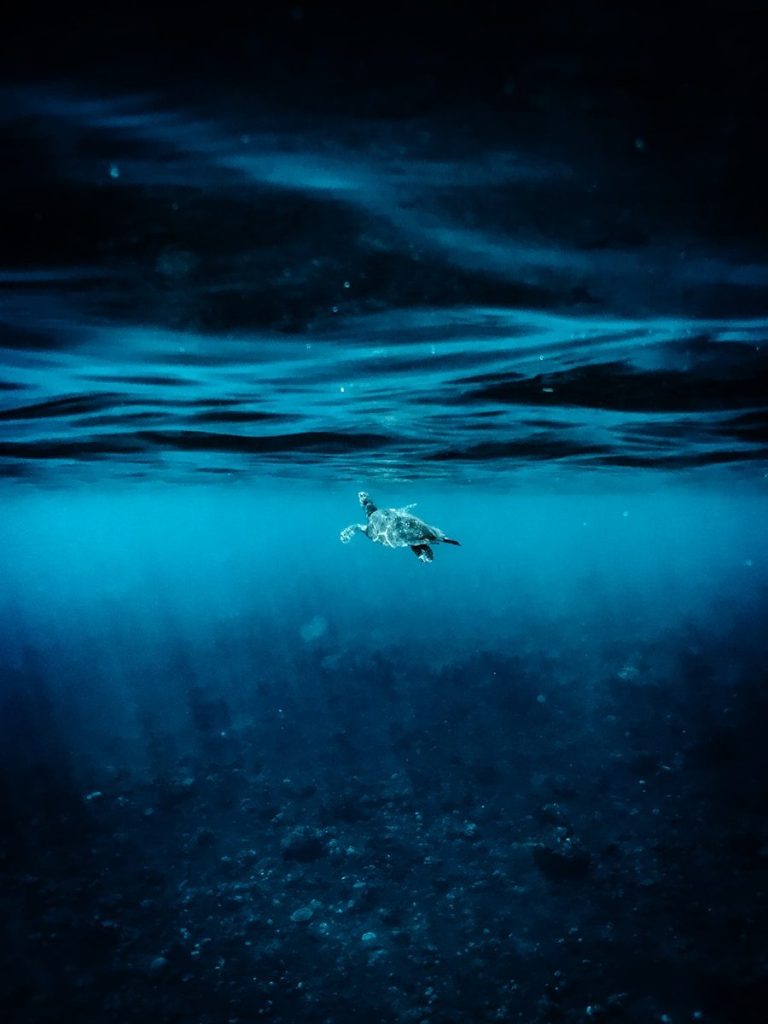
In shallow waters, fast predators like sharks hunt large prey constantly. This danger keeps most species small and agile. The abyss is quieter. According to research from the University of California San Diego, the lack of large predators allows deep-sea creatures to grow unchecked. Without threat of chase, they can allocate all their energy to building body mass. However, these giant creatures face a new modern threat.
Warming Ocean Depths
Human carbon emissions are slowly warming even the deepest parts of the global oceans. This rising temperature threatens to disrupt the delicate metabolic balance of these giants. The water is changing. According to a study in Nature Climate Change, warming oceans could cause deep-sea giants to shrink significantly. Smaller body sizes would devastate the deep food web. But understanding these giants is crucial for our planetary future.
Guarding The Deep
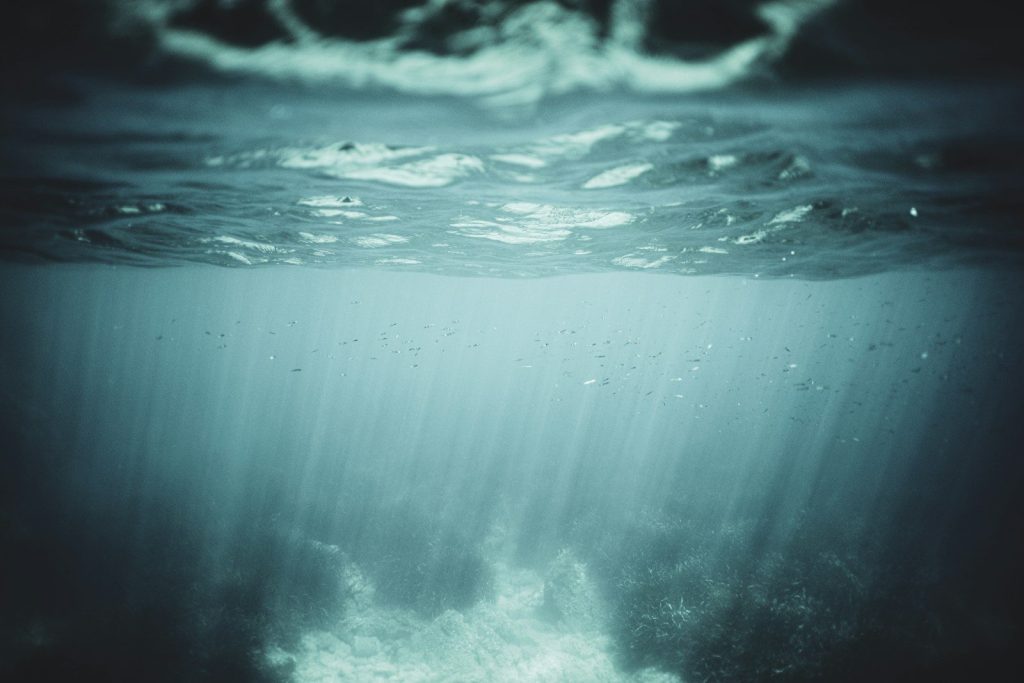
Deep-sea giants show how life adapts beautifully to the most extreme environments on Earth. Protecting these quiet depths from mining and trawling will preserve these biological wonders. We must protect them. According to conservationists, saving the abyss ensures the survival of Earth’s most mysterious evolutionary marvels. This article is for informational purposes only.
Featured Image: Photo by Shuxuan Cao on Pexels
Leave a Reply