Scientists have always believed that quantum physics only operates in cold laboratory settings. We assume that warm, wet living cells are too chaotic for subatomic particles to behave cleanly.
But a revolutionary scientific field shows that biology relies on quantum mechanics to survive. Living systems use subatomic tricks to perform tasks that standard chemistry cannot explain.
Hidden Subatomic Engines
For decades, researchers assumed that biology only operated on standard chemical reactions. They thought molecules simply bumped into each other like billiard balls. They were wrong. According to a report in Physics World, quantum biology studies how living things use subatomic behaviors to survive. These tiny particles can exist in two places at once inside our cells. But this bizarre behavior helps plants capture solar energy.
Perfect Solar Efficiency

Plants must capture sunlight and transfer that energy to reaction centers with absolute precision. Normal chemical pathways would lose most of this energy as heat. Plants avoid this loss. According to research from the University of California Berkeley, photosynthetic proteins use quantum coherence to test multiple pathways at the same time. This trick ensures a nearly perfect transfer rate of energy. But plants are not the only ones using these tricks.
Quantum Bird Compasses

Migrating birds travel thousands of miles across the globe without losing their way. They somehow read the magnetic field of the planet. They are master navigators. According to a study in Nature, European robins use quantum entanglement inside their eyes to see magnetic lines. This subatomic link allows them to orient themselves during flight. However, these bizarre quantum connections also shape how we smell.
Subatomic Odor Detectors

The human nose can distinguish between thousands of different scent molecules easily. Traditional biology claims we identify smells solely through lock-and-key physical shapes. This explanation falls short. According to reports in Physical Chemistry Chemical Physics, our scent receptors actually measure the quantum vibration of chemical bonds. This subatomic tuning lets us identify unique aromas with incredible speed. But this quantum activity also occurs inside our genetic code.
Spontaneous DNA Glitches
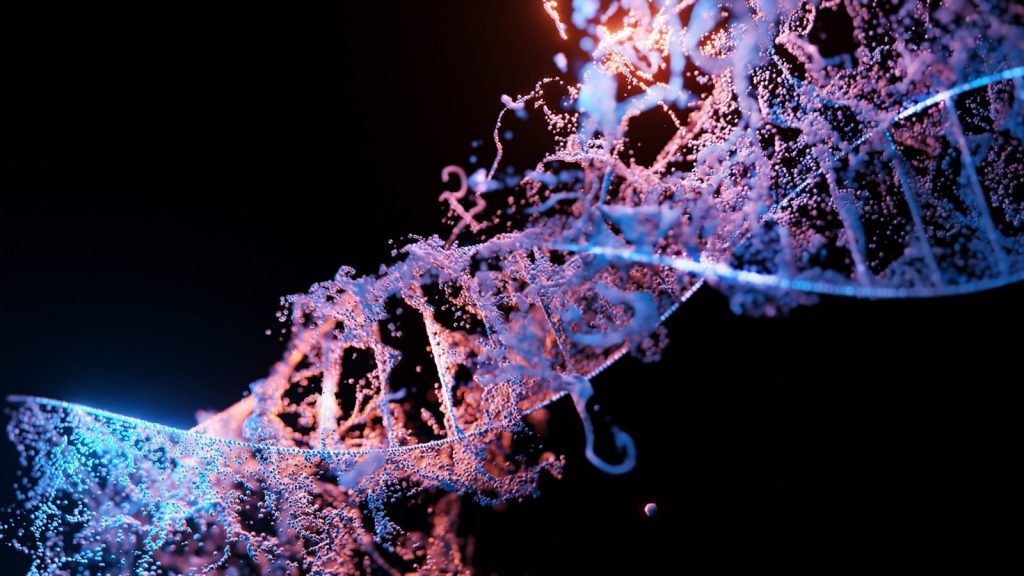
Sometimes, DNA mutates spontaneously during replication without any obvious environmental trigger. These random errors drive evolution but can also cause cancer. Particles tunnel through barriers. According to a study from the University of Surrey, hydrogen atoms quantum-tunnel across the double helix structure. This microscopic leap alters the genetic code and causes permanent mutations. Yet, this subatomic behavior also influences how brain cells communicate.
Quantum Brain Waves
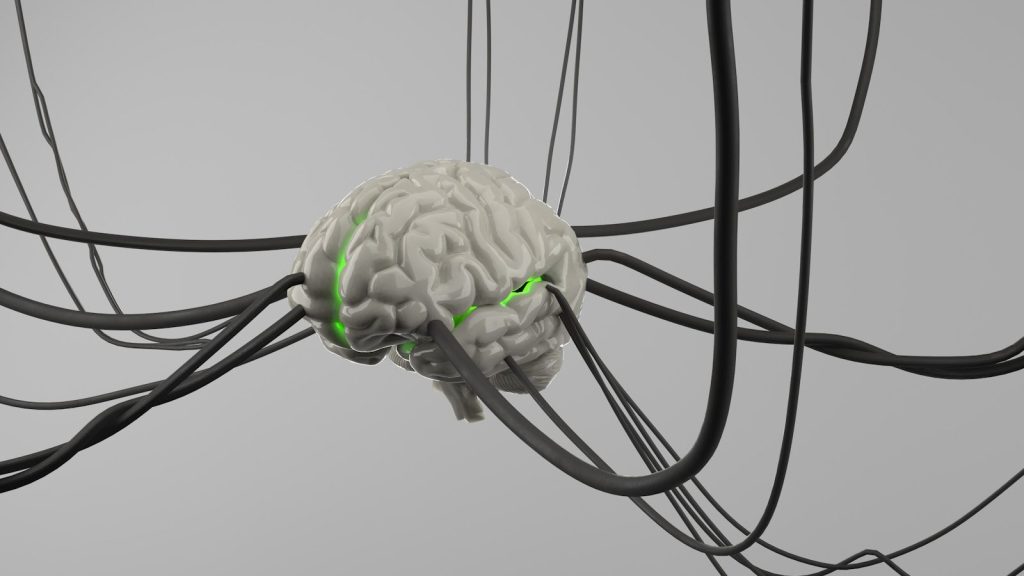
Our brains process vast amounts of complex data at lightning speeds while consuming very little energy. Normal electrical signals do not fully explain this efficiency. The brain is complex. According to researchers at Trinity College Dublin, our minds may use quantum entanglement to connect distant neurons instantly. This discovery could completely revolutionize how we design artificial intelligence. But this is only the beginning of this scientific revolution.
A New Biology
Quantum biology proves that life sits at the intersection of physics and chemistry. Understanding these subatomic tricks will help us build better medical technologies and cleaner energy grids. The future is arriving. According to scientists, nature has spent billions of years mastering the subatomic world. This article is for informational purposes only.
Featured Image: Photo by Luke Jones on Unsplash
Leave a Reply