
Most people assume that repairing a broken car simply requires standard tools and mechanical know-how. We believe that replacing a damaged bumper is a straightforward physical job.
But a massive consolidation in the auto parts industry reveals a highly complex truth. Modern vehicle components are becoming packed with advanced digital technology.
The Ten Billion Struggle

A massive corporate takeover is reshaping who controls the global auto parts supply. Giant technology firms are buying up old parts manufacturers to dominate the digital landscape. According to market analysts, this colossal deal highlights how rapidly vehicle components are changing. The market is shifting. This financial battle is directly driven by the introduction of smart vehicle parts.
Sensors In The Bumper
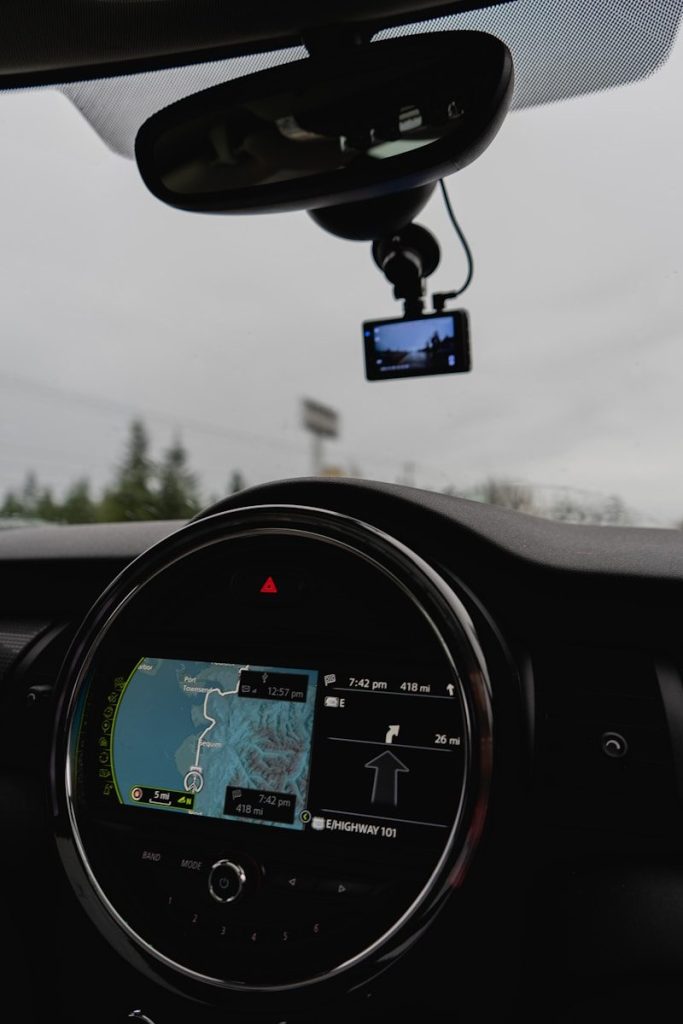
A simple plastic bumper is no longer just a piece of protective trim. It now houses radar arrays, ultrasonic sensors, and high-definition cameras for driver assistance. According to automotive safety reports, these delicate electronics help vehicles detect nearby hazards automatically. They are fragile. This means even a minor fender bender can trigger an incredibly expensive repair bill.
The Calibration Crisis

Installing a new body panel requires mechanics to calibrate all embedded digital sensors perfectly. An alignment error of just one millimeter can throw off the vehicle’s steering safety systems. According to independent repair advocates, calibrating these components requires highly specialized corporate software. The tools are expensive. This software barrier is making it extremely difficult for local shops to survive.
Locked Digital Codes
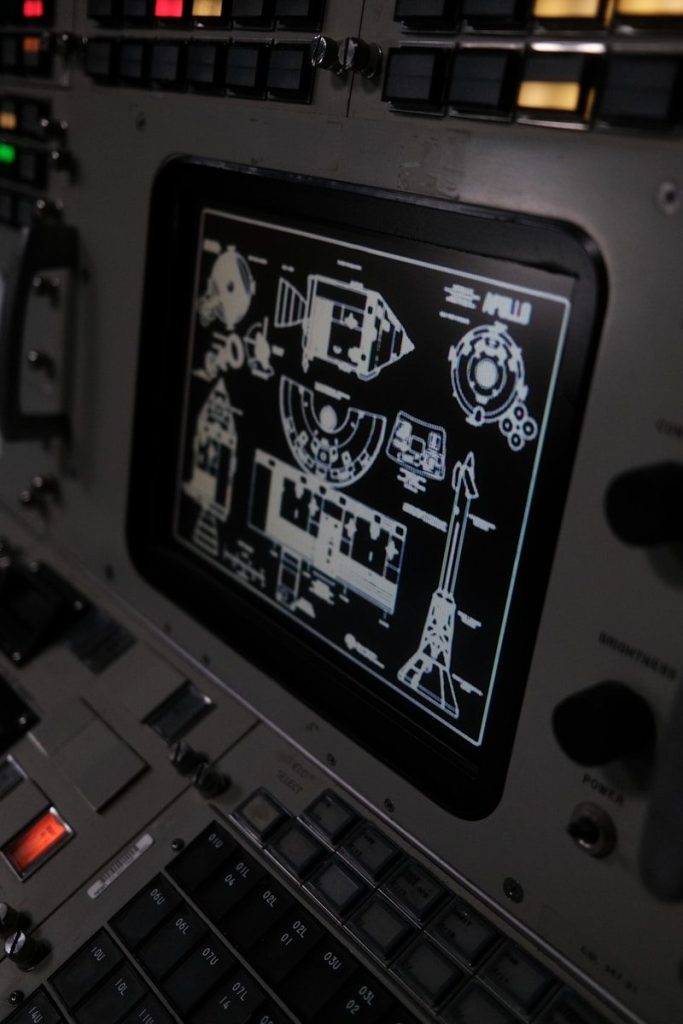
Carmakers are using advanced digital encryption to lock replacement parts behind software walls. If a mechanic does not use official brand codes, the vehicle computer will reject the new part. According to cybersecurity reports, these locks protect vehicle systems from potential digital hacking attempts. Security is tight. However, this digital locking system is sparking a fierce legal battle over the right to repair.
The Rise Of E-Waste
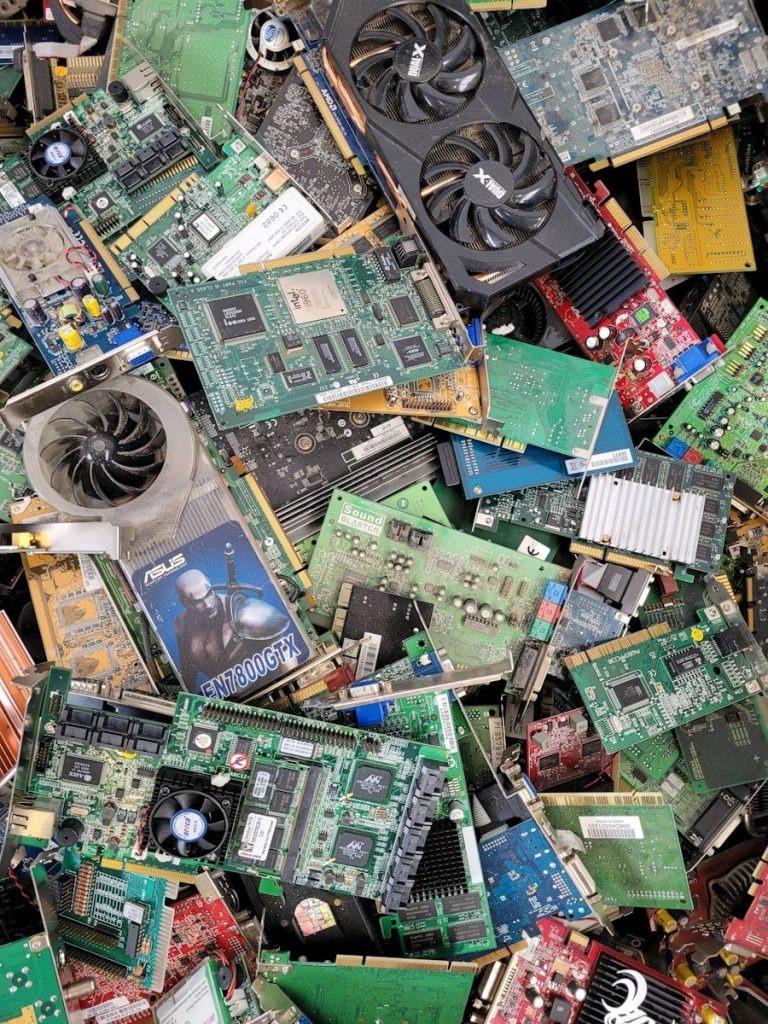
Because these smart parts are so complex, recycling them is becoming a massive environmental challenge. Processing plants struggle to separate the high-value silicon chips from standard metals. According to environmental studies, old car parts are contributing to a massive surge in global electronic waste. The pile is growing. This looming ecological issue is forcing developers to redesign vehicle architectures.
Designing Modular Cars
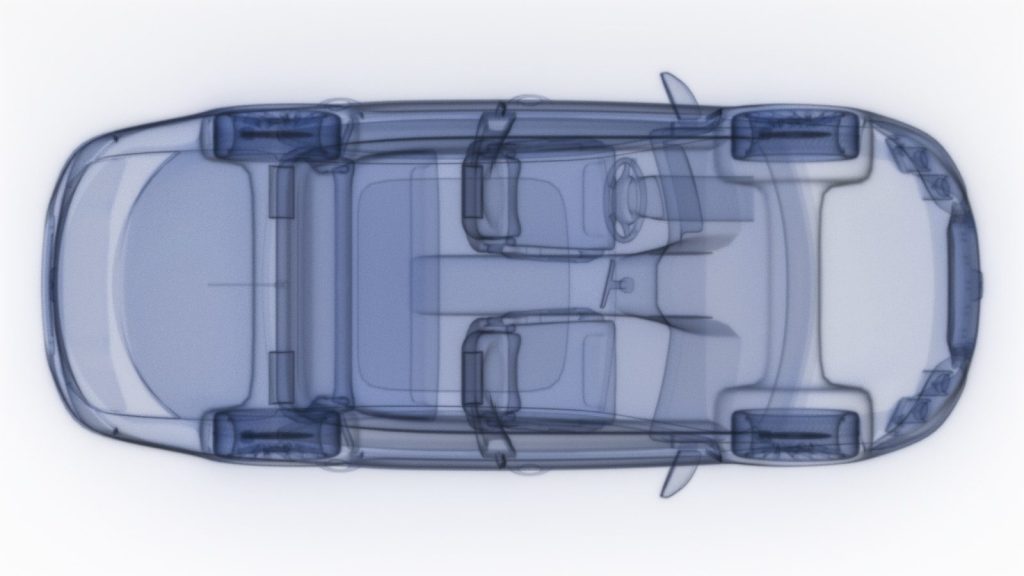
Forward-thinking engineers are developing new vehicle frames where digital parts are easy to swap. These modular designs seek to separate physical safety bumpers from delicate internal sensors. According to design reports, this layout could reduce minor collision repair costs by up to eighty percent. Hope is rising. But implementing these green designs requires a massive shift in manufacturing culture.
The Modern Repair Era
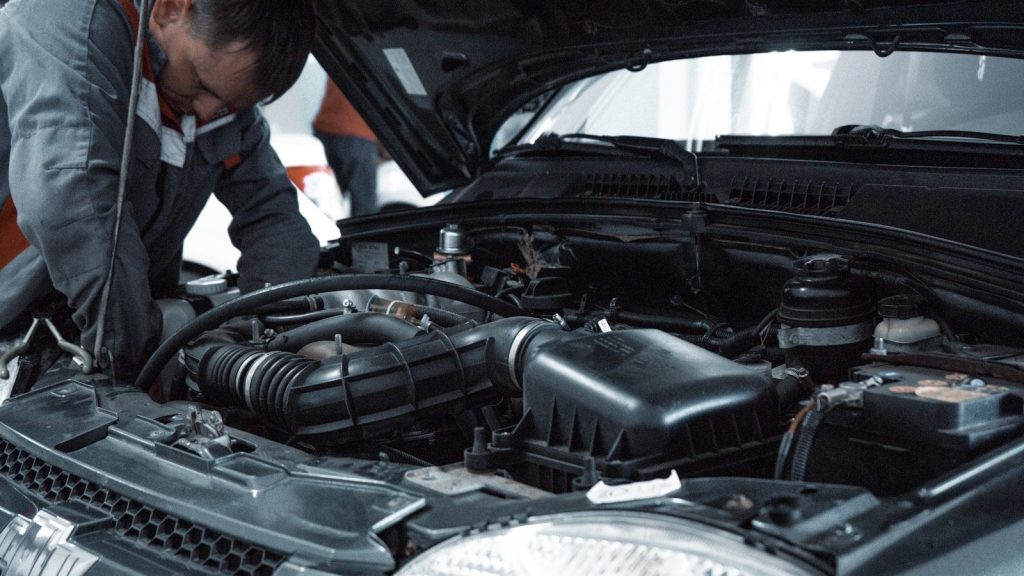
The transformation of the auto parts business proves that everything we build is becoming a digital device. To keep our cars running, mechanics must now think like computer scientists. According to industry experts, balancing advanced technology with simple repair methods is the key to sustainable transportation. This article is for informational purposes only.
Featured Image: Photo by Boris Ivas on Pexels
Leave a Reply