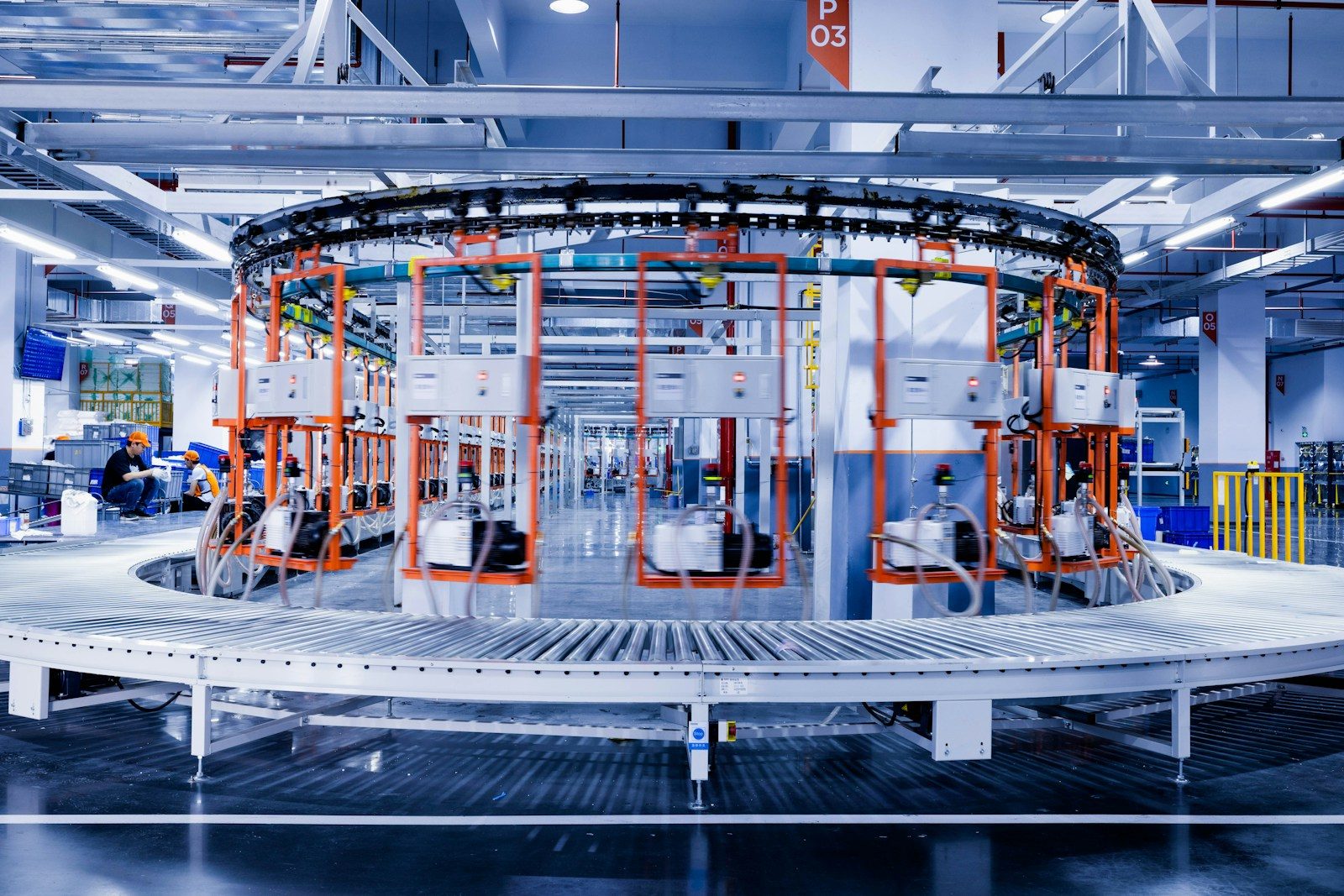
Most people assume that car factories still rely on massive teams of human assembly workers. We believe that building modern trucks requires thousands of manual physical adjustments.
But a multi-billion dollar manufacturing upgrade in Texas is changing the entire industry. This ultra-modern plant operates on a level of automation that seems almost science fiction.
The Massive Southern Migration
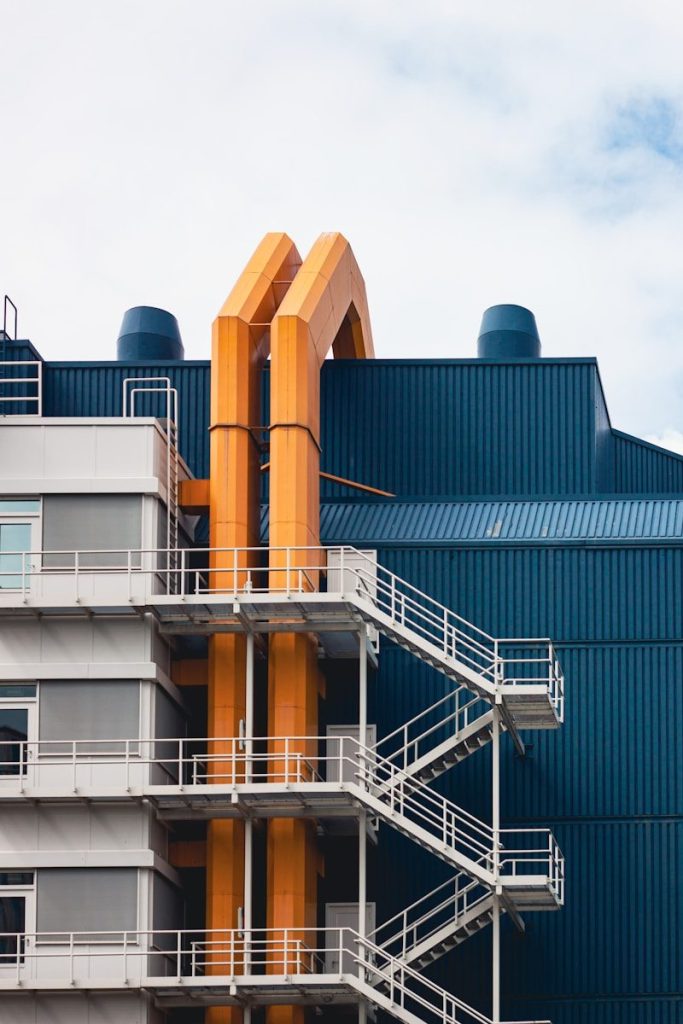
Shifting vehicle production across international borders is a massive financial and logistical gamble. The colossal project involves moving heavy supply networks to a centralized hub. According to business reports in Bloomberg, this upgrade relocates key truck lines to a highly automated facility in Texas. The scale is massive. But this geographic shift is driven by a desire for advanced robotic manufacturing.
Armies Of Autonomous Robots
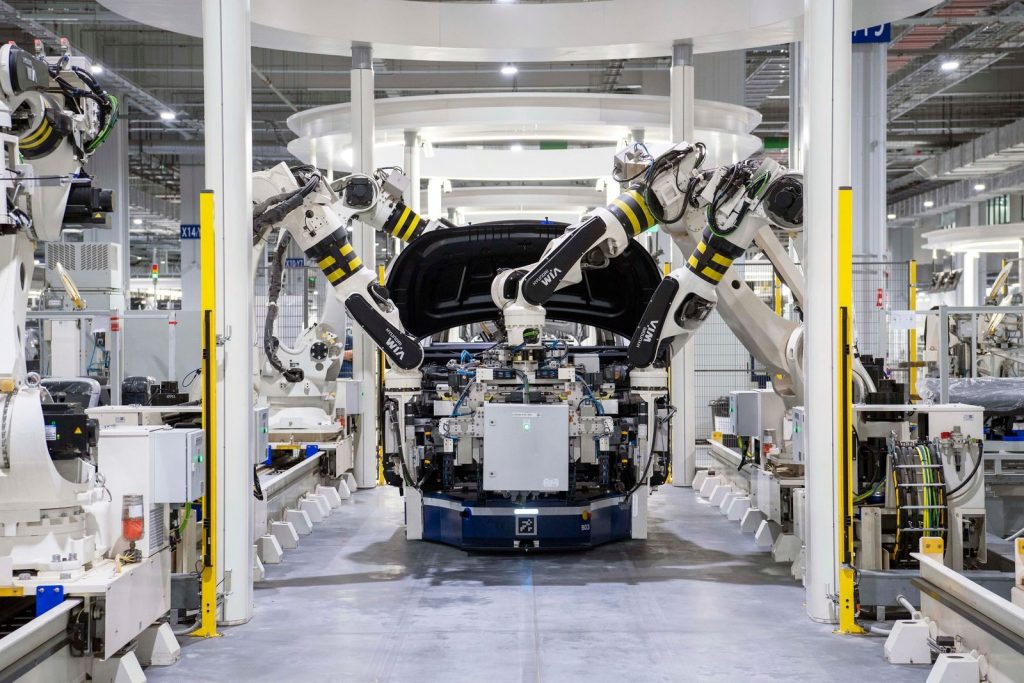
The factory floor no longer looks like a traditional manufacturing line. Autonomous mobile platforms transport heavy steel chassis from one station to the next without human drivers. According to mechanical engineering reports, these digital machines navigate using advanced laser guidance systems. They are relentless. This constant robotic movement ensures that production never slows down for breaks.
Precision Welding Technology
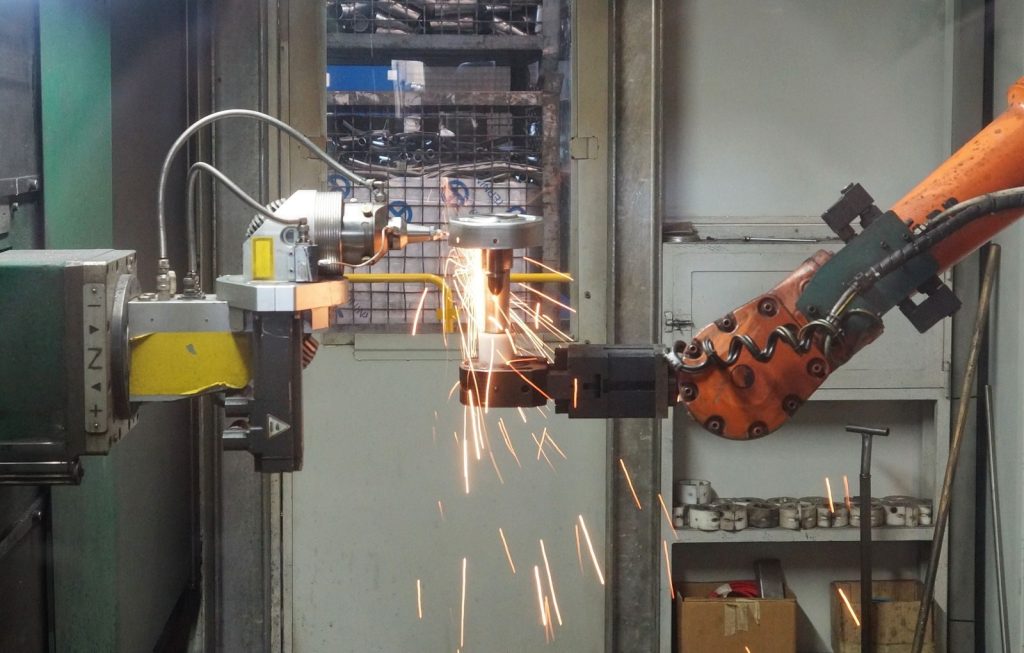
Attaching vehicle panels requires extreme physical precision to ensure structural safety. Giant mechanical arms weld steel joints at blistering speeds while scanning for tiny structural defects. According to factory technical documents, these robotic welders measure their physical movements down to the millimeter. They are fast. Yet, powering this massive fleet of robots requires an entirely new grid setup.
Sourcing The Energy
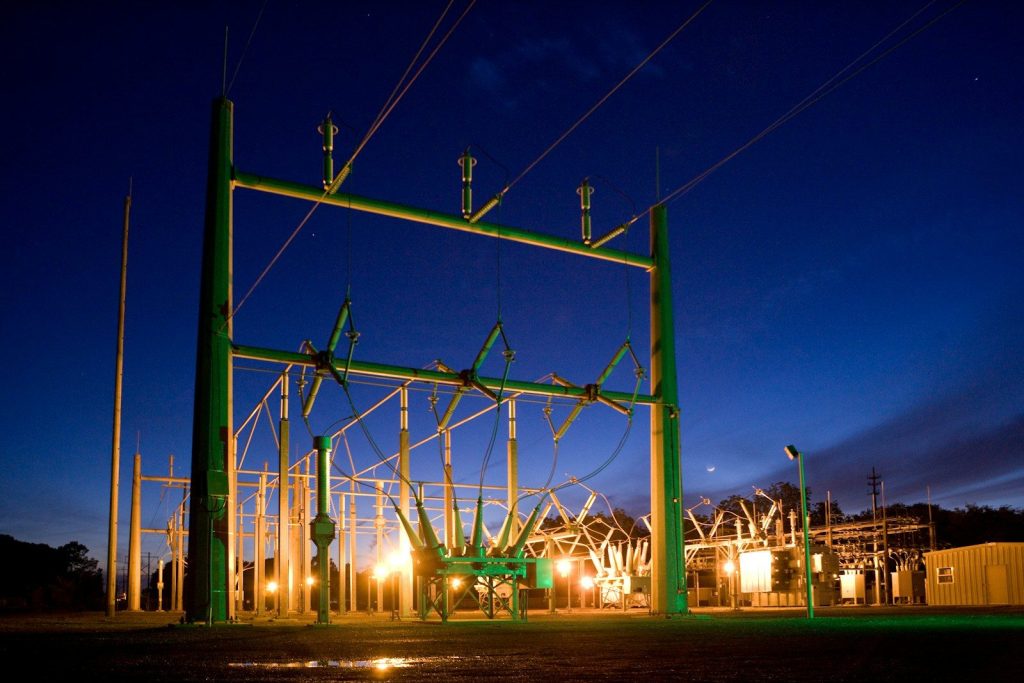
Running hundreds of high-power robotic platforms continuously places an immense load on local electrical systems. The factory must utilize smart energy distribution models to prevent regional power strains. According to local utility files, the facility coordinates its power draw directly with state energy providers. Power is critical. This complex balancing act is essential to keep the assembly lines running smoothly.
The Digital Twin
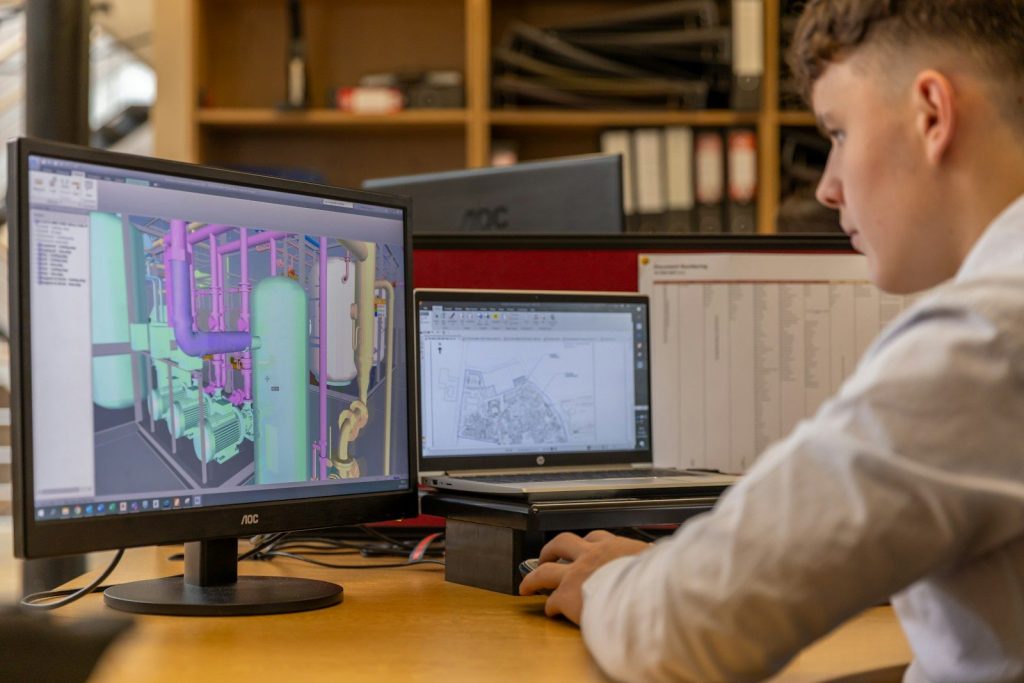
Before a physical truck even enters production, engineers simulate the entire process in a digital virtual world. This digital twin predicts how parts move and spots potential assembly blockages. According to software design specialists, simulating factory flow reduces physical testing times by up to fifty percent. It is highly efficient. But this hyper-efficient setup is changing the future of human factory labor.
The Shifting Human Role
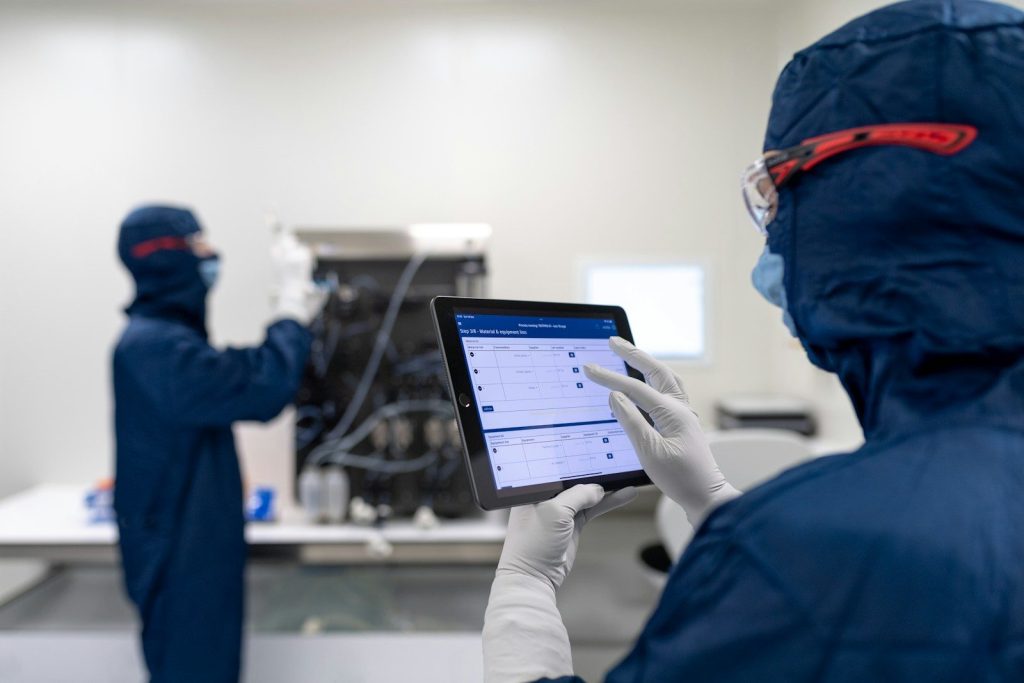
While robots handle the heavy lifting, human workers are transitioning to high-tech oversight positions. Staff members use smart tablets to monitor machine diagnostics and program code updates in real time. According to labor analysts, this shift requires factory workers to develop advanced software engineering skills. The work is clean. However, this high-tech transition is triggering intense debates among traditional manufacturing workers.
Global Supply Networks

Sourcing parts for these advanced machines requires a highly coordinated global transport system. A single missing microchip can stall the entire multi-billion dollar assembly line in minutes. According to logistics experts, the factory uses artificial intelligence to predict parts shortages before they occur. The system is smart. This deep digital integration is setting a new standard for global manufacturing.
The Future Of Making

The Texas mega-factory proves that the future of heavy industry belongs to automated networks. By merging robotics with smart simulation, carmakers can build stronger vehicles at a fraction of the traditional cost. According to automotive experts, this facility represents the blueprint for all future industrial operations. This article is for informational purposes only.
Featured Image: Photo by Homa Appliances on Unsplash
Leave a Reply