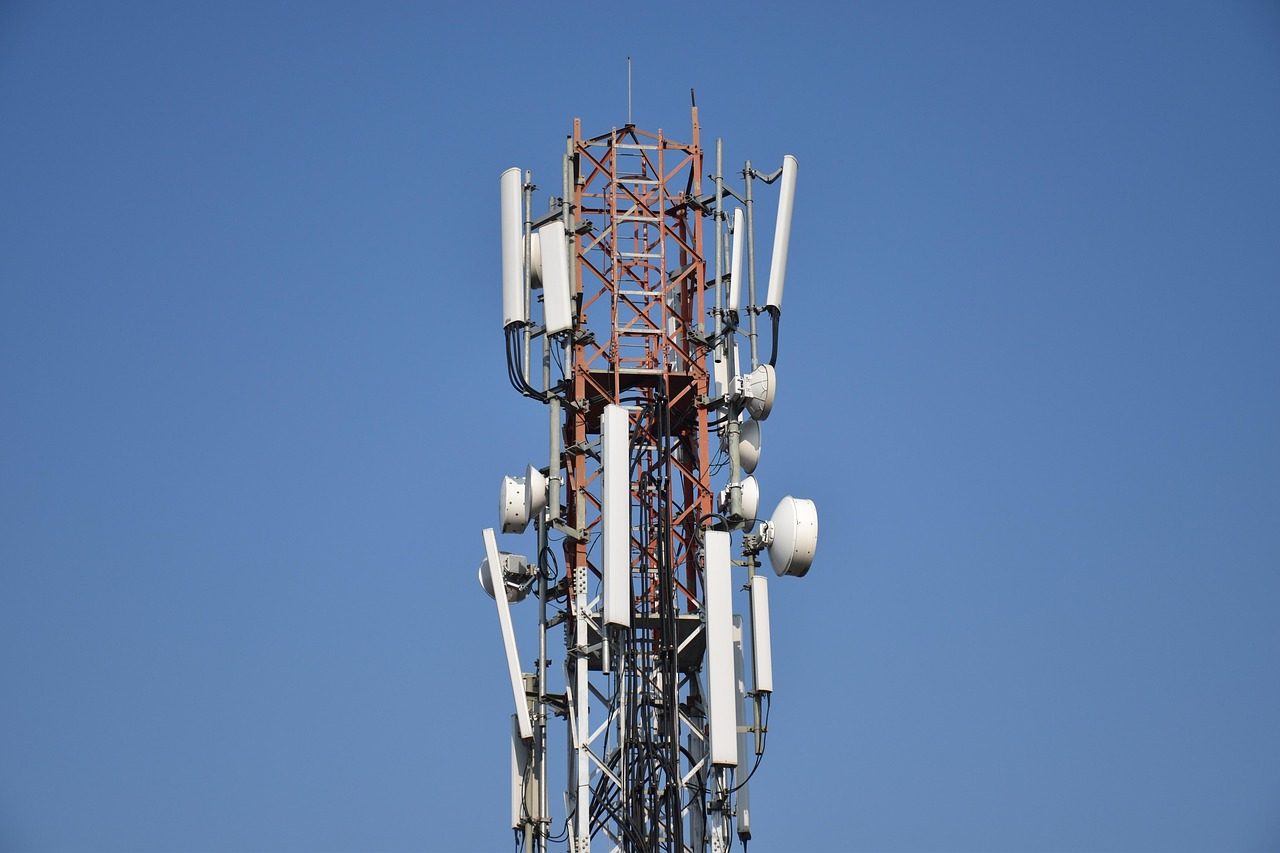
While most of the world is still getting used to 5G, the next generation is already in the works. 6G technology promises to be 100 times faster than what we have now. It will allow us to download a thousand movies in a single second. But this incredible speed comes with a hidden cost. 6G is not just about communication; it is about “sensing.” The new frequencies used by 6G can actually see through walls and track the movement of every human in a room.
This is the “Privacy Nightmare” that experts are warning us about. In a 6G world, your network doesn’t just know where you are; it knows what you are doing. It can see your posture, your breathing, and even your heartbeat without a single camera. We are moving toward a world of “ubiquitous sensing” where there is no place to hide. But how can a radio wave act like an X-ray?
The power of the terahertz wave
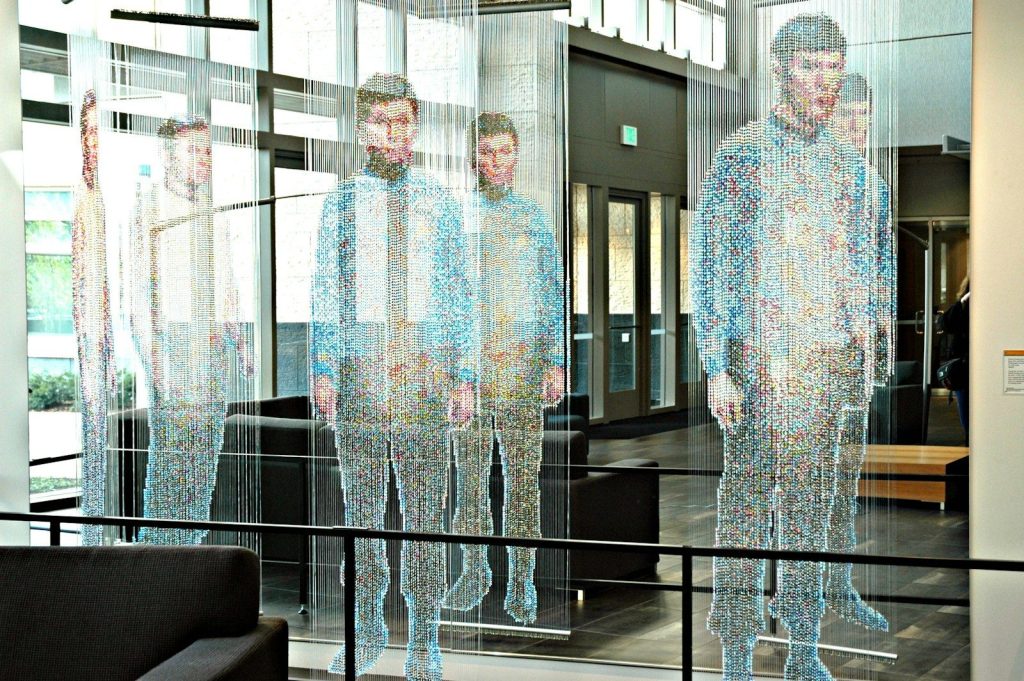
6G uses “Terahertz” frequencies. These waves are so small and fast that they can bounce off almost any object. When these waves hit a human body, they create a detailed “reflection” that can be processed by AI. It is essentially radar for your living room. The network uses these reflections to optimize the signal, but it also creates a perfect 3D image of your environment. Every 6G base station becomes a high-definition eye. But what happens when this data is sold to the highest bidder?
Your home becomes a data gold mine.

In the 6G era, your furniture and your appliances will all be part of the sensing network. Your house will know when you are sleeping, when you are eating, and when you are arguing. This “context-aware” data is incredibly valuable for advertisers. They won’t just guess what you want; they will see it in your physical reactions. This level of intrusion is unprecedented in human history. We are trading our private spaces for a faster connection. But the danger goes beyond just ads.
The end of the anonymous walk

Walking down a city street will never be the same. 6G towers will be placed every few meters to handle the high-frequency waves. These towers will track your “digital signature” as you move through the city. They can identify you by the way you walk, even if your face is covered. The concept of an “anonymous crowd” is officially dead. You are being watched by the very air you breathe. But is there any way to “opt out” of the sensing?
The difficulty of blocking a 6G signal

Unlike a camera, you can’t just put a piece of tape over a 6G sensor. The sensors are the signals themselves. If you block the signal, you lose the connection. Some companies are developing “privacy paint” and “smart wallpaper” that can block these frequencies. But this would also mean you can’t use your phone inside your own house. We are being forced to choose between our technology and our dignity. But what about the health risks of these high-frequency waves?
The radiation debate returns

Every time a new network arrives, people worry about the health effects. Terahertz waves have never been used on this scale before. While they are “non-ionizing,” which means they shouldn’t damage DNA, we don’t know the long-term effects of constant exposure. Scientists are racing to study how these waves interact with human skin and eyes. We are once again the “test subjects” for a global experiment. But the speed of the network might make us forget the risks.
Instant gratification at a heavy price

The benefits of 6G are hard to ignore. It will allow for perfect holographic calls and instant AI assistance. We will live in a world of pure digital magic. For many, this convenience will be worth the loss of privacy. We are a species that loves its toys, and 6G is the ultimate toy. The “privacy nightmare” will likely be ignored until it is too late to change the system. But can we build a “secure” 6G that respects our space?
The fight for an ethical network

There is a movement of engineers and activists who want to build “Privacy by Design” into 6G. They want to make sure the sensing data is encrypted and stays on the device. They are fighting for new laws that protect our “physical privacy” in the digital age. This will be the biggest battle of the next decade. We have to decide what kind of future we want to live in. But while we fight for our rights, the world’s weight is changing at the bottom of the sea.
The countdown to the 6G rollout

The first 6G networks are expected to go live by 2030. That gives us only a few years to prepare for the sensing revolution. We need to start having these conversations now before the towers are built. Your home, your body, and your thoughts are all at stake. Are you ready for a world that knows you better than you know yourself?
Featured Image: Photo by prasanna_devadas on Pixabay
Leave a Reply