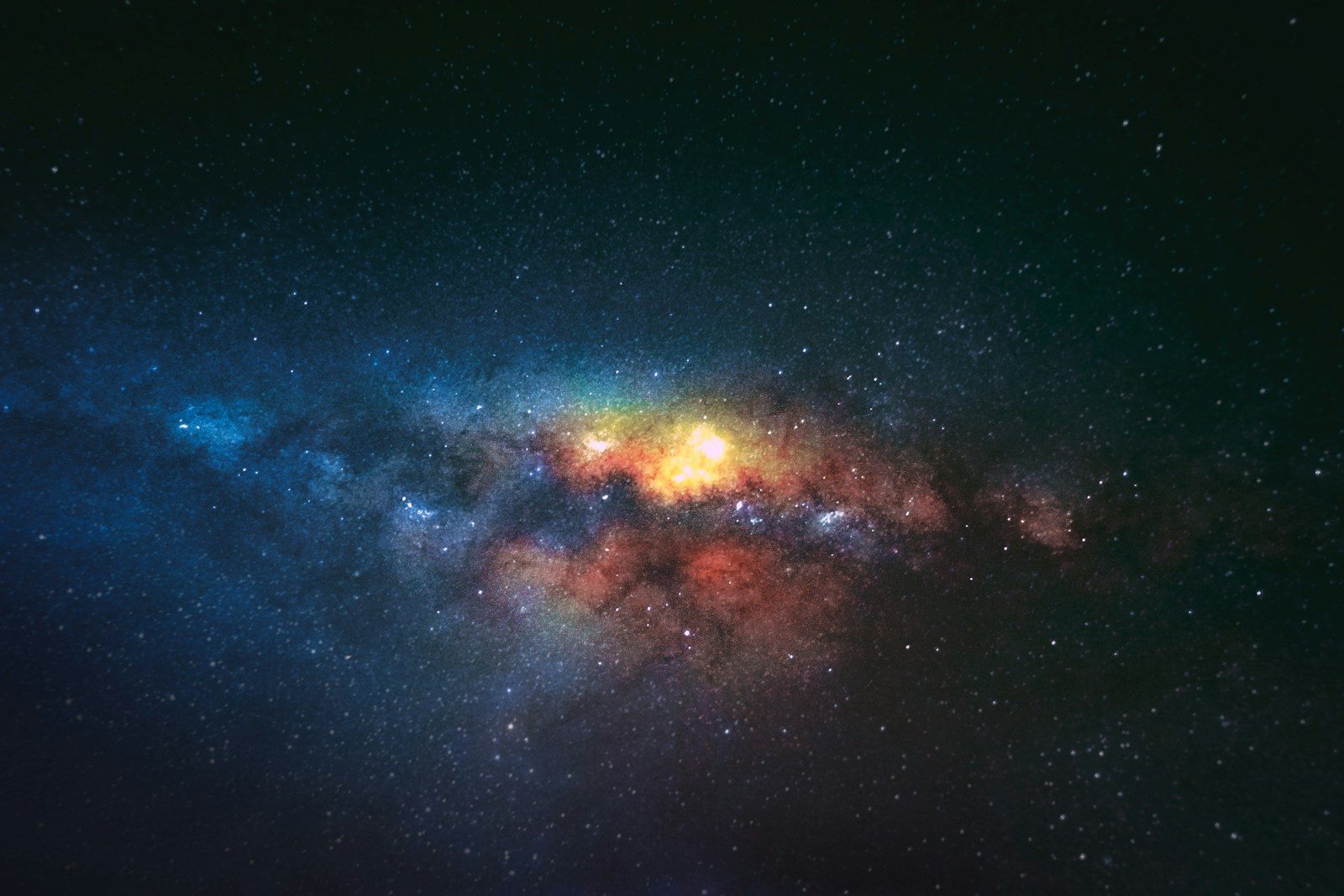
We assume that the universe is crawling with advanced civilizations waiting to contact us. Most people believe that cosmic communication is a simple matter of sending radio signals.
But the absolute limits of physics might keep deep space permanently silent. Astrobiologists are discovering that immense cosmic distances and brief planetary timelines act as a natural barrier.
The Quiet Cosmos
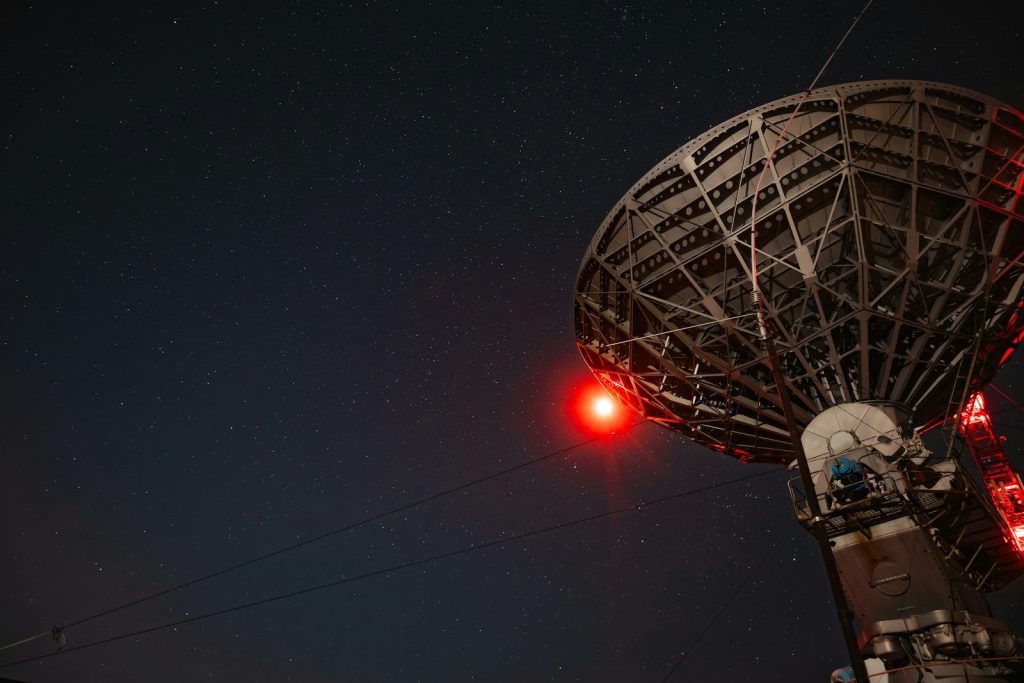
For decades, our giant radio telescopes have scanned the night sky looking for patterns. We have heard nothing but background static from empty star systems. According to SETI Institute reports, researchers have analyzed thousands of stars without finding a single alien broadcast. Space is quiet. This ongoing silence is forcing scientists to examine the harsh physical limits of interstellar signals.
The Speed Limit

Nothing in the universe can travel faster than the speed of light. Even a radio signal takes over four years to reach the closest neighboring star system. According to astrophysics papers, sending a message across our galaxy takes tens of thousands of years. The wait is long. This physical speed limit turns any cosmic conversation into an impossible generational wait.
The Signal Fade
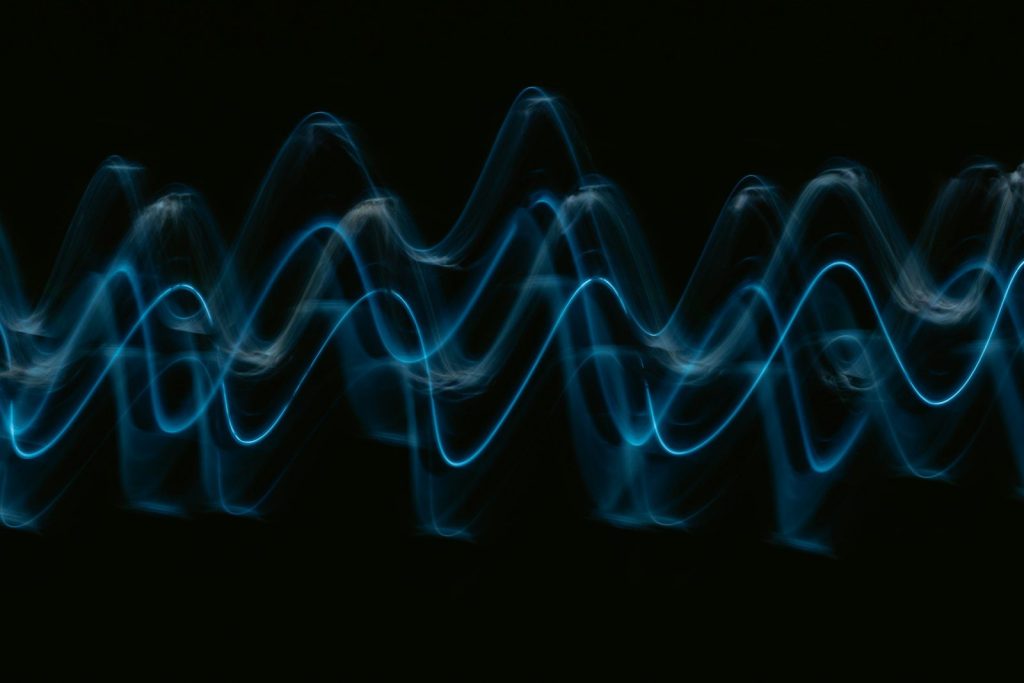
Radio waves do not travel through deep space in tight, perfect beams. They spread out and weaken rapidly as they cross the cosmic void. According to NASA research data, a broadcast becomes completely indistinguishable from normal space static after only a few light-years. Signals decay fast. This relentless physical decay means our own television signals have already faded into nothingness.
Brief Planetary Timelines
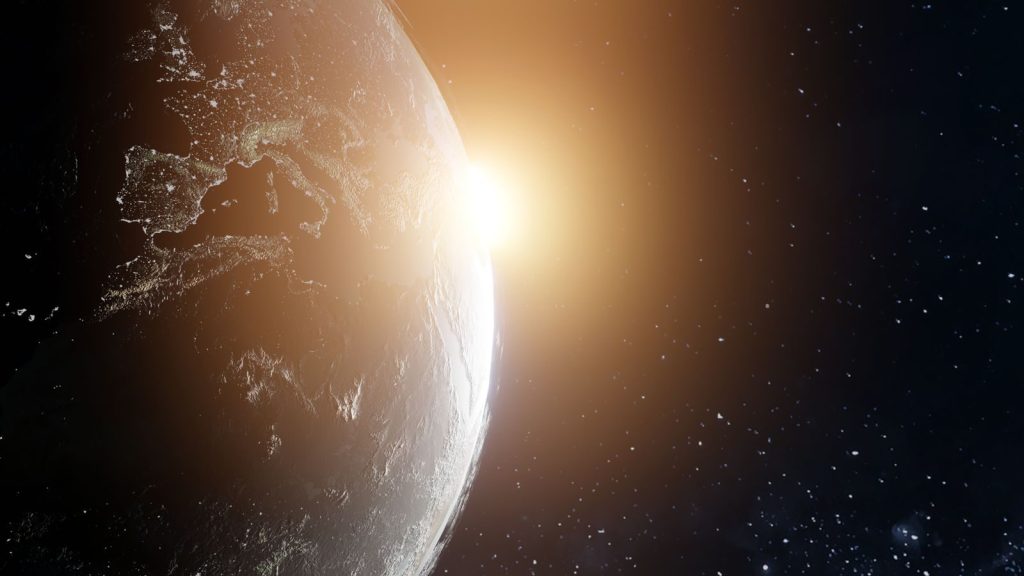
The lifetime of an advanced technological civilization might be incredibly short compared to the age of the universe. Climates shift, resources run out, and asteroids strike home planets. According to evolutionary studies, intelligent species might only survive for a few thousand years before vanishing. Time is short. This brief window makes it highly unlikely that two civilizations exist at the exact same moment.
The Great Filter
Astrobiologists suggest that a cosmic barrier prevents intelligent species from colonizing multiple solar systems. This barrier could be a nuclear war, resource depletion, or runaway technology. According to planetary science models, almost all civilizations hit this developmental wall before they can master interstellar flight. The wall is high. This tragic evolutionary bottleneck might explain why no one has visited our planet.
Listening Too Early

Humanity has only possessed the technology to listen for cosmic signals for a single century. In the scale of cosmic history, our active search represents a tiny fraction of a second. According to space agency researchers, we are simply looking at the wrong time and with the wrong instruments. We are too new. But this realization is pushing scientists to design better sensory networks.
Facing The Void

The silent universe forces us to cherish our fragile home planet and protect our own developmental timeline. Understanding the physical barriers of deep space helps us focus on surviving here rather than dreaming of escape. According to astrobiology experts, our own survival remains the ultimate cosmic priority. This article is for informational purposes only.
Featured Image: Photo by Shot by Cerqueira on Unsplash
Leave a Reply