For years, the most alarming climate projections dominated headlines. Worst-case scenarios described a world of runaway warming, mass displacement, and civilizational collapse within decades.
But scientists are now saying the absolute worst of those projections is increasingly unlikely to happen. The reasons behind that shift are more complicated than most people realize.
What the Worst Case Actually Meant
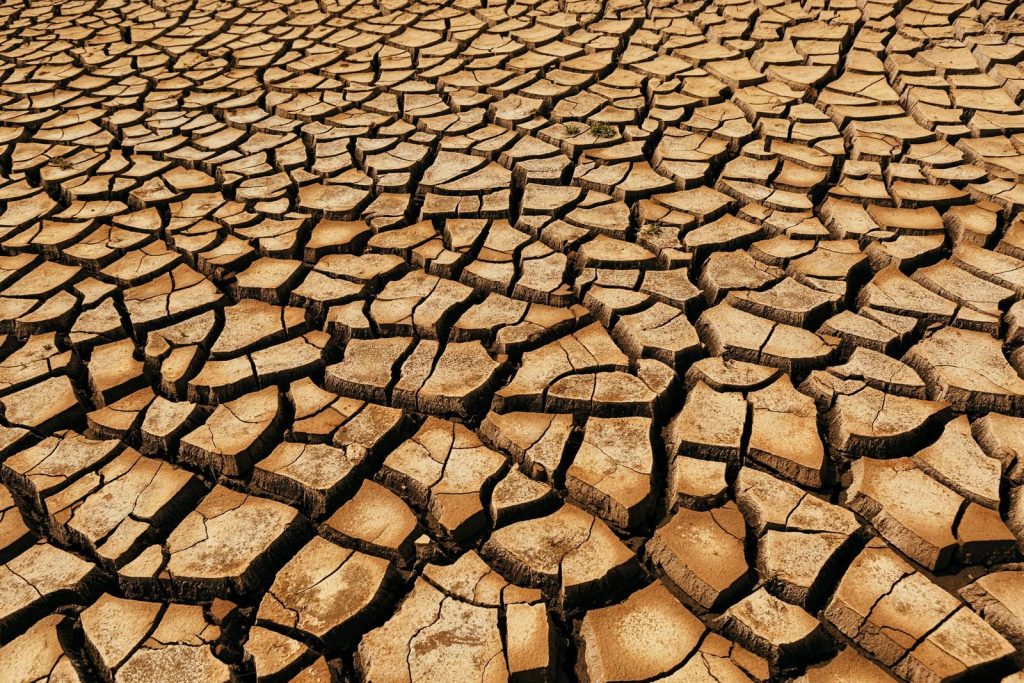
The scenario known as RCP8.5 — sometimes called the business-as-usual pathway — was the most severe emissions trajectory modeled by the Intergovernmental Panel on Climate Change. It assumed humanity would dramatically accelerate fossil fuel use throughout the 21st century, leading to temperature rises of 4 to 5 degrees Celsius above pre-industrial levels by 2100. According to the IPCC, this pathway was always described as a high-end possibility, not a prediction. But it dominated public discourse for years as though it were the expected outcome. That framing is now being reconsidered. The shift in thinking is grounded in something genuinely encouraging.
Renewables Changed the Equation
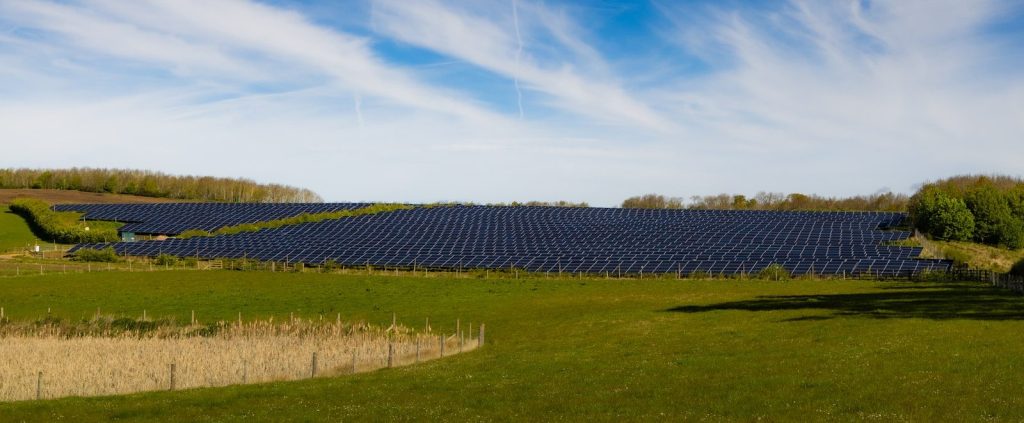
The single biggest factor behind the revised outlook is the speed at which renewable energy has scaled globally. According to the International Energy Agency, solar power capacity has grown faster than almost any energy technology in history, with costs falling more than 90 percent over the past decade. Wind energy has followed a similar curve. Coal consumption, while still significant, has not grown at the rate RCP8.5 assumed. The energy transition is real. It is measurable. And it has already bent the emissions curve away from the worst projections. But scientists are careful to separate good news from complacency.
What Is Still Expected to Happen

Ruling out the worst case does not mean the crisis is over. According to the IPCC’s Sixth Assessment Report, published in 2021 and 2022, the world is currently on track for warming of approximately 2.5 to 3 degrees Celsius by 2100 under current policies — still well above the 1.5-degree target set by the Paris Agreement. That level of warming carries serious consequences. More frequent extreme weather. Accelerating sea level rise. Severe stress on food and water systems. The emergency remains. It has just shifted in shape. The distinction between the worst case and the likely case matters more than most people appreciate.
Why the Framing Always Mattered
Climate scientists including Zeke Hausfather and Glen Peters published a widely discussed analysis arguing that RCP8.5 had been misused in public communication and research. According to their paper published in Nature, treating a worst-case scenario as a default expectation can distort policy priorities and public understanding alike. If people believe catastrophe is inevitable regardless of action, the motivation to act diminishes. If they believe the situation is more manageable than feared, targeted action becomes more credible. The numbers still demand urgency. But accuracy serves that urgency better than alarm alone. A closer look at what has already changed reveals how much momentum has quietly built.
Progress That Is Easy to Miss
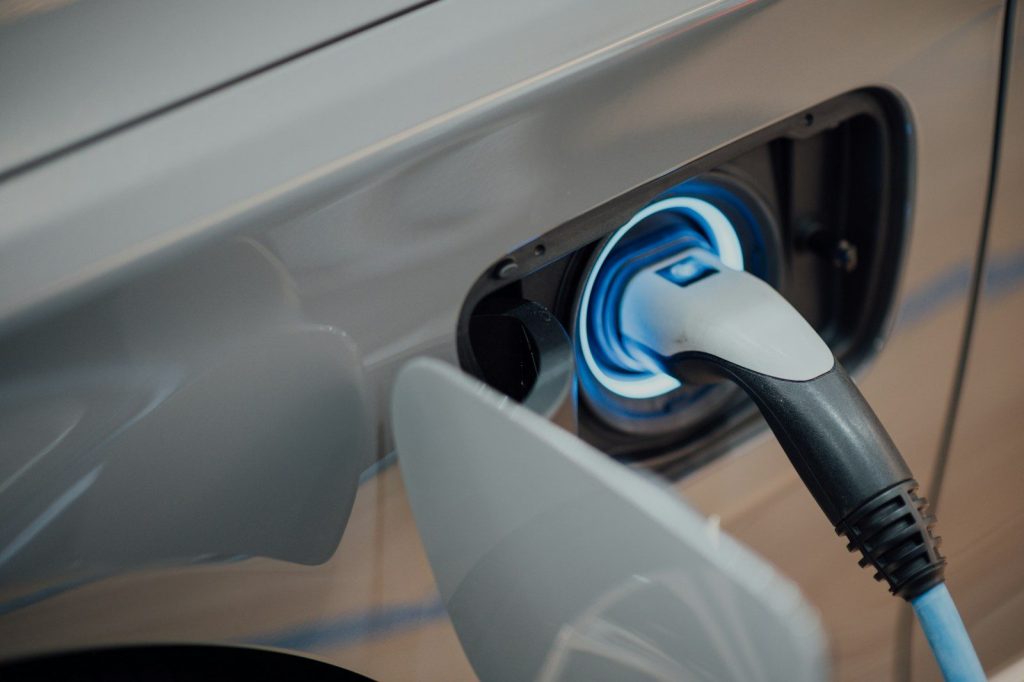
Between 2010 and 2023, global renewable energy investment grew from roughly 180 billion dollars annually to over 1.7 trillion dollars, according to the International Energy Agency. Electric vehicle adoption has accelerated across every major economy. More than 130 countries have now committed to net-zero emissions targets. None of this means the targets will be met. But it means the infrastructure of change is real and growing. Genuine progress. Still insufficient. The gap between where the world is headed and where it needs to go remains significant. Some of the remaining risks are less visible than rising temperatures.
The Dangers That Remain Underestimated
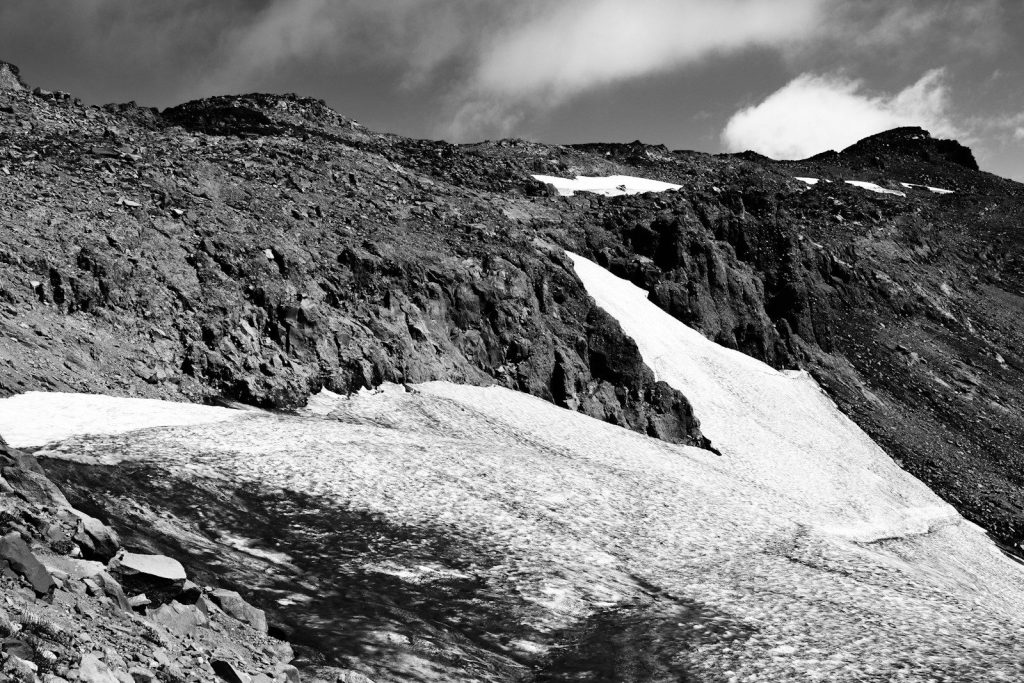
Even in a world that avoids the most extreme warming scenarios, certain risks remain poorly understood and potentially severe. According to climate researchers at the Potsdam Institute for Climate Impact Research, tipping points — thresholds beyond which parts of the Earth system change irreversibly — can be triggered at temperature levels well below the worst-case projections. The melting of the Greenland ice sheet, the dieback of the Amazon rainforest, and the destabilization of permafrost are all processes that may already be underway. These are not distant threats. They are active ones. The revised outlook is not a reason to slow down — it may be a reason to accelerate.
Better News Is Not Enough News
Scientists are not declaring victory. They are updating their models as evidence changes — which is exactly what science is supposed to do. According to the IPCC, avoiding the worst outcomes now requires rapid, deep cuts to emissions across every sector of the global economy before 2030. The window is narrowing. The worst case being off the table is meaningful progress. But meaningful progress is not the same as mission accomplished. The revised outlook is a signal that what we do next still matters enormously. This article is for informational purposes only.
Featured Image: Photo by Erik Mclean on Unsplash
Leave a Reply