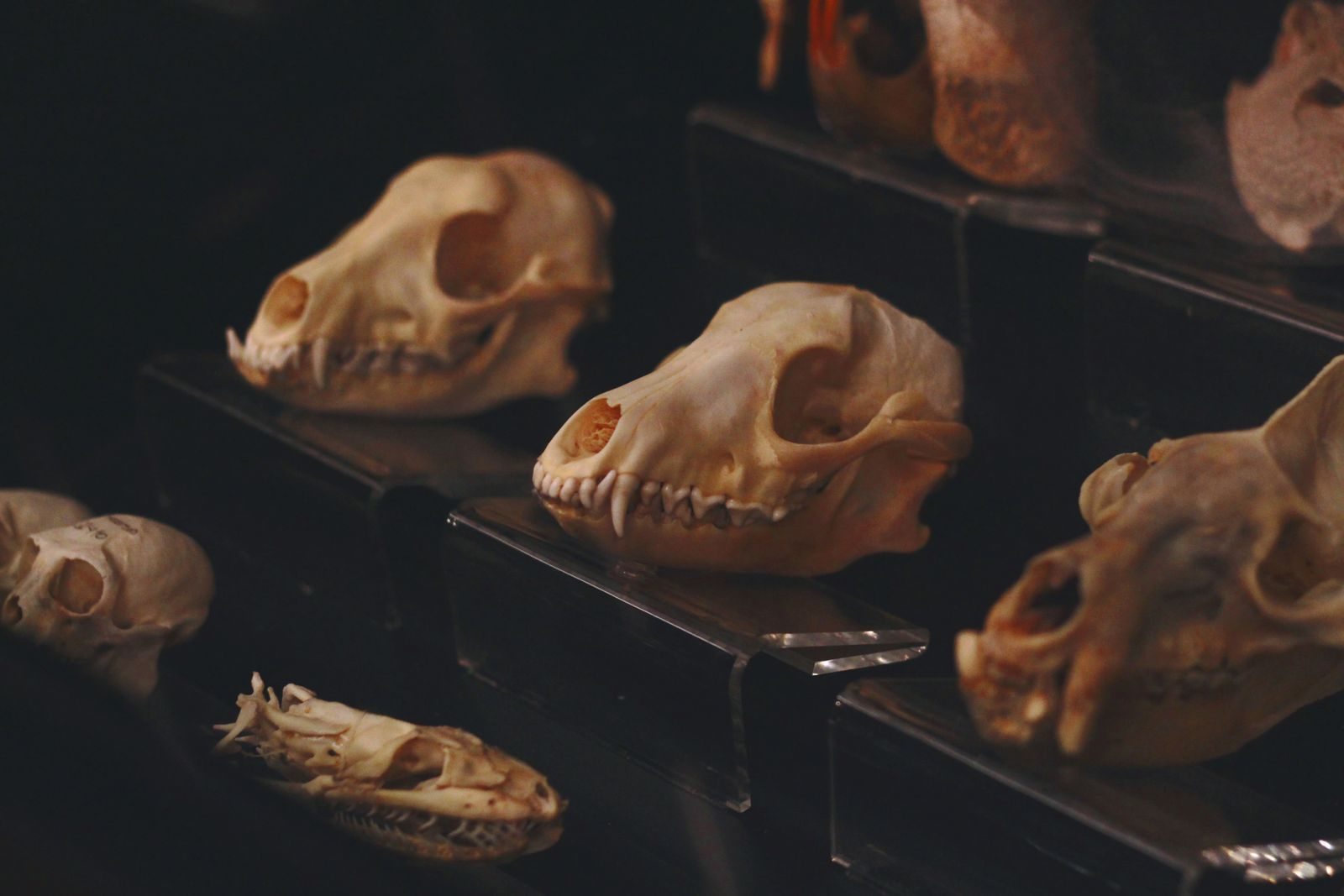
Most people assume that dogs were domesticated during the rise of early agricultural societies. We believe that humans first tamed wild wolves to help guard permanent farms.
But a stunning archaeological discovery has pushed this evolutionary timeline back by thousands of years. Ancient bones prove that humans and dogs lived together long before the ice age ended.
The Prehistoric Discovery
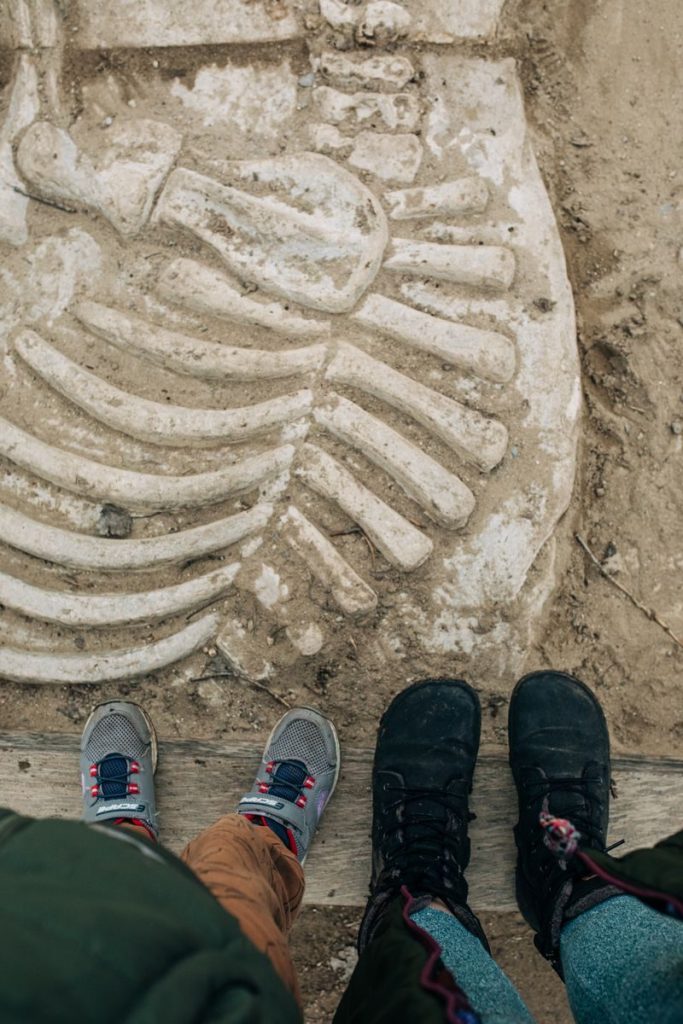
Archaeologists excavating an ancient burial site uncovered a remarkably well-preserved canine skeleton. The community buried the animal directly alongside human remains in a deliberate, caring manner. According to a study in Scientific Reports, this burial dates back over twenty thousand years. It was incredibly old. This discovery suggests a deep emotional bond existed in the deep past.
The Ice Age Survivors

This ancient partnership developed during the peak of the last major ice age. Early hunter-gatherers competed with massive predators for limited food resources. According to evolutionary anthropologists, teaming up with canines gave humans a massive survival advantage. They were perfect partners. This partnership allowed both species to thrive in a freezing world.
Genetic Separation Clues

By analyzing ancient canine DNA, geneticists can track when wolves first split from dogs. This genetic divergence happened much earlier than traditional archaeological models suggested. According to genome studies, the evolutionary separation began over thirty thousand years ago. The split was ancient. This genetic change shows that domestication was a very slow process.
The Hunter Partner

Early dogs did not live as pampered pets in comfortable shelters. They played a vital role in tracking large game across vast distances. According to archaeological surveys, hunters with canine partners secured significantly more meat. They were highly efficient. This cooperative hunting shaped the survival of early human tribes.
The Camp Guard
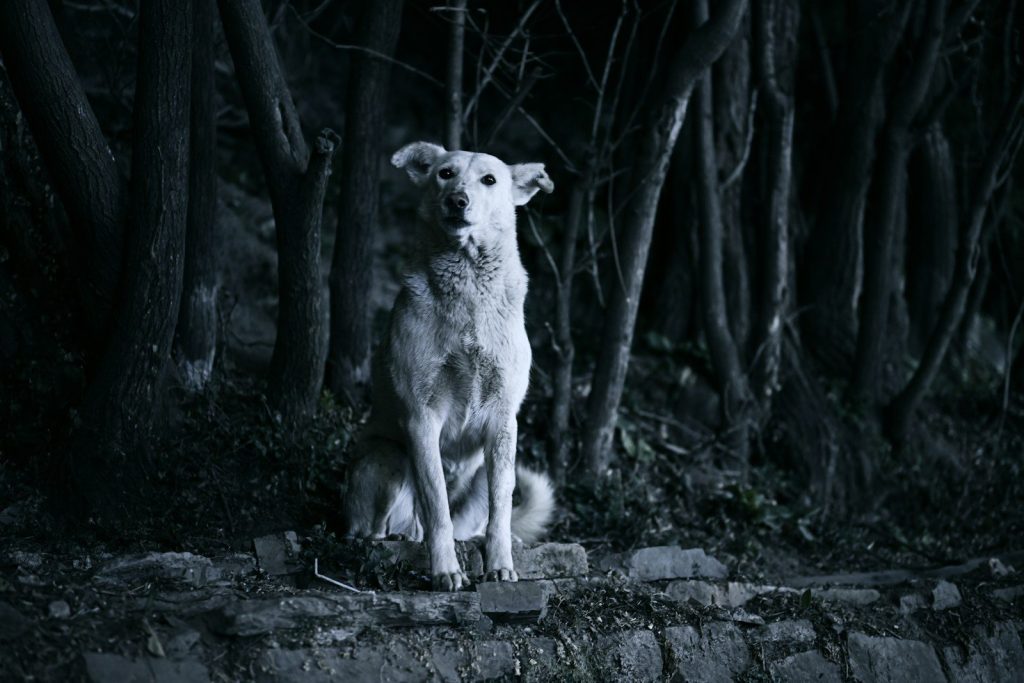
In addition to hunting, these early canines provided crucial protection for temporary human camps. Their highly sensitive hearing and smell detected approaching predators in total darkness. According to behavioral studies, alert dogs warned their human companions of hidden dangers. They were fearless. This constant vigilance kept prehistoric families safe from harm.
A Shared Diet
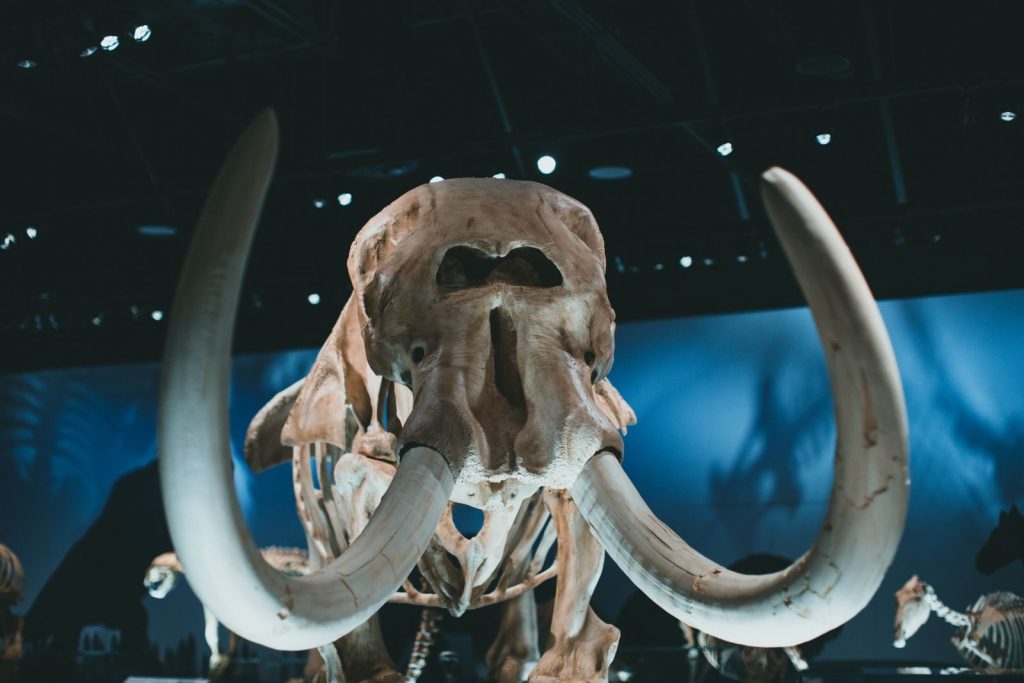
Excavations of early campsites show that humans and dogs shared the same food sources. Chemical analysis of canine bones reveals a diet rich in mammoth and reindeer meat. According to isotopic studies, early human families actively fed and cared for their canine companions. The bond was real. This shared lifestyle built a permanent evolutionary connection.
Morphological Changes Begin
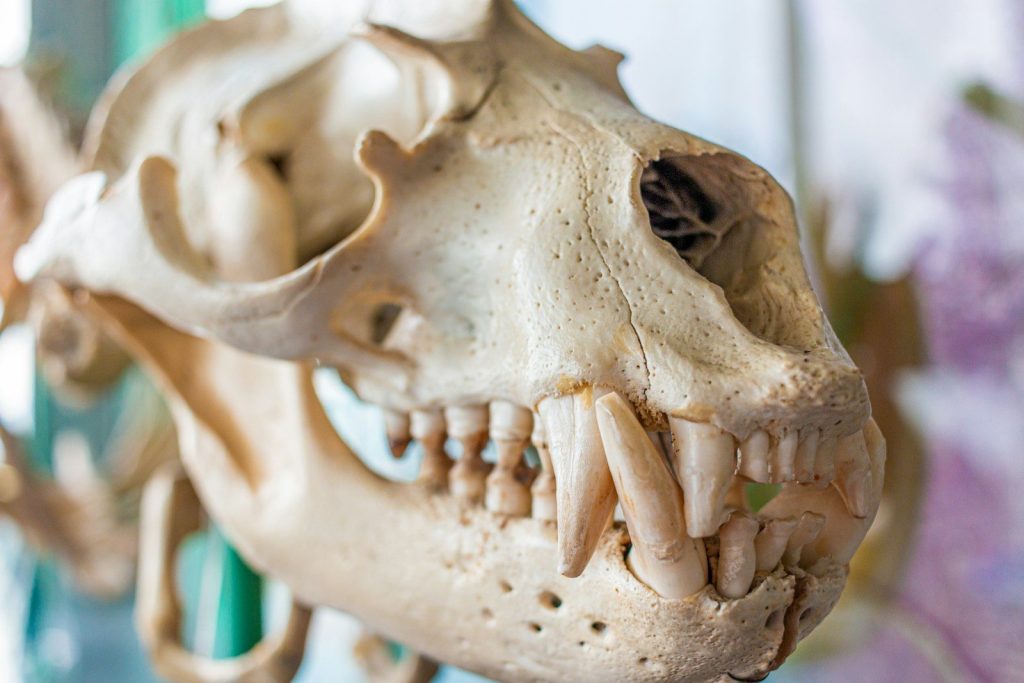
Over generations, the physical shape of these early companions began to change. Their jaws shrank, and their teeth became smaller than those of wild wolves. According to skeletal analysis, these physical changes resulted from living with humans. They looked different. This physical evolution cemented their identity as a distinct species.
The Everlasting Bond

The ancient bones prove that dogs have been our loyal companions since the darkest days of the ice age. This prehistoric partnership shaped human history and helped us conquer the globe. According to evolutionary scientists, understanding this ancient link helps us appreciate our canine friends. This article is for informational purposes only.
Leave a Reply