Most people assume that humanity stopped going to the moon because we lost interest. We believe that space agencies simply completed their work and turned to other cosmic goals.
But the real reason we halted lunar exploration is driven by extreme engineering and economic barriers. This prolonged pause was forced by high-stakes challenges that are rarely discussed in public.
The Cost Of Cosmic Flight

The Apollo missions were incredibly expensive and consumed a massive portion of the federal budget. Building giant rockets required an unsustainable level of national funding. According to NASA historical records, the Apollo program cost over twenty-five billion dollars in the 1960s. The budget was unsustainable. This extreme cost made future lunar trips politically impossible.
The Lunar Dust Threat
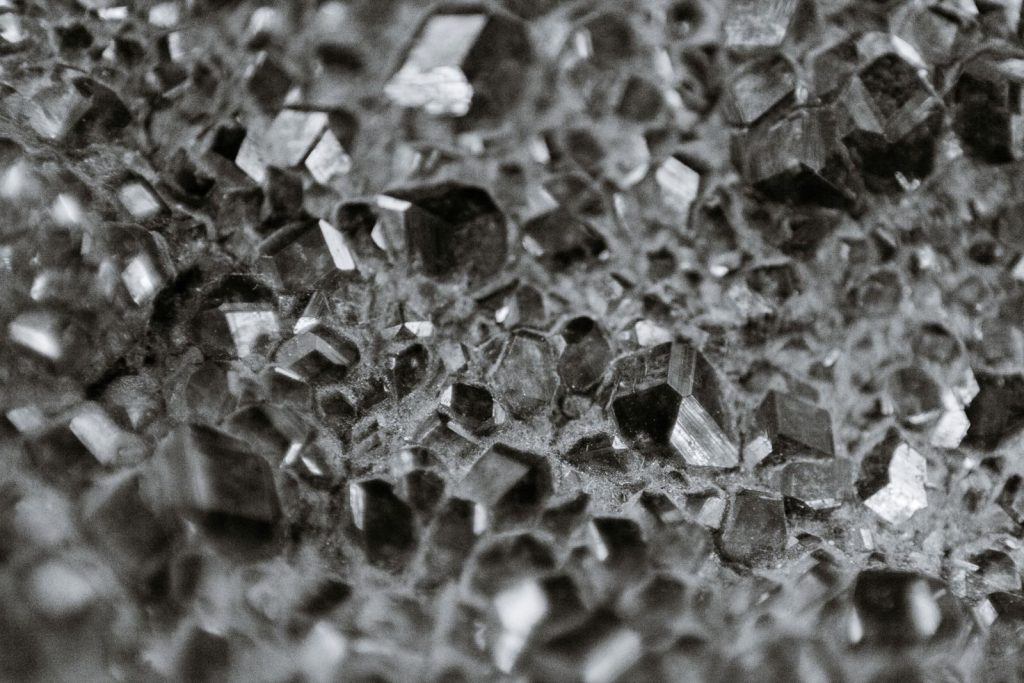
The moon has a thick covering of sharp, abrasive dust called regolith. This fine powder clings to spacesuits and quickly destroys delicate scientific instruments. According to lunar science reports, the microscopic particles pose a severe health risk to astronaut lungs. It is highly toxic. This abrasive dust remains a major hurdle for long-term survival.
The Radiation Danger
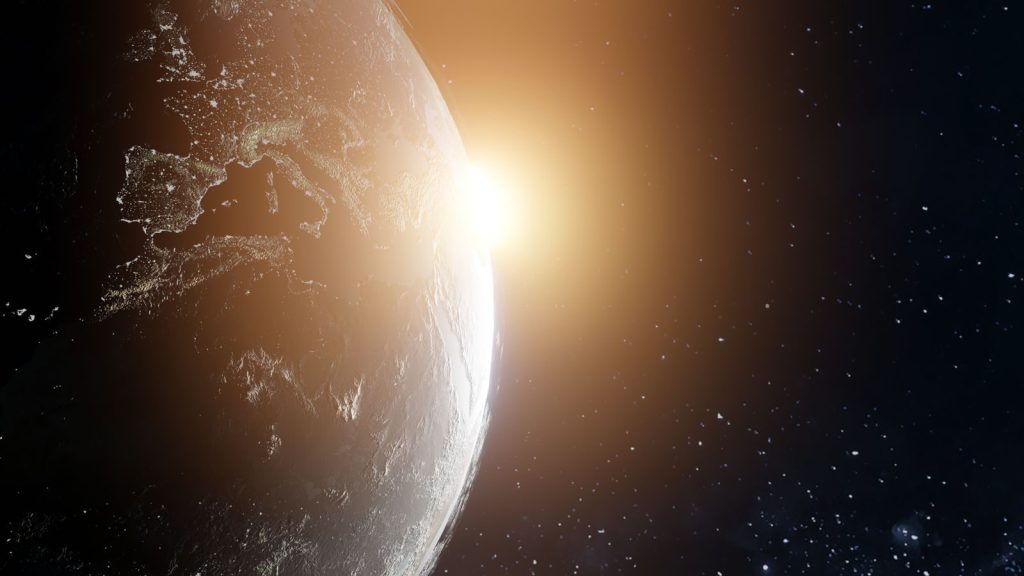
Once spacecraft leave Earth’s protective magnetic field, astronauts face intense space radiation. High-energy solar particles and cosmic rays cause severe cellular damage over time. According to studies in Space Weather, developing effective radiation shielding remains incredibly difficult. The danger is constant. This solar threat has kept human missions close to home.
The Political Shift

The space race originally grew from intense geopolitical competition during the Cold War. When that global rivalry cooled, funding for high-risk space exploration dried up. According to political historians, the government shifted its focus to terrestrial economic issues. The pressure was gone. This shift in national priorities halted rocket development.
The Lost Rocket Technology

After Saturn V retired, workers dismantled the specialized factories and tooling. The highly skilled engineers who built those massive machines retired over the following years. According to manufacturing engineers, space agencies lost the physical ability to build those rockets. The knowledge was gone. Rebuilding this complex infrastructure took decades.
The New Lunar Race
Today, a new generation of robotic spacecraft maps the moon’s southern pole. Space agencies search for water ice hidden inside permanently shadowed craters. According to reports from the European Space Agency, this water ice can provide rocket fuel. The prize is huge. This discovery is driving a brand-new space race.
The Return To Space
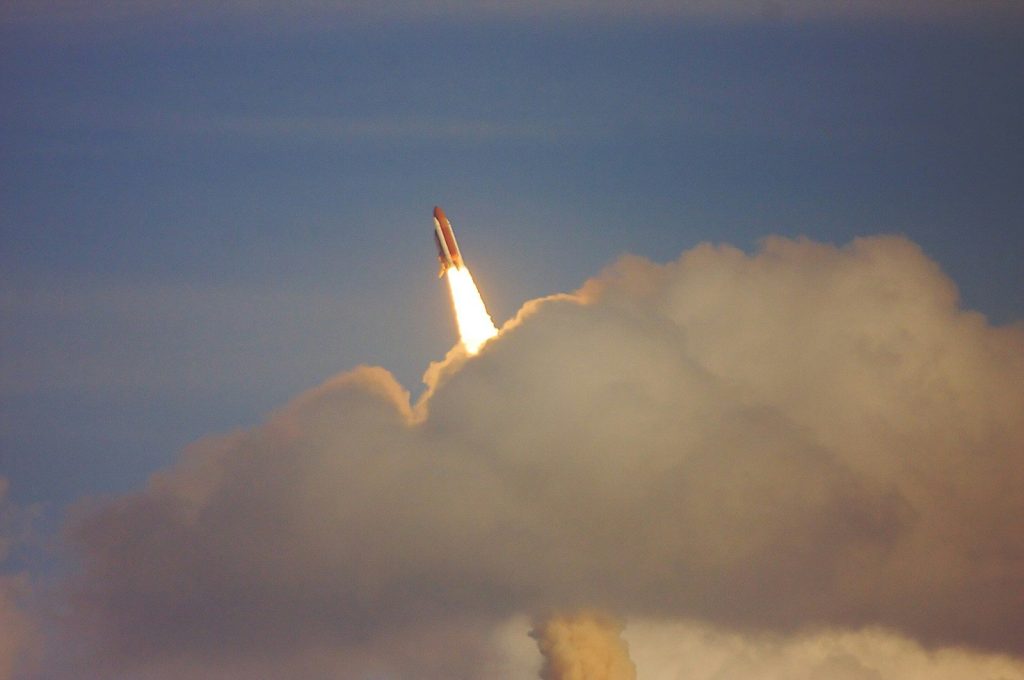
Our long absence from the moon is finally ending as modern technology drives costs down. Private space firms and global agencies collaborate to build permanent lunar bases. According to aerospace experts, these upcoming missions represent crucial stepping stones for Mars. This article is for informational purposes only.
Leave a Reply