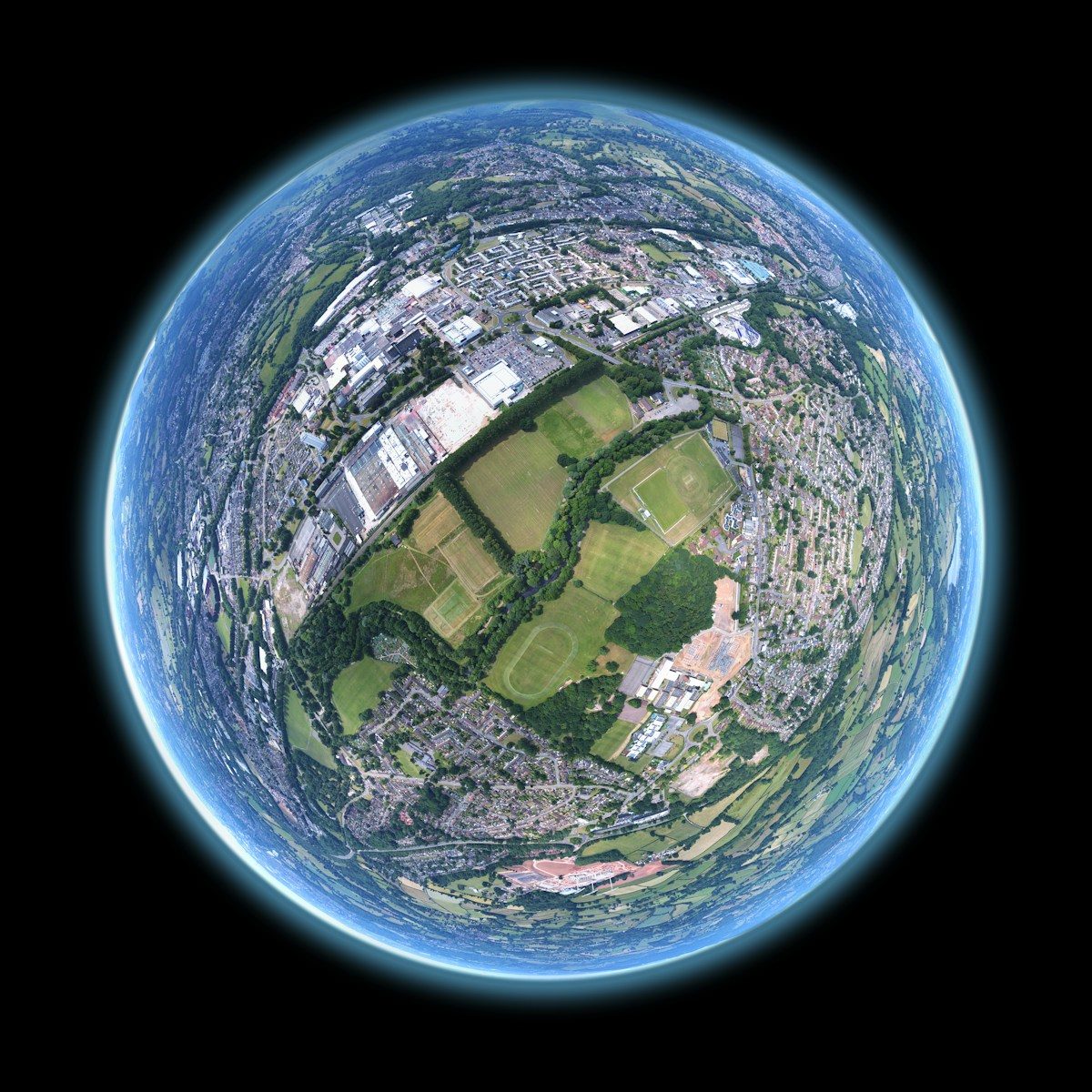
We assume that modern climate models track global warming with perfect accuracy. Most people believe that supercomputers already calculate every environmental factor on Earth.
But a newly analyzed geological source has revealed a massive data gap. This overlooked natural process has completely shifted our understanding of planetary warming.
Deep Ocean Heat Vents
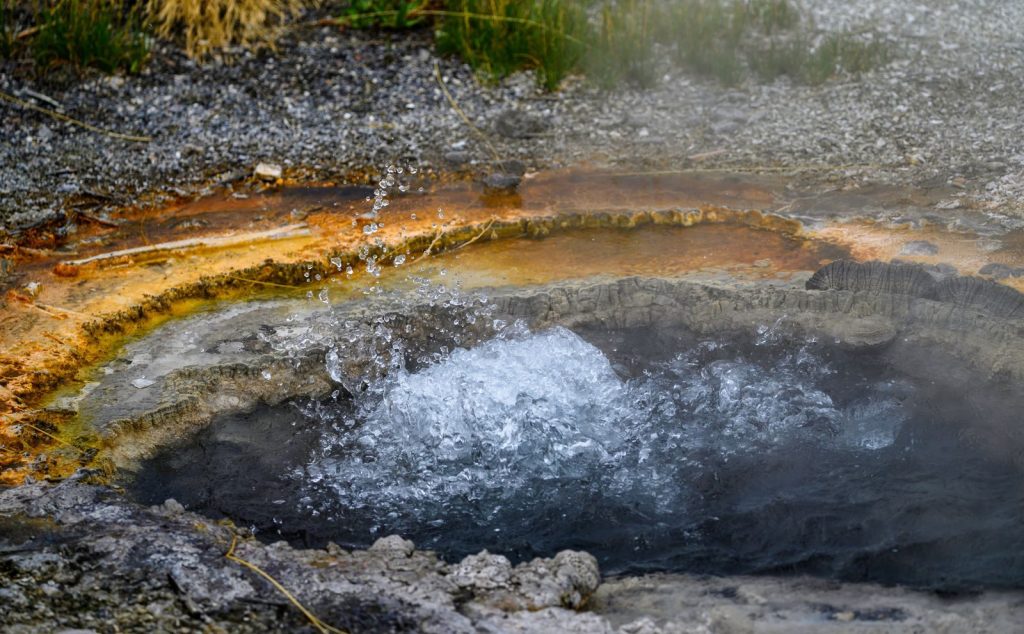
Most global digital models focus primarily on atmospheric data and shallow sea temperatures. They completely overlook the deep ocean floor where tectonic plates shift. According to researchers at the National Oceanic and Atmospheric Administration, thousands of active geothermal vents release massive heat directly into deep water. Volcanism is powerful. This thermal energy creates an ocean heat layer that models never predicted.
Active Soil Microbes
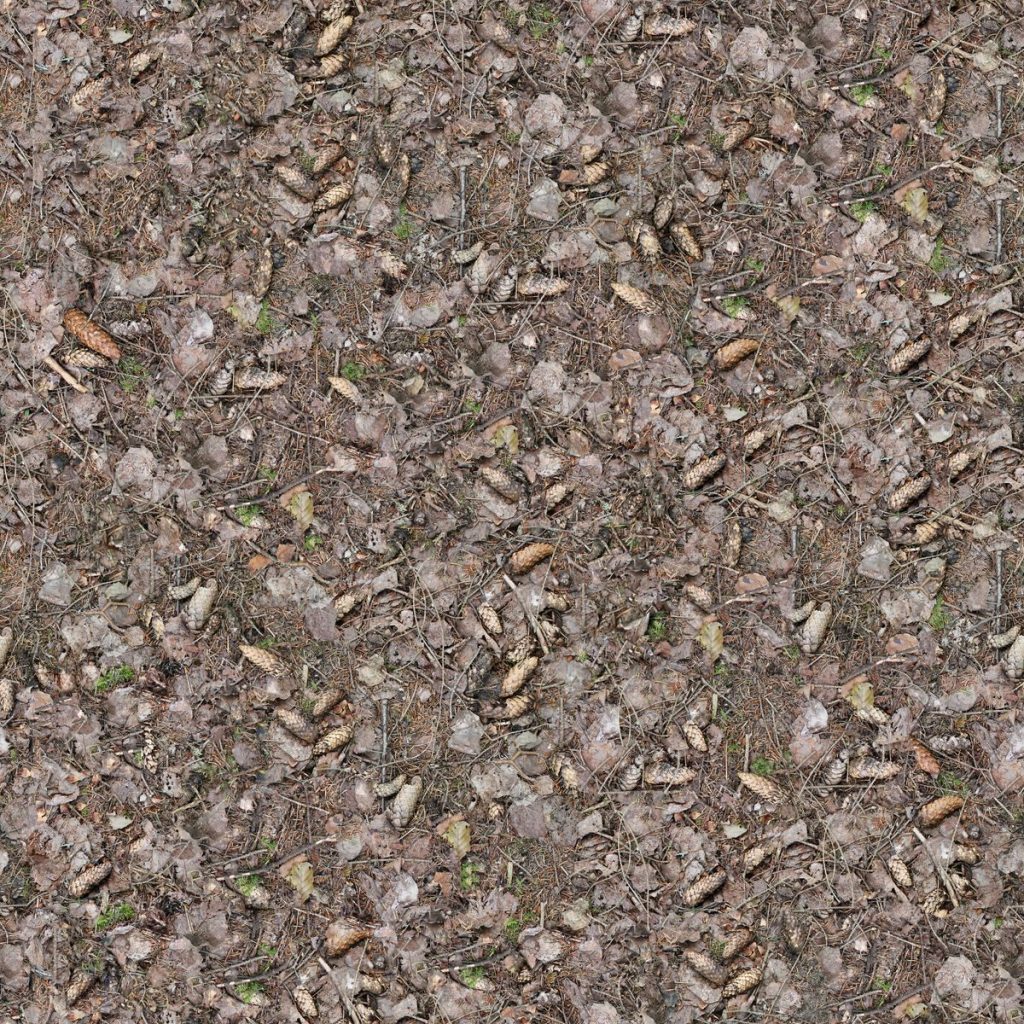
Deep within our planet’s forests, underground microbes break down organic materials. This simple natural cycle releases carbon dioxide directly back into the air. According to a study in Nature, standard climate models consistently underestimate the heat output from these organisms. Soil is alive. This quiet biological activity releases far more gas than anyone assumed.
Giant Kelp Forests
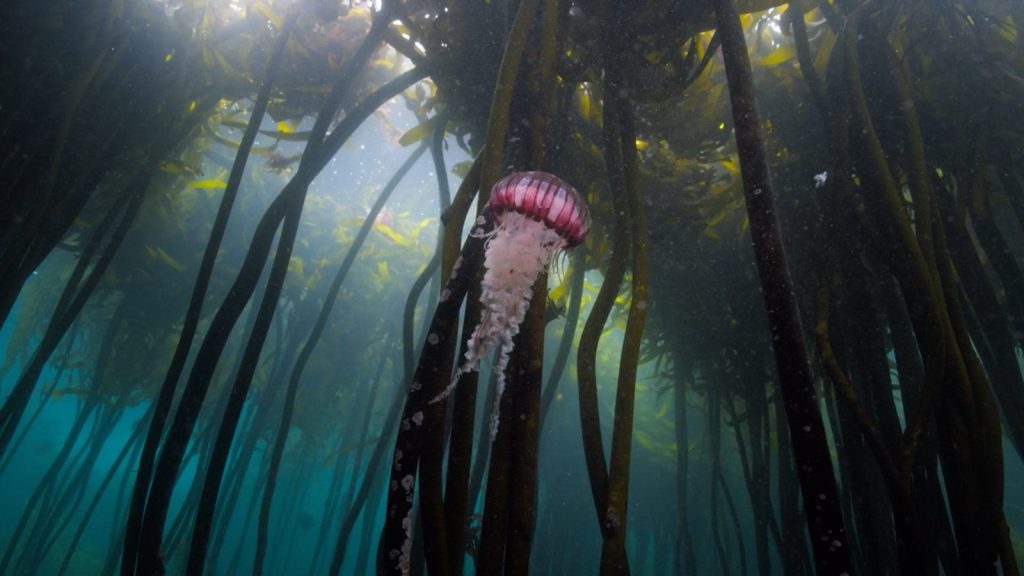
Coastal sea plants absorb massive amounts of carbon dioxide from the surrounding water. These underwater meadows act as giant buffers against global warming. According to marine ecologists, current computer models ignore up to forty percent of this coastal plant absorption. Kelp grows fast. This hidden botanical shield plays a massive role that we are only beginning to measure.
High Altitude Clouds

Thin ice clouds floating miles above the ground either trap heat or reflect sunlight. Capturing their exact movements on a digital grid is incredibly difficult. According to atmospheric scientists, current computer models simplify these complex cloud physics to save processing power. Clouds are elusive. This minor simplification creates massive errors in our long-term temperature forecasts.
Wildfire Smoke Chemistry
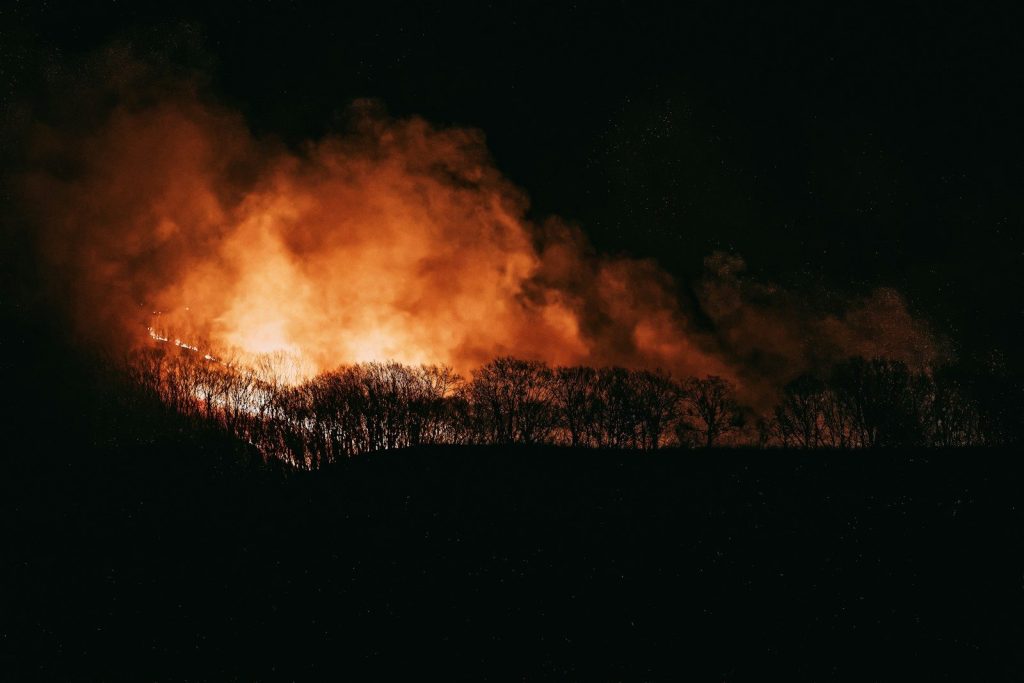
When massive forest fires burn, they release dense plumes of dark soot. This smoke interacts with sunlight in highly complex chemical ways. According to chemical researchers, standard models treat this soot as simple dark particles rather than active solar filters. Fires are changing. This chemical blind spot masks how much heat these soot particles actually trap.
Frozen Tundra Lakes
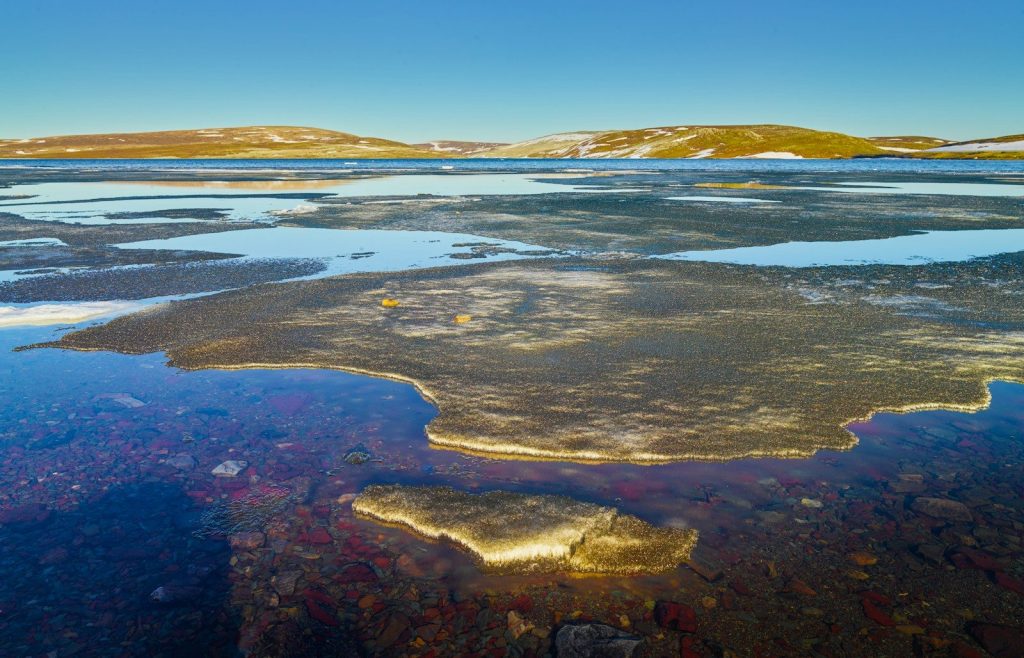
As northern soils thaw, small bodies of water form across the Arctic landscape. These muddy pools trap decaying plants and bubble with flammable gas. According to the United States Geological Survey, these remote lakes release carbon at an accelerating pace. Mud is bubbling. This rapid gas release creates a warming cycle that digital models struggle to calculate.
Deep Ice Movements
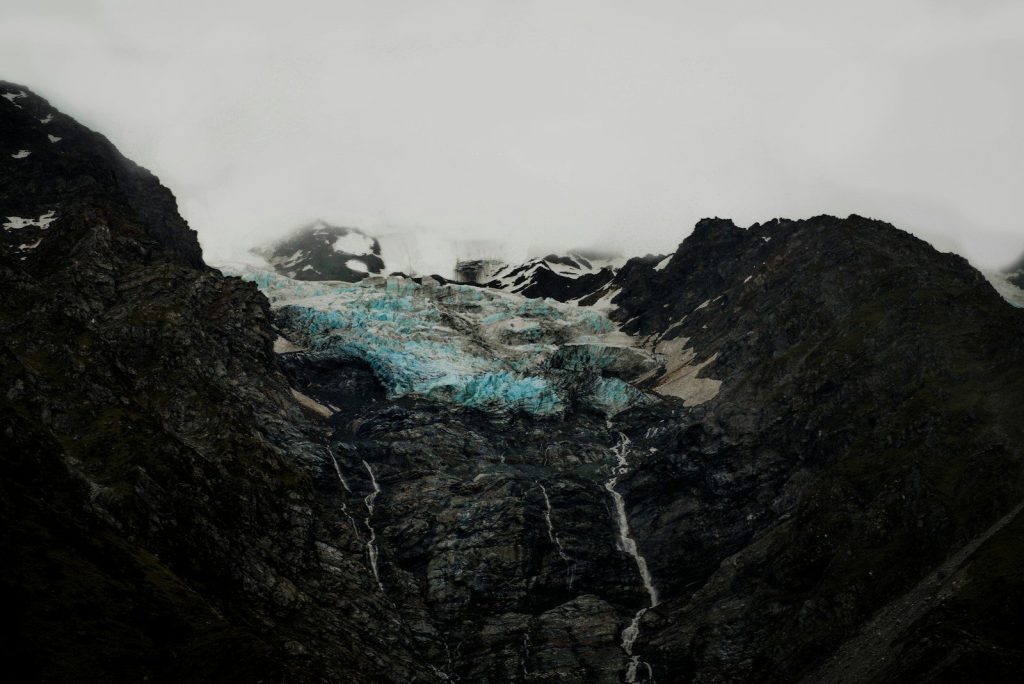
Glaciers do not just melt slowly from the warm air above. They slide on hidden rivers of liquid water flowing beneath the solid ice. According to polar glaciologists, this sliding speed accelerates the collapse of massive ice sheets. Ice is shifting. This lubrication process means ocean levels will adjust much faster than old models predicted.
Gathering Real Metrics
Our planet operates on complex biological and geological networks that computers cannot easily replicate. Correcting these data gaps will help us protect vulnerable coastal regions. According to climatologists, we must build better physical sensors to gather real-world facts rather than relying solely on digital simulations. Science must adapt. This article is for informational purposes only.
Featured Image: Photo by Louis Reed on Unsplash
Leave a Reply