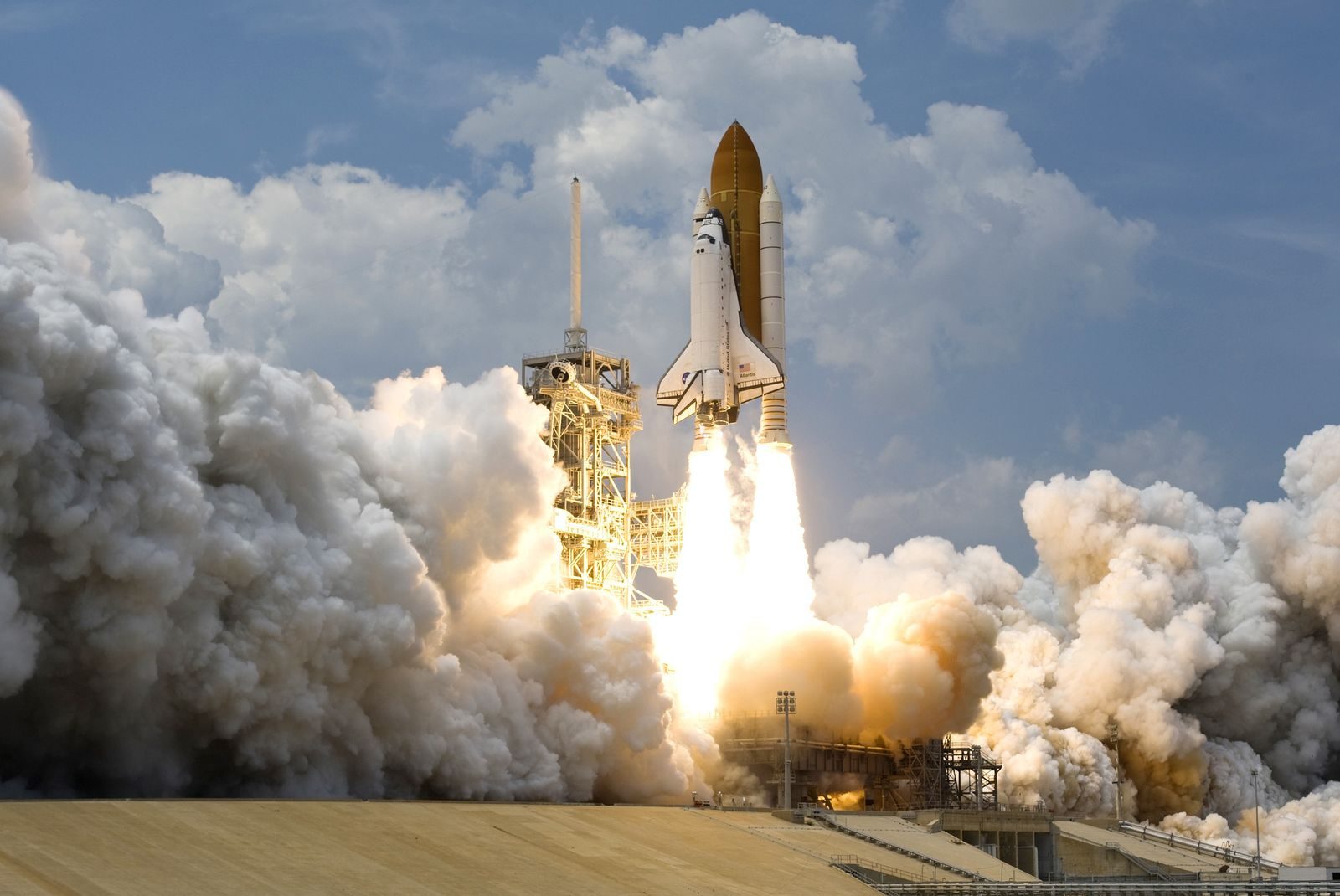
Most space enthusiasts assume that returning to the Moon is a simple engineering task. We believe that we already mastered this technology decades ago.
But modern rockets face entirely new and unexpected hurdles today. These high-tech challenges are delaying our grand voyage back to the stars.
The Missing Shield Tech
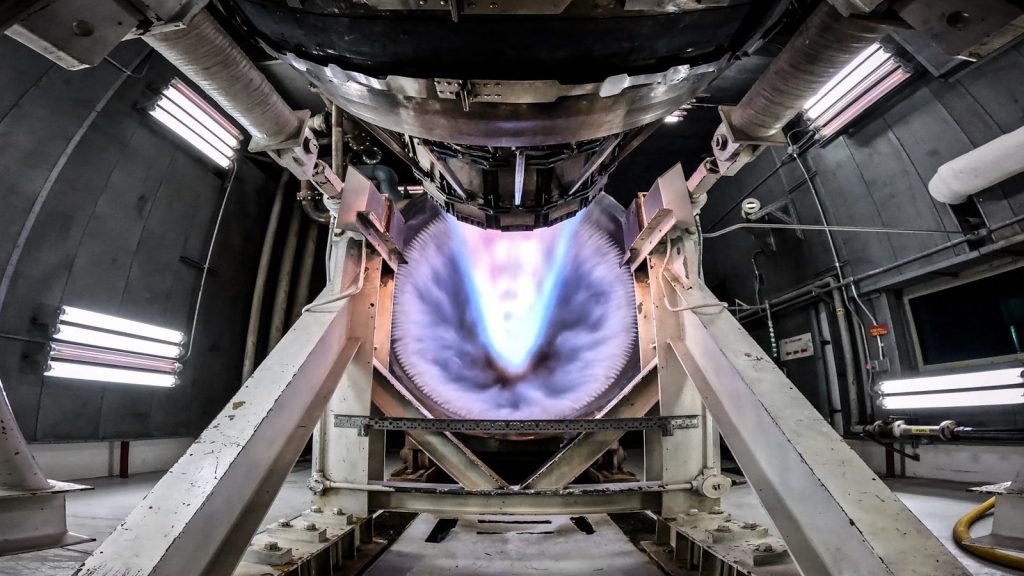
Modern spacecraft require advanced shielding to protect future crews from extreme solar radiation. Traditional insulation no longer meets modern deep-space safety standards. According to NASA, developers are struggling to manufacture lightweight materials that block cosmic rays effectively. The risk is high. This protection issue represents just one barrier holding back our launch schedules.
Leaking Launch Valves
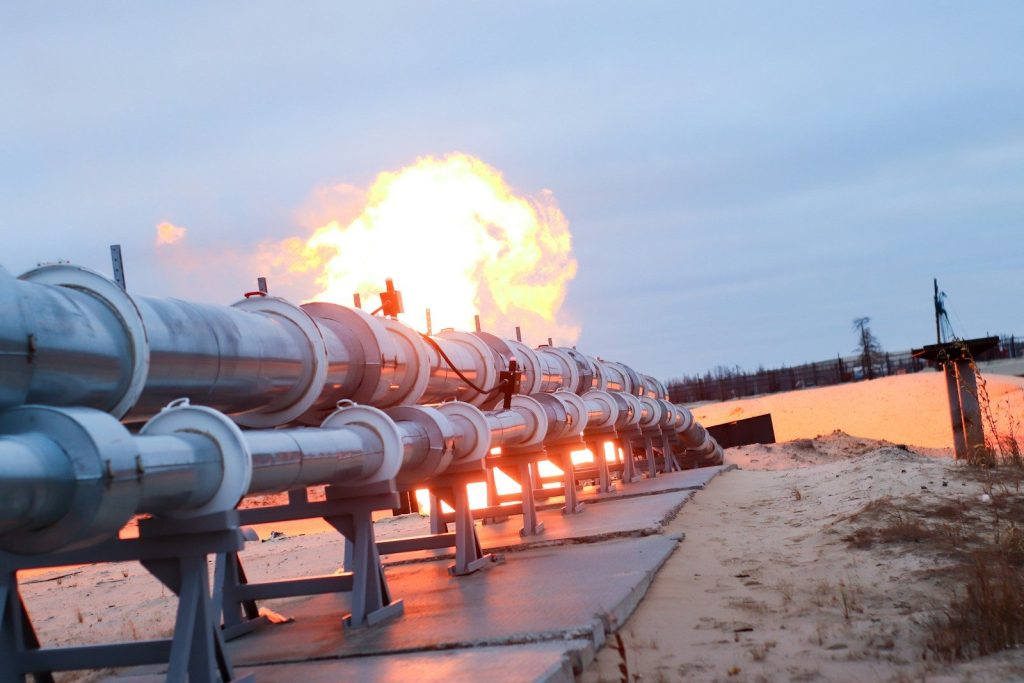
Engineers noticed mysterious gas leaks during recent ground tests of the heavy booster. These specialized fuel valves manage volatile supercooled liquid oxygen under extreme pressure. According to space agency engineers, the current valve designs fail when temperatures drop too low. Engines need fuel. This valve defect has forced technicians to redesign key parts from scratch.
The Space Suit Struggle
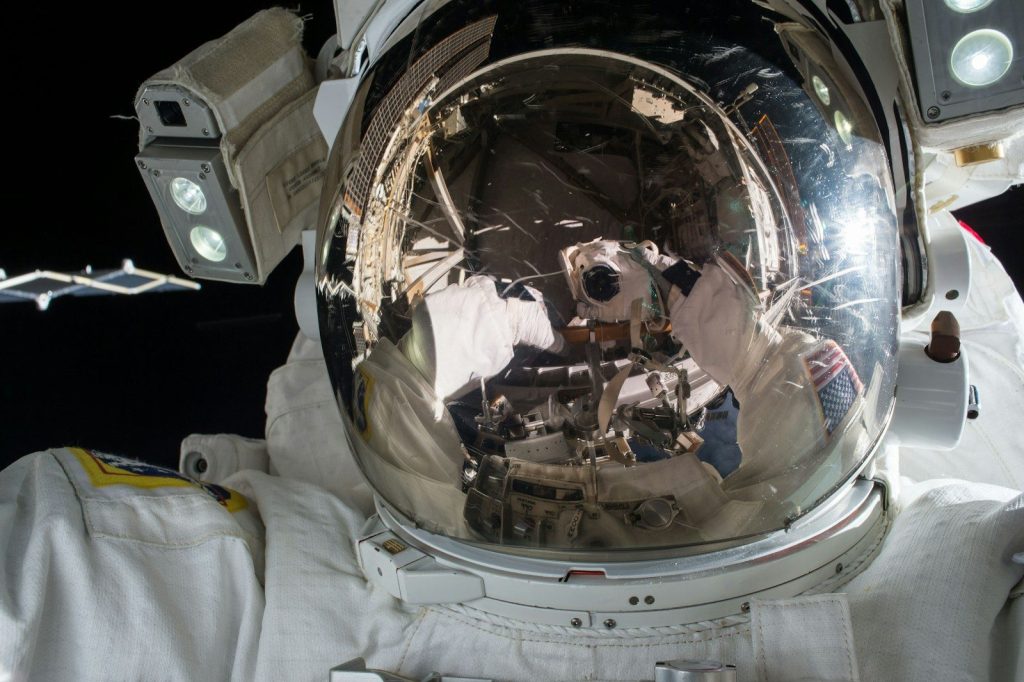
Astronauts cannot walk on the lunar surface without highly advanced mobile life support systems. The old planetary suits from previous decades are completely outdated. According to reports from the Government Accountability Office, creating flexible suits with reliable dust-repellent layers takes far longer than expected. They are complex. This textile delay means walking on the dusty surface remains years away.
Lost Manufacturing Skills

Building massive rockets requires highly specialized welding techniques and industrial knowledge. Many technicians who built the original Saturn vehicles retired decades ago. According to history journals, companies are struggling to train young workers in these precision methods. Experience is vital. This human labor shortage has slowed down the physical assembly of key rocket parts.
Extreme Budget Pressures

Constructing deep-space vehicles requires billions of dollars in continuous public funding. Unexpected development setbacks constantly push these astronomical costs higher. According to agency budget reports, rising material costs have drained the program of its reserve funds. Money is tight. This financial strain is forcing coordinators to scale back active test flights.
Delicate Lunar Landers
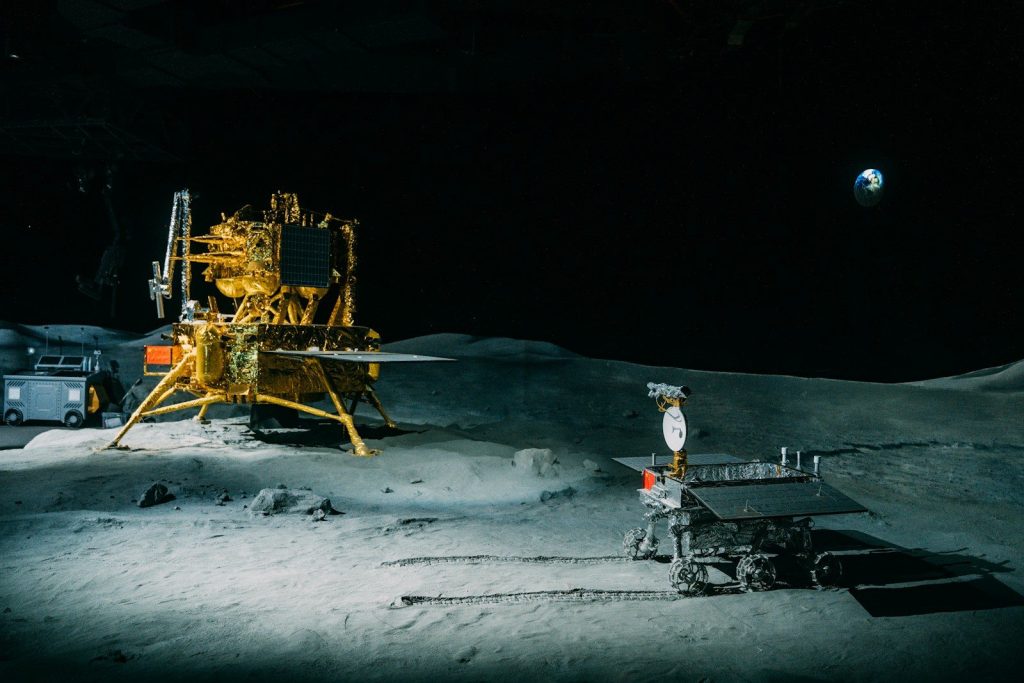
The planned lunar vehicle requires unique thrusters to descend safely onto the jagged crater floors. These private landing vehicles have never completed a full trial in real space conditions. According to aerospace engineering firms, securing these complex propulsion systems requires several additional test years. Space is unforgiving. These propulsion tests are hiding a much bigger challenge on the pad.
A Patient Journey
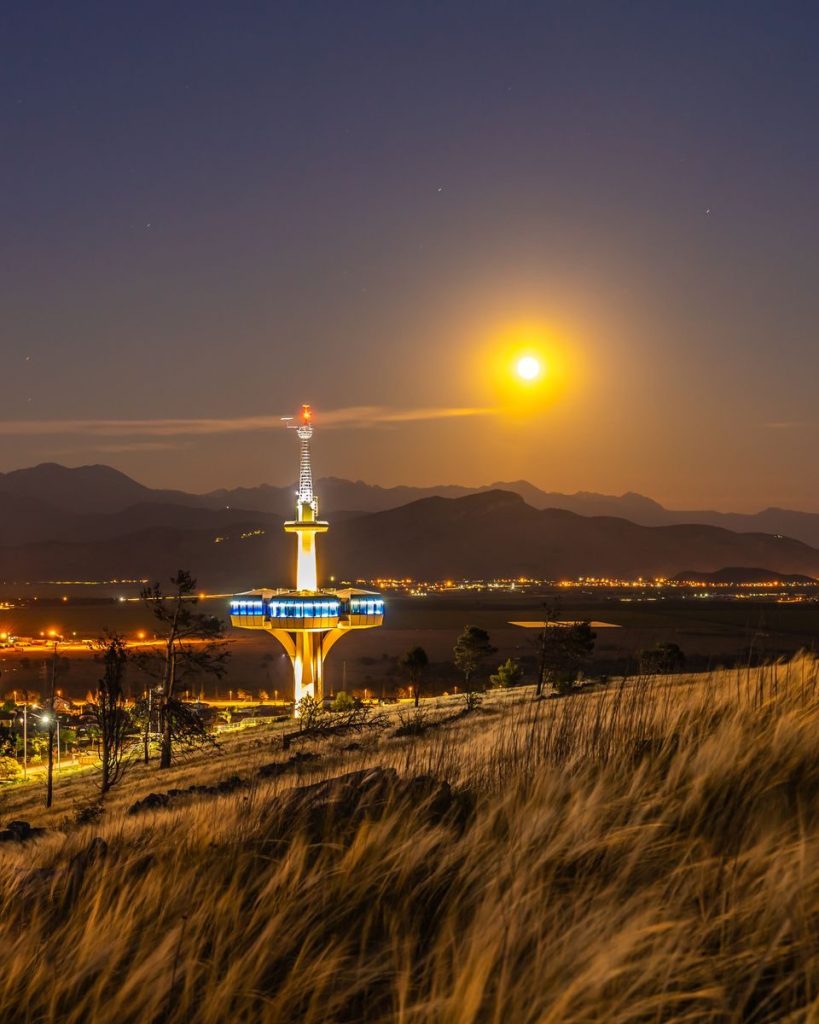
Our modern return to the Moon requires absolute precision rather than a hasty rush. While delays are frustrating, they ensure that astronauts survive the hostile lunar landscape safely. According to space analysts, taking time to solve these engineering puzzles will build a permanent home in space. We must wait. This article is for informational purposes only.
Leave a Reply