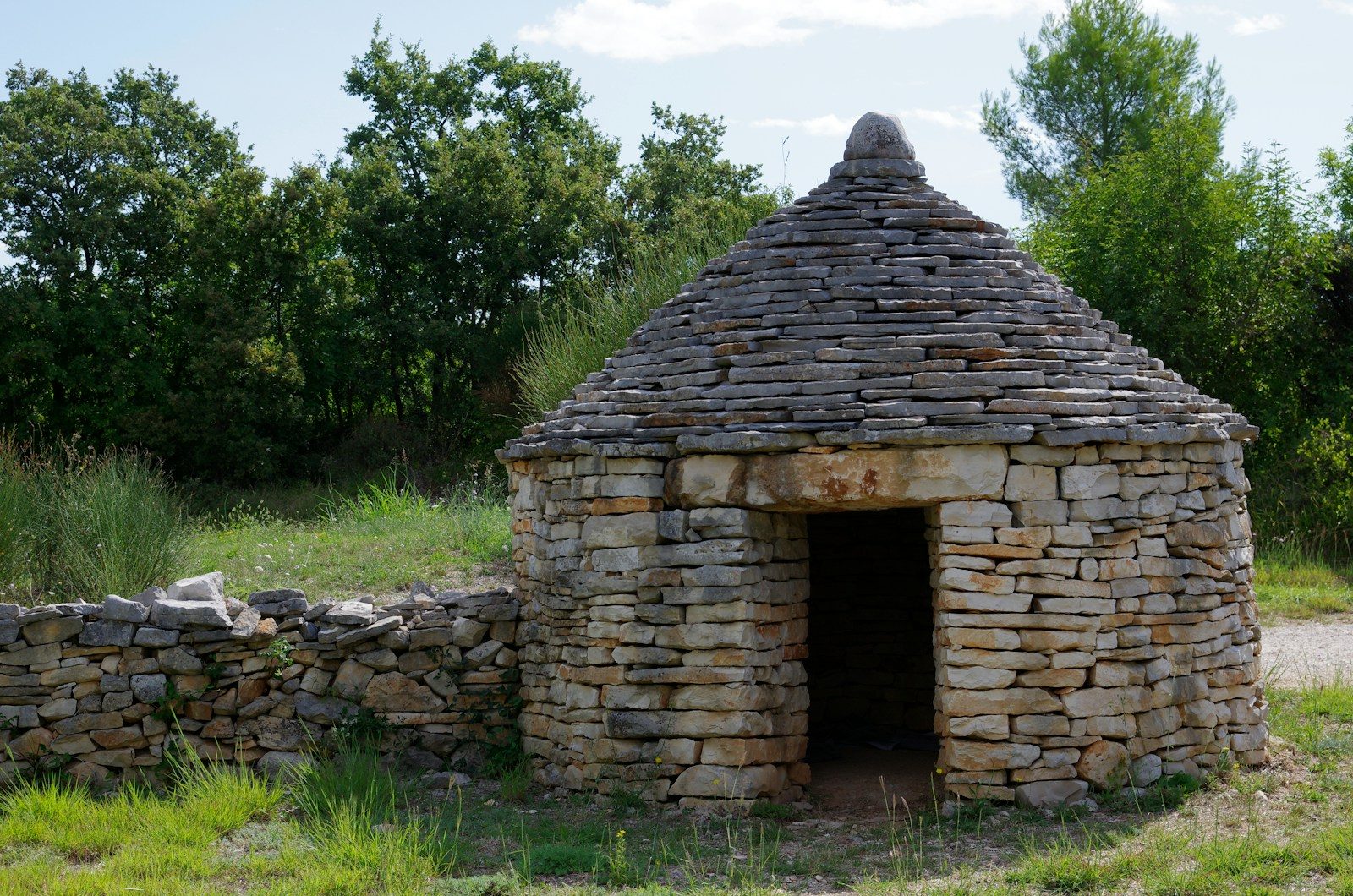
Historians have always believed that early European farmers lived in flimsy wooden huts. We assumed that permanent stone engineering only began thousands of years later.
But a stunning excavation in France has completely shattered this timeline. Archaeologists have uncovered a massive prehistoric fortress built with advanced masonry.
The Unexpected Dig

Excavators working in the French countryside expected to find typical clay ruins. Instead, they hit a massive underground structure. According to the French National Institute for Preventive Archaeological Research, this ancient dwelling dates back seven thousand years. It was incredibly sturdy. But the sheer scale of the masonry pointed to a highly advanced construction method.
Master Stone Cutters
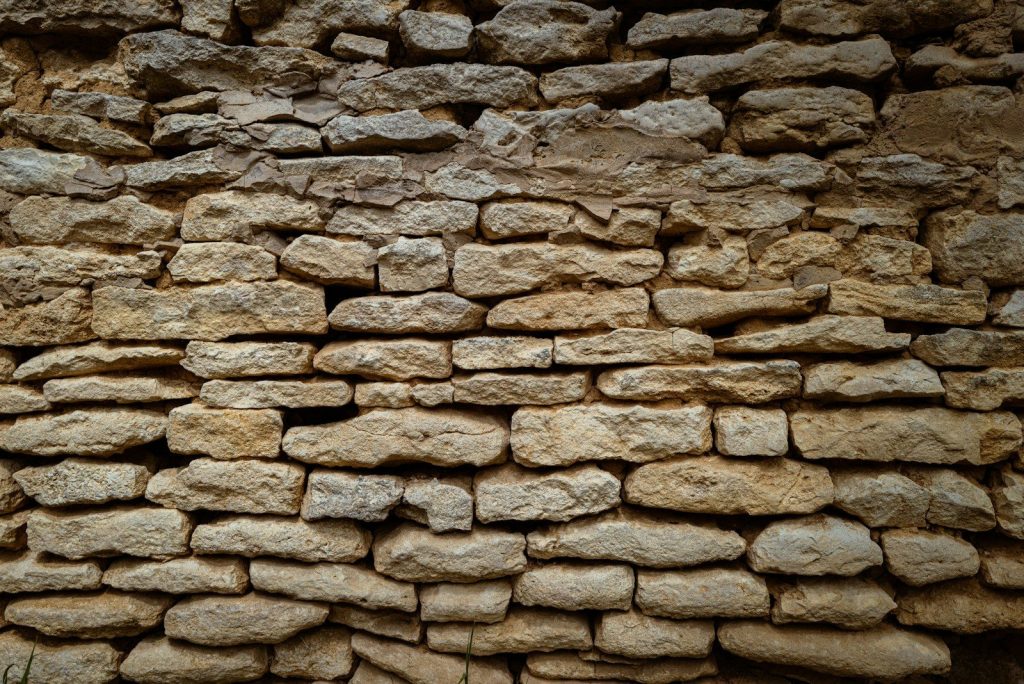
The builders did not just pile up random boulders to make walls. They carefully shaped giant limestone blocks to fit together perfectly. According to geological surveys, this complex technique was completely unknown in Europe during this era. They were true pioneers. Yet, the way they moved these heavy stones remains a massive puzzle.
A High Tech Village
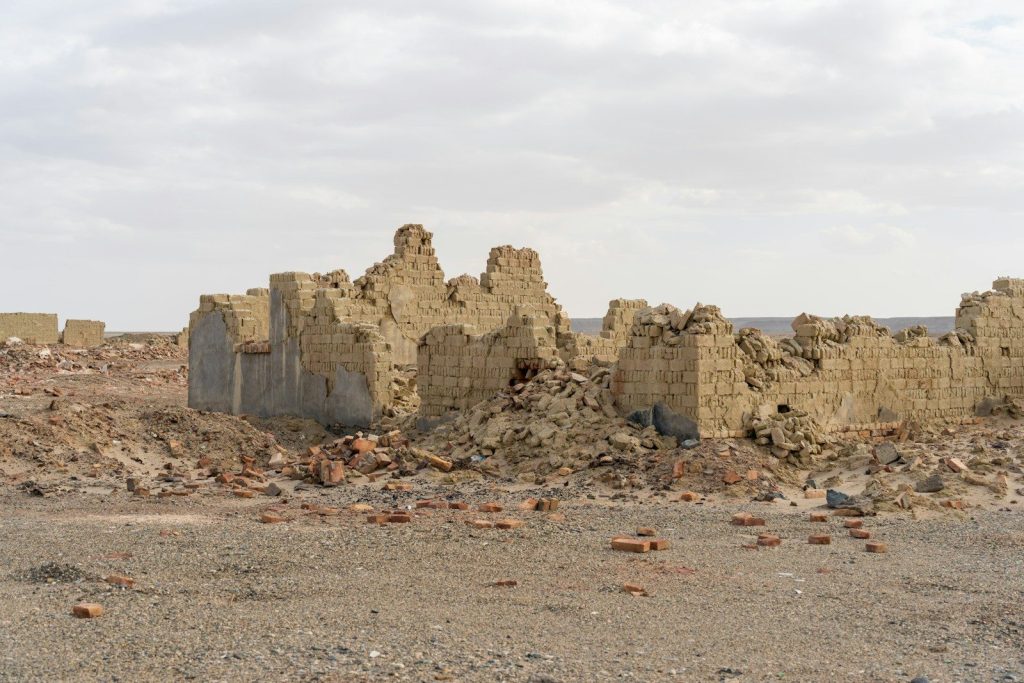
This single stone house was actually part of a much larger settlement. The site featured complex drainage channels and defensive ditches. According to archaeological reports, this early village showed signs of advanced urban planning. It was highly organized. But the artifacts found inside the stone walls would reveal an even greater secret.
Prehistoric Trade Networks

Researchers excavating the floor discovered rare obsidian blades and beautifully polished axe heads. These exotic materials did not originate anywhere near the French valley. According to laboratory analysis, these tools came from volcanic islands hundreds of miles away. They traded across seas. This active trade network suggests they had access to some incredible seafaring technology.
Surviving The Elements
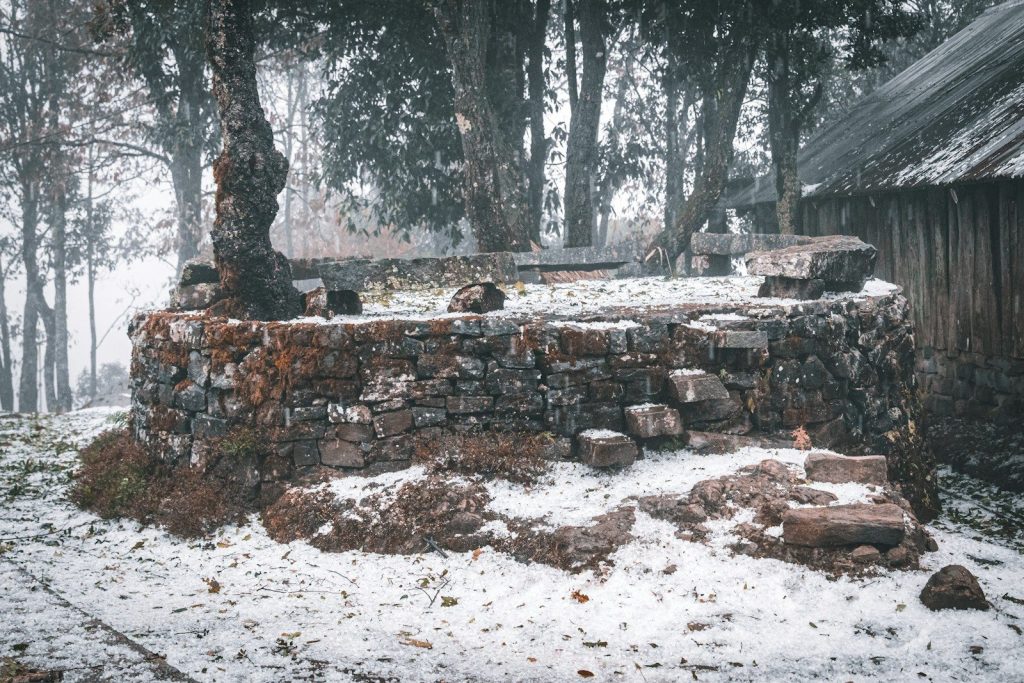
The climate of Europe was shifting dramatically when this house was built. Rising temperatures forced these early farmers to adapt their architecture. According to climate historians, stone walls provided vital insulation against both blistering summer heat and freezing winter winds. The design worked perfectly. Yet, this advanced settlement suddenly vanished from the historical record.
The Eerie Disappearance
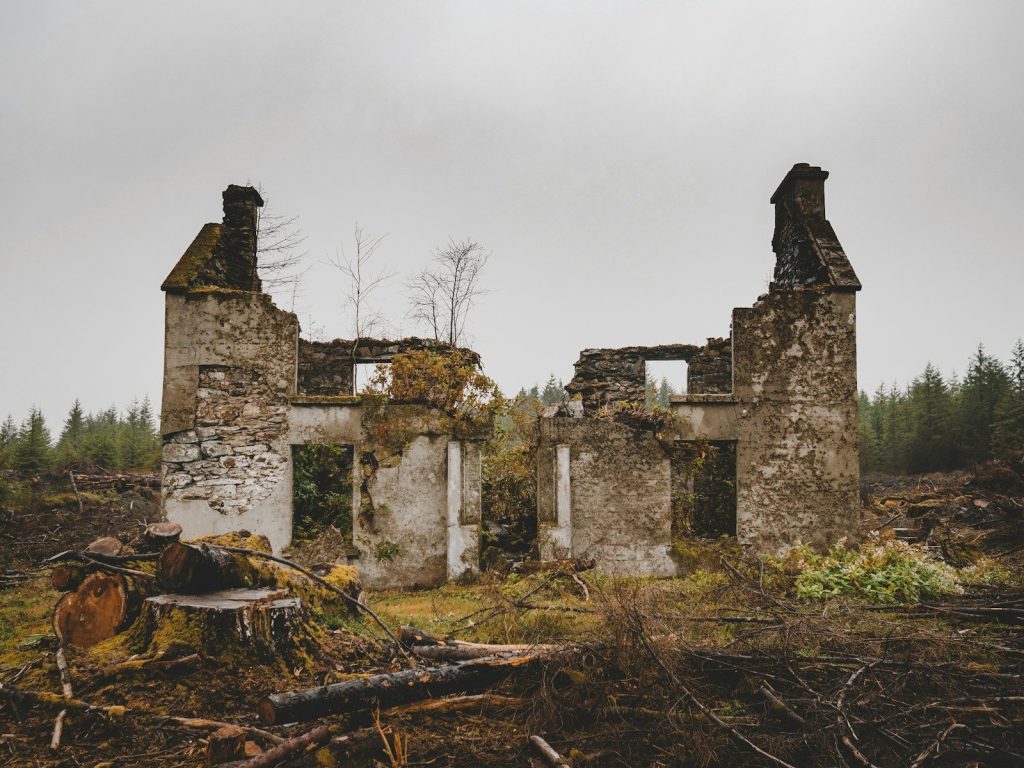
Archaeologists found no signs of warfare or violent destruction at the site. The inhabitants simply packed up their belongings and walked away. According to local historical archives, other nearby communities also dissolved during this exact century. It was completely silent. Scientists are now looking at geological records to find what drove them out.
Tracing The Cataclysm

A sudden prolonged drought might have dried up the local river networks. Without water, these master builders could no longer support their agriculture. According to earth scientists, a massive shifting weather pattern disrupted farming across the region. Crops failed completely. This environmental crisis forced them to abandon their stone sanctuary for a highly uncertain future.
The Neolithic Legacy

This seven-thousand-year-old house proves that early European societies were far more advanced than we assumed. They were brilliant. According to the French Ministry of Culture, this unique site will rewrite the history of early architecture. This article is for informational purposes only.
Featured Image: Photo by Lothar Boris Piltz on Unsplash
Leave a Reply