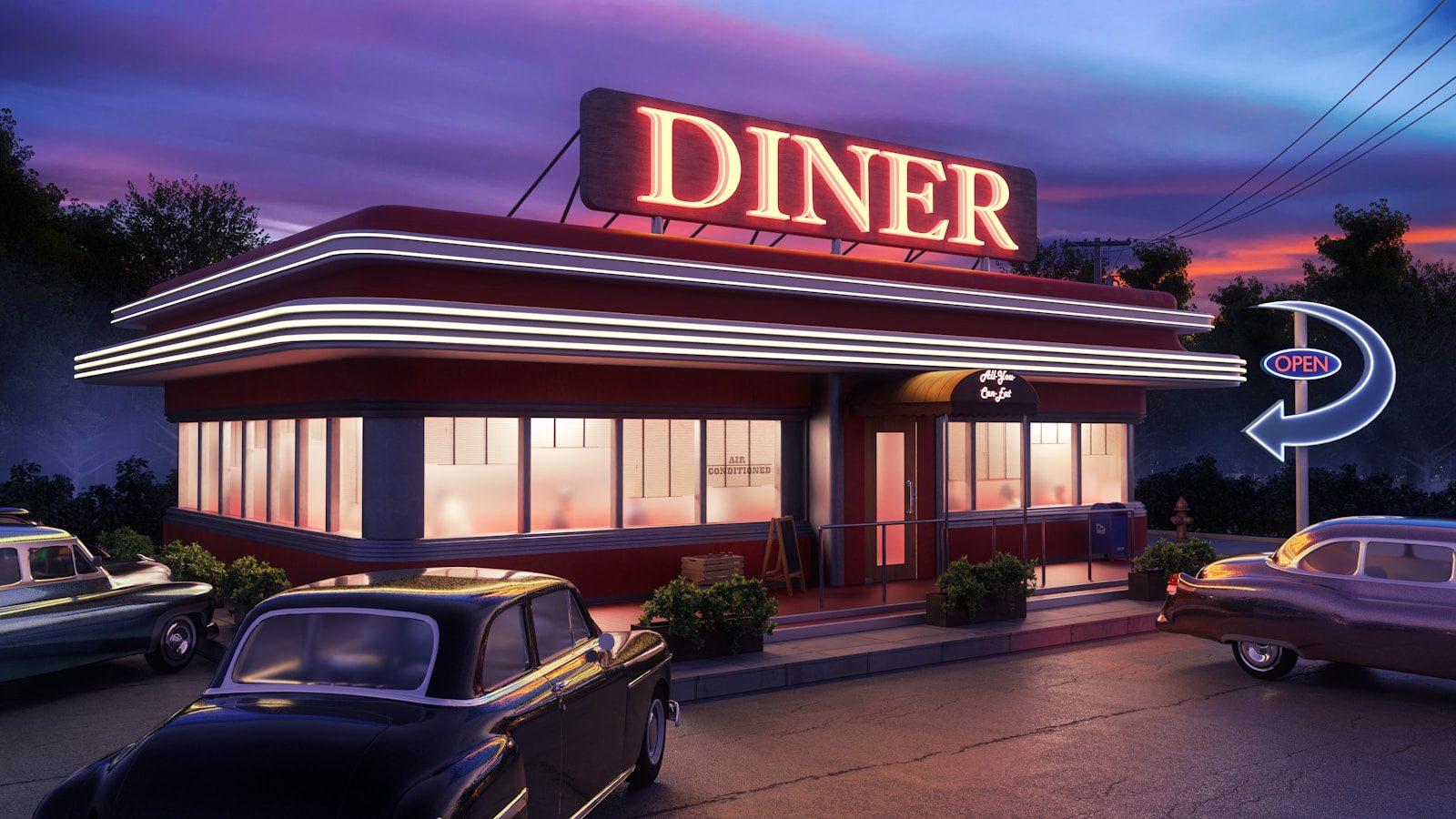
Most people believe chain restaurants are closing simply due to rising food costs. We assume that bad management is driving these beloved diners away.
But a massive technological shift is actually clearing out these physical spaces. Advanced automation and digital systems are completely transforming how we eat.
The Rise Of Ghost Kitchens
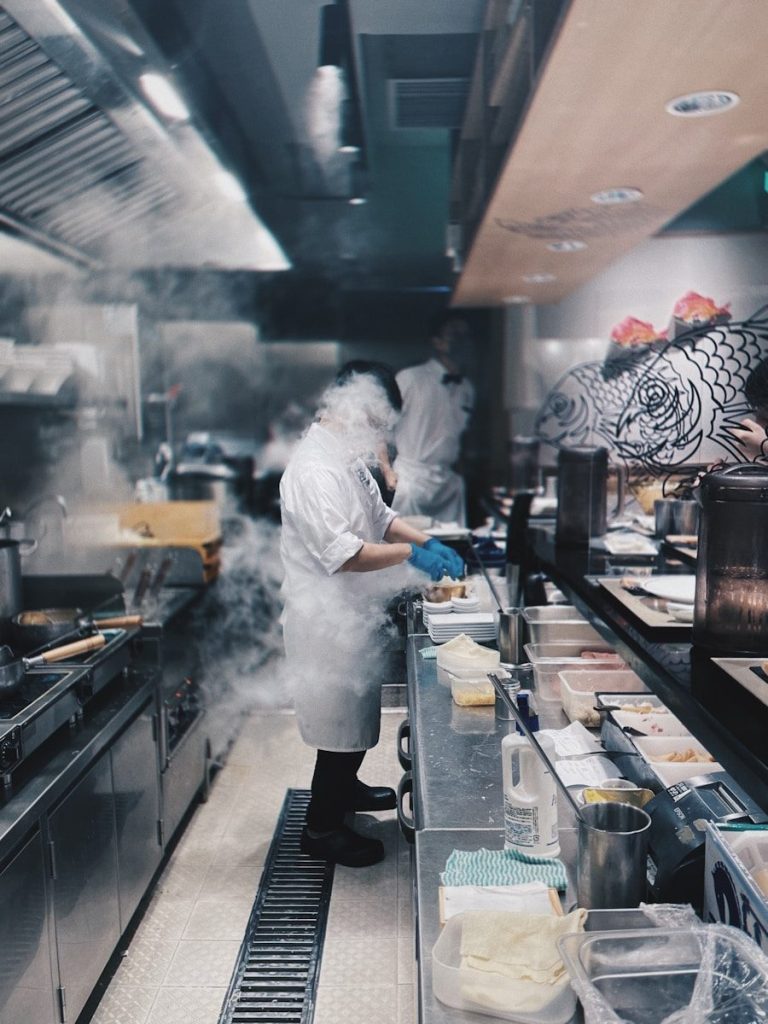
Entire neighborhoods are losing their local diners to centralized cooking hubs. These are digital facilities. According to research from the National Restaurant Association, massive automated warehouses now prepare food exclusively for delivery apps. This setup cuts down on expensive seating space and server staff. But this invisible shift is only the first step toward a totally robotic kitchen.
Robots Taking Over The Kitchen
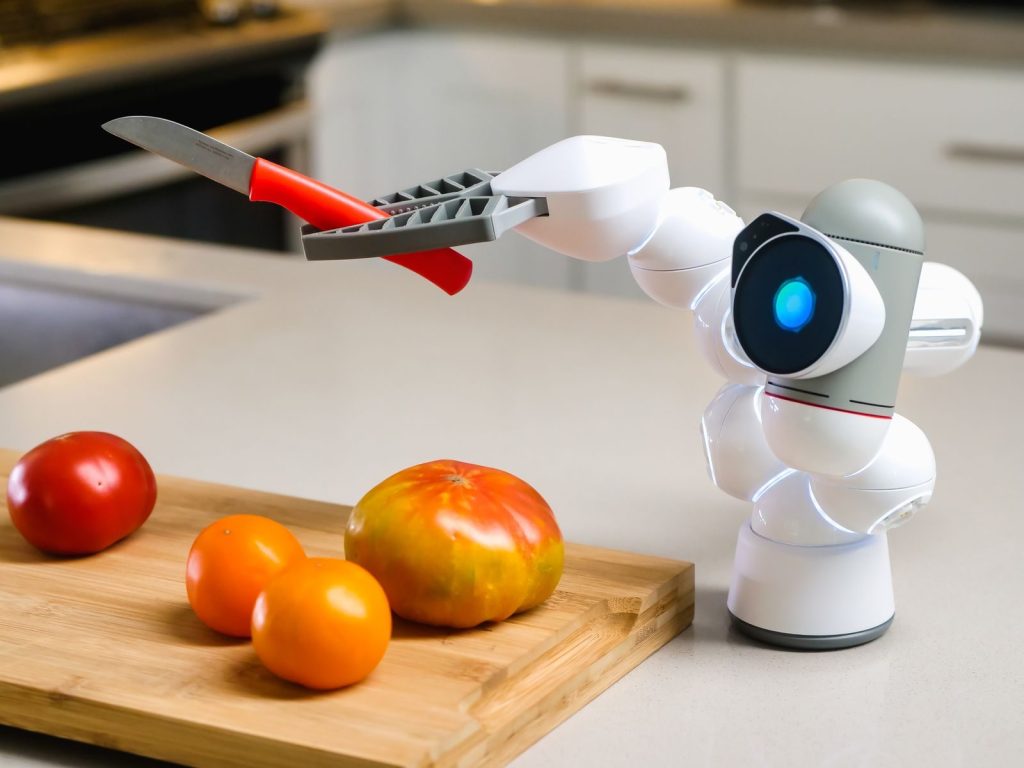
Human chefs are slowly sharing their workspaces with automated arms and computerized grills. Technology is moving fast. According to reports from McKinsey, robotic kitchen assistants can flip burgers and package fries with perfect precision. This hardware never takes sick days or demands higher wages. But a silent algorithm is making even bigger decisions behind the scenes.
Algorithms Dictating The Menu
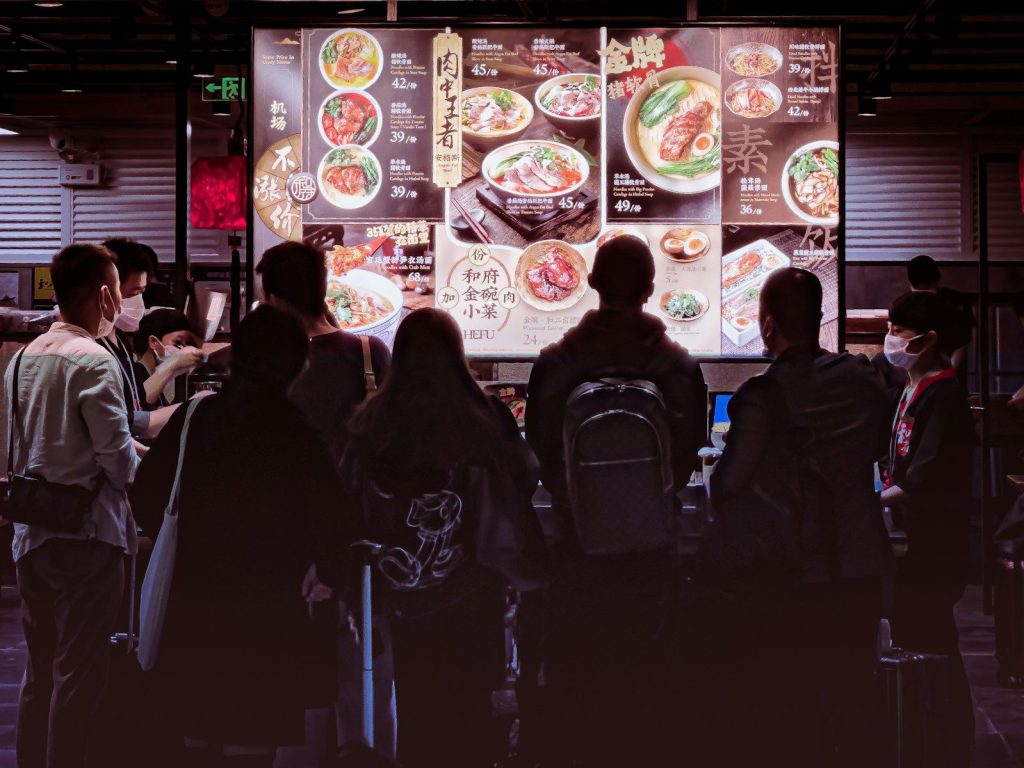
Computers now decide exactly what food gets made and when it should ship. Data drives every choice. According to tech analysts at Gartner, modern restaurant software uses predictive modeling to adjust menu items in real time. This system cuts down waste by tracking customer cravings before they even order. But this heavy reliance on software is triggering a strange social consequence.
The Loss Of Community Spaces
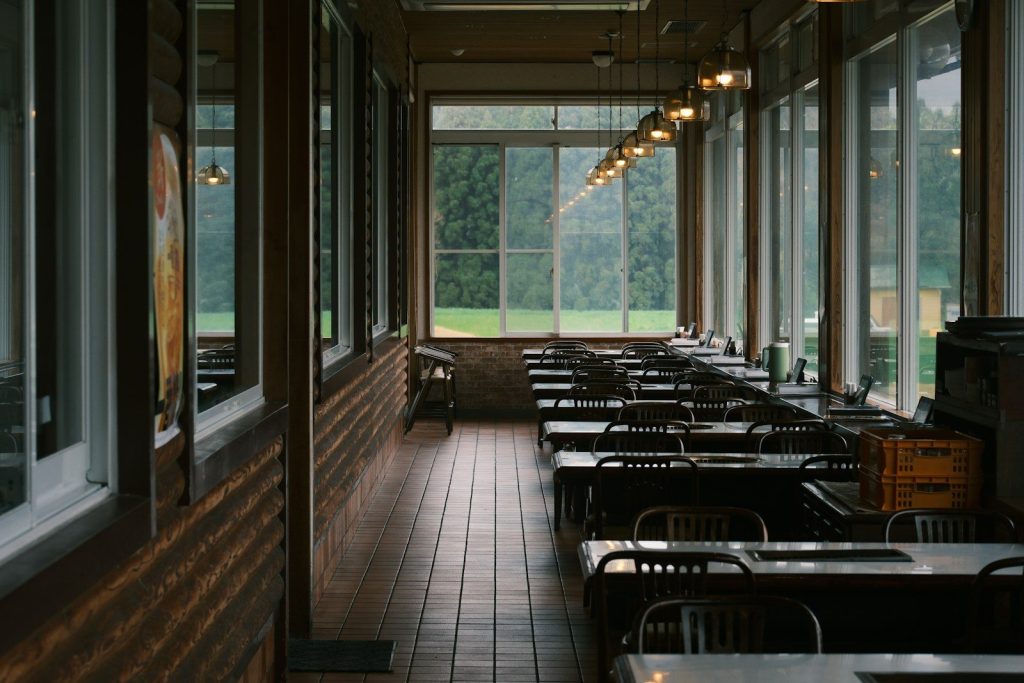
Diners once served as vital social hubs for neighborhoods across the nation. That era is fading. According to social researchers at Harvard University, the decline of physical dining locations leaves communities with fewer casual gathering points. Screen-to-door delivery replaces real human interaction with a cold interface. But this isolation is opening the door for an entirely new tech trend.
Automated Lockers Replace Staff
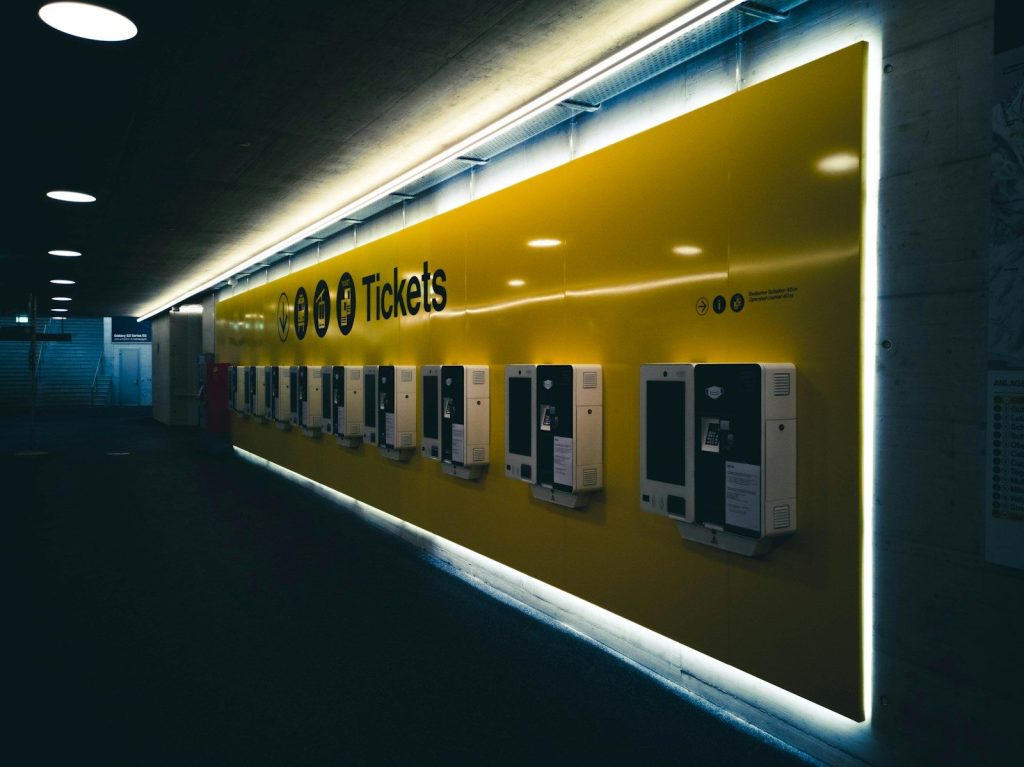
Picking up your dinner no longer requires saying hello to a host. Customers face glowing screens. According to food tech updates from Bloomberg, major chains are installing contactless pickup lockers that open with QR codes. This setup completely eliminates the need for front-of-house employees. But this extreme efficiency comes with a hidden cost that threatens the food itself.
The Standardization Of Taste
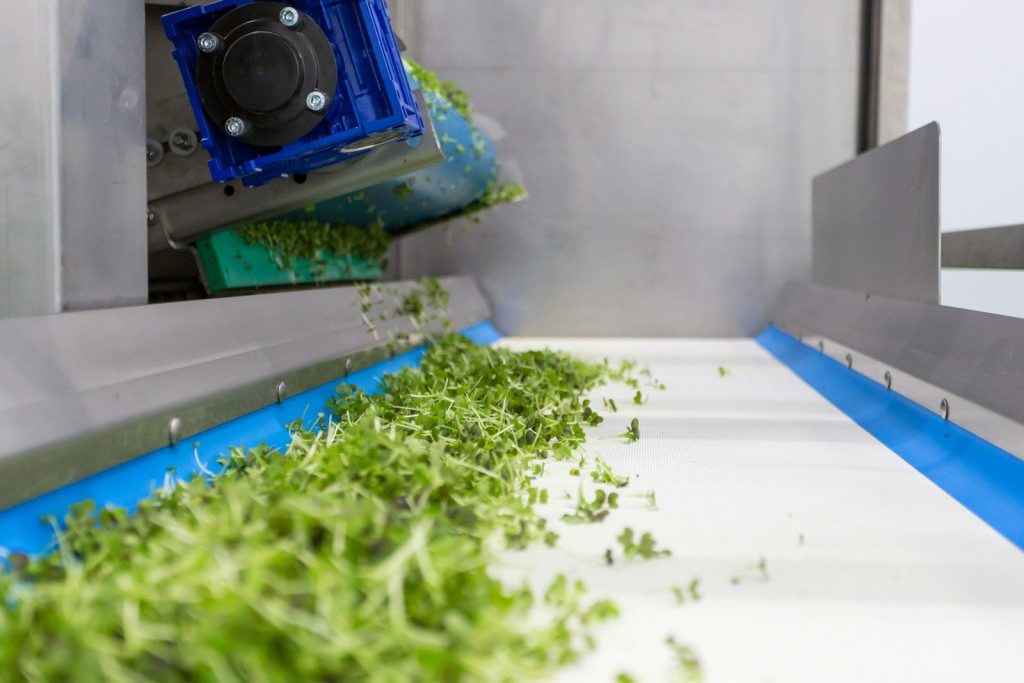
When machines control the seasoning, every single meal tastes exactly the same. True culinary art disappears. According to culinary studies from Cornell University, automated cooking strips away the minor imperfections that make classic dining special. Every bite is chemically identical. But the ultimate phase of this digital revolution will change how we interact with brands forever.
Our Automated Food Future

The classic diner is transforming into a high-tech food dispensary. This change is inevitable. According to digital economy experts, the restaurants that survive the decade will look more like tech startups than traditional eateries. Embracing this shift will redefine our social habits. This article is for informational purposes only.
Featured Image: Photo by Visual Laurence on Unsplash
Leave a Reply