Most history students assume that early European populations lived in complete isolation. We believe that ancient migrations followed simple and predictable geographic pathways.
But advanced genetic mapping is revealing a highly complex ancient history. Modern DNA sequencing proves that waves of distinct travelers constantly reshaped the continent.
Decoding Ancient Bones

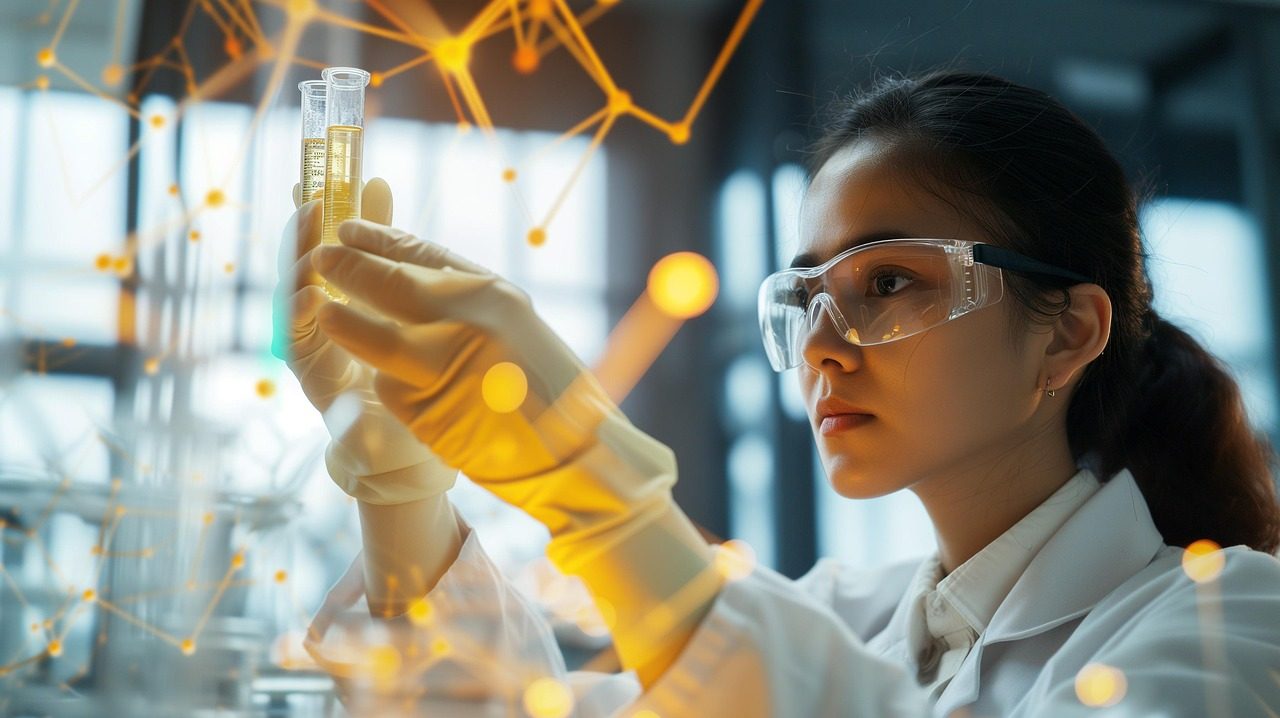
Extracting DNA from ancient human remains requires highly delicate laboratory techniques. According to reports from the Max Planck Institute, scientists can now read genetic code from bones that are thousands of years old. The science is flawless. This genetic sequencing reveals exactly how early groups moved across the changing landscapes. But the oldest human remains in Europe held a highly surprising genetic secret.
Hidden Neanderthal Cousins

The earliest modern humans to enter the European continent met a highly robust cousin. According to evolutionary genetics studies, early Homo sapiens frequently interbred with local Neanderthals. They shared families. This ancient mixing left behind genetic segments that still help shape our modern immune systems. But these early hunter-gatherers were soon replaced by a brand new wave of travelers.
The Ice Age Retreat
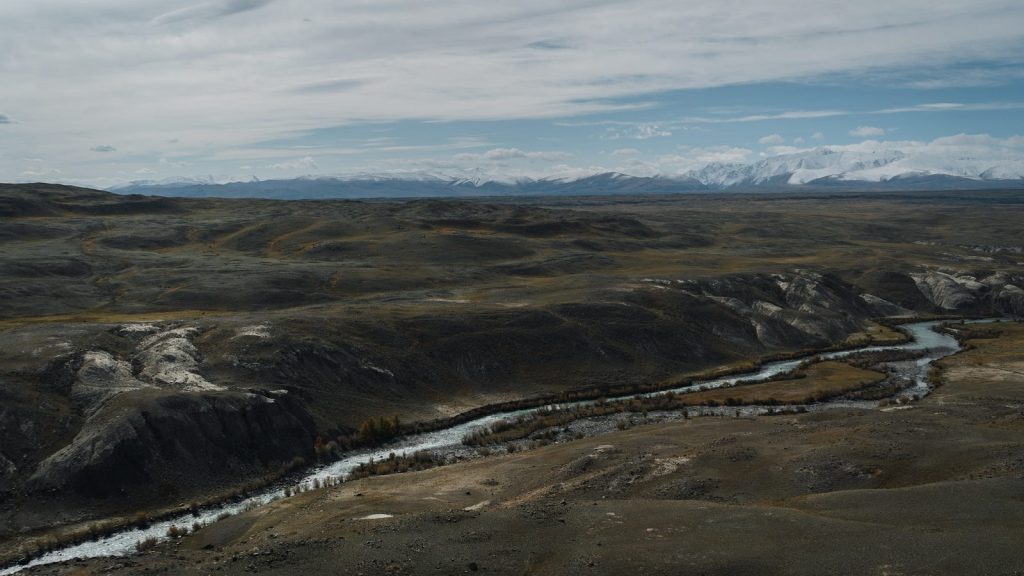
Extreme cold periods forced early human populations to migrate south to seek warmer refuges. According to paleoclimatology studies, small groups survived the freezing winters in isolated pockets near the Mediterranean. They were resilient. Once the great glaciers began to melt, these survivors repopulated the continent from the south. But a massive cultural shift was about to arrive from the east.
First Ancient Farmers
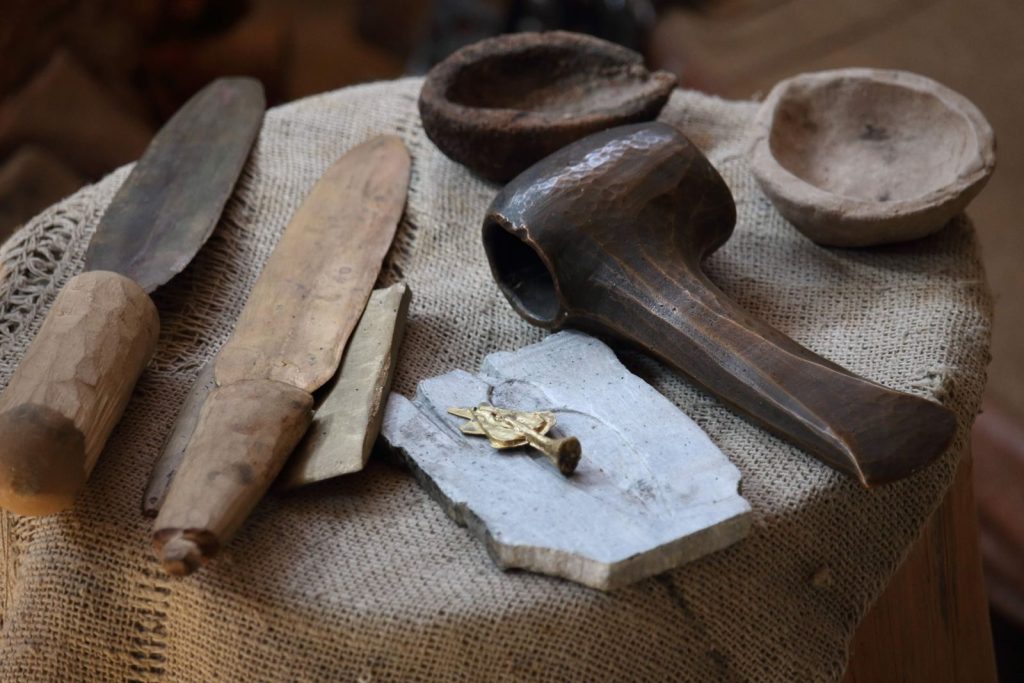
A massive migration of people from the Anatolian region completely transformed early European life. According to archaeological reports, these travelers introduced agriculture and permanent settlements to the local hunter-gatherers. The transition was radical. This farming lifestyle allowed populations to expand rapidly and build larger communities. But this agricultural boom was not the final wave of migration.
Riders From The Steppe
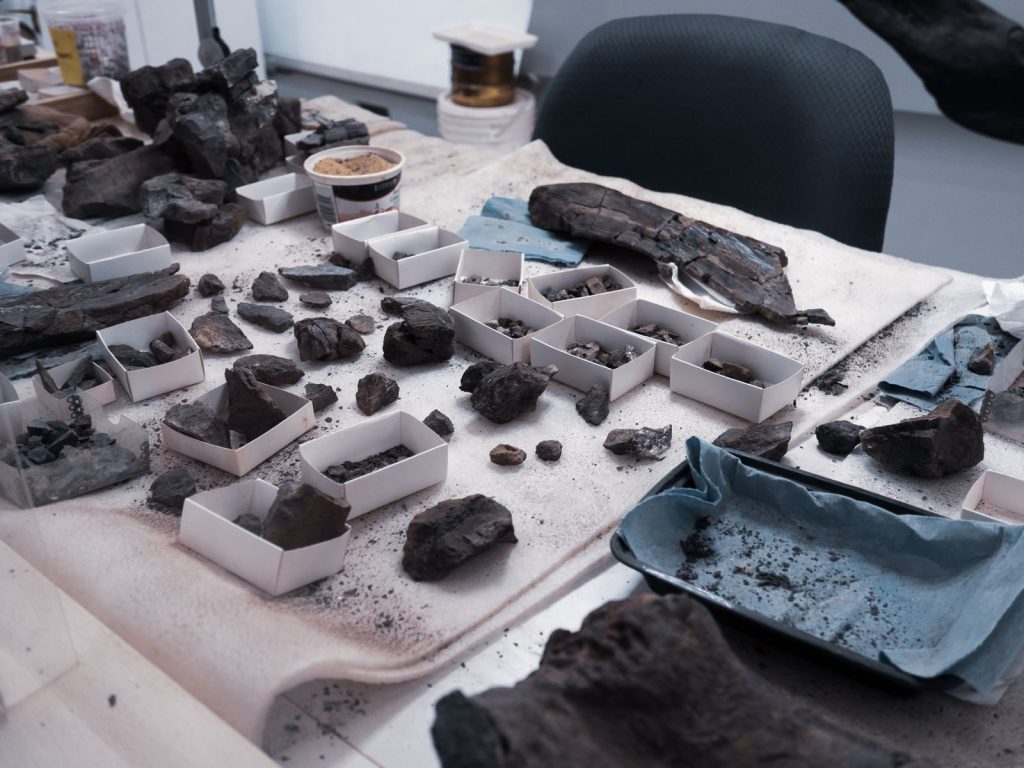
A third major wave of nomadic herders swept into Europe from the eastern grasslands. According to genetic research papers, these steppe travelers brought early Indo-European languages and metallurgy skills. They rode horses. This massive influx of genetic material reshaped the European gene pool in a matter of centuries. But tracking these separate lineages requires analyzing modern populations.
Modern Genetic Mixes
The genetic makeup of modern Europeans is a complex blend of these three ancient ancestral groups. According to evolutionary biologists, different regions of the continent carry varying proportions of hunter-gatherer, farmer, and steppe ancestry. We are beautiful mosaics. This unique mixture explains how physical traits like skin and eye color evolved. But this ongoing research is already opening up new historical debates.
Reclaiming Our Ancestry
Unlocking the secrets of ancient DNA allows us to trace the true history of human migration. According to researchers, studying these prehistoric connections proves that collaboration has always shaped our survival. The past is active. This article is for informational purposes only.
Featured Image: Photo by alanajordan on Pixabay
Leave a Reply