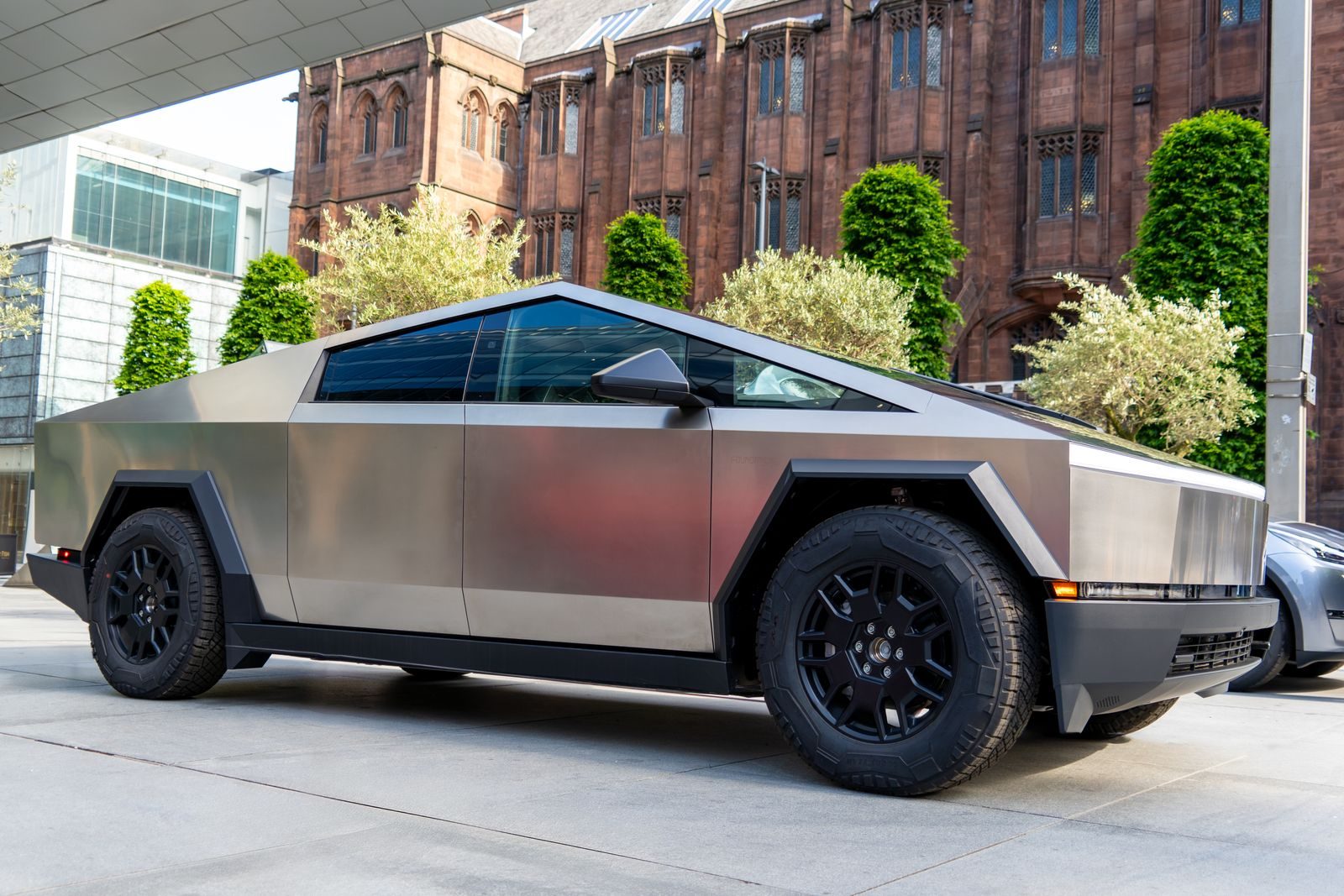
Most space enthusiasts assume rocket launch pads only house giant boosters. We believe that automotive fleet logistics have absolutely nothing to do with launching spacecraft.
But a massive gathering of heavy steel trucks at a remote Texas spaceport is revealing a different plan. These silent vehicles are actively preparing for a highly complex mission.
The Giant Coastal Base
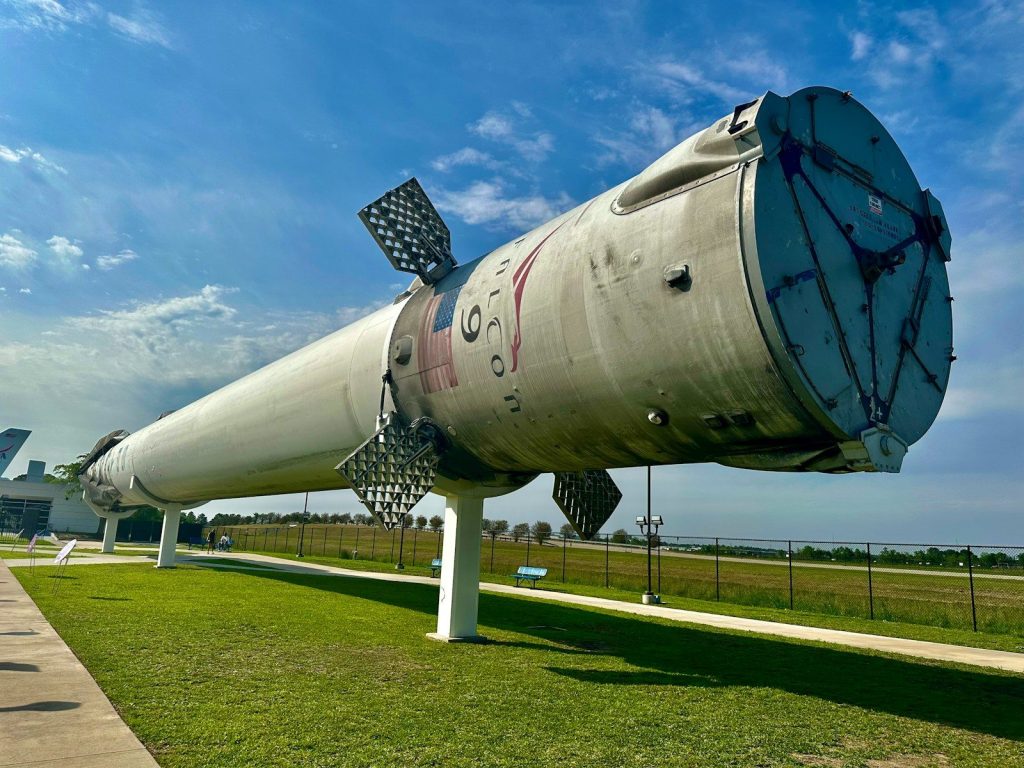
Deep in the sandy flats of south Texas, an aerospace empire is expanding at a rapid pace. According to reports from SpaceX, Starbase is the primary assembly and testing hub for deep space rockets. The activity is constant. This vast port requires a massive fleet of heavy machines to move equipment. But some vehicles are starting to perform highly unusual tasks.
Steel Armor Testing
Constructing spacecraft designed for other planets requires choosing materials that can survive extreme wear. According to metallurgy reports, the giant rockets and the parked trucks share an identical stainless steel skin. The metal is tough. Testing these steel frames under the salty coastal winds helps engineers study corrosion resistance over long periods. But this material testing is only the beginning of their plans.
Off Grid Battery Sinks
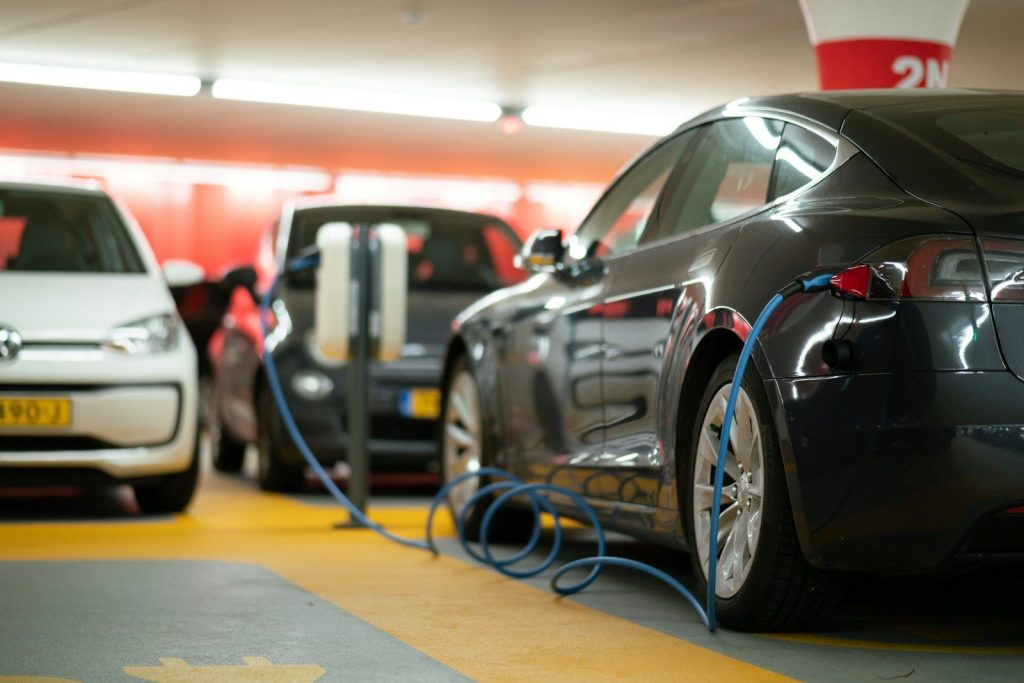
Keeping a massive launch facility running requires an incredible amount of steady power. According to grid transmission studies, the parked electric vehicles can function as a giant decentralized battery network. They are highly efficient. These modular power banks can absorb excess solar energy and feed it back to the base during peak launch operations. But managing this massive flow of electricity introduces a major infrastructure challenge.
Fleet Operations Practice

Coordinating a future colony on another world requires mastering autonomous fleet logistics on Earth first. According to aerospace software engineers, the company is using these vehicles to test central coordinate routing systems. The system is smart. This active software tracks hundreds of machines simultaneously to prevent traffic blocks in rugged landscapes. But the physical environment of the base is also pushing these frames to their limits.
Surviving Lunar Dust

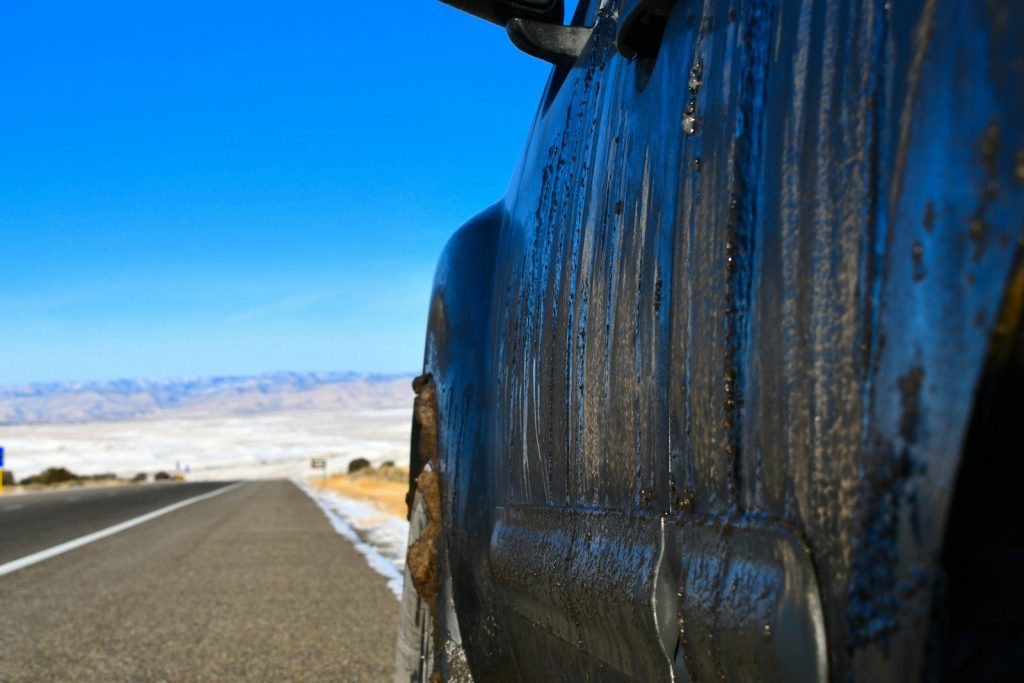
The fine powder found on the moon can easily destroy standard vehicle joints and electronic sensors. According to planetary geology reports, the fine sand at the Texas launch site mimics some of the abrasive qualities of lunar soil. The grit is relentless. Driving these heavy steel trucks through the dunes allows designers to test how well seals protect delicate internal wiring. But some of these vehicles are also undergoing tactical modifications.
Silent Remote Communication
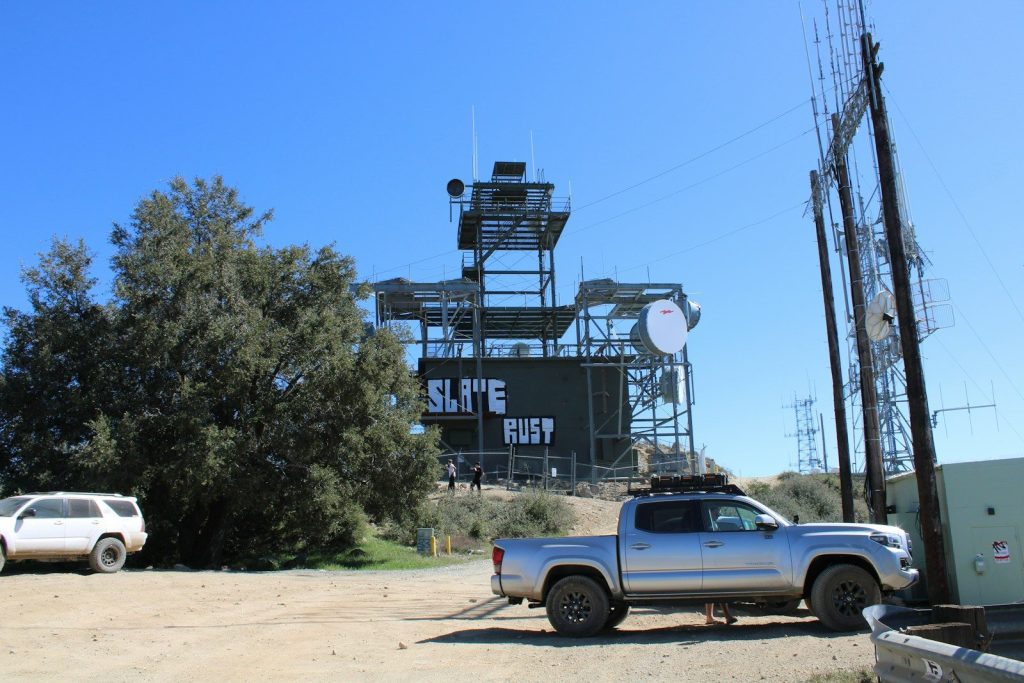
Keeping drivers connected across remote desert zones requires establishing a highly robust satellite network. According to telecommunication audits, each steel truck is equipped with direct links to low-orbit satellites. The connection is instant. This real-time data transfer allows controllers to track the vehicle speed and diagnostics from thousands of miles away. But this tracking capability is actually preparing the fleet for a much larger mission.
Planetary Rover Blueprints
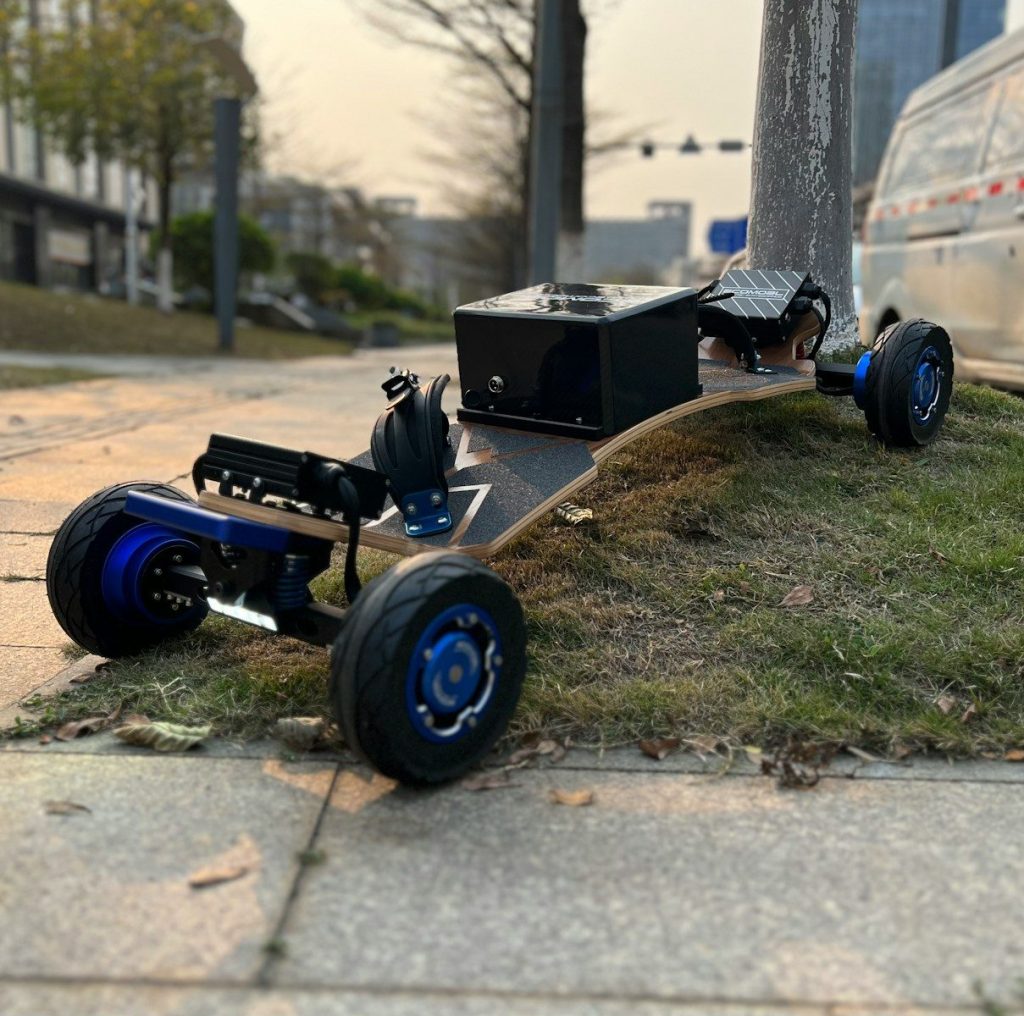
Space agencies want to use these heavy electric frames to design the next generation of planetary rovers. According to NASA development plans, the robust steel skeleton is ideal for carrying heavy scientific equipment across rugged terrain. They are incredibly tough. This shared design will allow future explorers to build off-grid transport networks on Mars using proven earthly technology. But the ultimate success of this program relies on constant field testing.
Reimagining Our Future
Watching these steel fleets gather shows how fast our transportation technology is preparing for the stars. According to researchers, these quiet testing programs are proving that earthly vehicles can help lay the groundwork for celestial cities. The journey has started. This article is for informational purposes only.
Leave a Reply