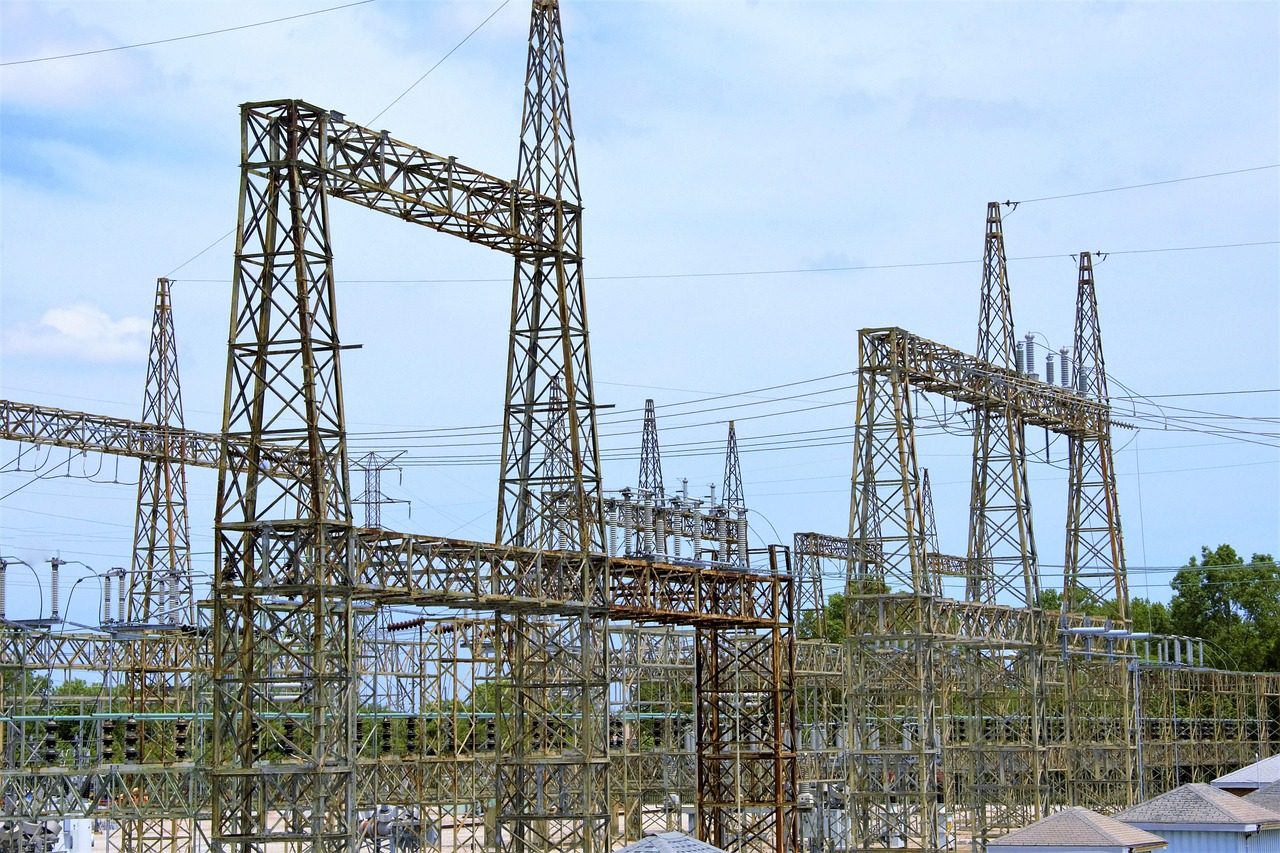
Most technology lovers assume that nuclear reactors are too large to fit inside small neighborhoods. We believe that atomic energy always requires massive cooling towers and giant concrete domes.
But small nuclear reactors have successfully powered naval ships for decades. Shifting this maritime technology to our daily power grid remains an incredibly complex engineering challenge.
The Naval Reactor Triumph
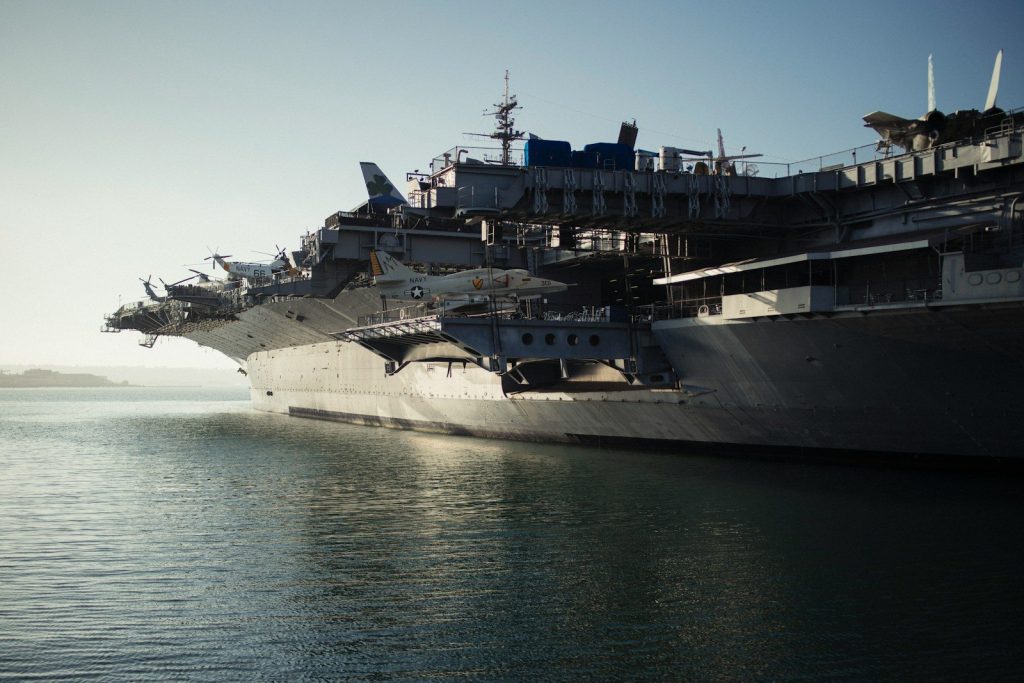
Military aircraft carriers and submarines have traveled across oceans on atomic energy since the mid-twentieth century. According to reports from the United States Navy, these compact reactors operate safely for years without refueling. They are incredibly reliable. This maritime success proves that small atomic engines can function in tight spaces. But running these plants on land introduces different safety rules.
Strict Urban Safety Barriers
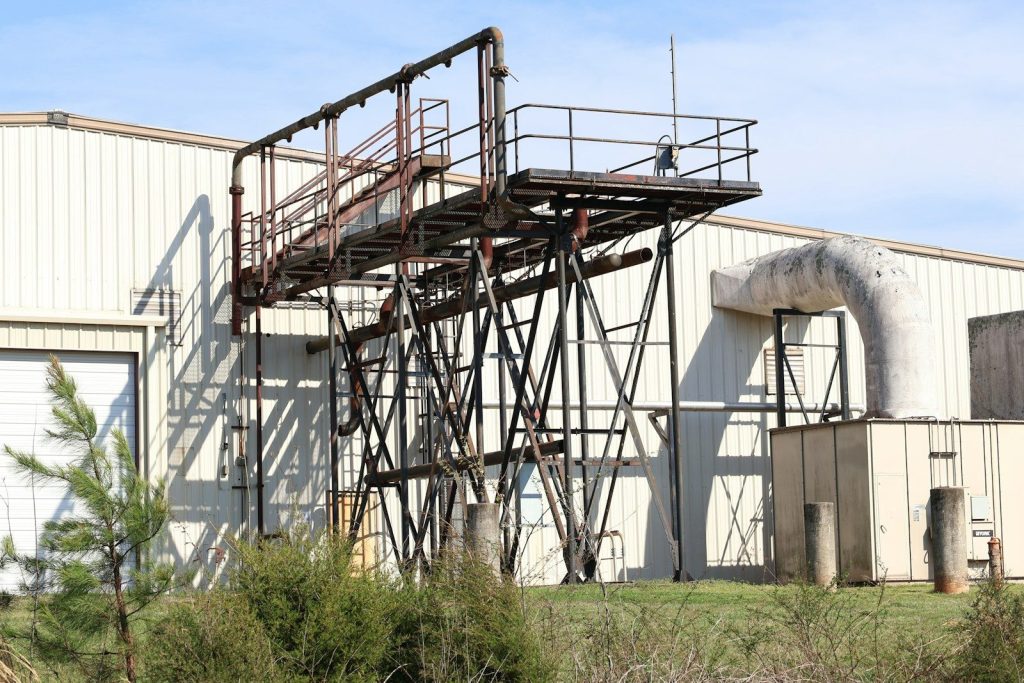
Naval vessels operate in open waters far away from major population centers. According to the Nuclear Regulatory Commission, building small reactors in local towns requires meeting extreme safety standards. Protection is absolute. Any potential hazard must be completely contained to prevent risk to nearby homes. But designing these secure civil installations requires a major structural rethink.
The Micro Reactor Blueprint

Engineers are designing scaled-down reactors that can be manufactured in factories and shipped on trucks. According to reports from the Department of Energy, these micro-reactors can generate electricity for remote communities. They are highly compact. This modular setup allows companies to deploy clean energy without building massive local facilities. But keeping these small systems cool requires a new technology.
Passive Cooling Safety Systems
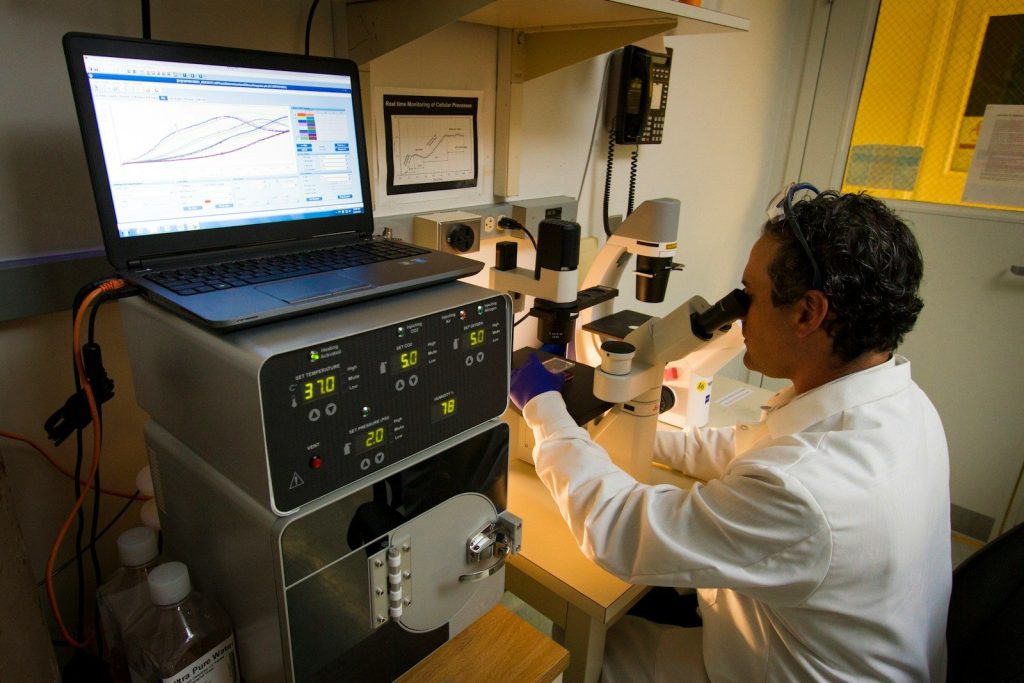
Traditional reactors require constant electrical power to run heavy water pumps during emergencies. According to materials science reviews, next-generation small reactors use natural circulation to cool themselves automatically. The system is silent. This passive design ensures the reactor shuts down safely even if the local grid fails completely. But sourcing the fuel for these small cores is another challenge.
Highly Enriched Fuel Needs
Small cores require highly concentrated fuel to operate efficiently over long periods. According to nuclear fuel studies, these modular plants rely on specialized uranium mixtures that are expensive to produce. The cost is high. This fuel requirement slows down the commercial release of modular reactors across the nation. But security concerns are also holding back widespread deployment.
Guarding The Atomic Cores

Placing active reactors in multiple neighborhoods raises serious concerns about physical security and fuel tracking. According to defense analysts, each site must be strictly monitored to prevent unauthorized access. The watch is constant. This security burden increases the operational costs for local utility companies. But a few pioneering cities are still preparing to test the systems.
The Modular Energy Era

Transitioning toward small modular reactors could eventually deliver clean and stable energy to isolated regions. According to researchers, combining micro-reactors with solar grids will make local communities highly resilient. The potential is immense. This article is for informational purposes only and does not constitute professional engineering advice.
Leave a Reply