
Most physics fans assume that nuclear waste is just a dangerous liability. We believe that spent reactor fuel must be buried deep underground for thousands of years.
But brilliant researchers have found an incredible clean energy solution. They want to recycle these radioactive remnants to power the first commercial fusion reactors.
Harvesting Leftover Cosmic Fuel
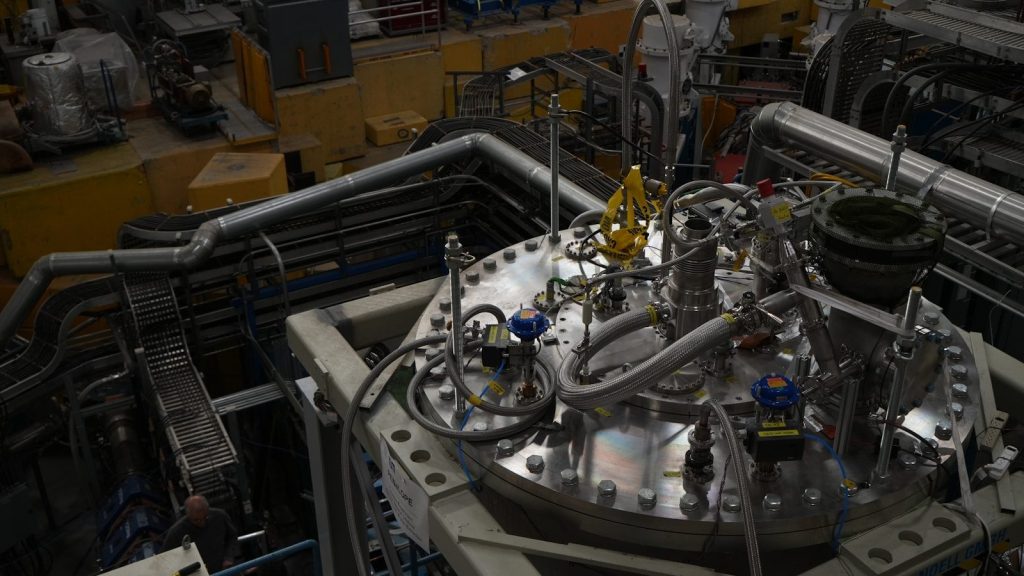
Standard nuclear reactors leave behind volatile isotopes that require secure storage. According to reports from the Department of Energy, these waste elements still contain highly energetic particles. They are incredibly active. By extracting these raw isotopes, scientists can synthesize tritium fuel for next-generation fusion reactors. This chemical recycling could solve a massive fuel shortage.
The Extreme Fusion Puzzle
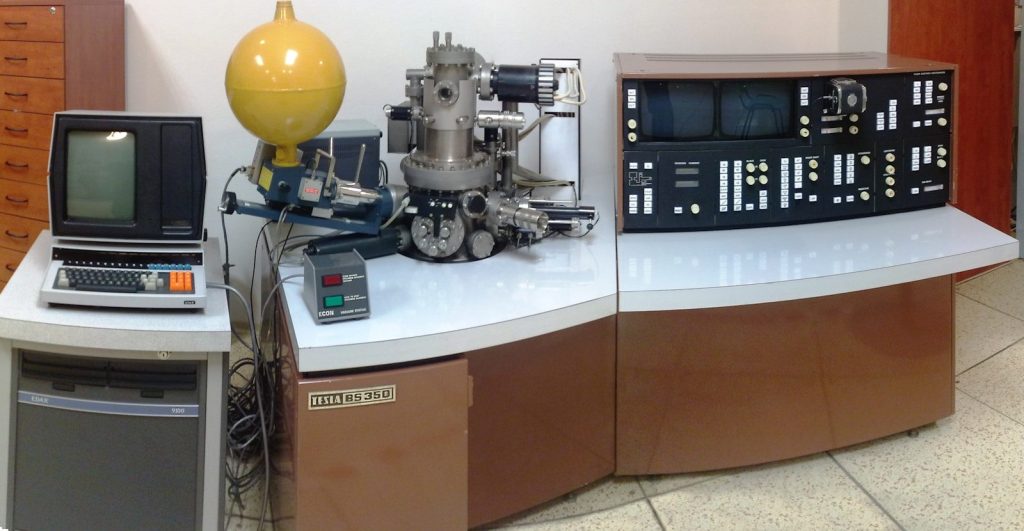
Achieving commercial fusion requires holding hot plasma stable at millions of degrees. According to researchers at the Princeton Plasma Physics Laboratory, finding a reliable fuel mixture is the hardest part. The task is massive. Standard hydrogen isotopes are incredibly rare and expensive to manufacture from scratch. But the key to creating this fuel is hiding inside nuclear waste bins.
Mining The Radioactive Remnants

Extracting valuable tritium requires processing spent heavy water and uranium rods. According to chemical engineering studies, this recycling process isolates the lightweight isotopes safely. The work is precise. By harvesting these rare elements, scientists can secure a stable fuel supply for early commercial reactors. But handling these active materials requires building specialized protective shields.
Building The Ultimate Shields
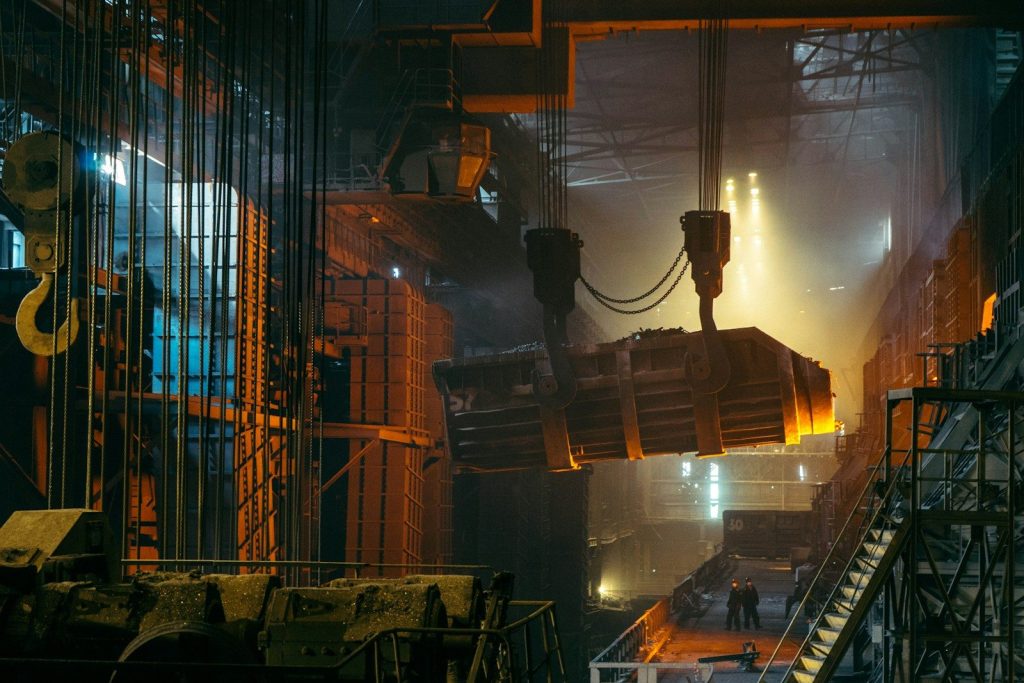
Fusion chambers must withstand intense neutron bombardment without melting down. According to materials science reports, developers are testing custom steel alloys to line the inner walls. The metal is tough. This protective layer prevents structural damage while absorbing the heat to generate electricity. But managing this intense thermal energy requires a highly unique cooling loop.
Liquid Metal Cooling Paths
Standard water cooling loops would boil away instantly inside a fusion reactor. According to experimental physics logs, advanced systems circulate molten lithium to absorb the extreme heat. The flow is silent. This liquid metal transfer is highly efficient and keeps the reactor stable during operation. But keeping this heavy current moving demands a powerful magnetic pump.
Magnetic Fields Holding Plasma

No physical container on Earth can touch plasma without vaporizing instantly. According to reports from the International Atomic Energy Agency, giant magnets generate invisible fields to keep the plasma suspended. They are highly powerful. This magnetic trap prevents the hot stream from touching the cold walls of the chamber. But scaling this technology requires a massive financial commitment.
The Global Reactor Race

Nations are currently building massive collaborative reactors to prove the technology works. According to energy sector reports, these pilot plants could begin generating electricity within the next decade. The progress is rapid. This collective effort could transition our global grid away from fossil fuels forever. But the final success of this project depends on solving one last hurdle.
Infinite Clean Energy Future

Recycling waste to fuel fusion reactors represents a giant leap for clean energy. According to researchers, this technology can eliminate nuclear waste while delivering endless electricity to our cities. The future is bright. This article is for informational purposes only and does not constitute scientific or professional advice.
Featured Image: Photo by Jakob Cotton on Unsplash
Leave a Reply