
Most neighborhood shoppers assume that home deliveries must always rely on loud commercial trucks. We believe that human drivers are the only way to move groceries from stores to front doors.
But a silent automated fleet is completely challenging this transport standard. Tiny robotic pods are rolling down city sidewalks to drop off packages.
Entering The Local Neighborhoods

Small robotic boxes have become a common sight on the streets of Milton Keynes. According to reports from the local council, these autonomous delivery pods handle thousands of grocery runs weekly. They are very quiet. Residents use a simple smartphone app to order items directly to their doorsteps. But keeping these small machines safe on busy sidewalks is a major challenge.
Navigating Pedestrian Paths Safely

Walking paths are filled with unexpected obstacles like children, pets, and trash cans. According to autonomous vehicle designers, the pods use a complex array of cameras and ultrasonic sensors to map their path. The software is clever. This real-time mapping ensures the robot slows down or stops instantly when someone approaches. But managing these constant physical variables requires a robust wireless network.
Coordinating The Global Grid
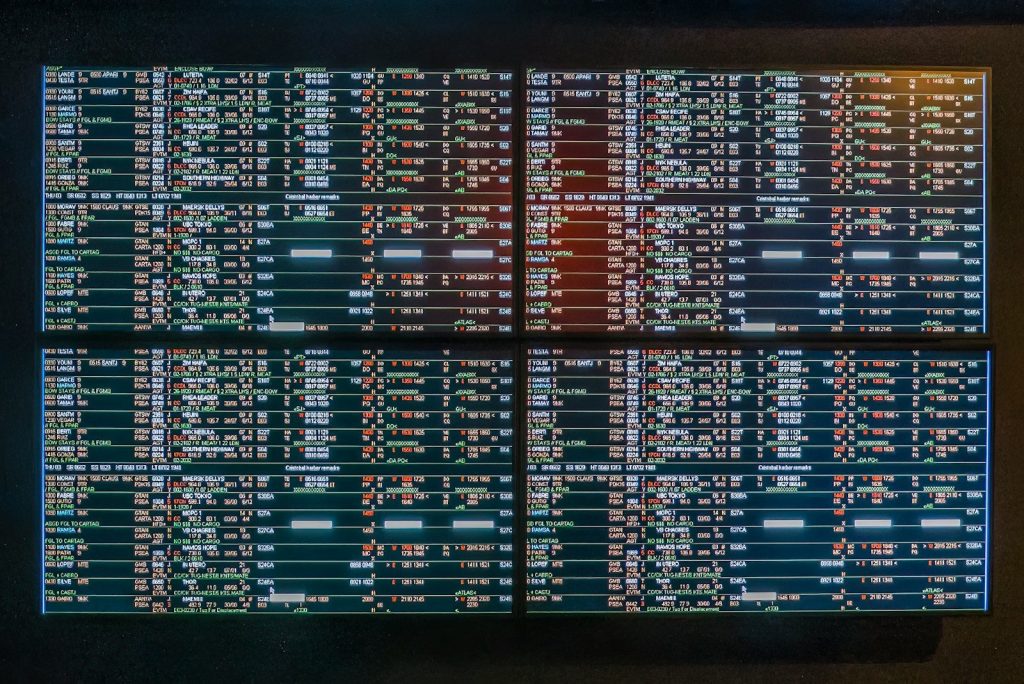
Thousands of active delivery pods must be monitored simultaneously to prevent traffic blocks. According to logistics reports, a central control center uses high-speed data networks to track each robot in real time. The coordination is seamless. Human operators can take remote control of a pod if it encounters a confusing path. But this electric transit also offers a massive environmental advantage.
Slashing Urban Carbon Emissions
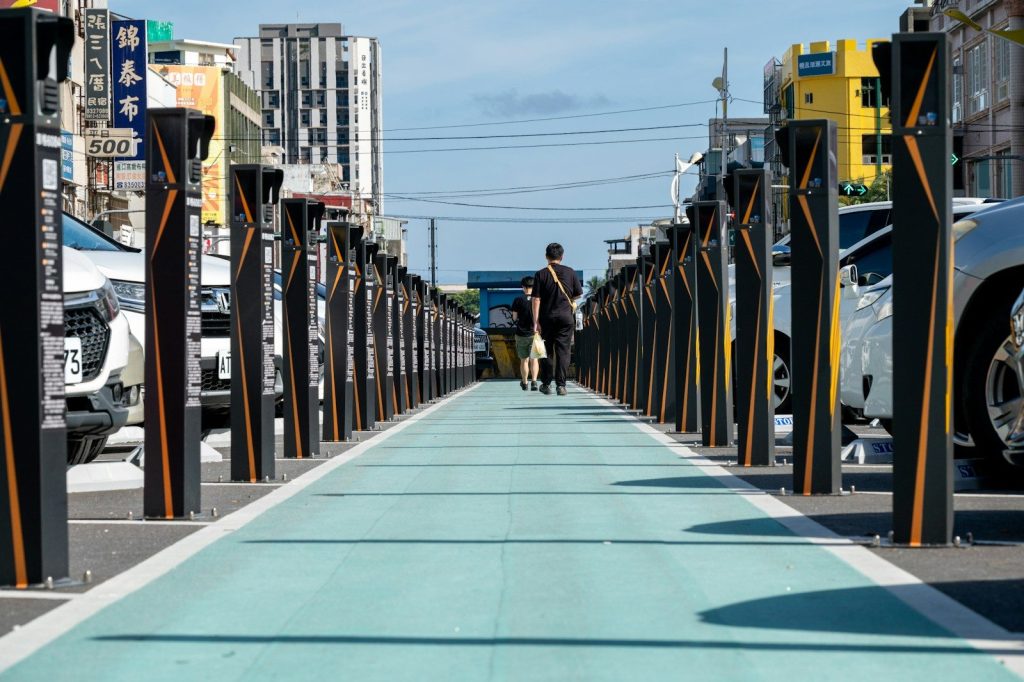
Replacing heavy delivery vans with small electric pods reduces the need for fossil fuels. According to energy grid studies, the pods run entirely on clean battery power with almost zero carbon footprint. They are highly efficient. This transition helps keep neighborhood air clean and reduces traffic congestion on local roads. But protecting the cargo from thieves requires a secure design.
Locking The Cargo Bays
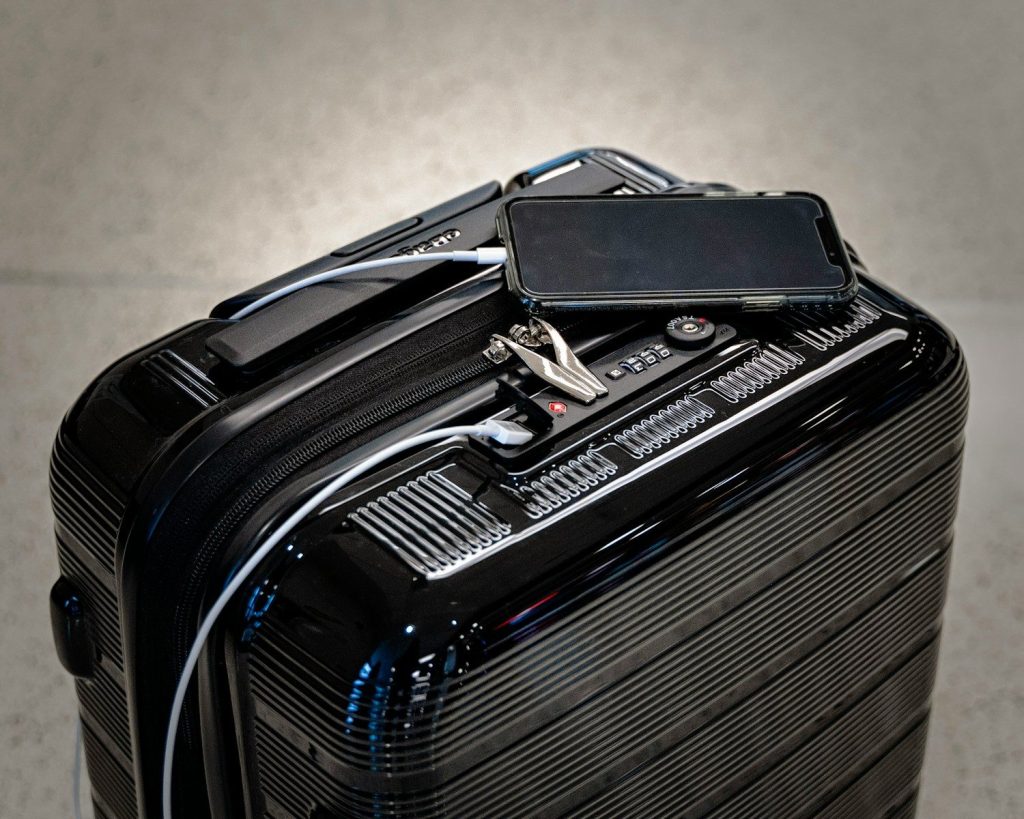
Leaving valuable groceries on a public sidewalk could easily invite opportunistic theft. According to product design files, the cargo lid remains locked securely during transit. It is a vault. The bay can only be opened when the customer types a unique code into their app. But this automated convenience is changing how local businesses manage their stock.
Reshaping Local Store Logistics

Small neighborhood shops are integrating automated packing systems directly into their backrooms. According to business analysts, this automation allows stores to pack and dispatch orders within minutes. The speed is impressive. This rapid turnaround keeps the local commerce pipeline moving smoothly. But the ultimate success of this program depends on expanding to new cities.
Overcoming The Winter Weather

Extreme weather like heavy snow and ice can easily disrupt the movement of small wheels. According to vehicle testing logs, developers are designing rugged winter tires to keep the pods moving year-round. The checks are quick. This constant maintenance ensures the robotic fleet remains reliable during freezing winter deliveries. But this sidewalk trend is already paving the way for the future.
Tomorrow In Delivery Logistics

Transitioning to autonomous sidewalk delivery is pushing urban planning and robotics into a bold new era. According to transportation historians, these tiny pods prove that local delivery can be clean, silent, and highly efficient. The future is here. This article is for informational purposes only.
Featured Image: Photo by TheDigitalArtist on Pixabay
Leave a Reply