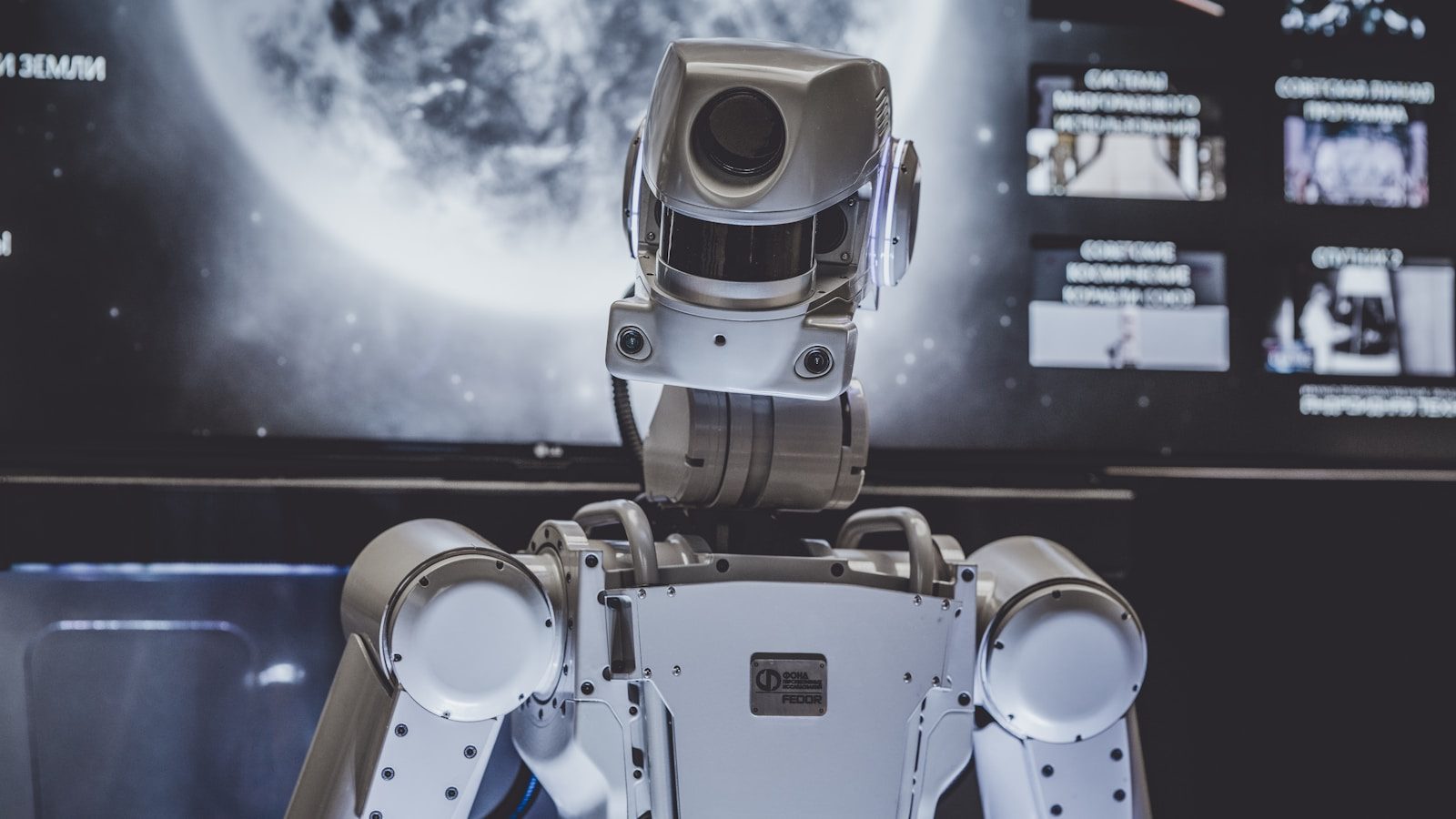
Most economy watchers assume that robotic helpers will only serve as expensive toys for wealthy tech users. We believe that automated assistants have little impact on the general financial market.
But a massive shift toward mobile hardware is quietly preparing an economic revolution. The rapid deployment of bipedal machines could permanently alter how the world generates abundance.
The Manual Labor Crisis
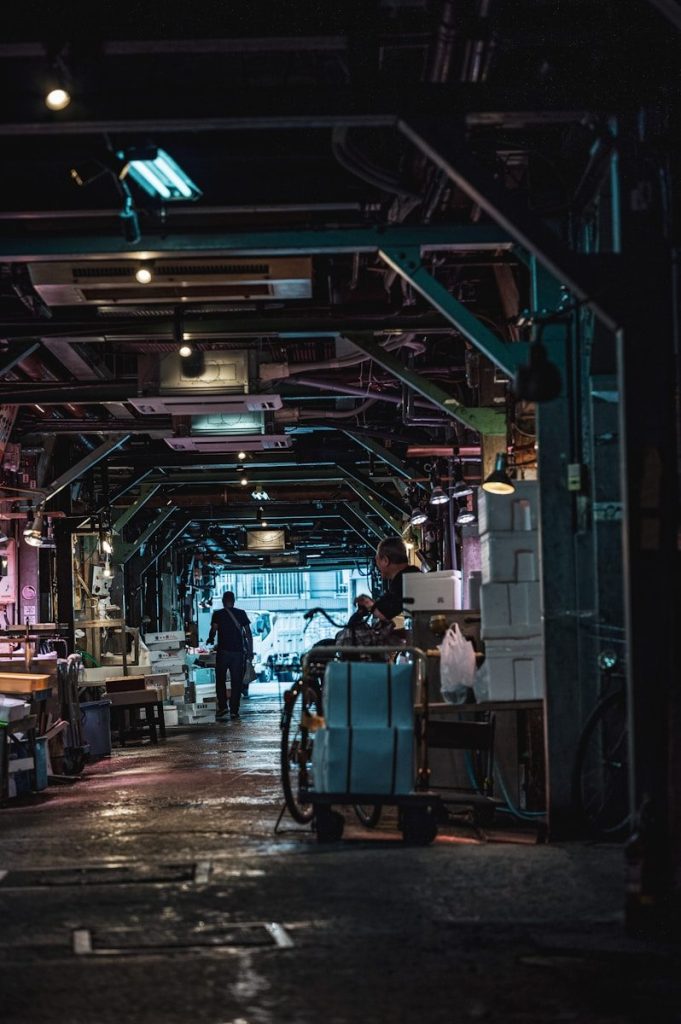
Many essential industries across the globe are facing a permanent shortage of physical workers. According to reports from the International Labor Organization, millions of manufacturing jobs remain empty each year. The gap is real. This lack of labor drives up the price of raw goods and strains supply chains. But mobile automation is designed to step directly into these vacant roles.
Entering Existing Human Workspaces
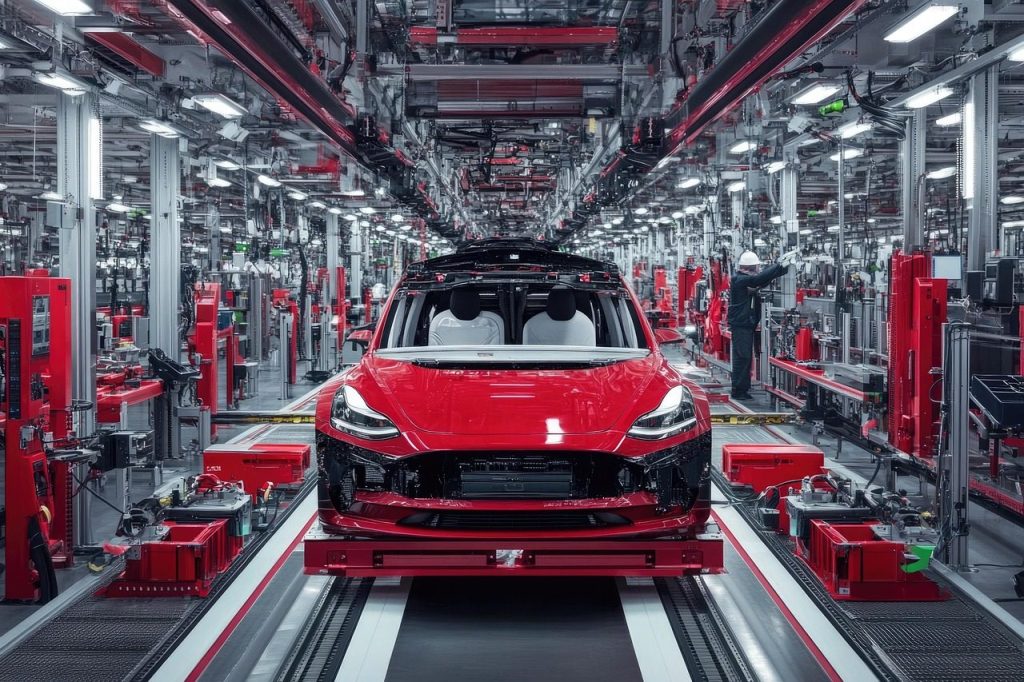
Humanoid hardware can easily navigate factories without requiring owners to rebuild the infrastructure. According to architectural design files, buildings and assembly tools are optimized strictly for the human form. The machines must adapt. Building bipedal helpers allows companies to deploy automation immediately on existing production lines. But coordinating these metallic bodies requires an incredible amount of computer power.
Running On Autonomous Networks
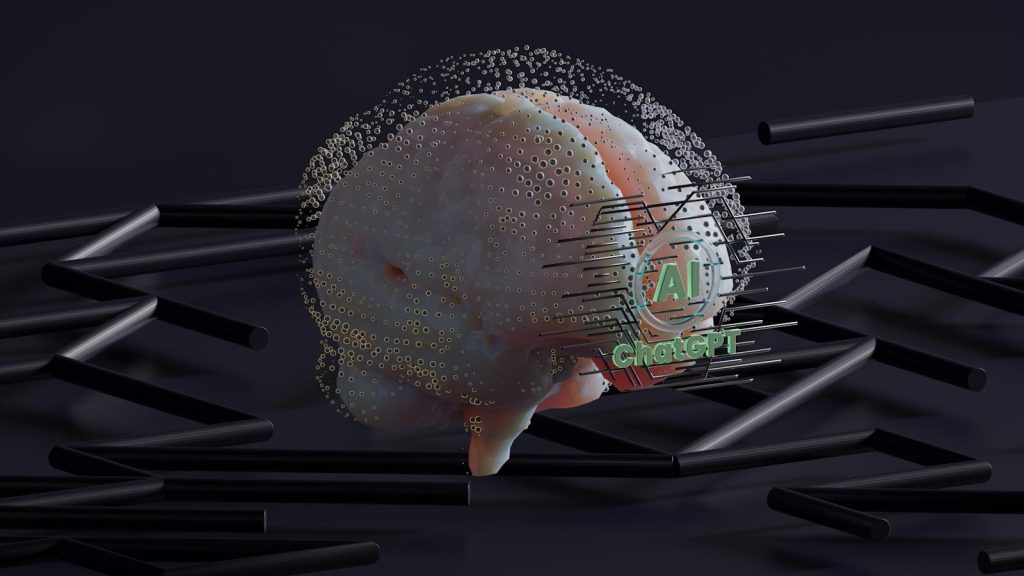
The robotic limbs are directed by the same software that navigates advanced electric vehicles. According to artificial intelligence developers, these neural networks map the surrounding terrain in real time. The learning is constant. This onboard intelligence allows the machine to handle unexpected physical tasks without human help. But managing these complex moving joints requires highly specialized electric motors.
Powering High Torque Limbs
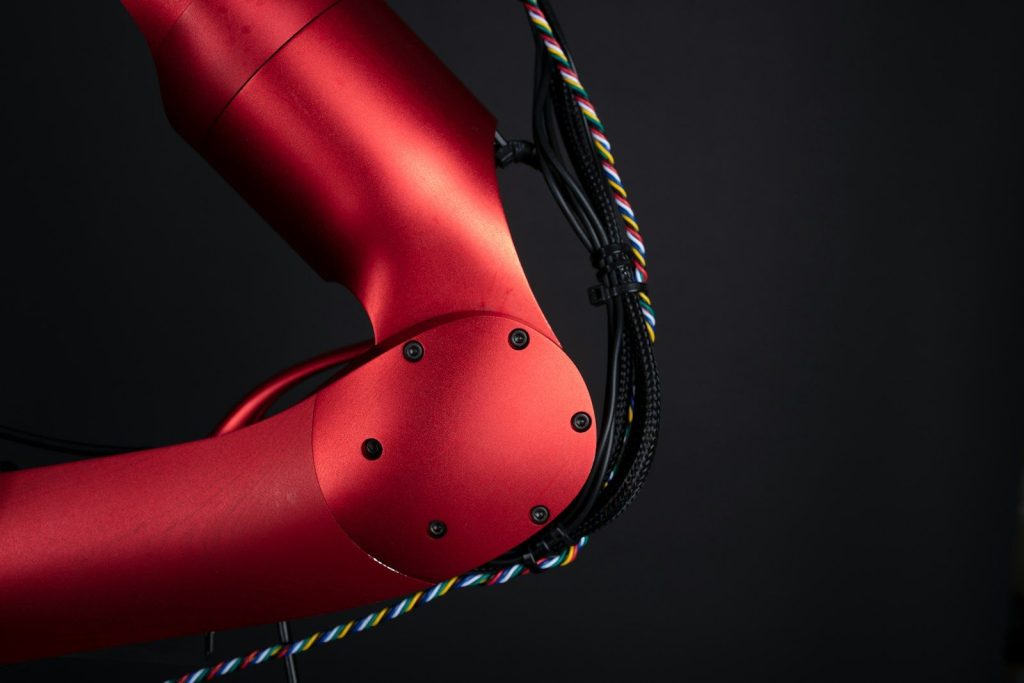
Replicating the fluid mechanics of human muscles demands incredibly precise joint actuators. According to mechanical hardware reviews, developers must design custom sensors to rotate limbs smoothly. The torque is intense. This specialized setup ensures the robot can lift heavy crates and balance perfectly on uneven floors. But this high-performance hardware remains incredibly expensive to produce.
The Mass Production Goal
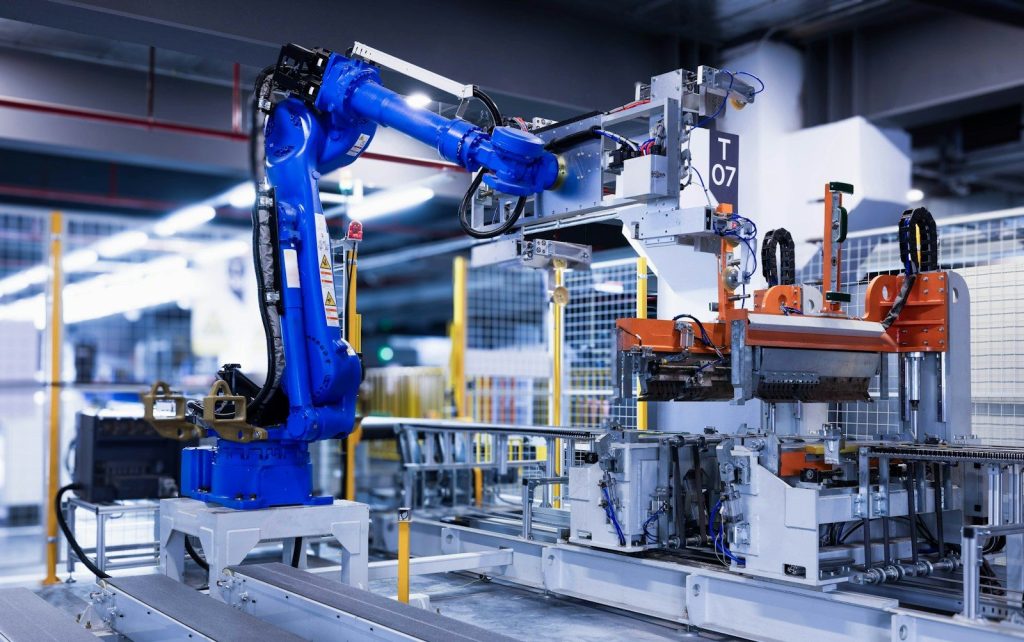
Lowering the price of advanced robotics requires manufacturing millions of units systematically. According to market analysts, scaling up production will eventually drop the cost of a humanoid to under twenty thousand dollars. They are highly efficient. This affordable pricing is what will allow businesses of all sizes to adopt walking helpers. But this widespread release is raising serious safety questions.
Ensuring Safe Human Cohabitation
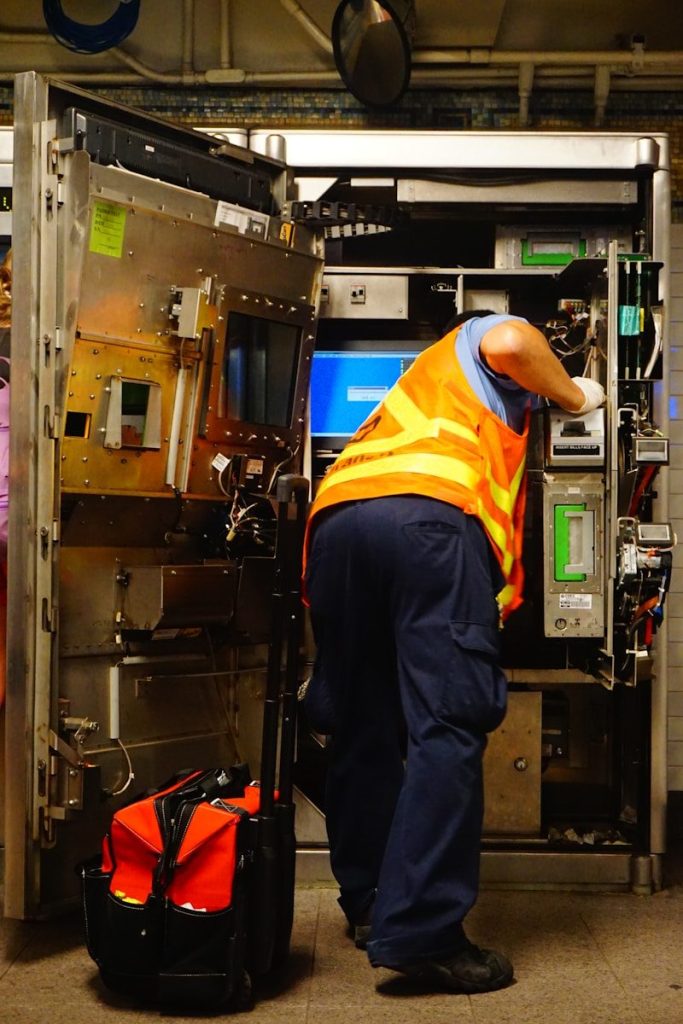
Traditional heavy machinery must operate inside locked steel cages to protect nearby workers. According to safety research papers, next-generation humanoids use force-limiting sensors to halt movement instantly upon touch. Protection is absolute. This safety shield allows humans and walking machines to work side-by-side on the same tasks. But the ultimate economic impact of this partnership is massive.
The Abundance Economy Concept
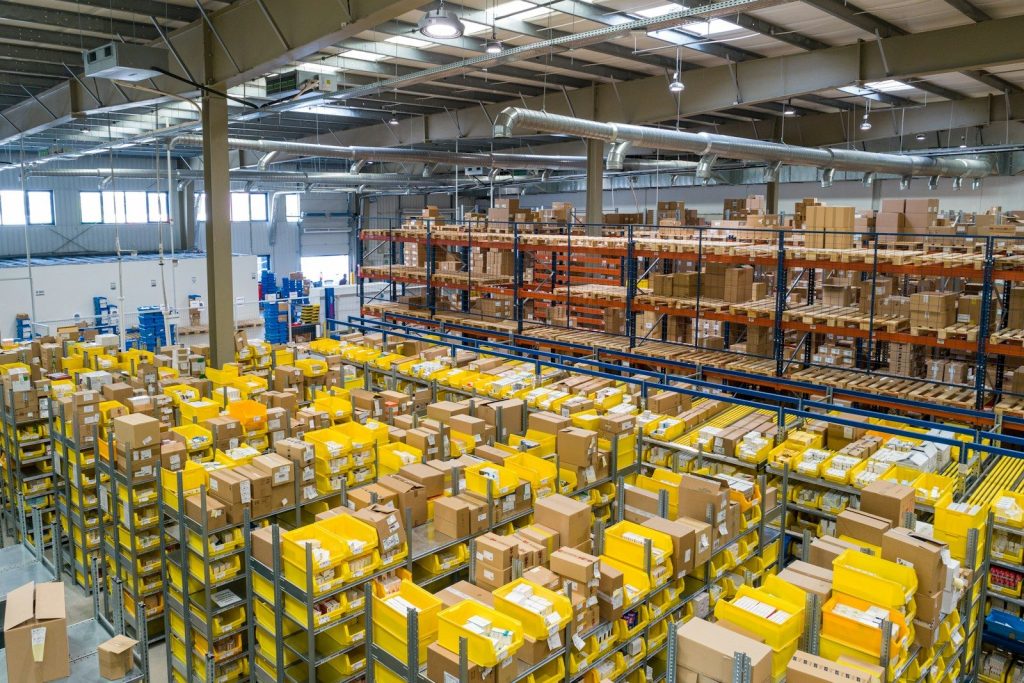
Eliminating the cost of physical labor could trigger a massive drop in the price of daily goods. According to economic theorists, this efficiency will dramatically increase the purchasing power of regular families. Wealth could skyrocket. This abundance shift would allow humanity to focus on creative tasks rather than repetitive chores. But transitioning to this automated future requires careful planning.
Unlocking Our Future Potential

Transitioning to a highly automated society represents the next major milestone in our industrial history. According to financial researchers, using smart hardware to manage dangerous tasks will make global systems more resilient. Change is happening. This article is for informational purposes only.
Featured Image: Photo by Arseny Togulev on Unsplash
Leave a Reply