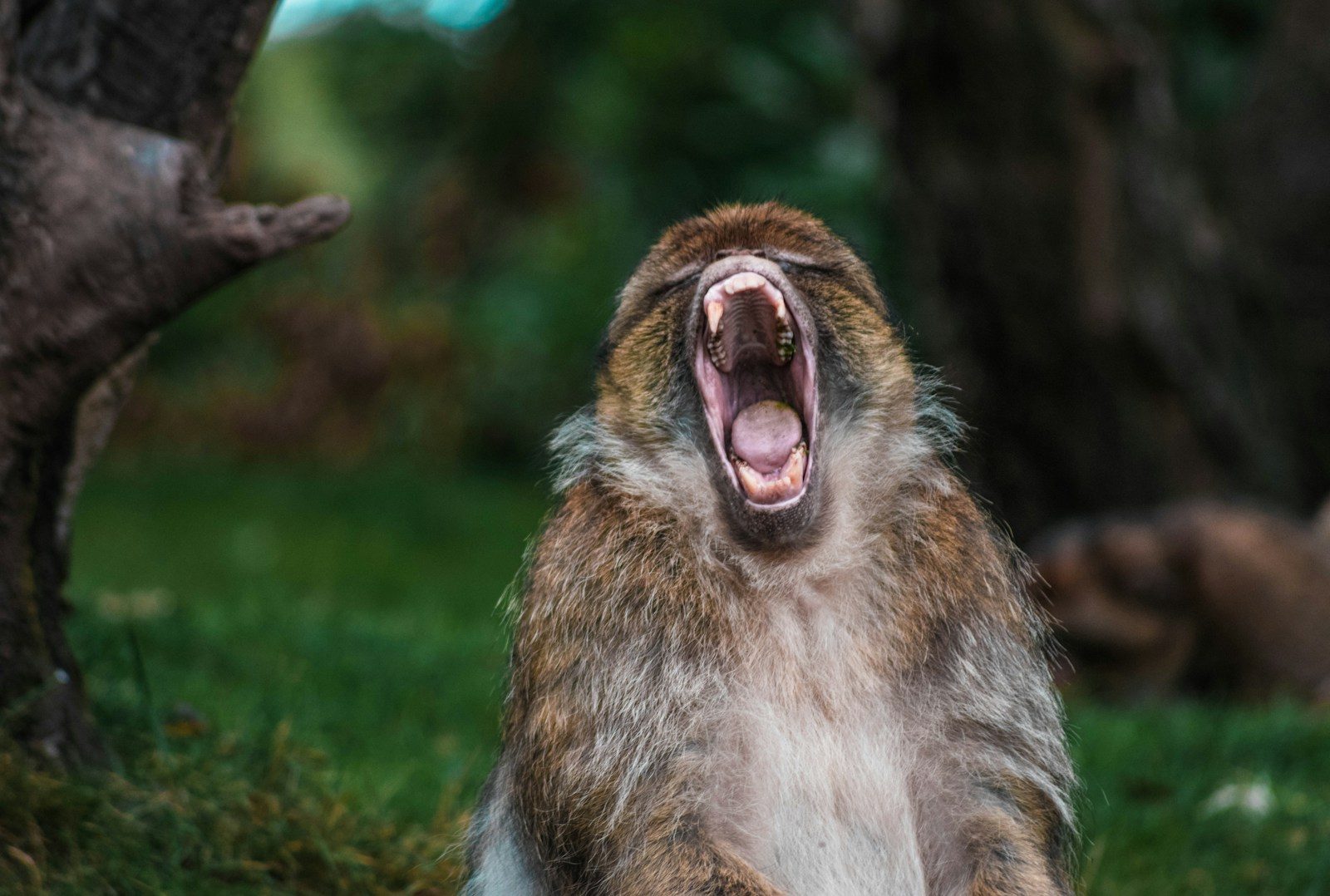
Most animal lovers assume that massive land mammals are the only creatures that make loud sounds. We believe that small birds and insects can only produce quiet chirps in the forest.
But a closer look at natural acoustics reveals some highly surprising biological amplifiers. Certain small creatures use extreme physics to produce sounds that can travel for miles.
The Giant Blue Whale Songs
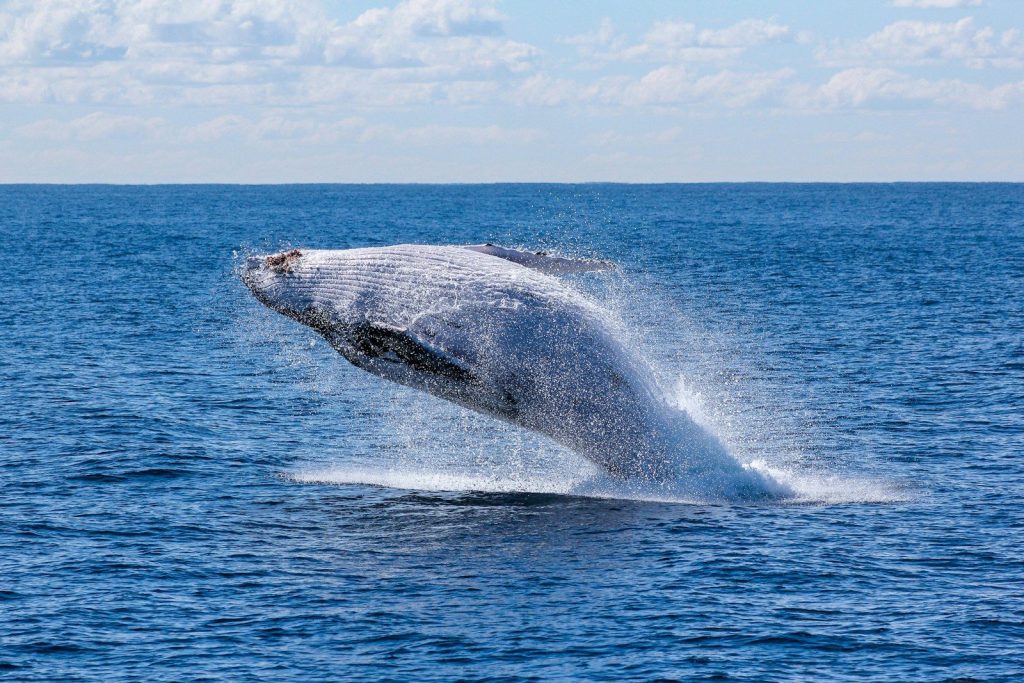
The largest mammal on our planet also produces some of the lowest and loudest songs in the ocean. According to marine biology reports, these deep vocalizations can measure up to one hundred and eighty-eight decibels. They are incredibly loud. These low-frequency calls can travel through thousands of miles of deep water to communicate with other pods. But some tiny insects can compete with this volume on land.
The Water Boatman Acoustic Trick

A tiny aquatic insect can produce a sound that matches the volume of a passing passenger train. According to a study by the University of Glasgow, this microscopic bug rubs its body parts together to reach ninety-nine decibels. The bug is tiny. This sound is generated underwater but is still loud enough for humans to hear on the shore. But the secret behind this volume is an advanced physical rubbing method.
The Pistols Of The Shallows
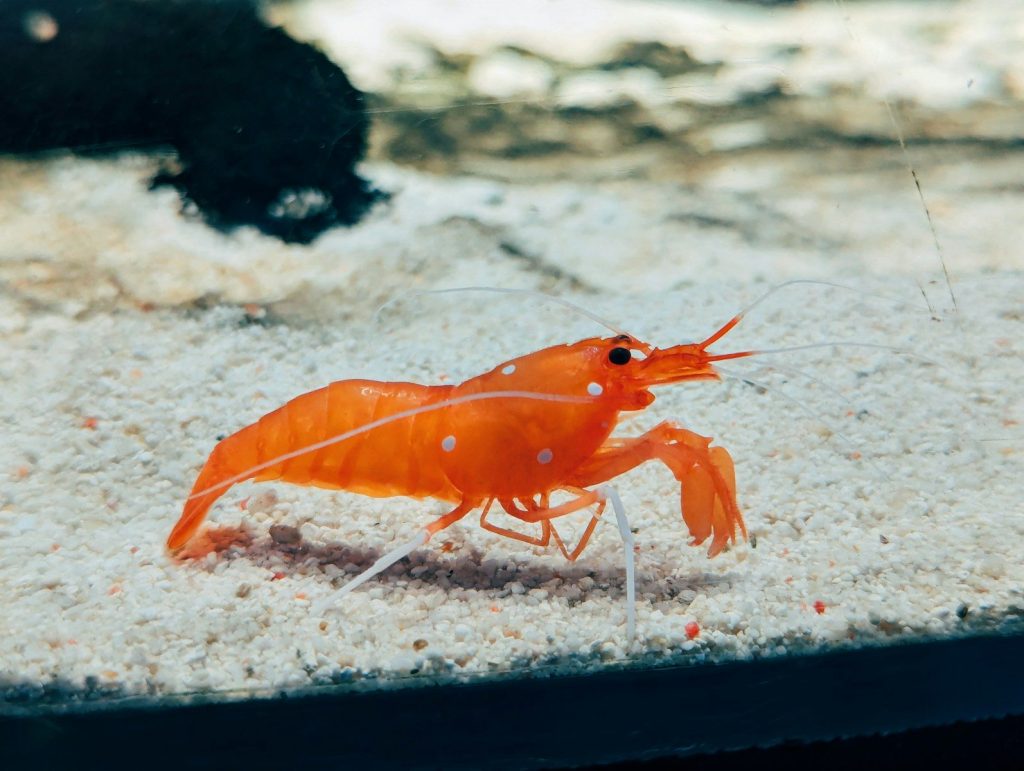
A specialized shrimp can snap its claw to create a high-pressure bubble that reaches two hundred decibels. According to reports from physics research updates, the sudden collapse of this bubble generates temperatures that mimic the surface of the sun. The snap is instant. This shockwave stuns small fish and allows the shrimp to hunt safely in the sand. But some birds use their chests to amplify their voices.
The Kakapo Booming Air Chambers
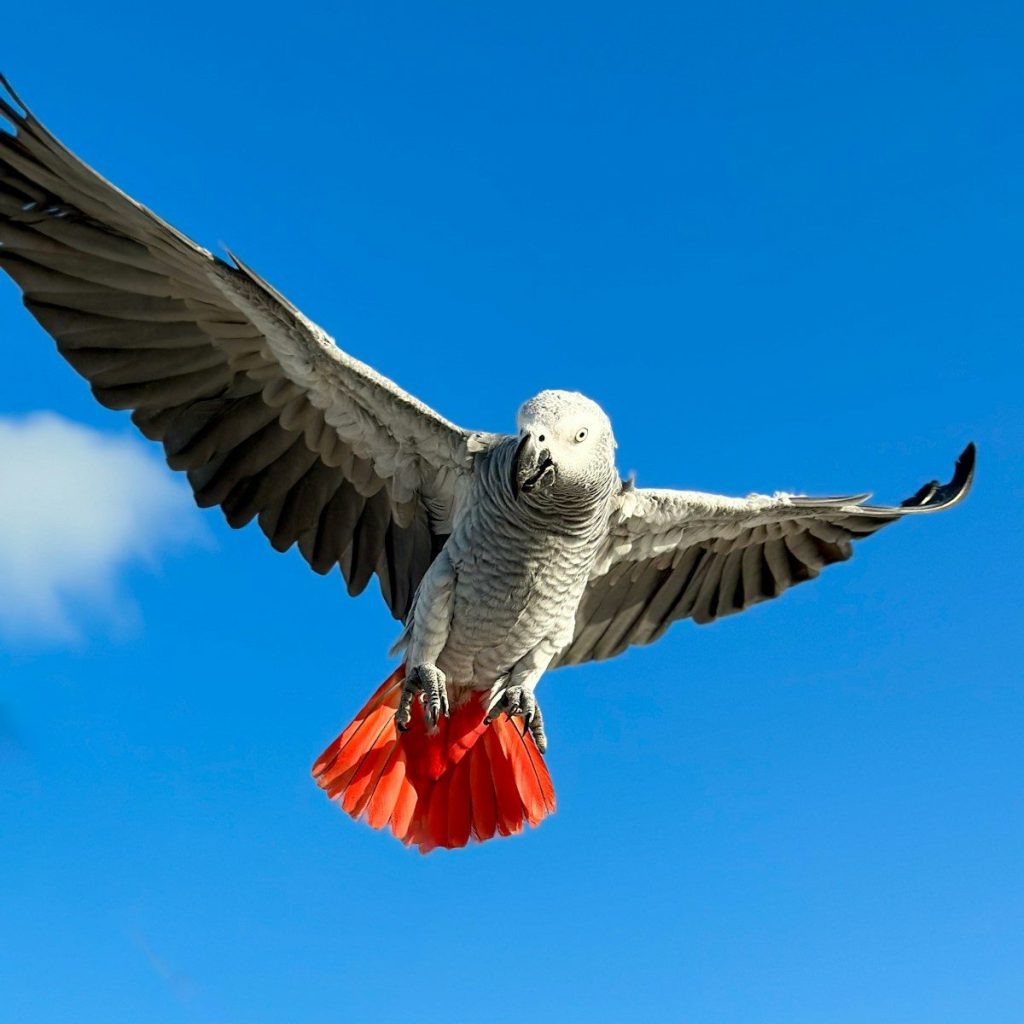
A heavy flightless parrot from New Zealand uses a unique physical technique to attract partners across deep valleys. According to reports from conservation researchers, the male bird digs a shallow bowl in the dirt to act as a natural megaphone. He is highly patient. The bird inflates massive internal air sacs to emit low booms that vibrate through the ground. But managing these loud sounds requires a highly protected ear.
Protecting Tender Ear Organs
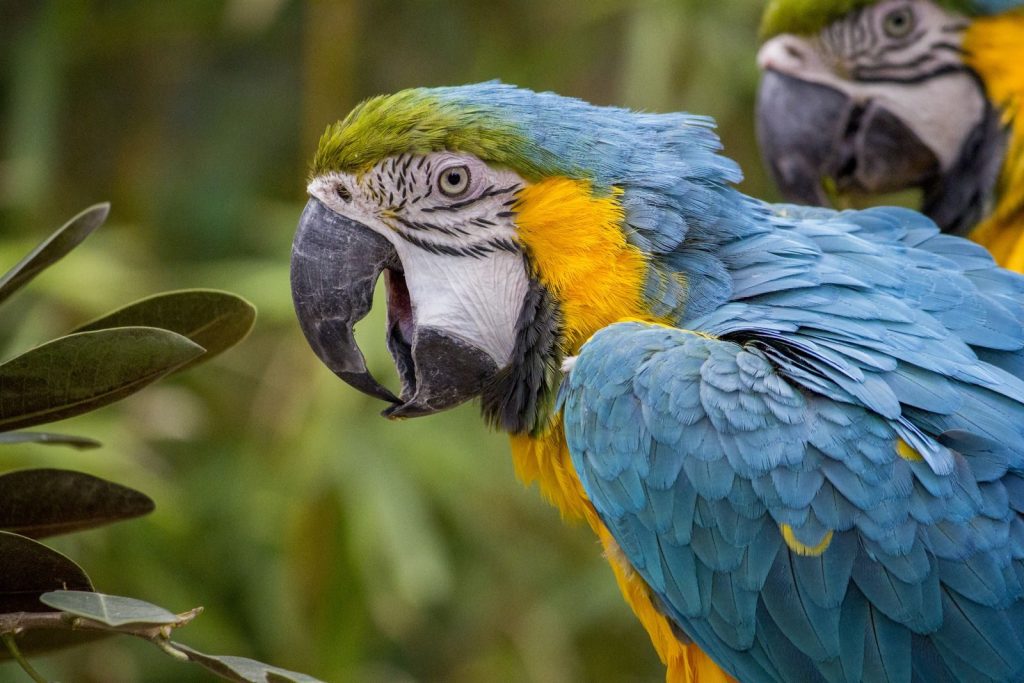
Generating such intense noise levels would easily destroy the hearing of the animal itself. According to biological reports, loud creatures possess specialized muscular valves that close their ears automatically during a call. The defense is passive. This structural protection ensures the animal remains completely safe from its own vocal power. But some primates use these loud calls to mark vast territories.
Howler Monkey Throat Structures
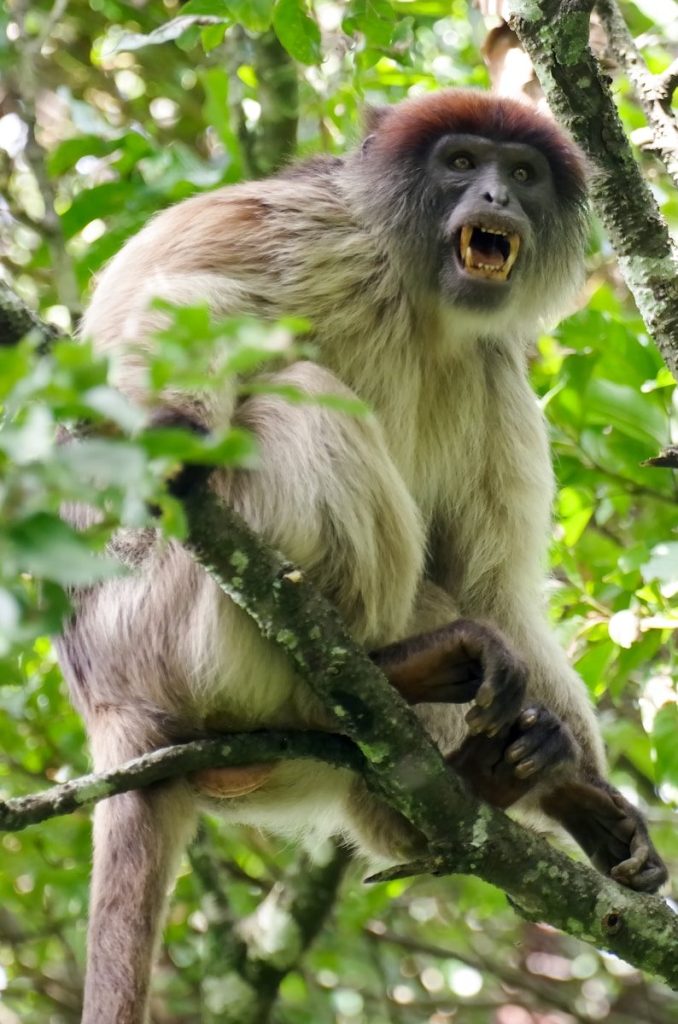
Deep inside the tropical canopy, specialized monkeys use massive throat bones to amplify their vocal cords. According to reports from anthropological studies, their enlarged hyoid bone acts like a hollow acoustic chamber to reflect sound waves. The roar is deafening. This specialized setup allows their territorial calls to travel through miles of thick jungle easily. But the ultimate lessons of these acoustic systems are inspiring modern engineers.
Designing Silent Future Tech
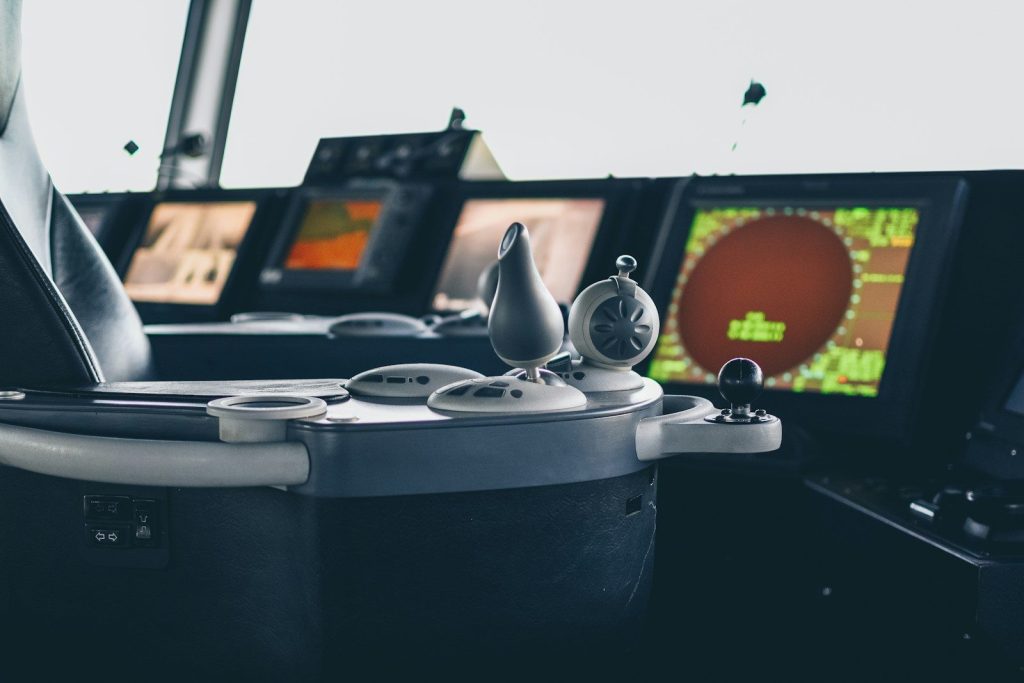
Understanding how small animals manipulate air pressure allows us to design highly efficient acoustic tools. According to reports from materials science researchers, studying natural amplifiers can help us build quieter medical devices and advanced sonar systems. Nature holds the answers. This article is for informational purposes only.
Featured Image: Photo by Lewis Roberts on Unsplash
Leave a Reply