Most people assume that modern civilization will continue to grow and prosper indefinitely. We believe our global systems are far too advanced to ever collapse.
But a powerful supercomputer model has predicted a terrifying global tipping point. Its calculated timeline suggests our current way of life could end very soon.
Calculating The Future Path
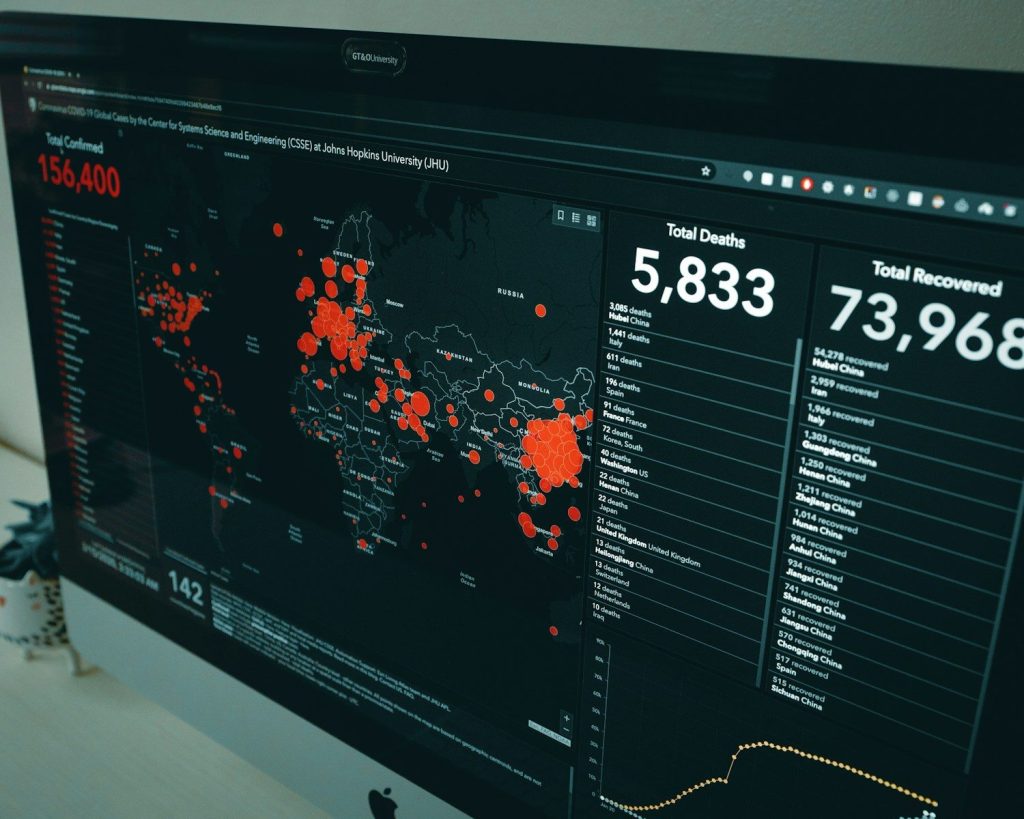
A group of visionary researchers at the Massachusetts Institute of Technology designed a highly complex computer program to track global development. They wanted answers. According to historical university logs, the model analyzed trends in population growth, industrial output, and resource depletion. But the resulting digital predictions took the scientific community by surprise.
Rapid Environmental Decay Starts
The computer model identified a specific transition period where resources begin to decline rapidly. According to research reports, the system predicted that unchecked industrial pollution would trigger a sudden drop in global agricultural yields. The crisis is real. This environmental decay would leave millions of people without basic food and clean water. But the calculated timeline was shockingly precise.
The Twenty Forty Deadline
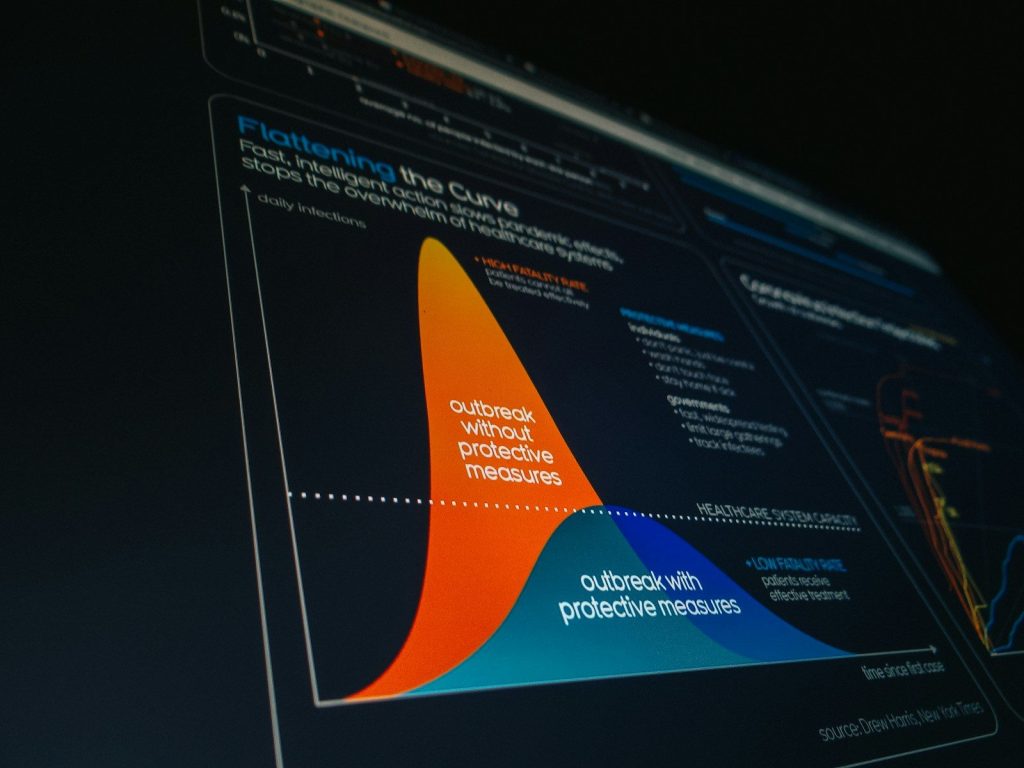
Digital calculations pointed to a total collapse of global systems around the year 2040. According to the original study publications, the model showed that our current industrial lifestyle is entirely unsustainable over long periods. The math was perfect. This prediction suggested that minor reforms would not be enough to stop the decline. But some critics argue that computers cannot predict human ingenuity.
The Missing Ingenuity Factor
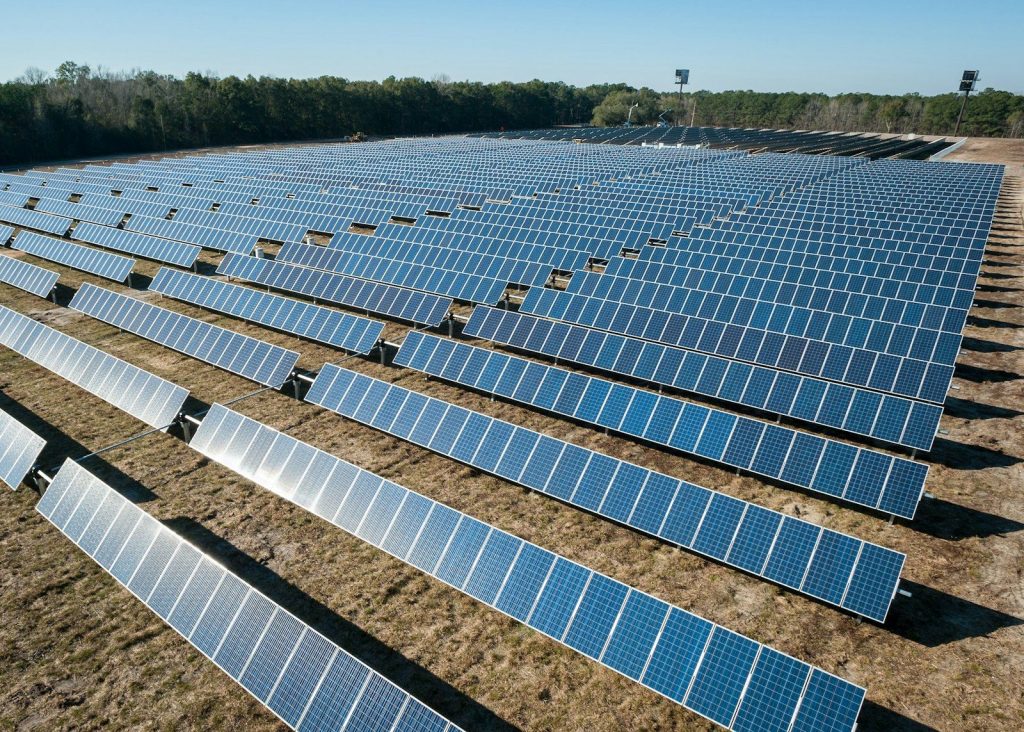
Traditional computer algorithms struggle to calculate how fast humans can develop brand new technologies during a crisis. According to system analysts, the model did not account for the rapid rise of renewable energy and electric transit. We are adapting. This behavioral shift could help humanity bypass the grim predictions of the machine. But the model has been surprisingly accurate so far.
Tracking The Real Data

Comparing the computer model predictions with real global statistics shows a highly disturbing alignment. According to independent geophysicists, our actual resource consumption and pollution levels have closely matched the predicted path since the nineteen seventies. The data is clear. This ongoing accuracy is forcing modern scientists to take the old warning seriously. But we still have a chance to rewrite the script.
Moving Toward Circular Economies
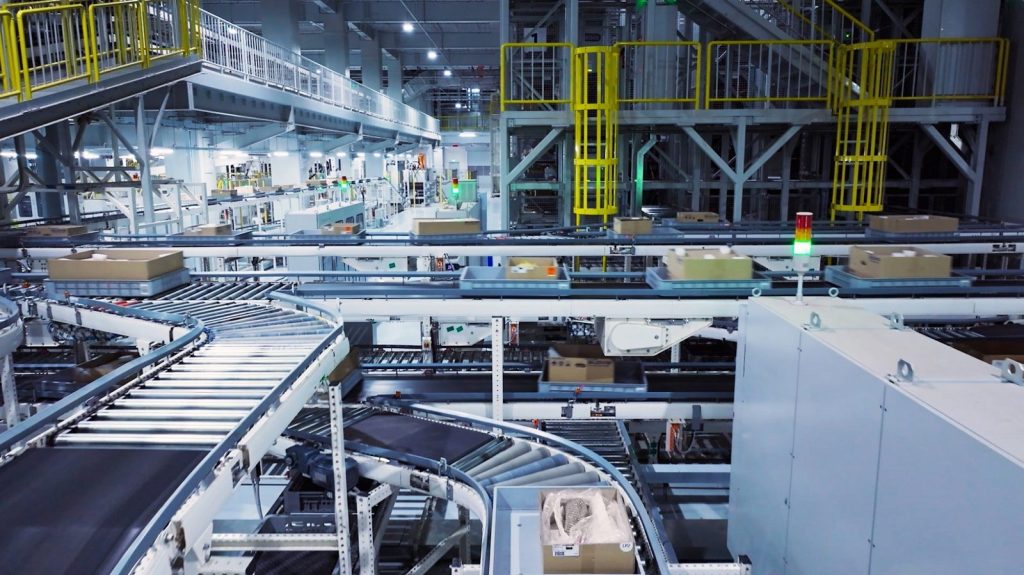
Bypassing the collapse requires a massive global transition toward sustainable manufacturing and clean power. According to public policy experts, recycling all physical resources can eliminate the industrial waste that threatens our climate. Change is happening. This shift would ensure that our civilization remains stable without draining the planet dry. But the final success of this effort relies on immediate action.
A Final Call To Action

The supercomputer warning serves as a vital blueprint to help us build a safer future. According to researchers, understanding our physical limits allows us to design a more resilient society. Balance is essential. This article is for informational purposes only.
Leave a Reply