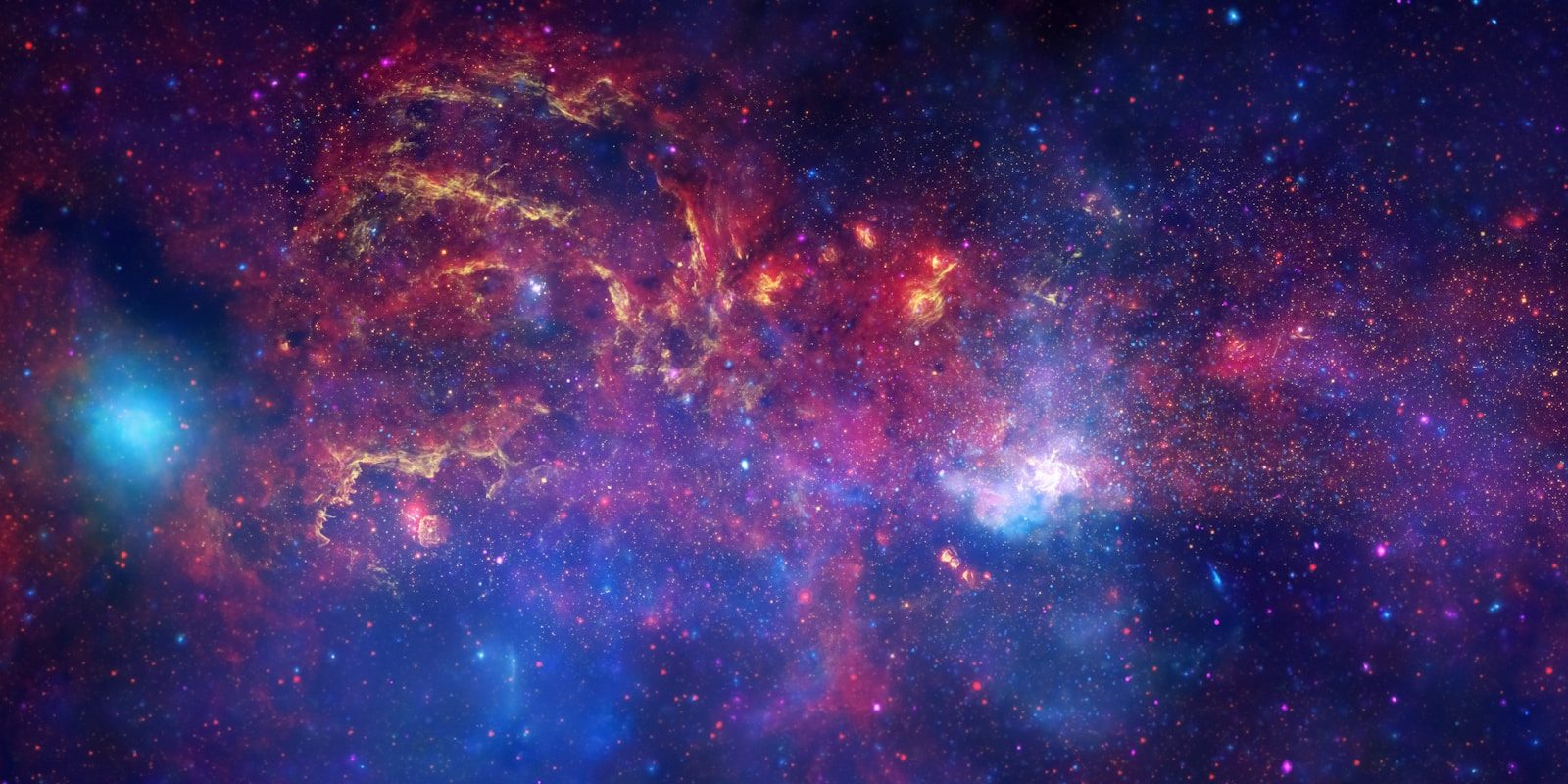
Most stargazers assume that early humans viewed the night sky as a simple ceiling of bright lights. We believe that understanding cosmic movements required highly advanced modern satellites.
But a series of historical breakthroughs has completely transformed our relationship with the cosmos. These brilliant discoveries have quietly revealed a vast and changing universe beyond our world.
Turning Glass Toward Stars
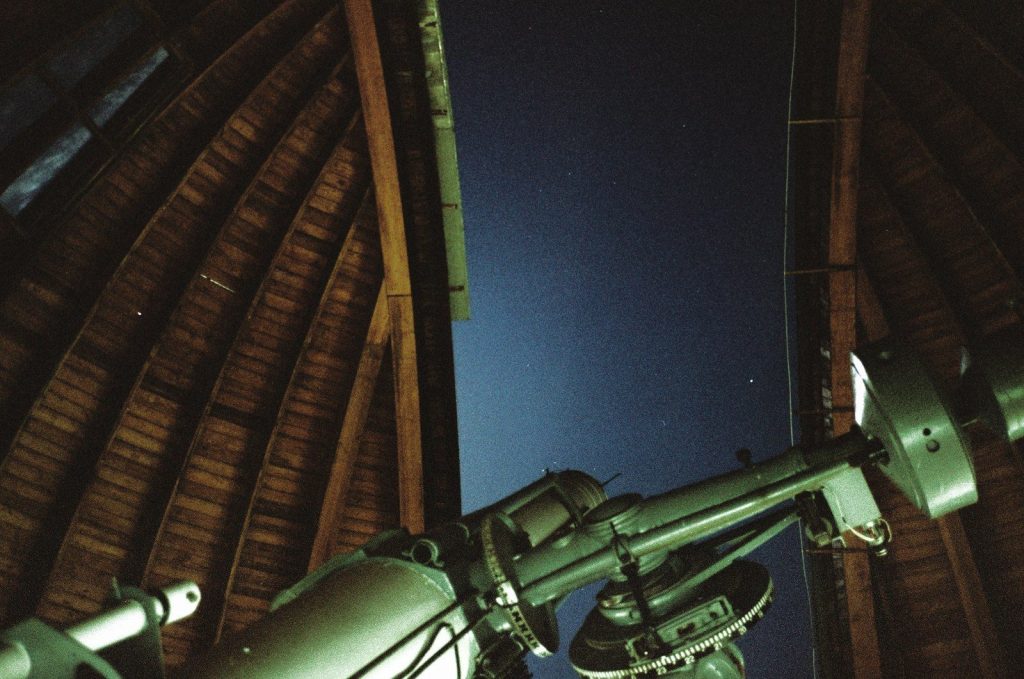
The journey to map deep space officially began when a bold inventor turned glass lenses toward the moon. According to historical records, Galileo observed orbiting moons and planetary phases in sixteen ten. It was a revelation. This simple visual proof shattered old beliefs that everything in the cosmos circled Earth. But this optical step was only the beginning of a much larger calculation.
Calculating Gravity: Cosmic Laws
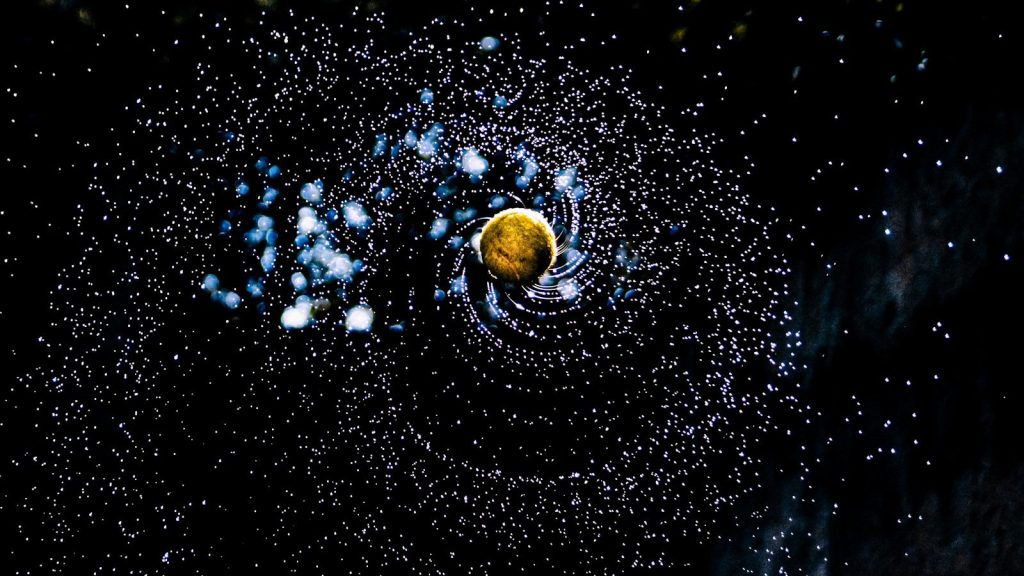
Understanding why heavy planets remain locked in stable paths required a radical mathematical leap. According to physics publications, Isaac Newton proved that an invisible gravitational force binds the entire universe together. The math was perfect. This gravity calculation allowed astronomers to predict planetary movements with absolute accuracy for generations. But a strange cosmic speed limit would soon disrupt these neat equations.
Bending Space And Time
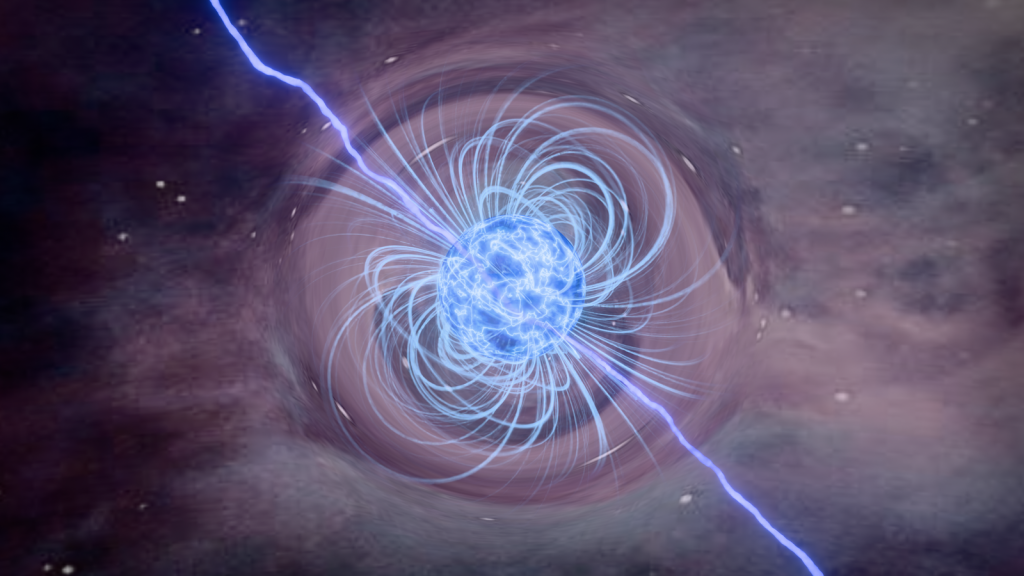
A brilliant patent clerk proposed a mind-bending theory that completely reshaped modern physics. According to reports from the Institute for Advanced Study, Albert Einstein showed that gravity actually warps the physical fabric of space and time. Space is flexible. This radical idea explained how massive stars can bend passing starlight during solar eclipses. But tracking these cosmic warps required looking at distant galaxies.
Discovering The Expanding Void
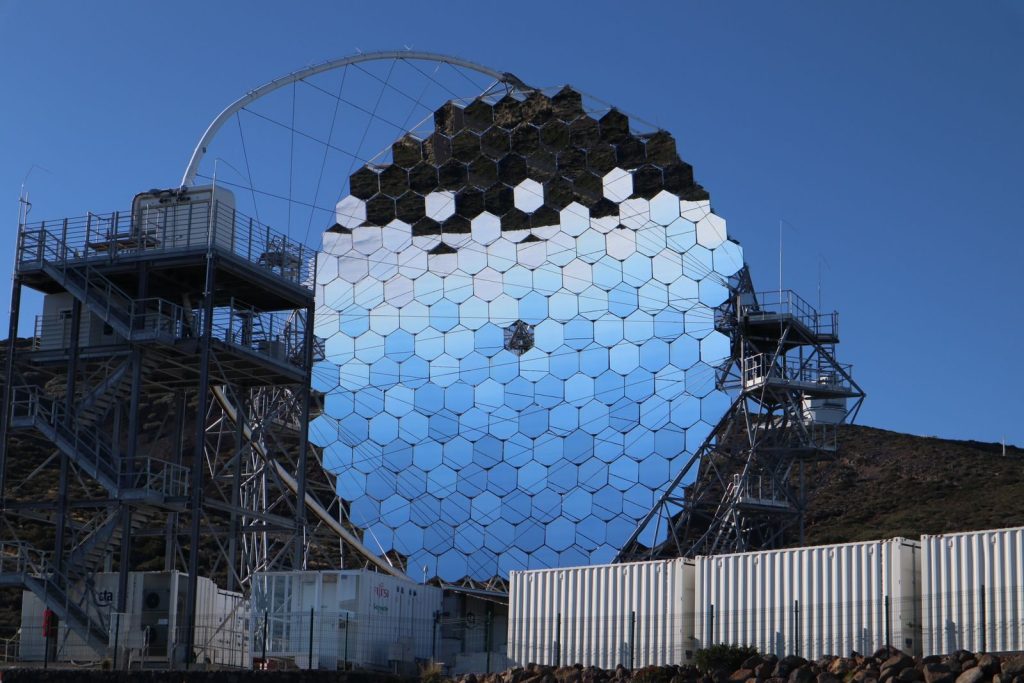
Astronomers using a massive telescope in California made a shocking discovery about the scale of our universe. According to historical archives, Edwin Hubble proved that distant galaxies are actively rushing away from us. The cosmos is growing. This constant expansion suggested that everything in space originated from a single hot starting point. But capturing the cold echo of this birth required fresh sensors.
Hearing The Big Bang
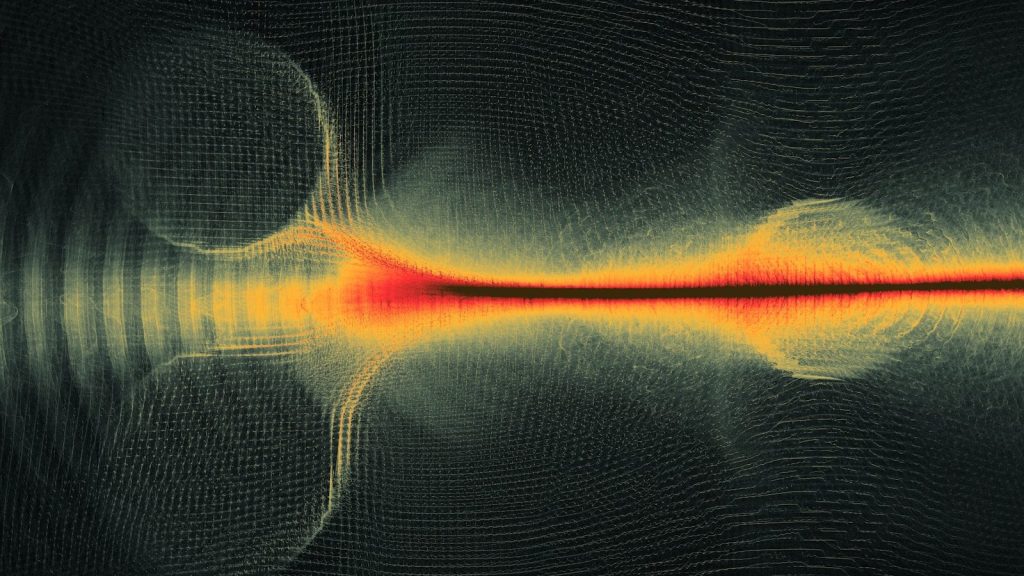
Two communications engineers accidentally recorded a persistent hum coming from all directions in the sky. According to reports from the Bell Telephone Laboratories, this static noise was the literal thermal echo of the early universe. It was a whisper. This cosmic microwave background provided definitive proof of how our universe began billions of years ago. But deep space still held an invisible energy mystery.
Hunting For Dark Matter
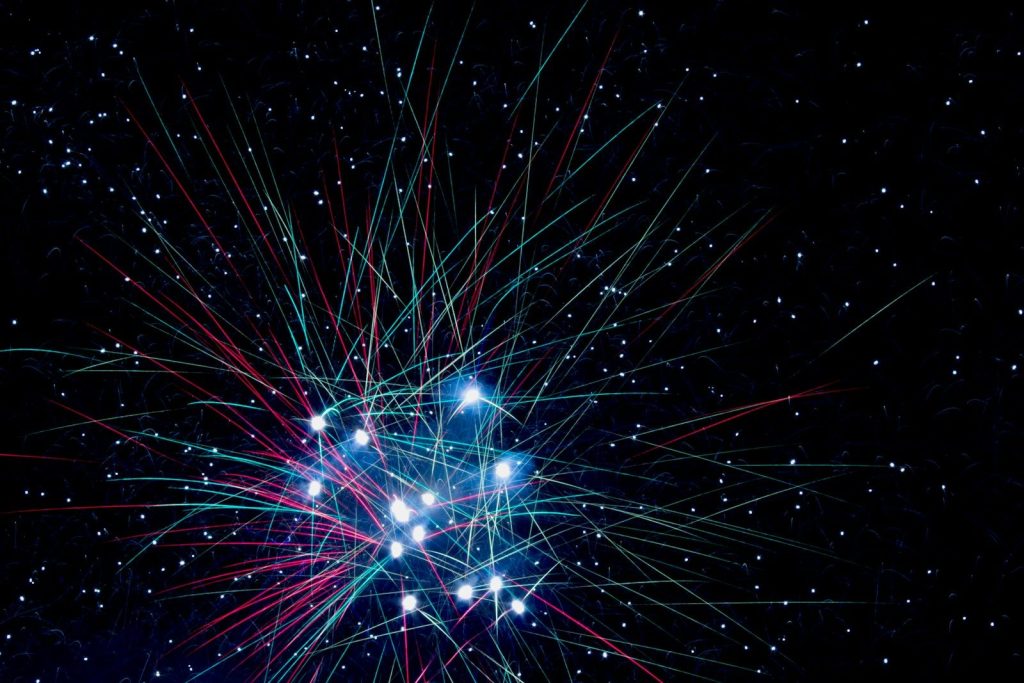
Modern telescopes mapping the speed of spinning galaxies discovered that visible matter is not strong enough to hold them together. According to astronomical studies, a mysterious invisible substance must exist to provide extra gravity. The universe is hidden. This dark matter is currently one of the greatest unresolved puzzles in modern astrophysics. But astronomers are already preparing to look even deeper.
Scanning The Outer Horizons
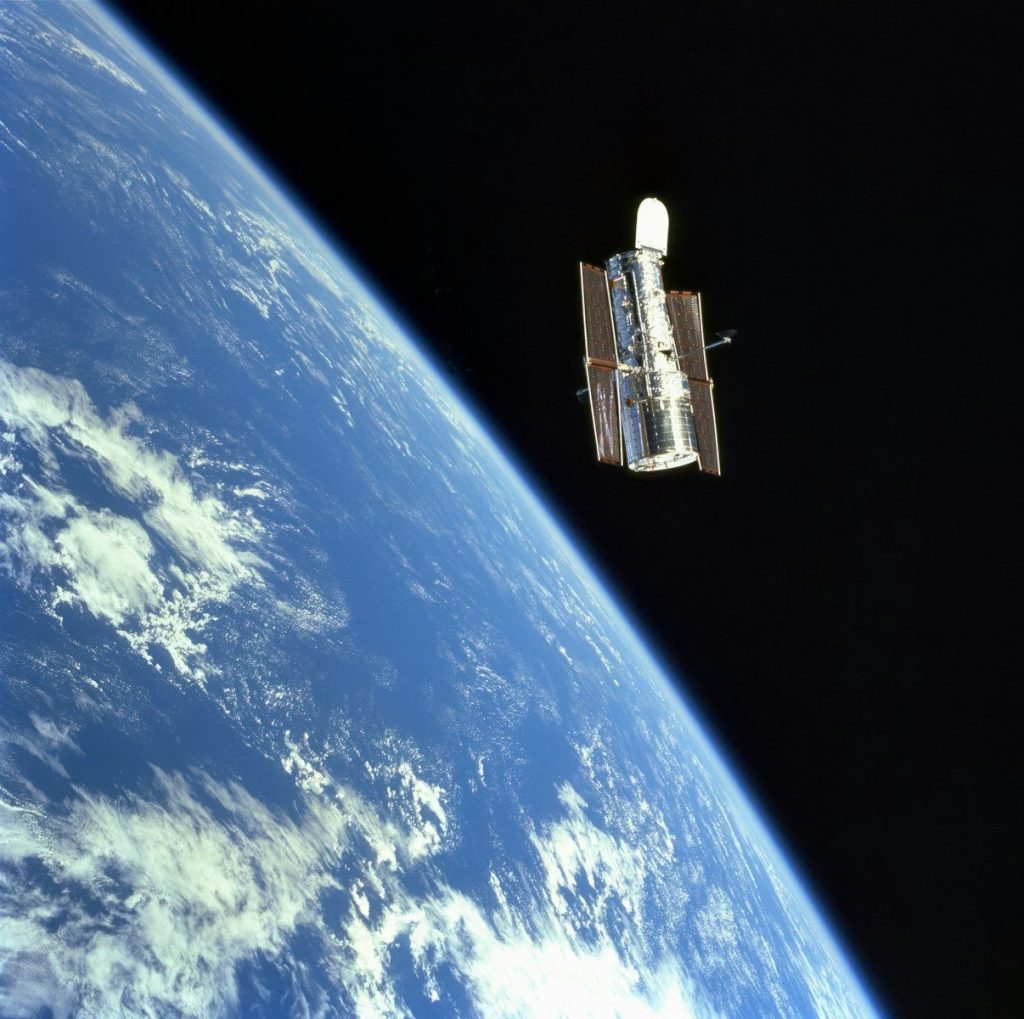
Every new telescope discovery expands our understanding of how cosmic matter behaves under extreme physical conditions. According to NASA, using advanced orbital sensors allows humanity to trace the history of all matter back to the stars. We are learning. This article is for informational purposes only.
Featured Image: Photo by NASA Hubble Space Telescope on Unsplash
Leave a Reply