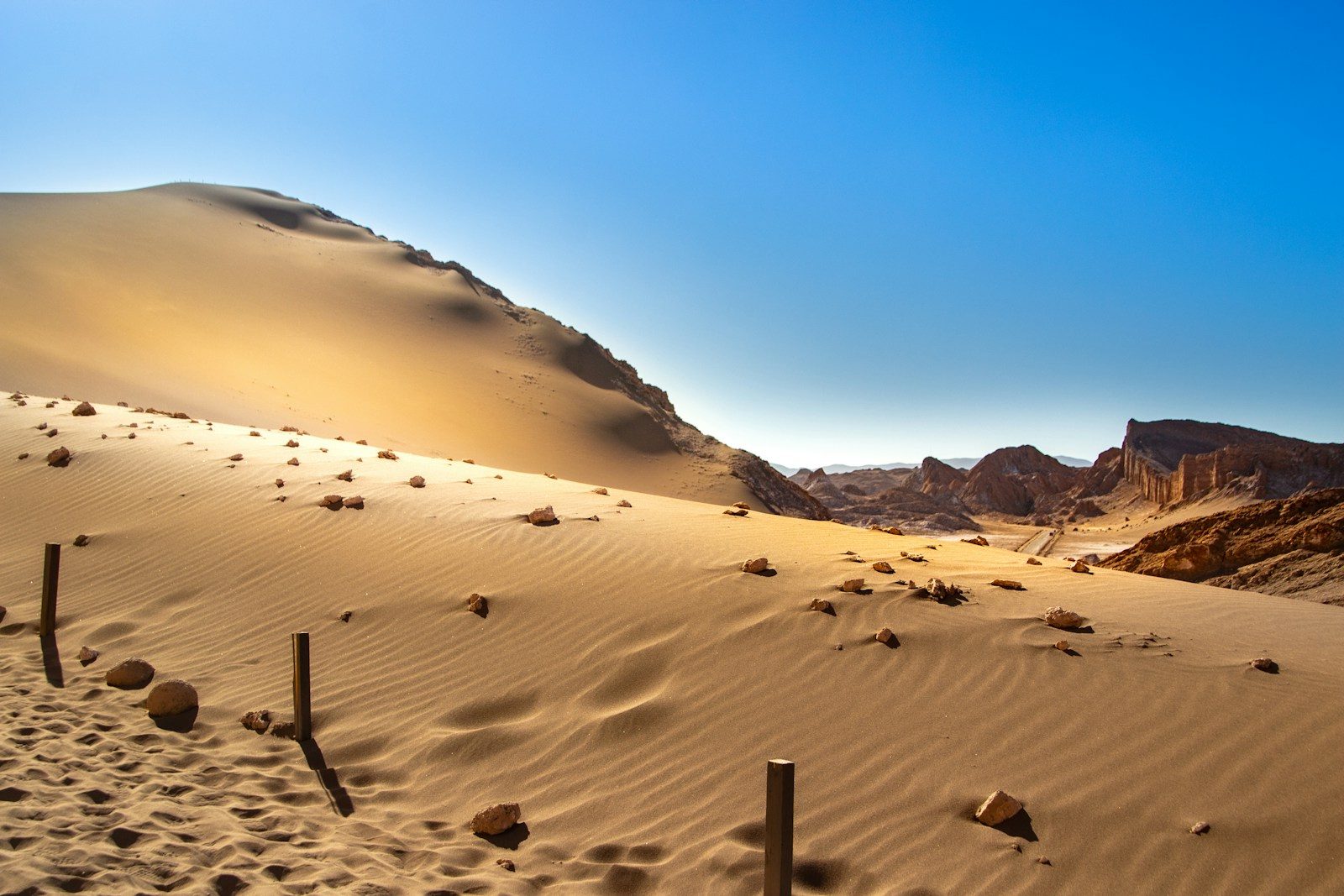
Most history lovers assume that ancient Egyptian pharaohs represent the oldest mummified people in the world. We believe that elaborate burials only emerged with the rise of great Nile cities.
But a stunning find deep beneath the desert sand has challenged this historical timeline. Excavators have uncovered seven-thousand-year-old mummified remains belonging to a completely unknown human lineage.
Secrets Hidden In Searing Sand
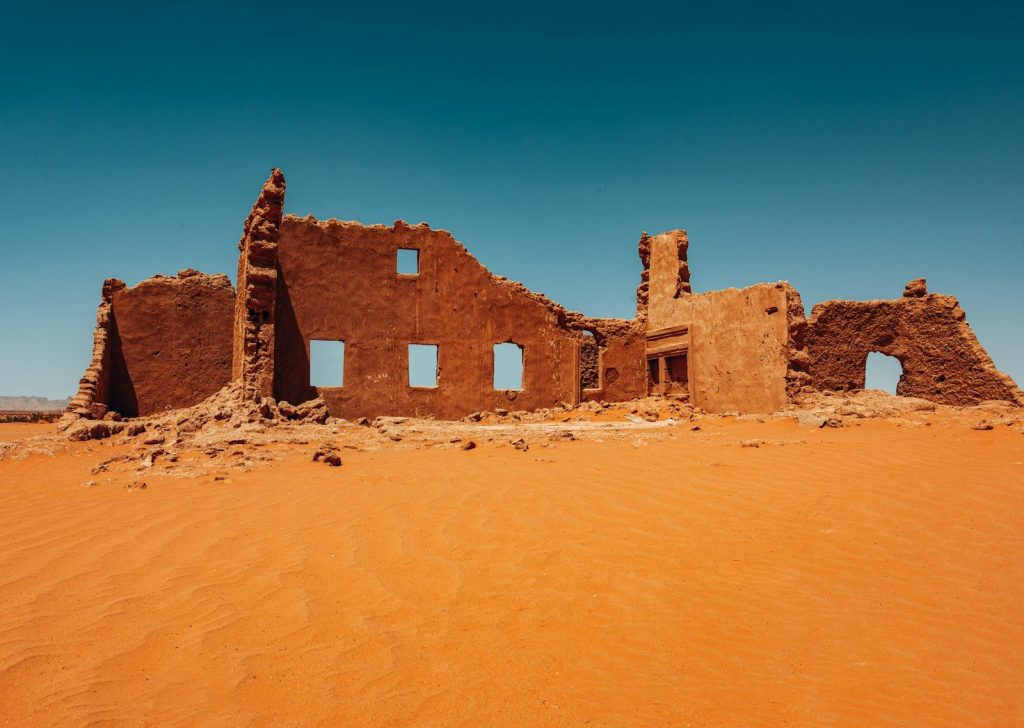
A team of archaeologists exploring a remote desert basin in the Sahara made a staggering discovery under the dunes. The sand was deep. According to reports from the National Museum, workers uncovered highly complex burial structures that predated historical records by millennia. But analyzing these ancient bones would quickly reveal a highly bizarre genetic reality.
Tracing Unseen Human Relatives
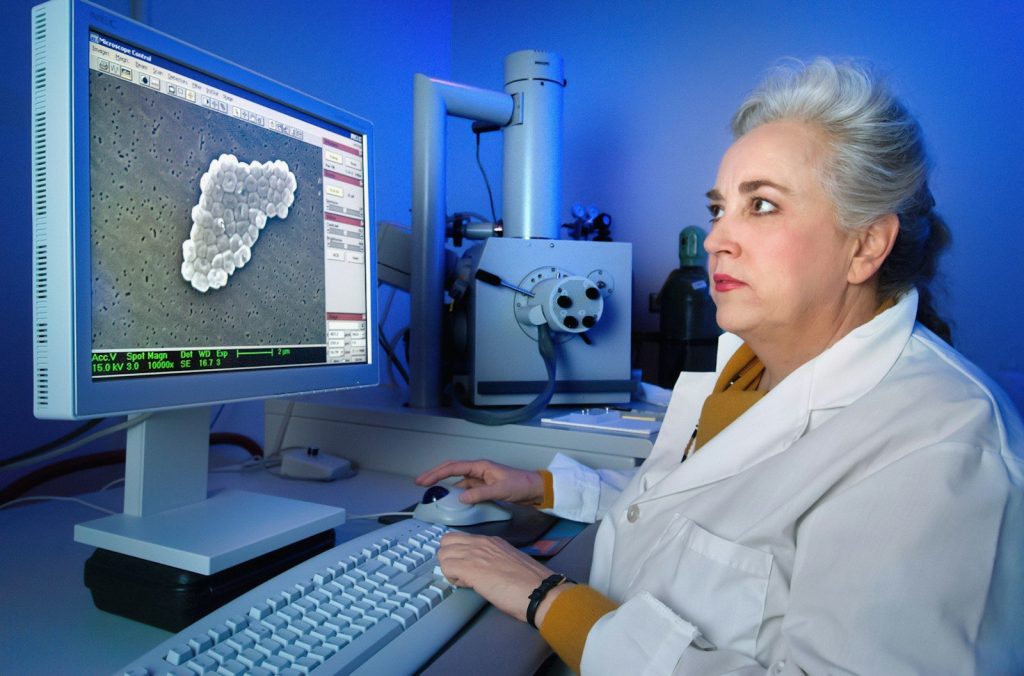
Researchers immediately processed bone fragments to extract ancient biological blueprints from the specimens. The results were shocking. According to geneticists at the Max Planck Institute, the DNA of the mummies does not match any known human lineage on our planet. This mysterious group represents a complete ghost branch of our evolution. But their advanced technology would puzzle researchers even more.
Crafting Impossible Early Tools
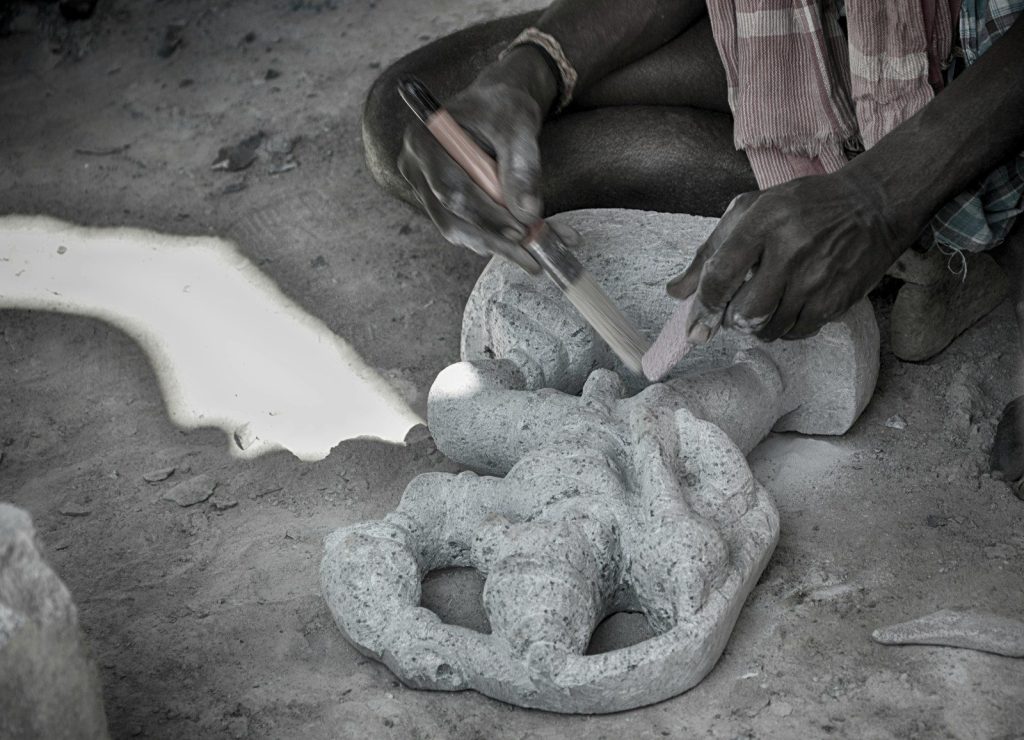
Finding such ancient mummies required checking the complex items buried alongside the skeletons in the sand. The tools were beautiful. According to archaeological micro-wear studies, the prehistoric craftsmen used highly advanced grinding methods to shape hard stone weapons. This early technology appeared thousands of years before standard timelines suggest. But tracing where these prehistoric nomads traveled led to another mystery.
Crossing A Green Landscape
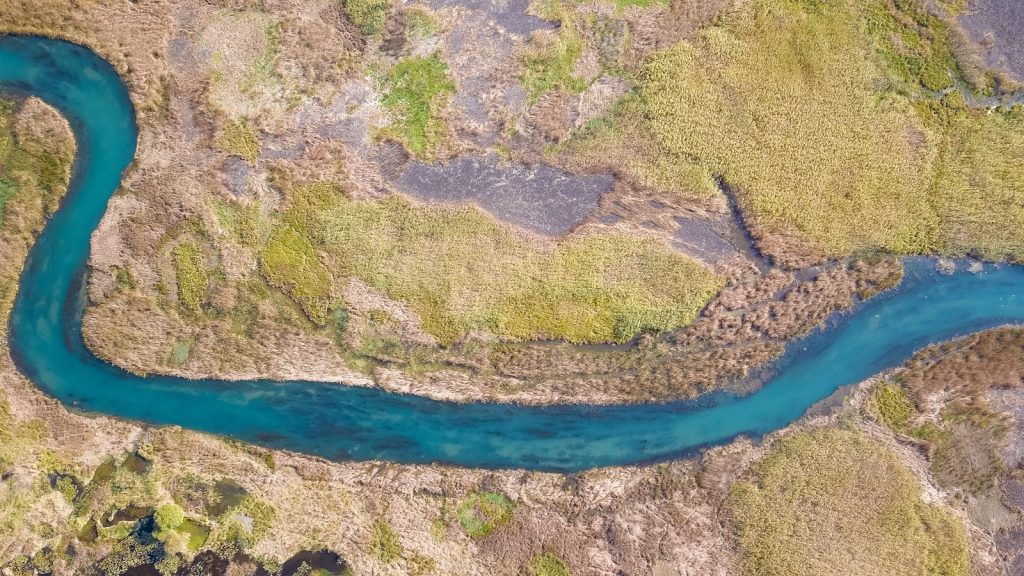
The Sahara was once a lush tropical paradise filled with flowing rivers and green grasslands. According to paleoclimatological models, this wet environment supported massive animal herds and thriving human groups. It was a haven. The green landscape allowed this mysterious lineage to travel and settle across vast territories easily. But a sudden planet shift would bring an end to this fertile world.
Swallowed By Rising Silt
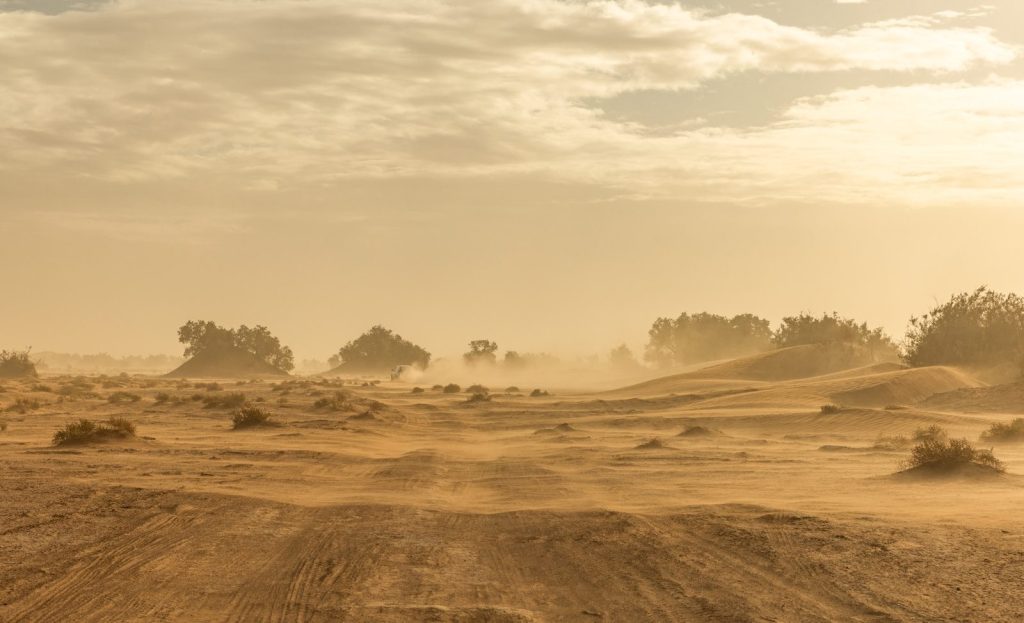
Severe changes in Earth’s rotation slowly turned the green tropical wetlands into dry sand dunes. According to geological climate reconstructions, the rapid desertification forced many specialized populations to migrate. They had to flee. This climate crisis slowly buried the ancient settlements under deep layers of dust. But the unique preservation of these bodies was not a natural accident.
Mastering The Drying Art
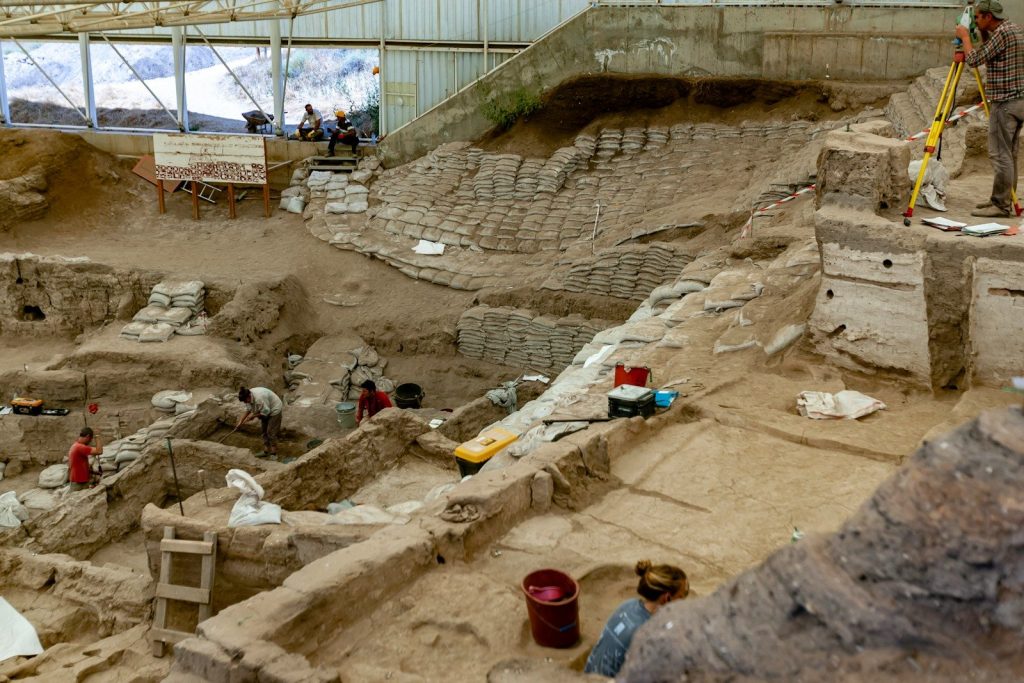
The ancient group possessed a sophisticated understanding of preservation long before the dynastic pharaohs arose. According to anthropological reports, the bodies were treated with specific plant resins and wrapped tightly in animal skins. The work was complex. This careful preparation kept the tissues intact across seven thousand years of desert heat. But opening these delicate chambers required launching a dangerous mission.
Sifting Deep Dust Safely
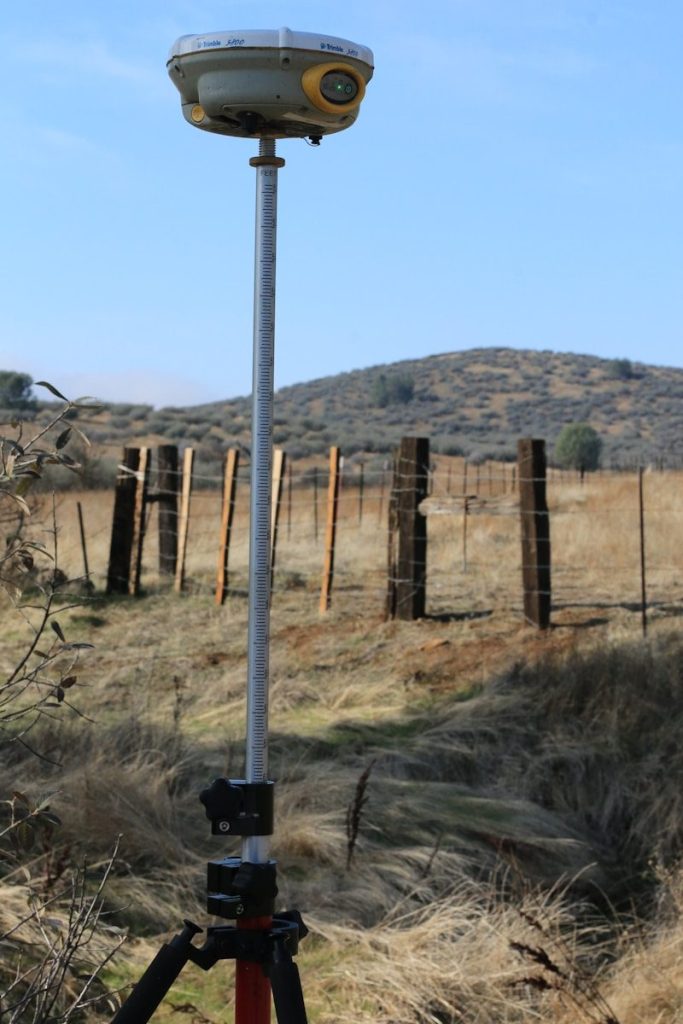
Excavating inside fragile sand structures requires extreme care and modern digital mapping systems. According to independent geophysicists, researchers used ground-penetrating radar to scan the coordinates before touching the soil. Precision was vital. This radar shield allowed the team to map the tomb layout without collapsing the surrounding dunes. But the ultimate legacy of this ghost lineage continues to divide scholars.
Redefining Our Deep Past
This spectacular desert discovery proves that our evolutionary tree holds many forgotten branches. According to researchers, studying these ancient Sahara mummies helps us reconstruct the true diversity of early human migrations. The past is active. This article is for informational purposes only.
Featured Image: Photo by David Vives on Unsplash
Leave a Reply