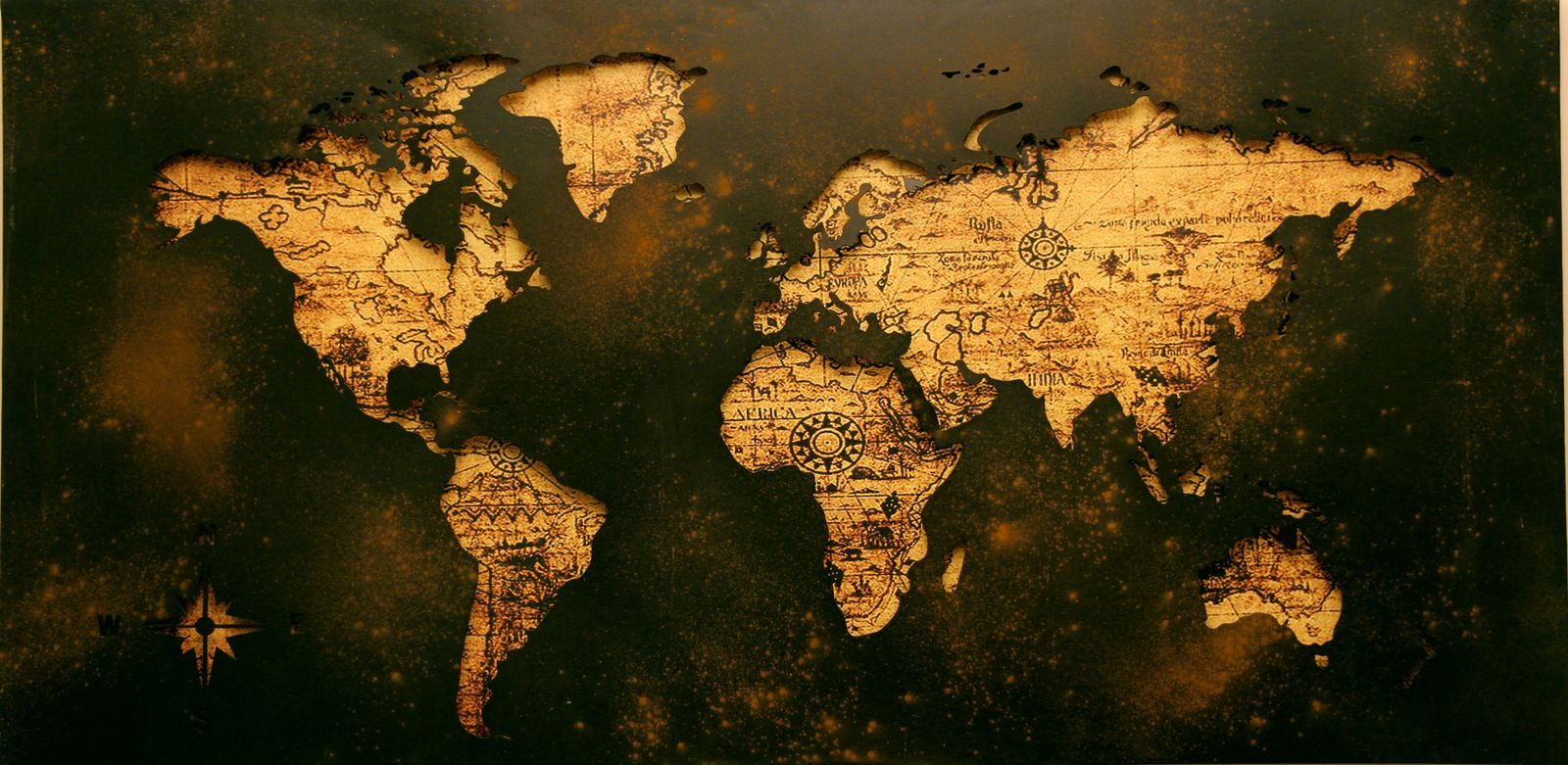
Most students assume that major scientific discoveries are immediately accepted by the academic community. We believe that logical evidence always wins over old beliefs without any struggle.
But the theory of continental drift faced decades of absolute mockery before proving to be entirely correct. This historic scientific battle forever changed how we see the ground beneath our feet.
The Puzzle Of Continents
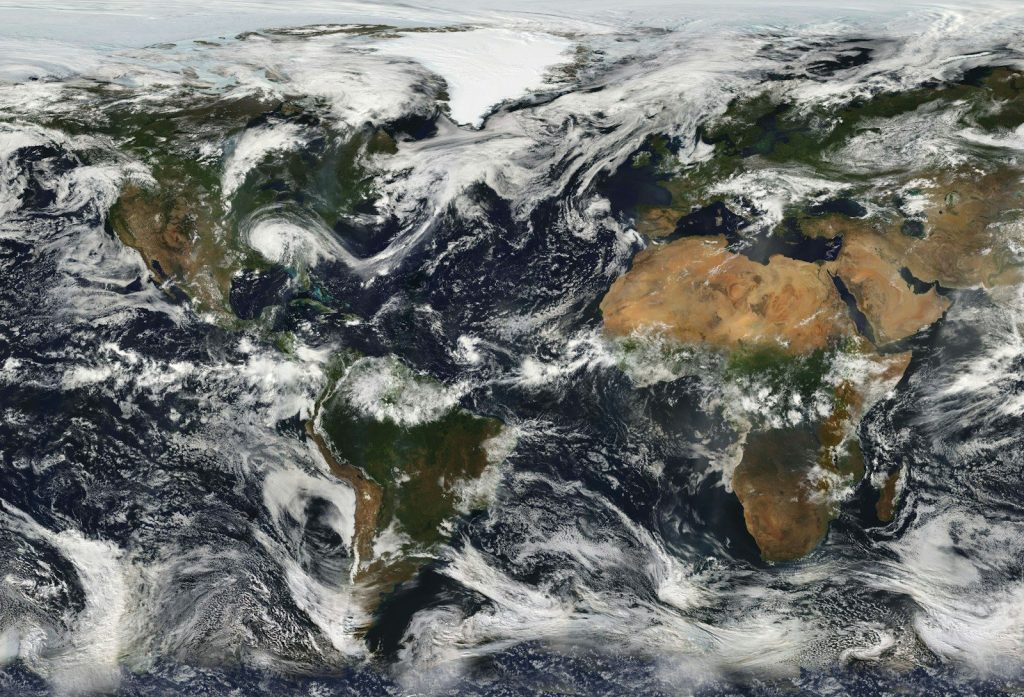
A German meteorologist noticed a highly unusual pattern while studying world maps in nineteen twelve. According to historical records, Alfred Wegener realized that the coastlines of South America and Africa fit together perfectly. They were like puzzle pieces. This visual link suggested that the continents were once joined as a single massive landmass. But explaining how these giant landmasses moved was incredibly difficult.
Matching Ancient Fossils
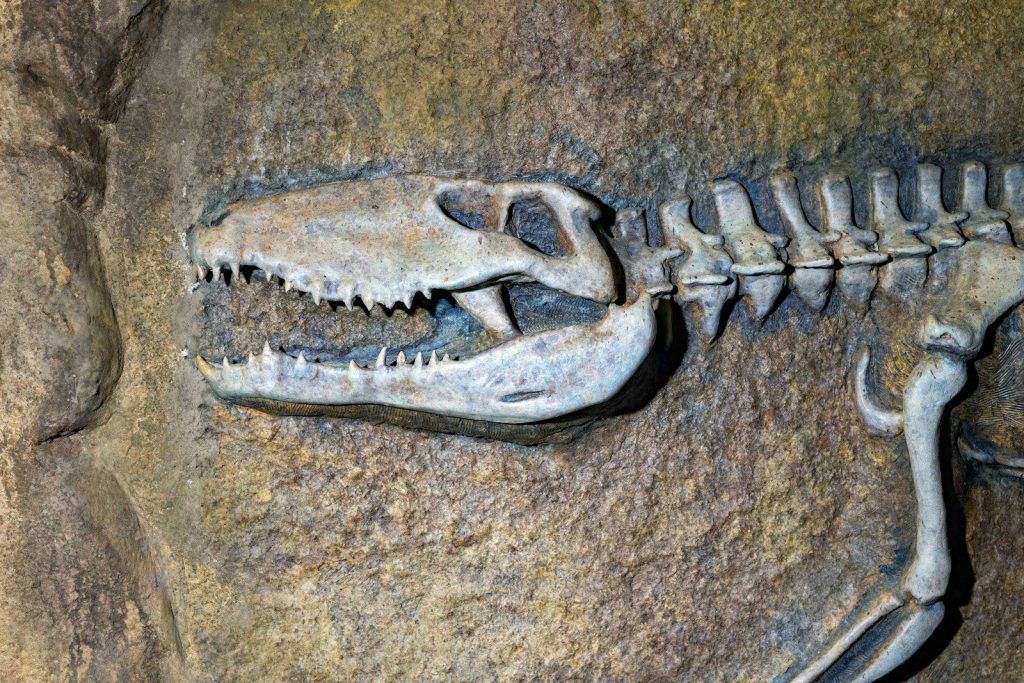
Wegener began searching for physical evidence to support his controversial continental puzzle theory. According to paleontological reports, identical fossilized remains of ancient reptiles were discovered in both Brazil and South Africa. This was stunning proof. These small land creatures could not have swum across thousands of miles of open ocean. But mainstream scientists rejected the biological evidence immediately.
Absolute Academic Mockery
Many members of the global scientific community refused to believe that solid granite continents could slide across the ocean floor. According to historical archives, elite geologists publicly called the theory a wild fairy tale. They were highly hostile. They argued that Wegener lacked a physical mechanism to explain what could push entire continents. But the truth was waiting deep on the ocean floor.
Mapping The Seafloor Mountains

A pioneering female geologist began mapping the Atlantic Ocean floor during the nineteen fifties. According to geological survey logs, Marie Tharp used sonar data to discover a massive mountain range running down the center of the ocean. It was a giant rift. This discovery proved that the seabed was actively tearing itself apart. But confirming this underwater movement required studying Earth’s magnetic fields.
The Magnetic Stripe Evidence
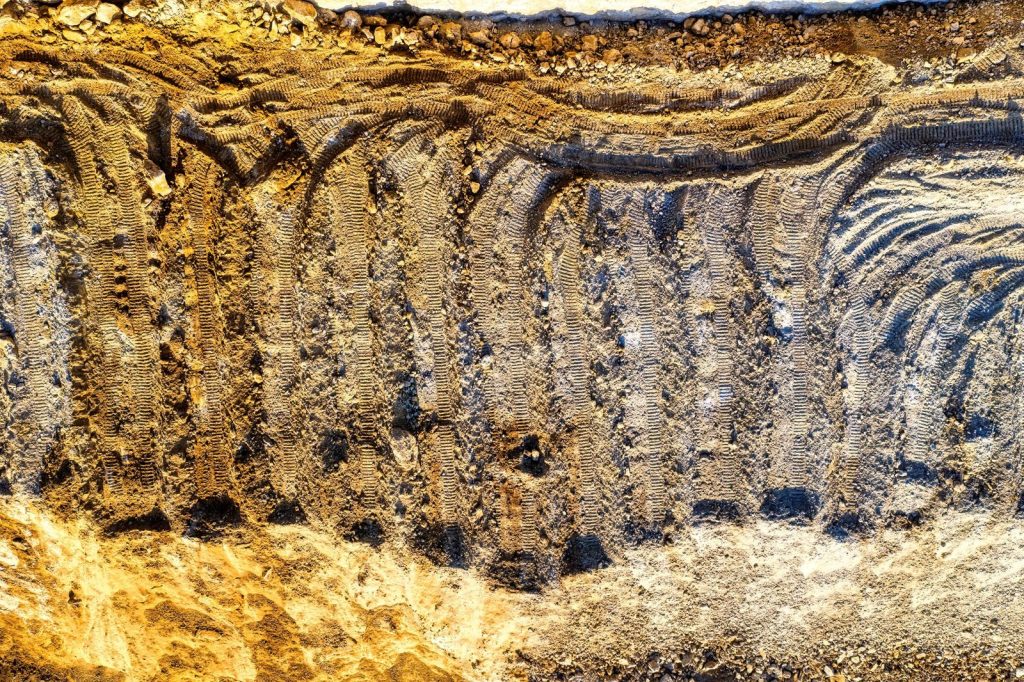
Analyzing the ocean floor revealed a symmetrical pattern of magnetic stripes on both sides of the ridge. According to geophysics reports, these stripes prove that new crust is constantly forming and spreading outward. The sea is widening. This discovery finally provided the exact physical mechanism that Wegener was missing decades earlier. But this realization came too late for the original creator.
Vindicated Long After Death

Alfred Wegener perished in the freezing wilderness of Greenland before his theory was officially accepted. According to historical biographies, he died during an expedition in nineteen thirty without ever knowing he won the debate. He was a pioneer. Today, the theory of plate tectonics is the absolute foundation of modern Earth science. But these moving plates are still shaping our global future.
Lessons From The Past
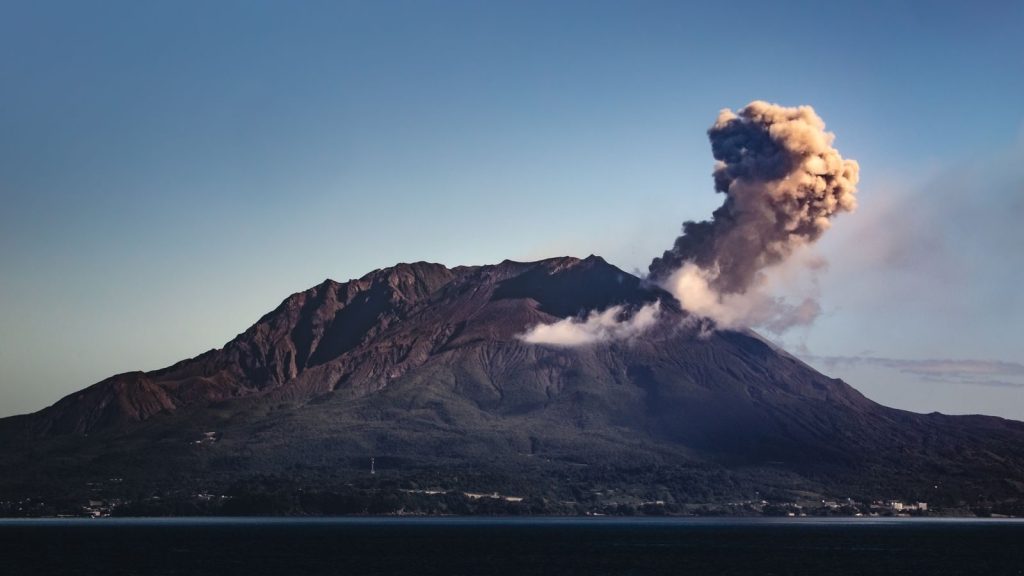
The struggle of continental drift reminds us that established science must always remain open to radical new ideas. According to modern geologists, understanding plate tectonics helps us predict volcanic eruptions and protect coastal cities from earthquakes. Balance is vital. This article is for informational purposes only.
Featured Image: Photo by Aaditya Arora on Pexels
Leave a Reply