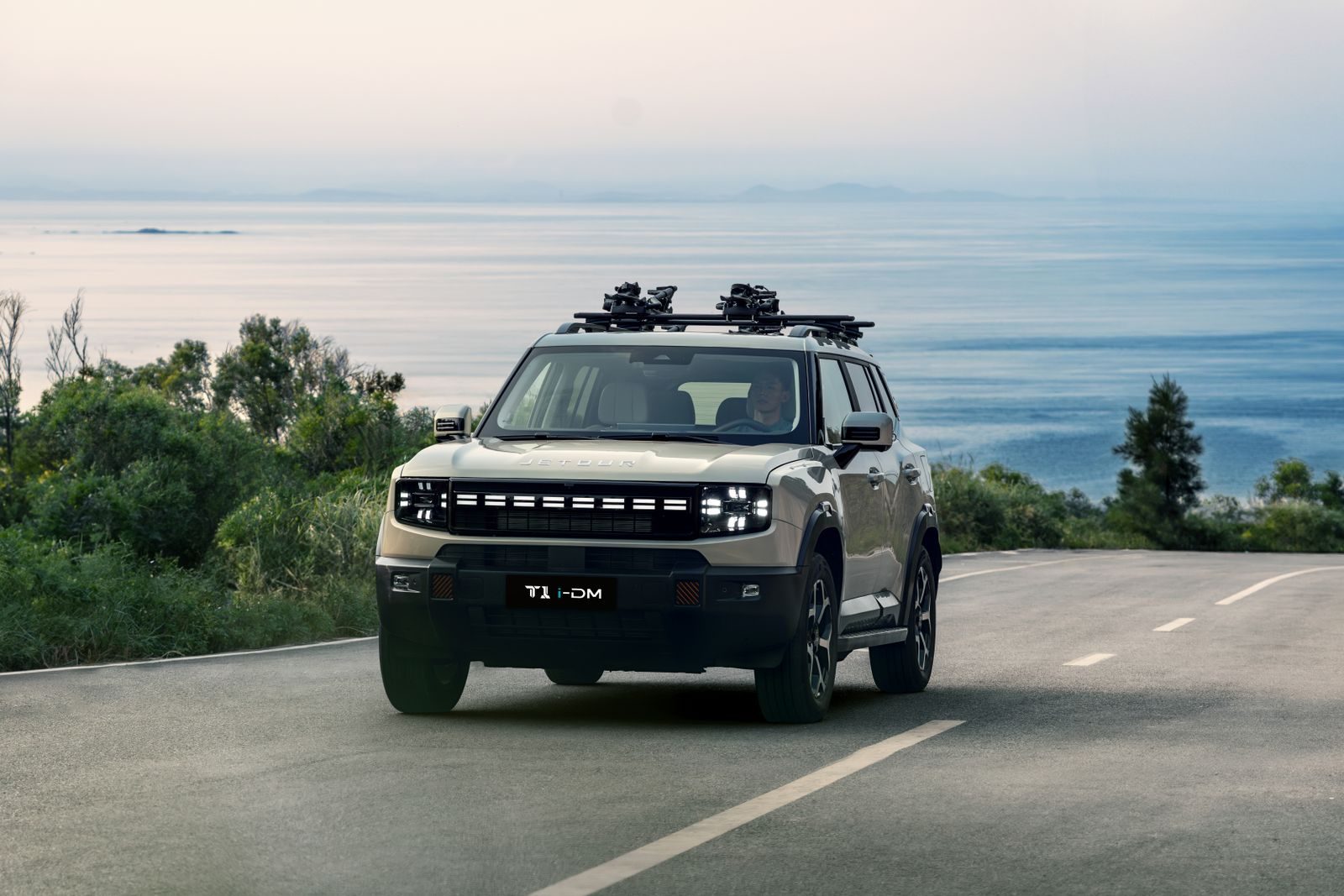
Most drivers assume that electric utility vehicles must sacrifice driving range for cargo space. We believe that heavy family cars are naturally slow and inefficient on the highway.
But a revolutionary new luxury vehicle has completely shattered these battery constraints. Its advanced design combines sports car speed with an incredibly efficient power grid.
Bypassing The Wind Barrier
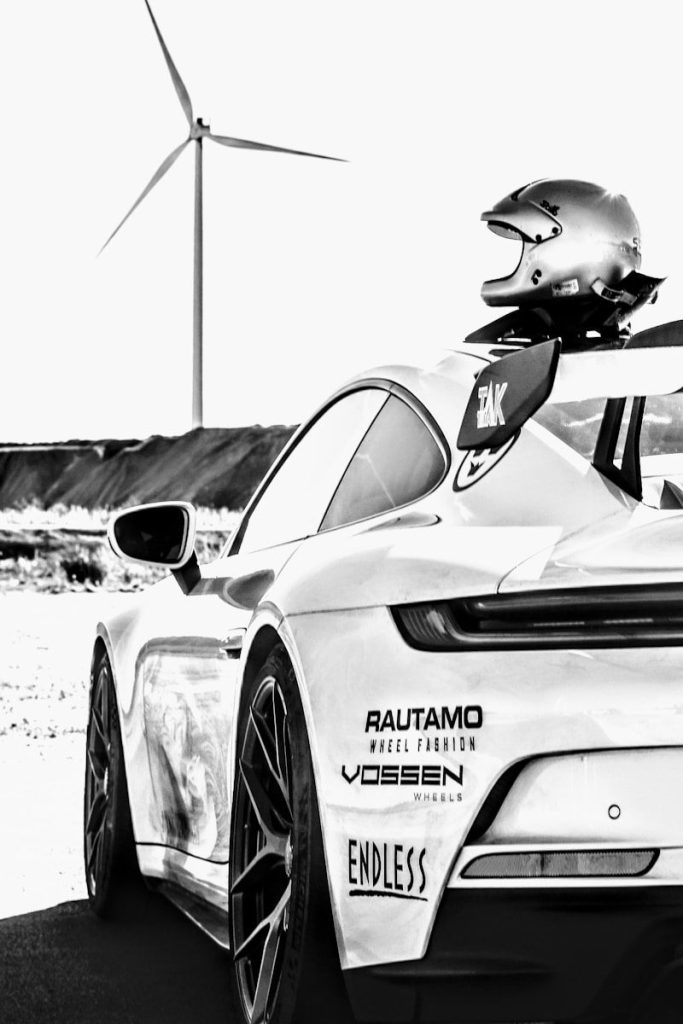
Driving a large family vehicle normally creates intense aerodynamic drag that drains battery charge rapidly. According to testing logs from Lucid Motors, the new vehicle features an incredibly smooth exterior shell. It is highly aerodynamic. This sleek design allows the massive cabin to slide through the air with almost zero resistance. But keeping this heavy platform moving efficiently requires a highly compact motor.
The Miniature Drive Units
Traditional electric motors are bulky and heavy, which reduces total passenger cabin space. According to mechanical engineering journals, the vehicle uses ultra-compact motor units that generate over eight hundred horsepower. They are tiny. This space-saving design allows the car to accelerate faster than many classic sports cars. But managing this intense power requires an advanced electrical grid.
High Voltage Battery Grids

Distributing electrical current efficiently across a massive vehicle requires a highly robust battery setup. According to electrical engineering reviews, the vehicle uses an advanced nine-hundred-volt architecture. The current is strong. This advanced grid allows the car to charge faster and run thinner wiring to reduce total weight. But achieving epic driving range requires a major battery chemistry breakthrough.
Surpassing Four Hundred Miles
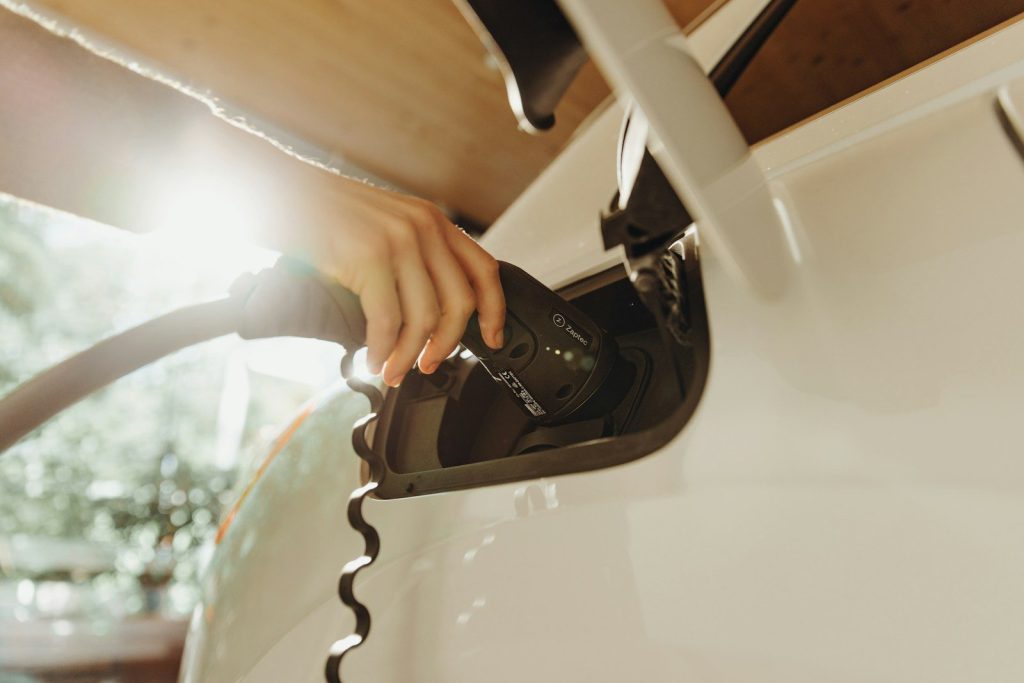
Most modern electric family cars struggle to travel past three hundred miles on a single charge. According to consumer hardware reviews, this new platform easily breaks the four-hundred-mile range barrier. The range is historic. This efficiency allows drivers to tackle long road trips without experiencing constant charging anxiety. But the interior of the cabin offers its own technological wonders.
The Curved Digital Glass
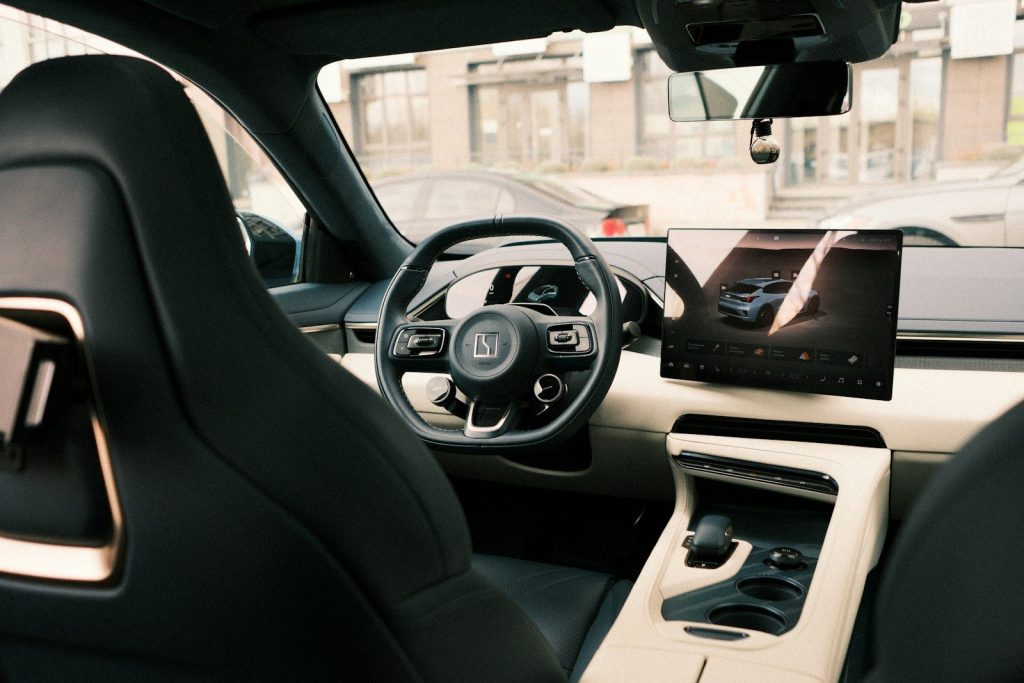
Sitting in the driver’s seat reveals a massive curved glass display that floats above the dashboard. According to software engineering logs, the screen utilizes high-resolution organic light panels to show navigation maps. It is beautiful. This automated interface displays critical travel details instantly without cluttering the driver’s field of view. But maintaining a smooth ride requires a smart suspension setup.
Adapting Air Suspension Struts

Carrying a heavy battery pack through tight city streets requires a highly reactive suspension system. According to vehicle test reports, smart air struts adjust the ride height automatically based on terrain feedback. The adjustment is instant. This real-time leveling allows the heavy vehicle to navigate rugged mountain paths with absolute ease. But keeping passengers comfortable requires managing intense external noises.
Active Noise Cancellation Tech

Riding in a quiet electric vehicle can make standard tire and wind noises feel incredibly loud. According to acoustic engineering studies, the cabin features a built-in active noise control system. The silence is absolute. Specialized microphones monitor external sounds and emit opposing sound waves to neutralize the noise. But the long-term success of this luxury platform remains a major industry test.
Redefining The Electric Era

This advanced family vehicle is pushing materials science and autonomous driving into an entirely new era. According to automotive historians, this engineering shift will redefine how we view sustainable transportation. The future is arriving. These design breakthroughs will soon shape how consumer cars are built around the globe. This article is for informational purposes only.
Featured Image: Photo by Jetour Georgia on Pexels
Leave a Reply