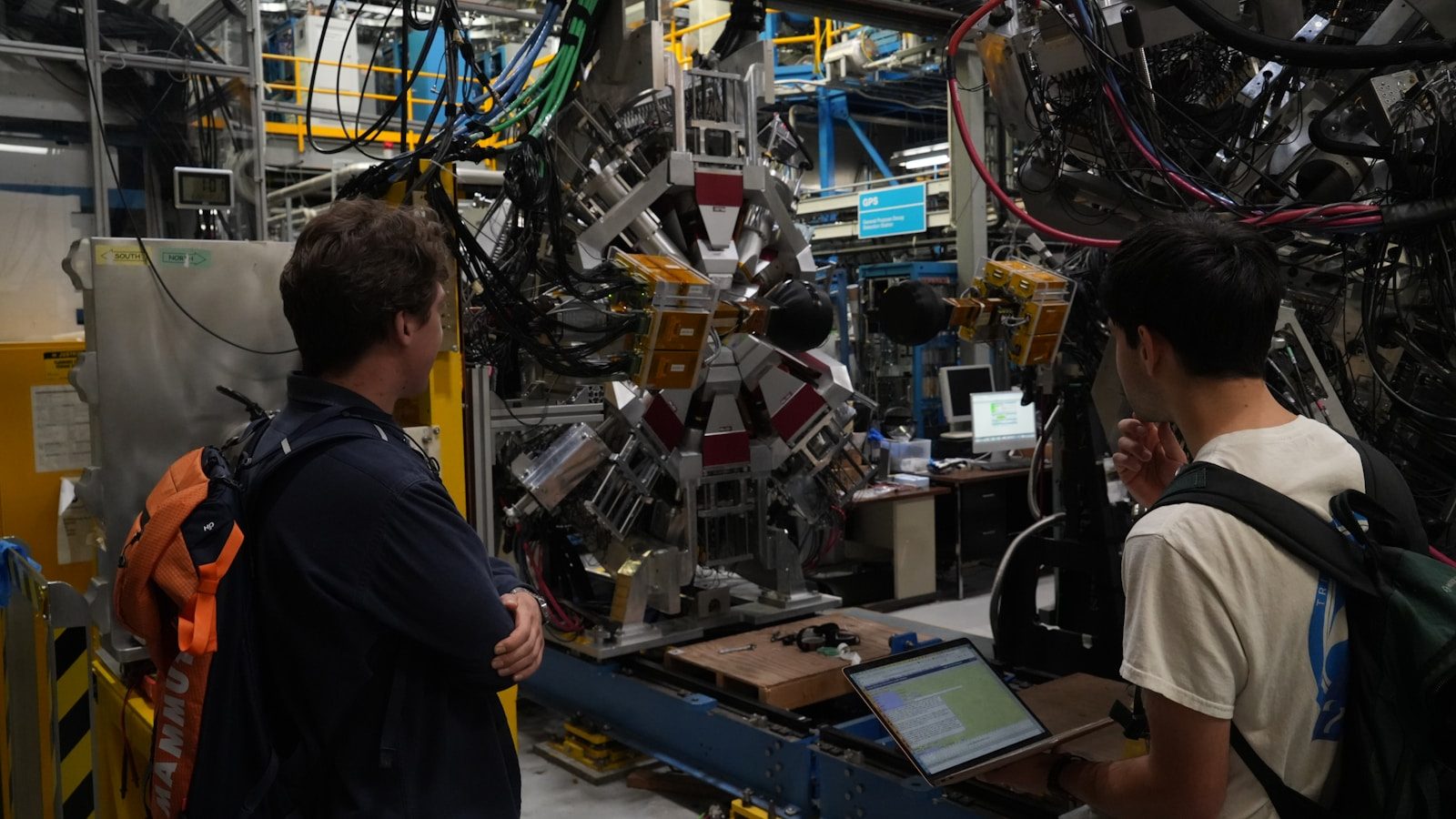
Most people assume that humanoid robots only exist in science fiction movies. We believe that walking machines are decades away from entering our daily lives.
But a spectacular breakthrough in bipedal engineering is quietly changing the workplace. Next-generation humanoids are already marching straight onto active assembly lines.
Designing Bipedal Machine Movements
Building a robot that balances on two legs presents an extreme physical challenge. According to engineers at Boston Dynamics, replicating the natural sway of human hips requires constant algorithmic adjustments. The math is incredibly complex. If a single sensor lags by a millisecond, the entire machine falls over instantly. But solving this balance problem was only the first step.
The Custom Joint Actuators
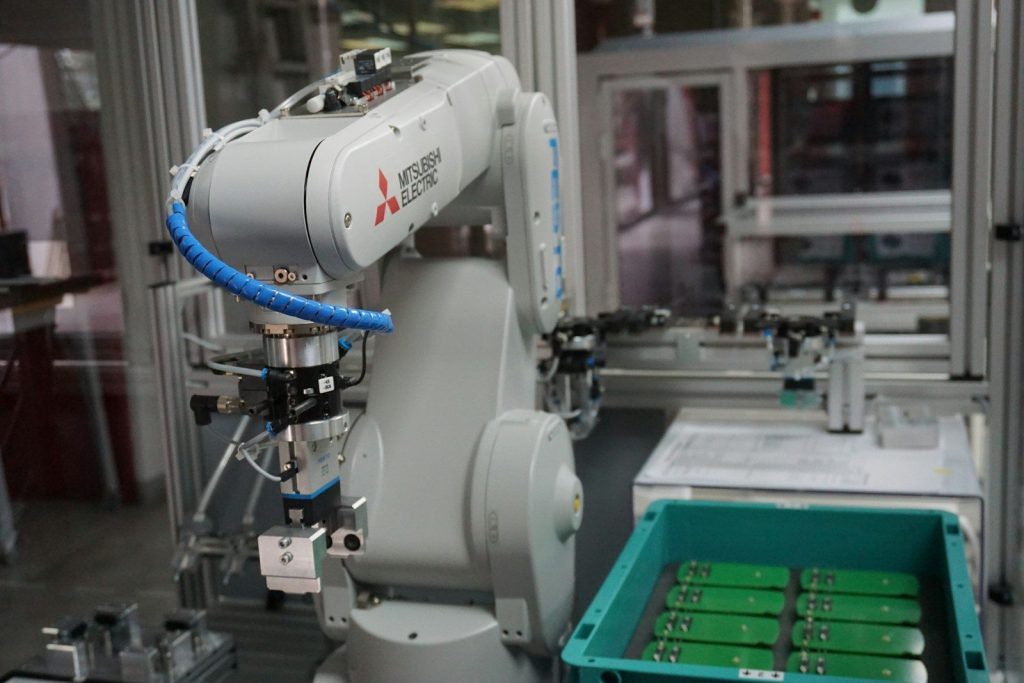
Traditional gears are far too rigid to handle the delicate movements of human limbs. According to reports from Tesla, developers had to design custom high-torque actuators to rotate the robot joints smoothly. They are remarkably powerful. This mechanical flexibility allows humanoids to lift heavy boxes and walk up steep staircases easily. But teaching these metal fingers to grip objects required another breakthrough.
Mastering Tactile Hand Grips
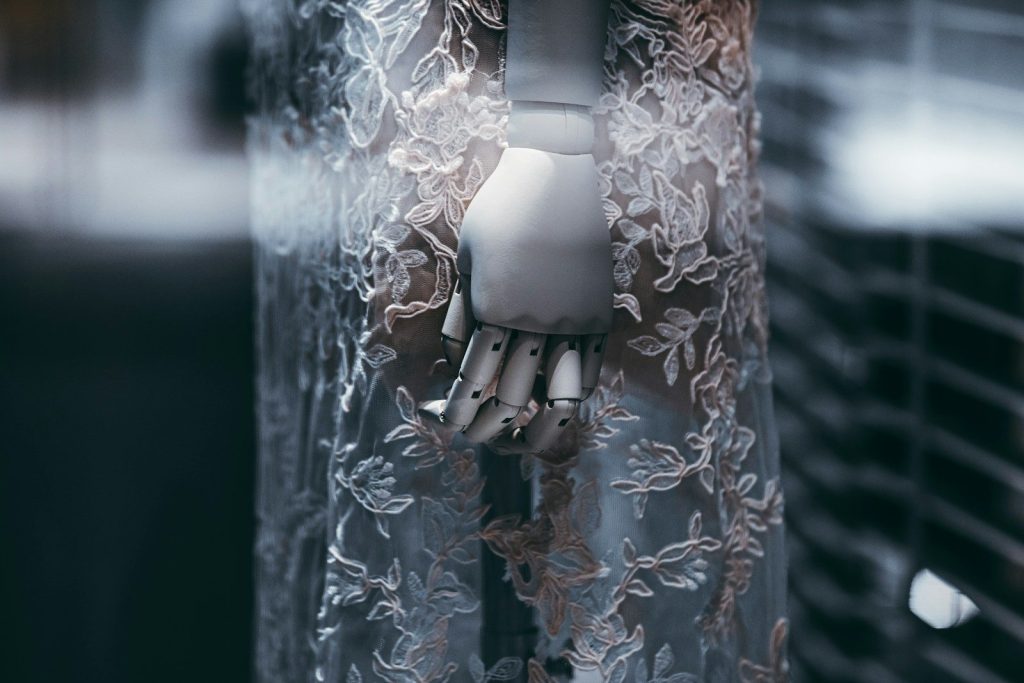
Squeezing fragile glass or tools requires an incredibly responsive sensory system. According to materials science studies, advanced robotic hands now feature flexible pressure sensors that mimic human skin. They are highly sensitive. This real-time feedback allows the metallic fingers to adjust their grip automatically to avoid crushing delicate components. But guiding these limbs requires a highly advanced digital brain.
Neural Networks Driving Bodies

No human programmer can write instructions for every variable in a busy factory. According to artificial intelligence developers, humanoids run on the same deep learning networks that power self-driving cars. The software learns constantly. This onboard intelligence allows the machine to navigate around unexpected obstacles without any human guidance. But introducing these mobile machines to the workforce raises serious safety questions.
Safe Humanoid Coworker Mechanics
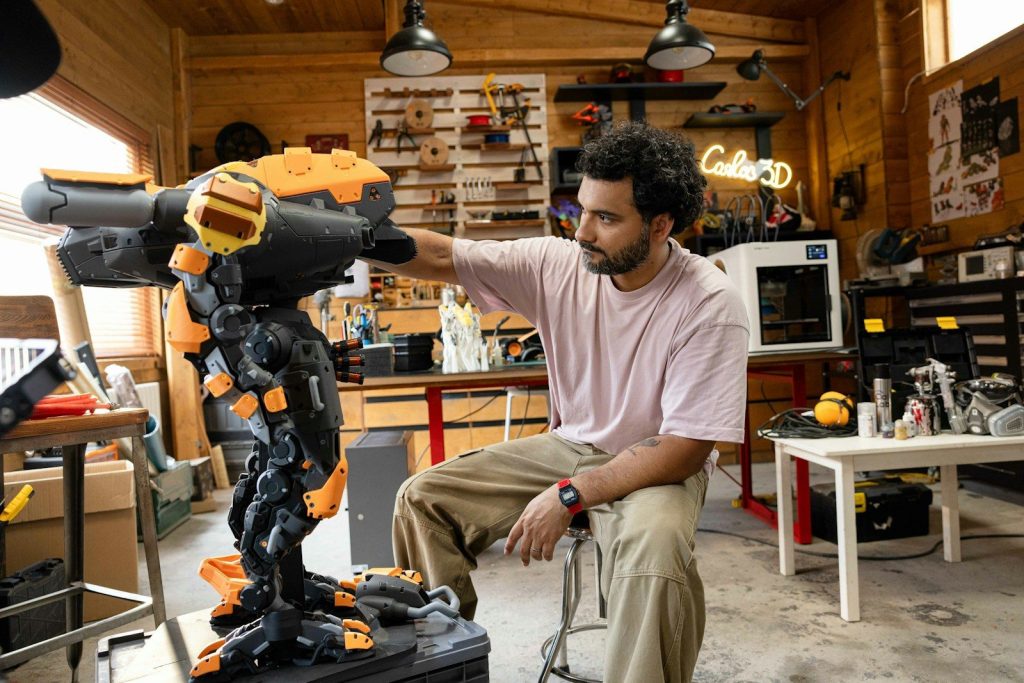
Heavy factory machines are usually bolted down inside protective metal cages. According to safety engineering protocols, next-generation humanoids use force-limiting sensors to halt movement immediately upon touching a person. The shield is absolute. This safety feature allows humans and walking machines to work side-by-side on the same line. But the high cost of these machines remains a major obstacle.
The Extreme Price Barrier
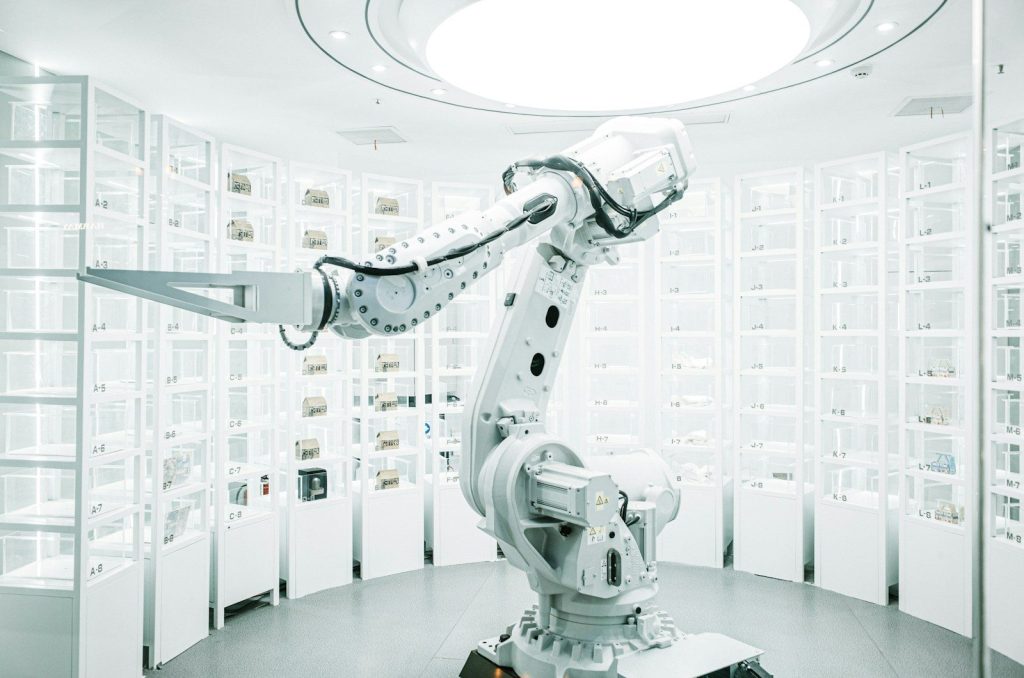
Manufacturing advanced bipedal hardware currently requires spending hundreds of thousands of dollars per unit. According to robotics industry reports, high component costs prevent smaller businesses from adopting walking helpers. The barrier is high. But developers are racing to mass-produce the hardware to drop prices dramatically. But the long-term economic benefits are already driving a massive transition.
Solving Global Labor Shortages

Many essential manufacturing and warehouse jobs remain completely unfilled across the globe. According to reports from the International Labor Organization, humanoids can fill these dangerous and repetitive physical roles easily. This is a massive shift. Automated workers will keep assembly lines running smoothly while humans handle creative management tasks. But the ultimate impact of this transition will soon reshape our economy.
Rebuilding The Industrial Era

The rapid rise of walking robots represents a major milestone in our technological history. According to manufacturing historians, we are stepping into a future where manual labor is entirely optional. The machines are ready. This transition will redefine how we build products and manage resources forever. This article is for informational purposes only.
Featured Image: Photo by Daniel Miksha on Unsplash
Leave a Reply