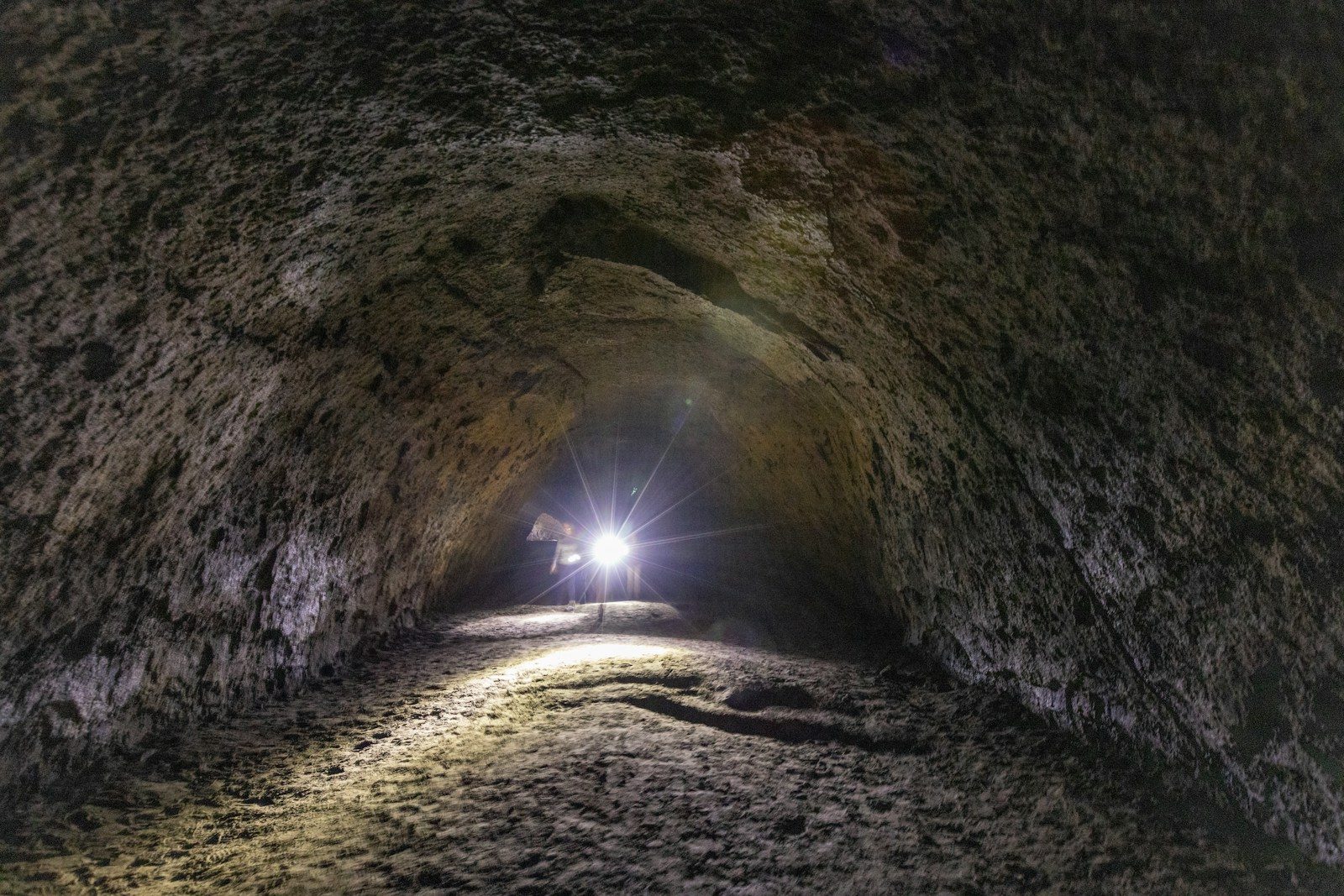
Most history textbooks state that early humans arrived in the Americas fifteen thousand years ago. We believe that ice age hunters were the very first pioneers to explore the continent.
But a spectacular discovery inside a dusty Oregon cave is completely breaking this historical timeline. Newly uncovered evidence suggests that humans occupied the continent far earlier than believed.
Reaching Into The Past
Deep in the dry hills of southern Oregon lies a monumental archaeological treasure. According to the Bureau of Land Management, this massive system of caves dates back over twelve thousand years. It is incredibly old. The raw data stunned researchers when they first analyzed the ancient sediment layers. But the real mystery centers on how primitive groups settled this rugged territory.
The Ancient Biological Proof

Excavators recovered fossilized organic material that turned out to be ancient human waste. According to a study published in Science, advanced radiocarbon tests dated these organic samples to over fourteen thousand years old. They were incredibly ancient. This dating proved that humans were living in the region long before the famous Clovis hunters arrived. But the team also needed to find the tools they used.
Missing Stone Projectiles Found

Sifting through the cave floor revealed highly unique stone weapon tips called Western Stemmed points. According to archaeological surveys, these hand-carved stone projectiles are completely different from the standard spears found across North America. They were highly lethal. This tool style suggests that a totally separate human culture was thriving in the region at the same time. But how these early travelers arrived is another puzzle.
Traveling Along The Coast

Traditional migration models suggest that ice age travelers walked through a narrow inland glacier corridor. According to coastal migration theories, early groups likely used simple wooden boats to navigate the Pacific shorelines instead. They were skilled sailors. This water route allowed them to settle in places like Oregon much faster than walking across the ice. But proving this sea route required checking the local climate.
Surviving The Green Wetland
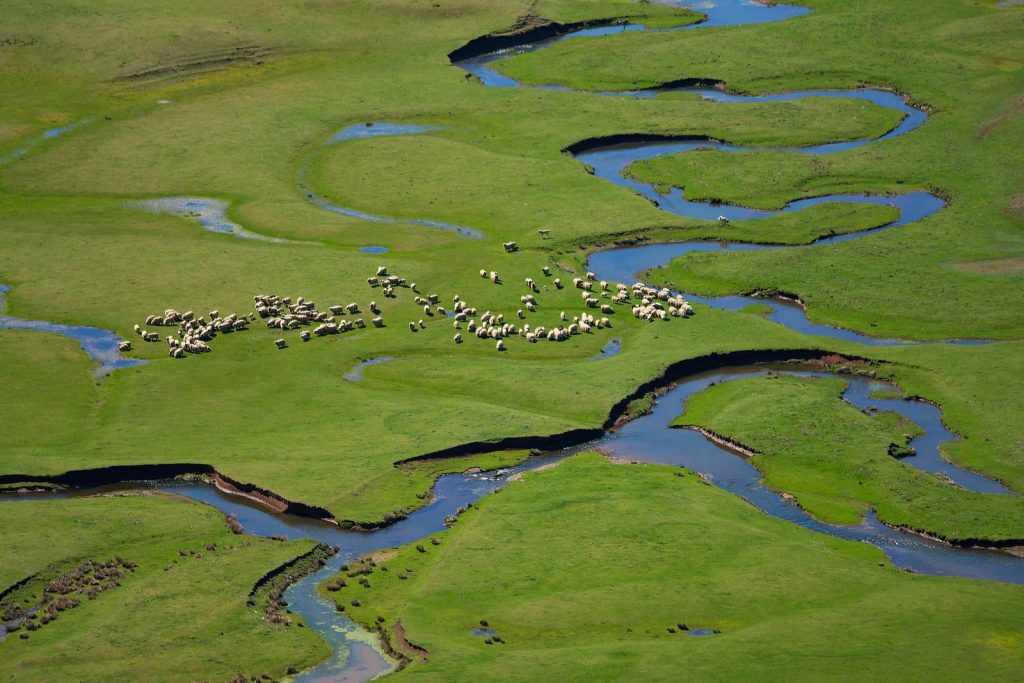
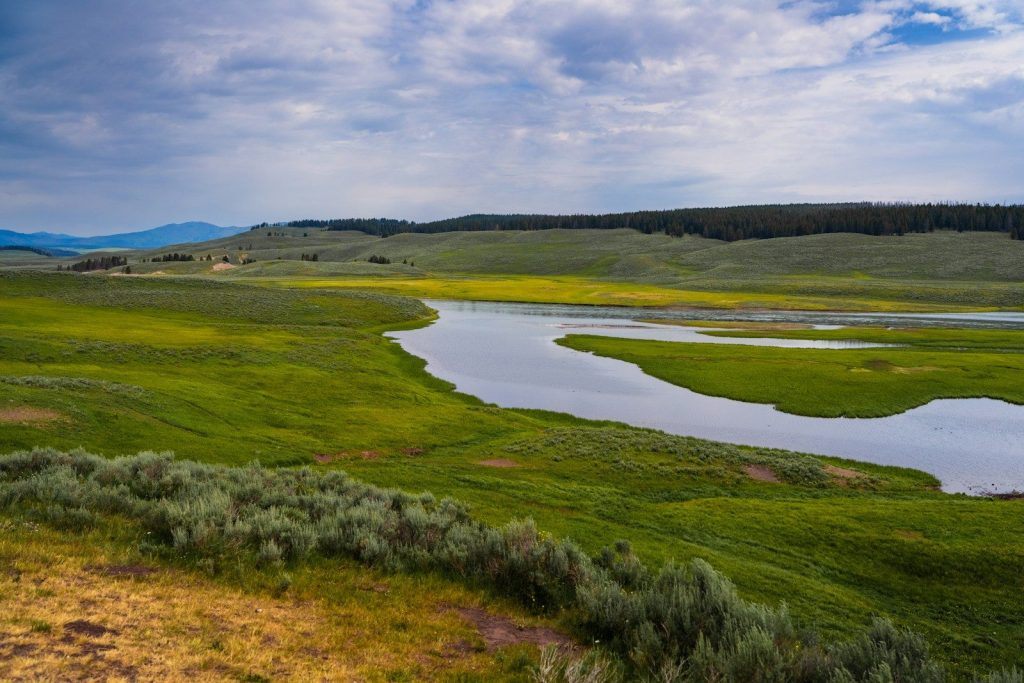
The dry Oregon desert was once a lush basin filled with deep lakes and grassy plains. According to geological climate models, these ancient wetlands supported massive herds of camels, horses, and mammoths. The food was abundant. This rich environment provided everything the early pioneers needed to survive and multiply. But this prehistoric paradise began to shift rapidly.
The Vanishing Ice Age

Dramatic shifts in global temperatures slowly turned the green wetlands into dry sagebrush plains. According to paleoclimatologists, the rapid drying forced many large animal species into extinction over several centuries. The lakes shrank. Human populations had to adapt their hunting tools and lifestyle to survive the new environment. But the physical traces they left behind survived the dry heat.
Unlocking Pre-Clovis DNA

Modern genetic mapping of the cave samples has confirmed a direct connection to early Siberian populations. According to DNA studies, these genetic markers match some of the oldest human lineages in the Americas. The link is undeniable. This biological evidence successfully bridges the gap between Asian roots and early American history. But this discovery is also changing how we search for other ancient sites.
A Redefined Historical Journey

The discoveries inside the Oregon caves prove that early human history is far more complex than textbooks show. According to archaeologists, our ancestors were brave explorers who conquered a dynamic, changing world. They were highly adaptive. This article is for informational purposes only.
Featured Image: Photo by Mick Haupt on Unsplash
Leave a Reply