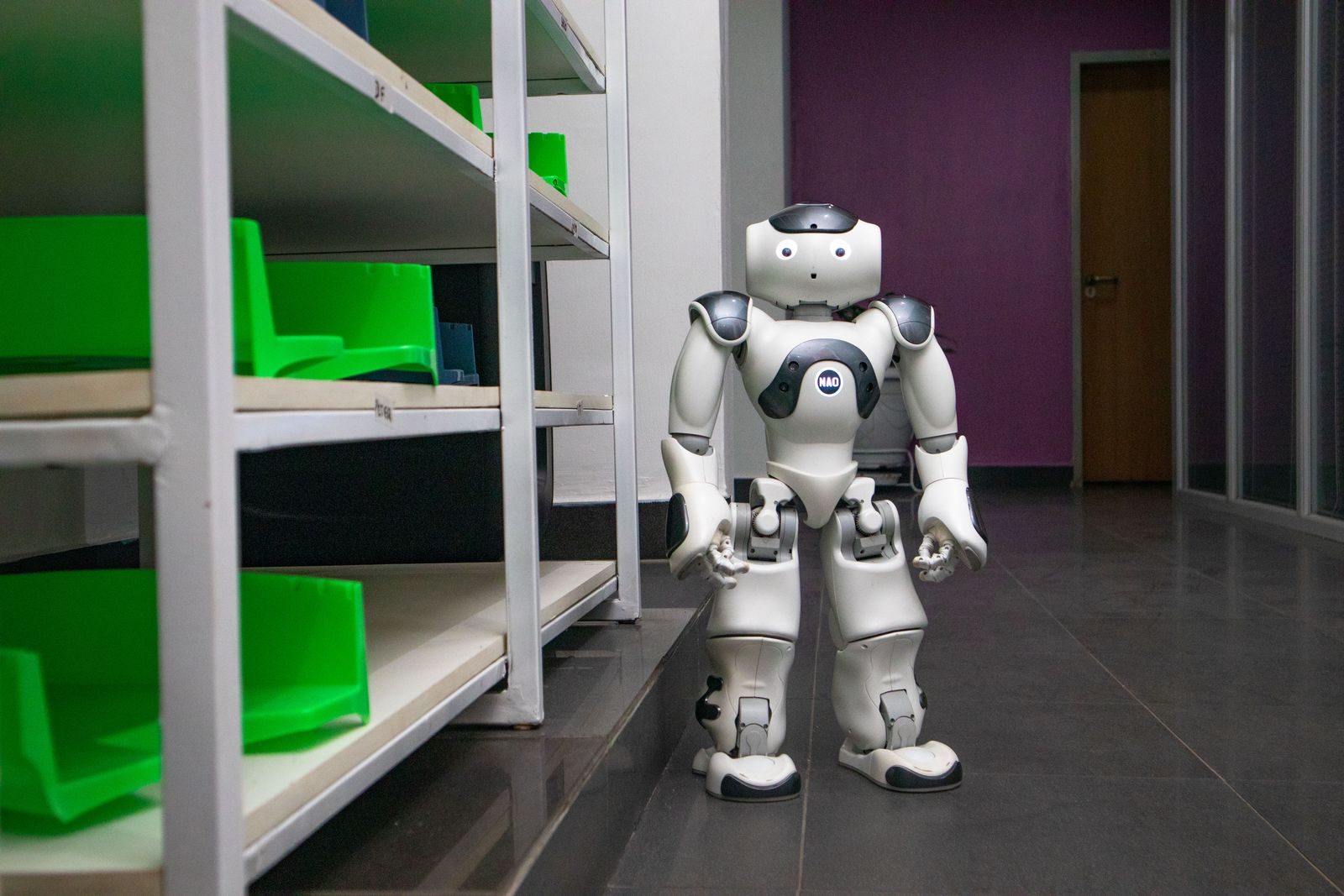
Most manufacturing managers believe that factory automation only requires standard stationary robotic arms. We assume that complex assembly lines are already efficient enough without walking machines.
But a severe global labor shortage is forcing a major shift in industrial engineering. Designing bipedal humanoids is the only way to fill vacant factory roles without rebuilding existing infrastructure.
Deploying The First Humanoids
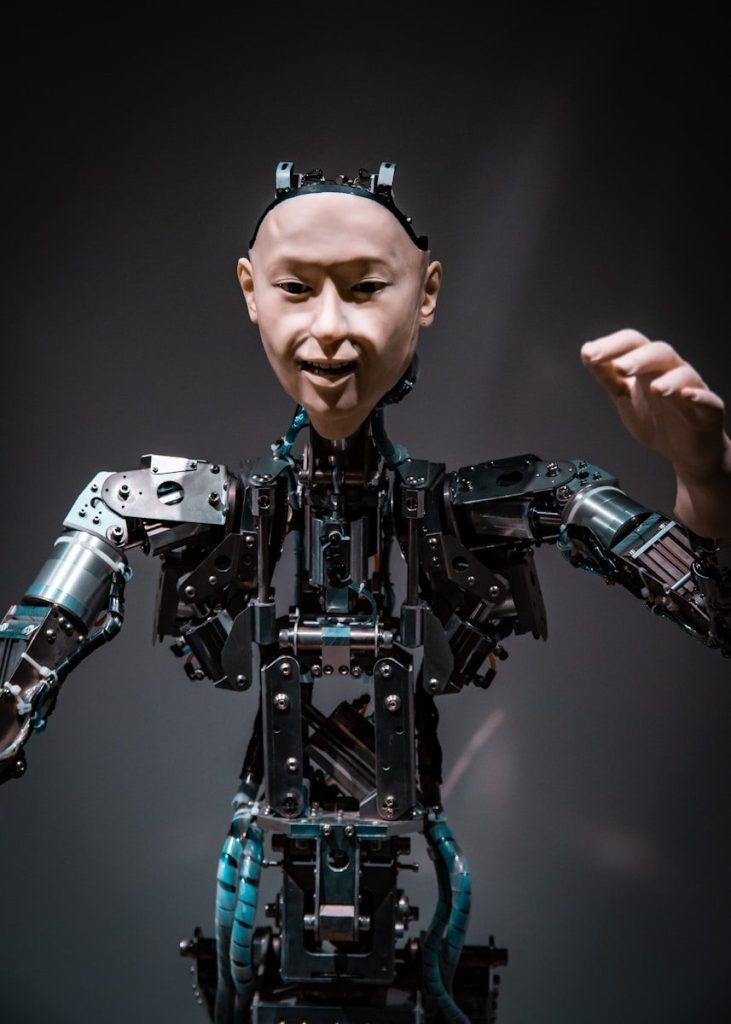
A major robotics developer has officially dispatched bipedal machines to work inside active client factories. According to reports from Tesla, these advanced humanoids are performing real-world assembly tasks alongside human workers. They are highly adaptive. This milestone proves that walking machines are moving from research labs directly onto active production lines. But teaching these machines to navigate busy environments is highly complex.
Navigating Unstructured Factory Floors
Traditional industrial robots are bolted to the floor and operate inside highly structured steel cages. According to safety engineering protocols, next-generation humanoids use built-in neural networks to map their surroundings in real time. They walk freely. This onboard brain allows the machine to avoid physical obstacles and navigate uneven surfaces safely. But handling delicate manufacturing tools requires an incredibly precise mechanical hand.
Mastering Tactile Hand Grip
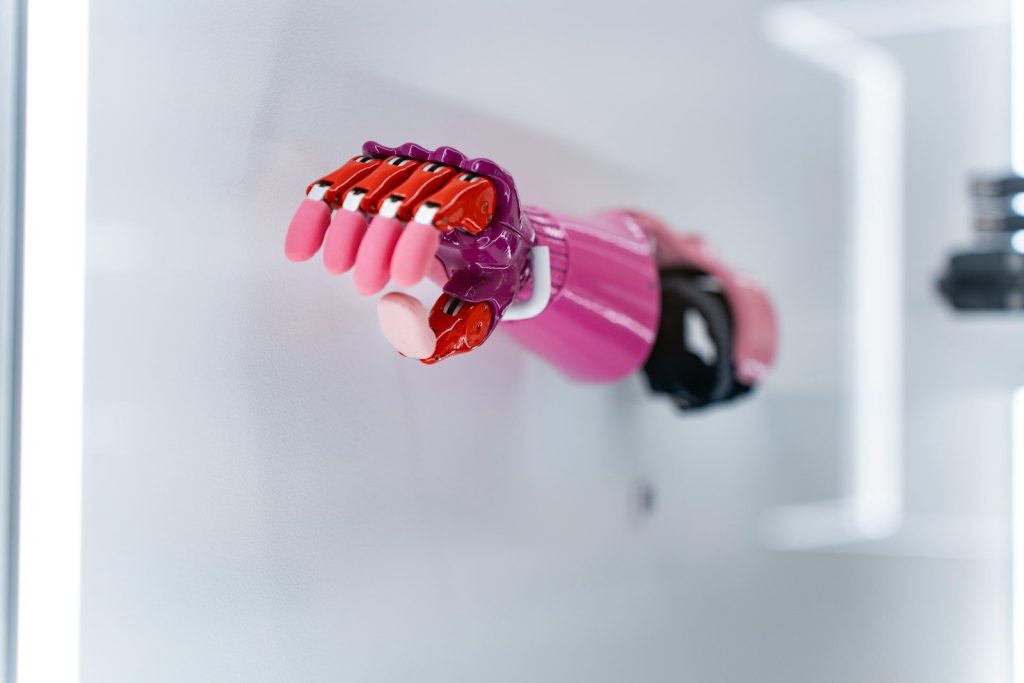
Squeezing delicate parts without crushing them requires an advanced sensory feedback system. According to materials science studies, the new humanoid hands feature multiple flexible pressure sensors that mimic organic skin. They are incredibly soft. This tactile feedback allows the robotic fingers to adjust their grip automatically based on object weight. But driving these multi-jointed metal limbs demands immense electrical power.
Engineering High Torque Actuators
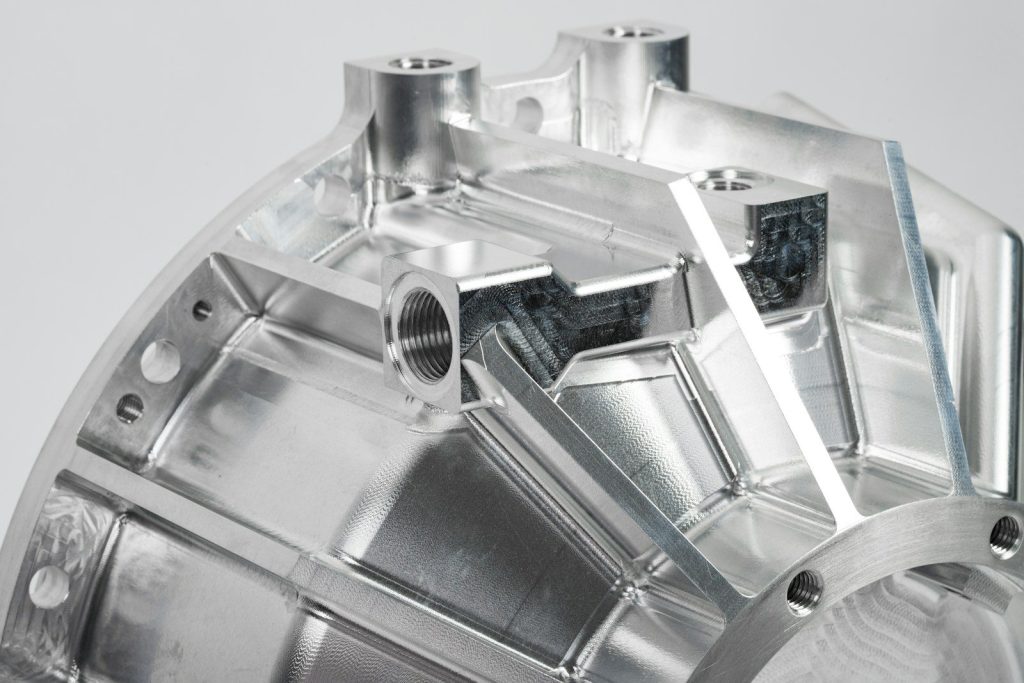
Mimicking the smooth and fluid movements of human joints requires highly specialized electric motors. According to mechanical hardware reviews, developers had to design custom high-torque actuators to rotate the limbs smoothly. The torque is intense. These custom sensors allow the robot to lift heavy loads and balance perfectly on one foot. But guiding these metal limbs requires an advanced software brain.
Operating On Neural Networks
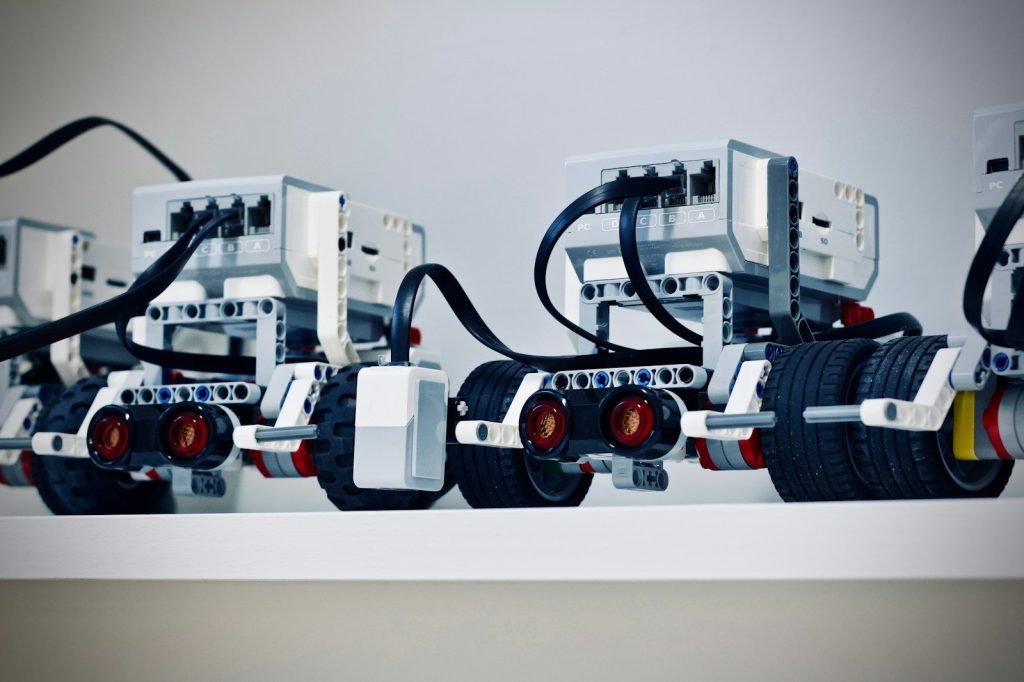
The robotic brain runs on the same deep learning algorithms that power autonomous self-driving cars. According to artificial intelligence engineers, the humanoid learns constantly by observing human movements and running physical simulations. The software learns daily. This continuous training allows the machine to solve complex physical tasks autonomously in real time. But introducing walking machines raises serious worker safety questions.
Safe Humanoid Coworker Mechanics
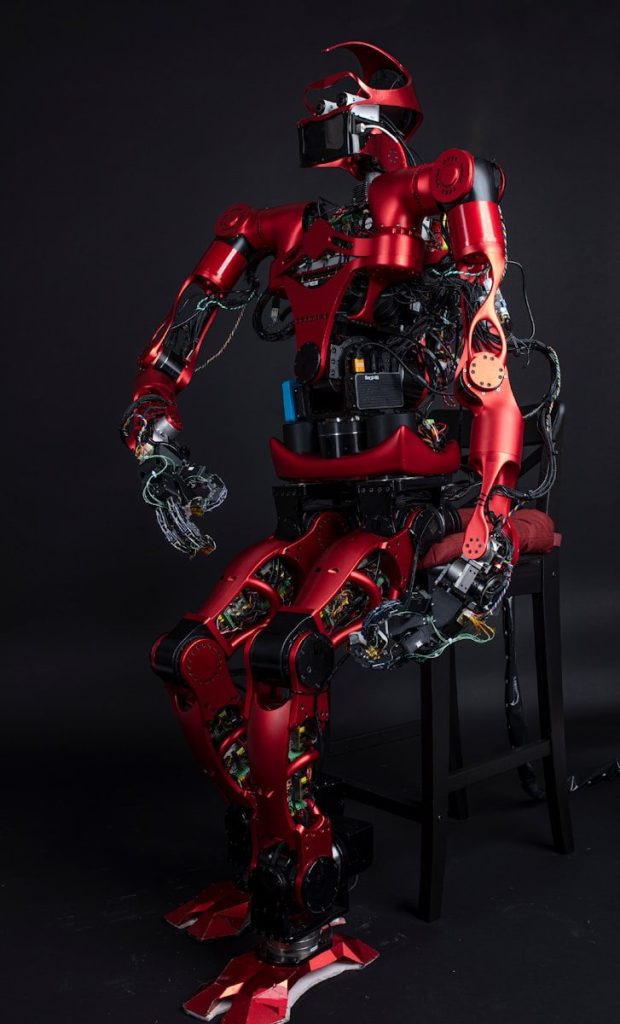
Heavy industrial machinery traditionally operates behind safety barriers to prevent accidental impacts with nearby humans. According to safety research papers, modern humanoids use advanced force-limiting sensors to halt movement instantly upon touch. The protection is absolute. This safety shield allows humans and walking machines to work side-by-side on the same assembly lines. But the economic impact of this shift is still developing.
Redefining The Industrial Era

Deploying humanoid workers will eventually free humanity from dangerous and repetitive physical labor. According to manufacturing historians, this robotic transition represents the next major milestone in our industrial evolution. The future is arriving. This transition will allow humans to focus on creative design rather than pure physical strain. This article is for informational purposes only.
Featured Image: Photo by Tope J. Asokere on Pexels
Leave a Reply