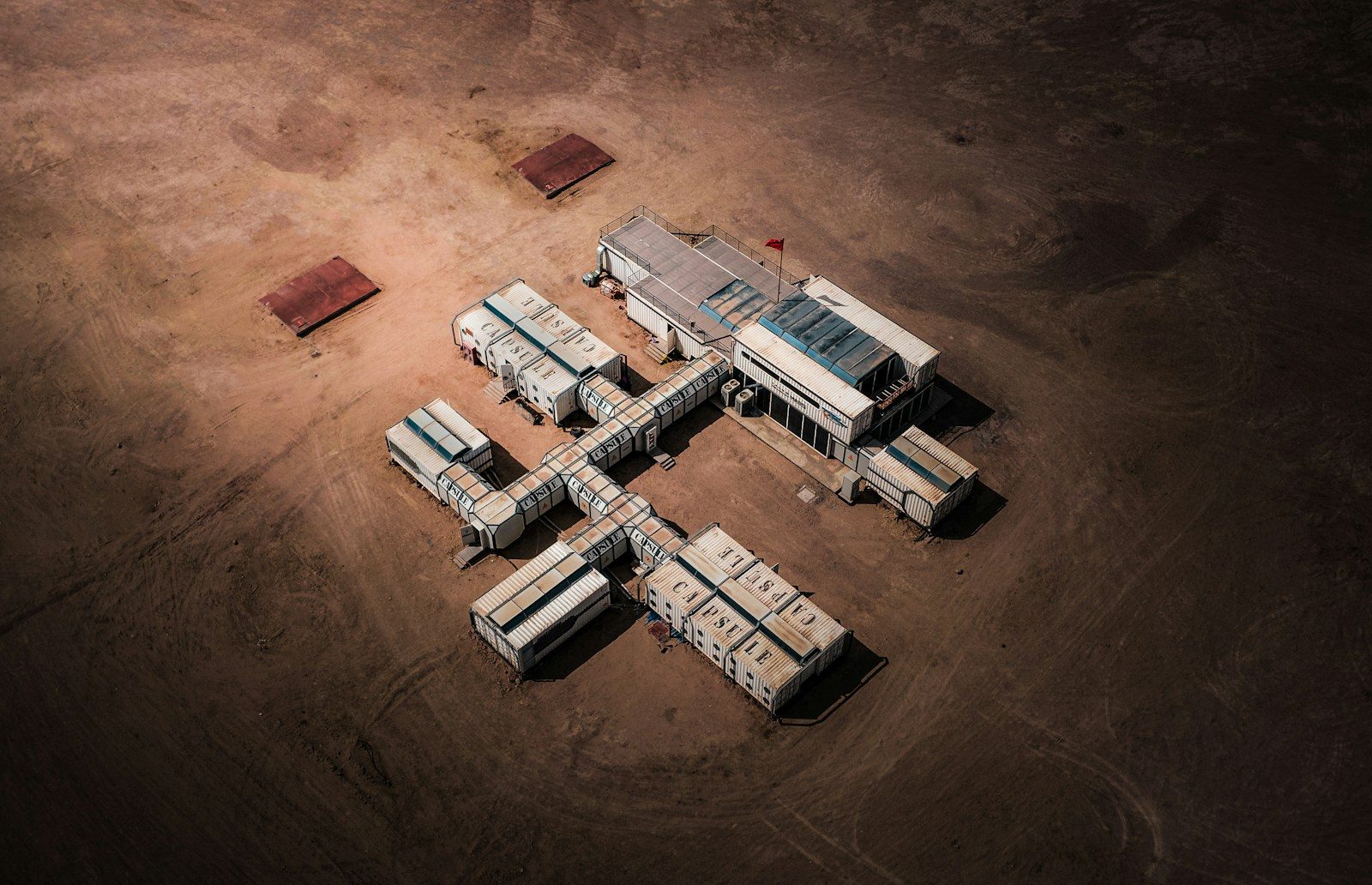
Most space lovers assume that landing a robotic probe on Mars is the ultimate limit of planetary exploration. We believe that sending humans to build permanent cities on red sand is impossible.
But a spectacular space program is actively designed to establish a self-sustaining civilization on another world. This ambitious roadmap aims to send one million settlers to Mars over the coming decades.
The Interplanetary Transport Vehicle
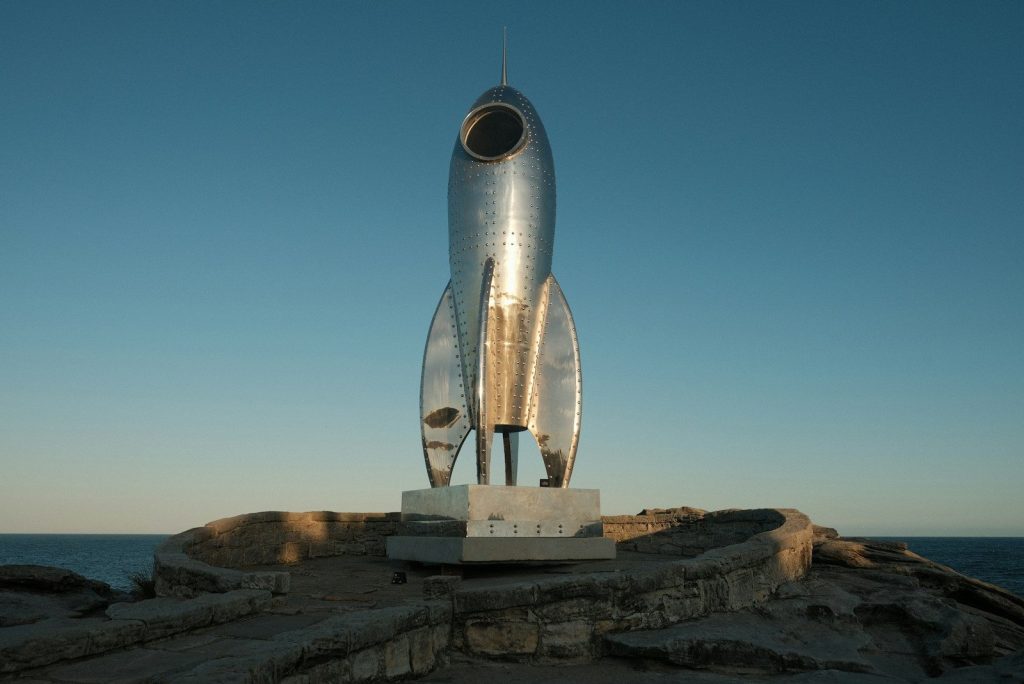
Carrying thousands of tons of cargo and passengers into orbit requires a launch system of unprecedented scale. According to statements from SpaceX, the giant reusable Starship stands nearly four hundred feet tall. It is truly massive. The polished stainless steel hull is designed to fly multiple times in a single day. But traveling across deep space requires a highly complex orbital refueling process.
Launching The Tanker Ships
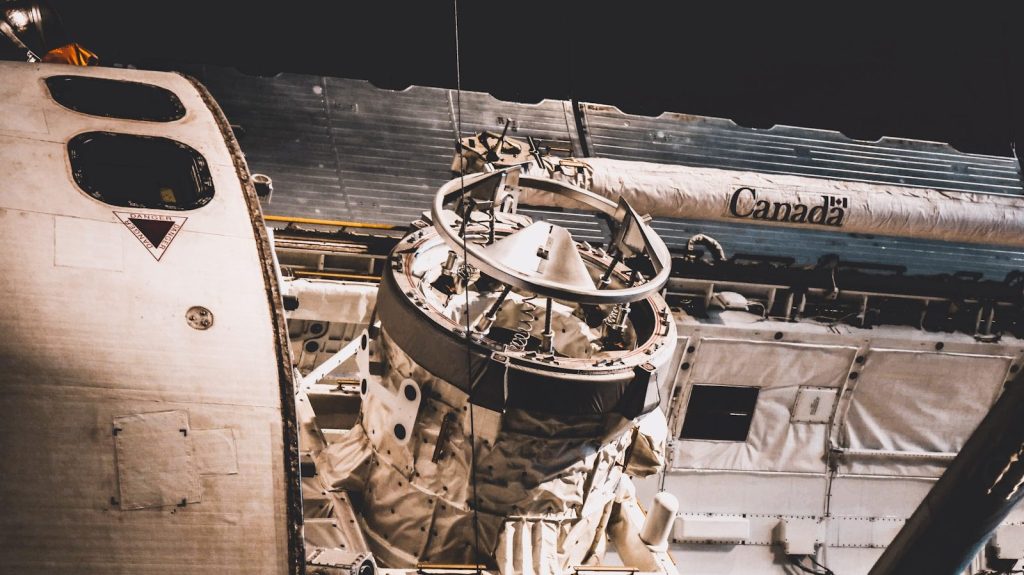
Reaching Mars requires loading fuel into the primary spacecraft while it is still orbiting Earth. According to aerospace engineering logs, specialized tanker ships will carry extra methane and oxygen up to the ship. The connection is precise. This orbital refueling plan ensures the main spacecraft has enough energy to cross the deep void. But surviving the long voyage brings a severe biological challenge.
Surviving Deep Void Transit

Crews traveling to the red planet face months of intense radiation and microgravity exposure. According to space medicine studies, astronauts must exercise daily to prevent severe bone and muscle decay. The strain is real. The spacecraft must also feature heavy shield zones to protect travelers from sudden solar flares. But landing this colossal metal tower on Mars requires another physical miracle.
The Thin Air Landing

The Martian atmosphere is incredibly thin and offers very little resistance to slow down heavy incoming spaceships. According to aerodynamic flight models, the vehicle must use a unique belly-flop maneuver to bleed off speed. The drop is terrifying. At the final second, the rocket engines fire vertically to settle the giant hull gently onto the rock. But establishing the base requires immediate resource collection.
Manufacturing Fuel On Mars
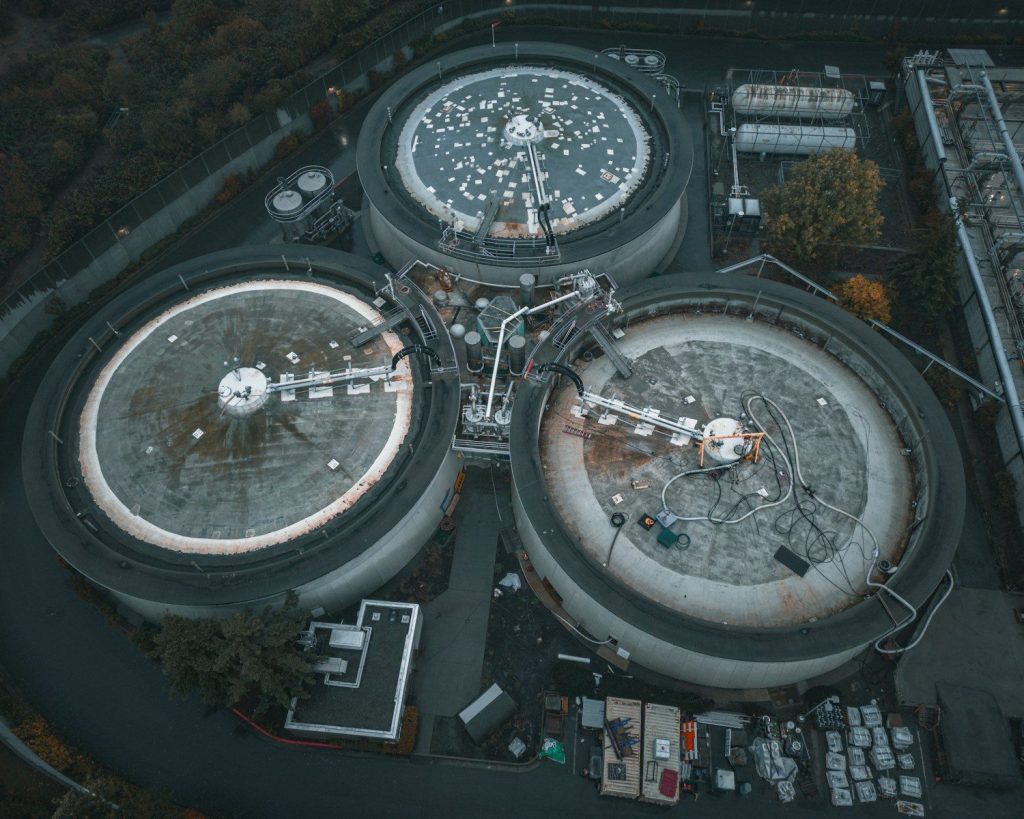
Returning to Earth requires manufacturing rocket propellant directly from local planetary resources. According to chemical engineering reports, a specialized reactor will combine carbon dioxide from the air with water from melted ice. This process is genius. This local fuel factory allows the spaceships to launch back home without carrying double the fuel. But growing food in the cold, toxic soil is another hurdle.
Farming Inside Domes
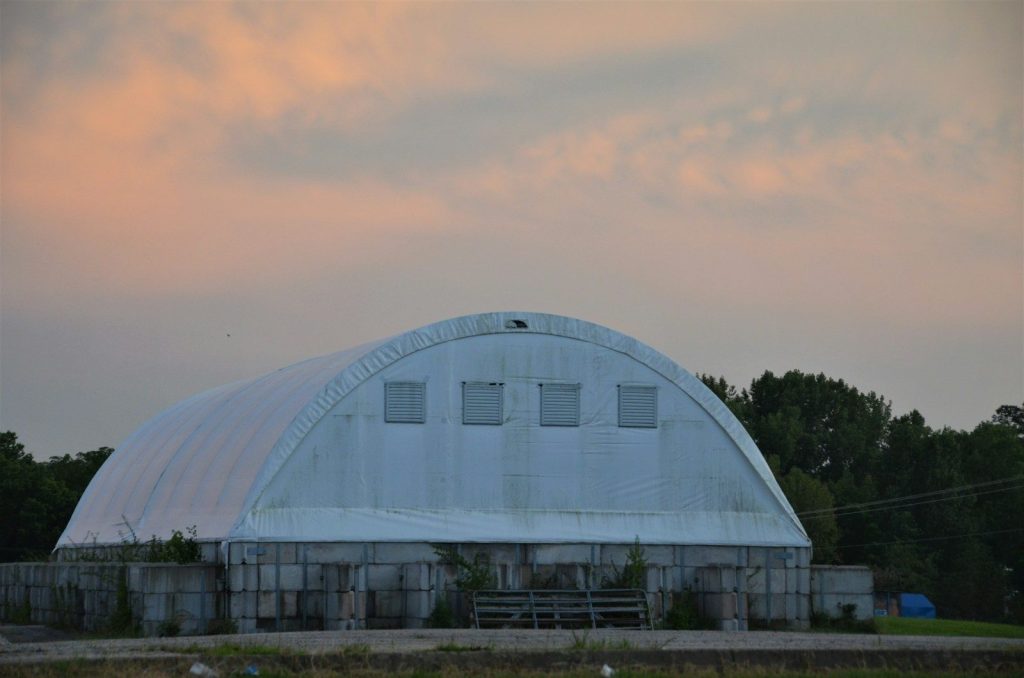
Mars receives less than half the sunlight of Earth and lacks fertile soil for crops. According to agricultural geologists, early farmers will grow high-yield vegetables inside pressurized hydroponic greenhouse domes. They are highly efficient. This closed-loop farming system will recycle water and nutrients to feed the growing population safely. But organizing this massive colony requires a highly advanced communication network.
Linking The Red Planet
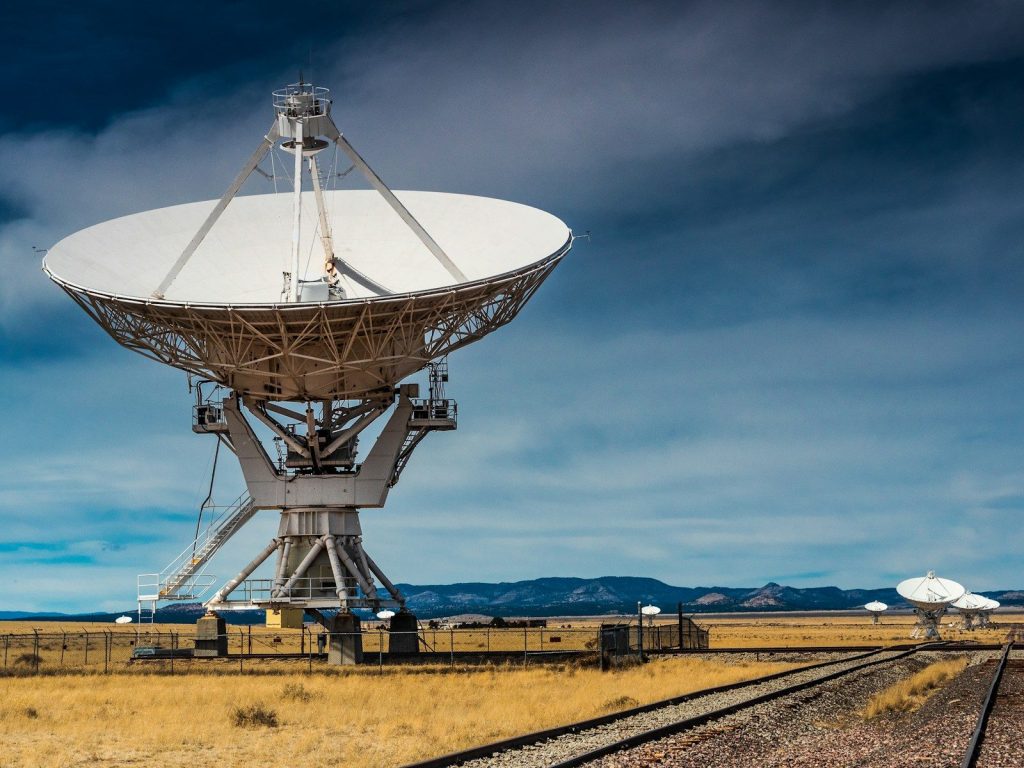
A network of low-orbit satellites will provide constant high-speed communication across the entire Martian colony. According to telecommunication researchers, these orbital nodes will link research bases and automated farming fields in real time. The connection is stable. This digital network is vital for coordinating emergency operations and tracking local weather events. But the ultimate success of this plan relies on human endurance.
Becoming A Multiplanetary Species
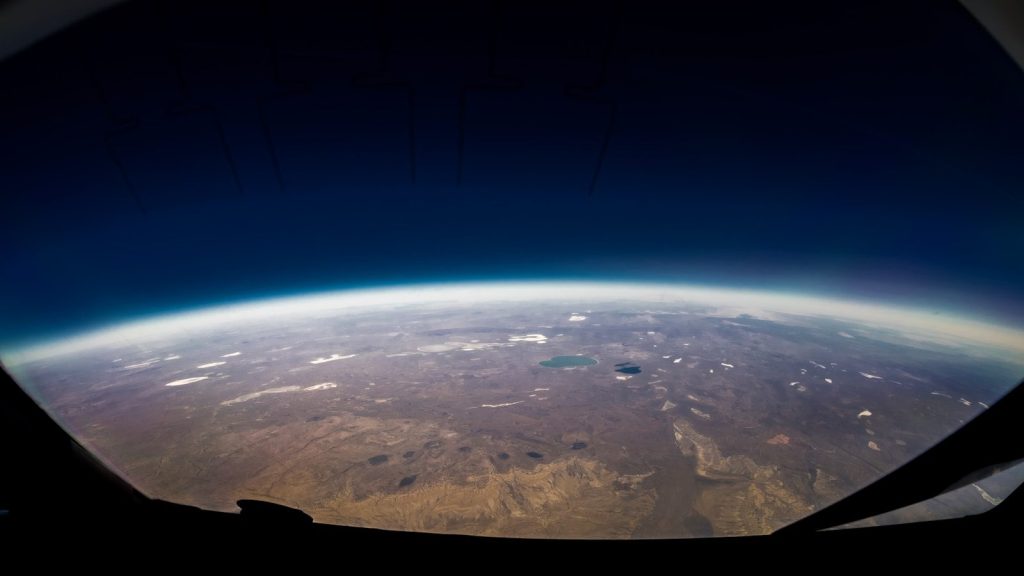
Establishing a second home on Mars represents the greatest migration project in human history. According to astrobiologists, securing a presence on another world ensures the long-term survival of our collective knowledge. The future has arrived. This article is for informational purposes only.
Leave a Reply