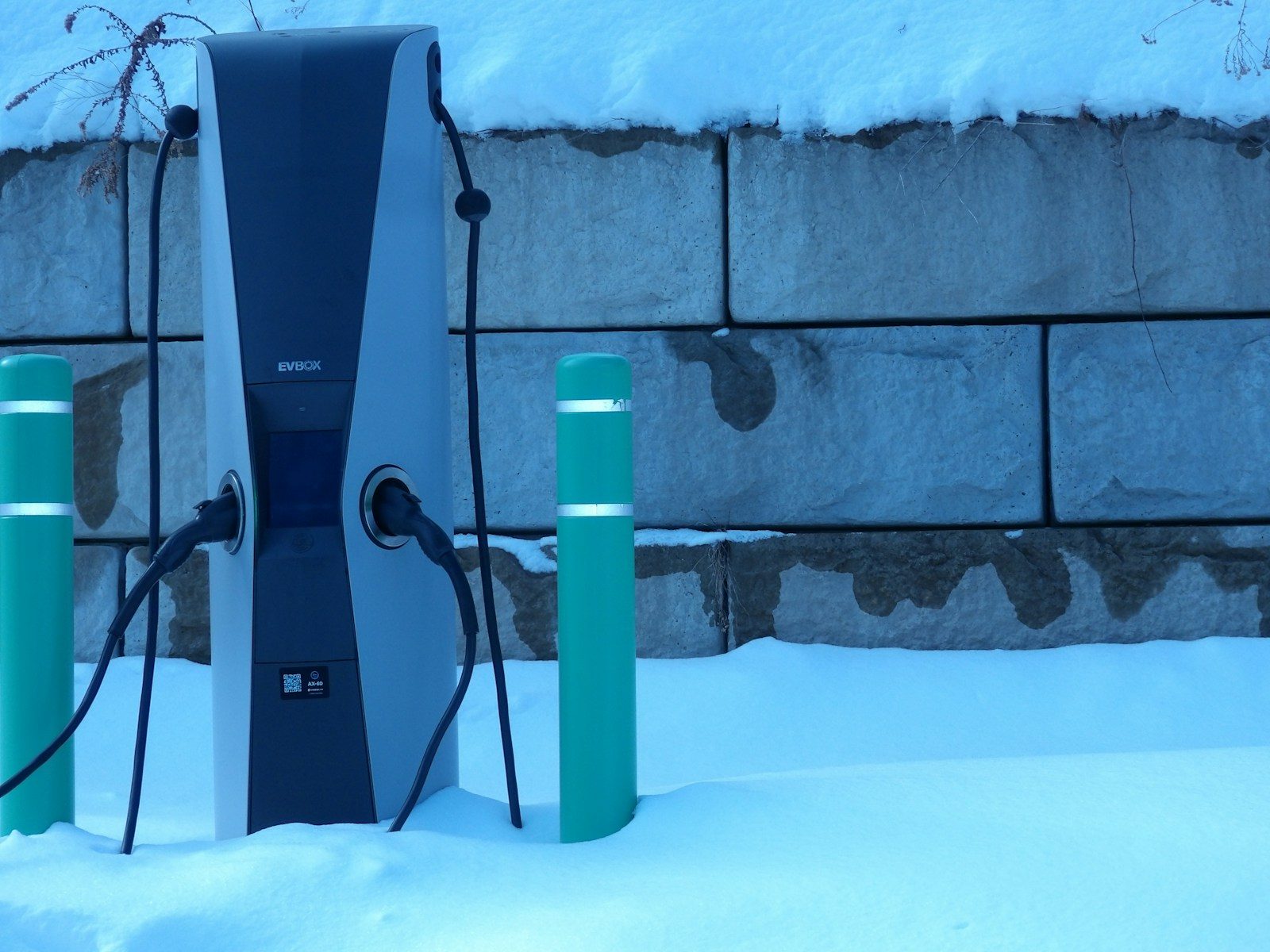
Most electric vehicle owners assume that heating a car cabin in winter is a simple electrical task. We believe that turning on the heater has no real impact on driving range.
But traditional resistive heaters drain a massive amount of battery power, cutting your range in half. A highly clever thermal pump has quietly solved this efficiency problem for winter drivers.
The Winter Range Crisis
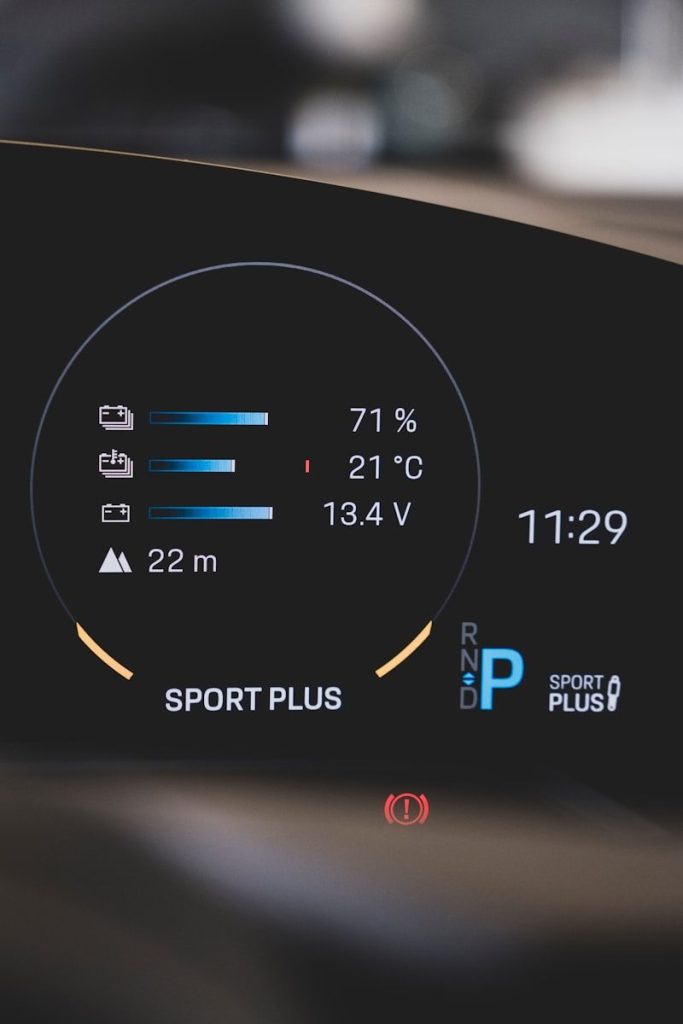
Cold winter weather causes a severe drop in standard lithium-ion battery performance. According to automotive test reports, running a standard cabin heater drains valuable energy that should go to the wheels. The drain is rapid. This thermal loss can easily leave drivers stranded on frozen highways. But a team of engineers designed a clever device to capture wasted energy.
Recycling Wasted Motor Heat
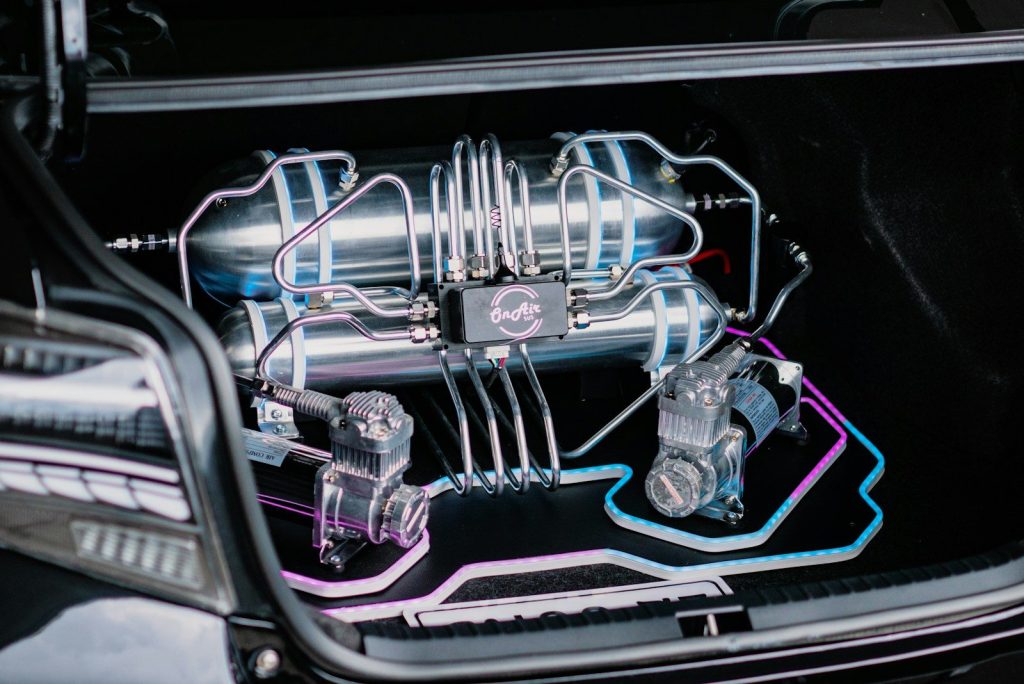
Electric drive motors and onboard computers generate significant heat during daily operation. According to mechanical engineering studies, the advanced pump system captures this waste thermal energy and redirects it to the cabin. It is highly efficient. This recycling process keeps passengers warm without draining precious battery current. But the physical science behind this pump is what truly shocks experts.
The Compress Decompress Loop
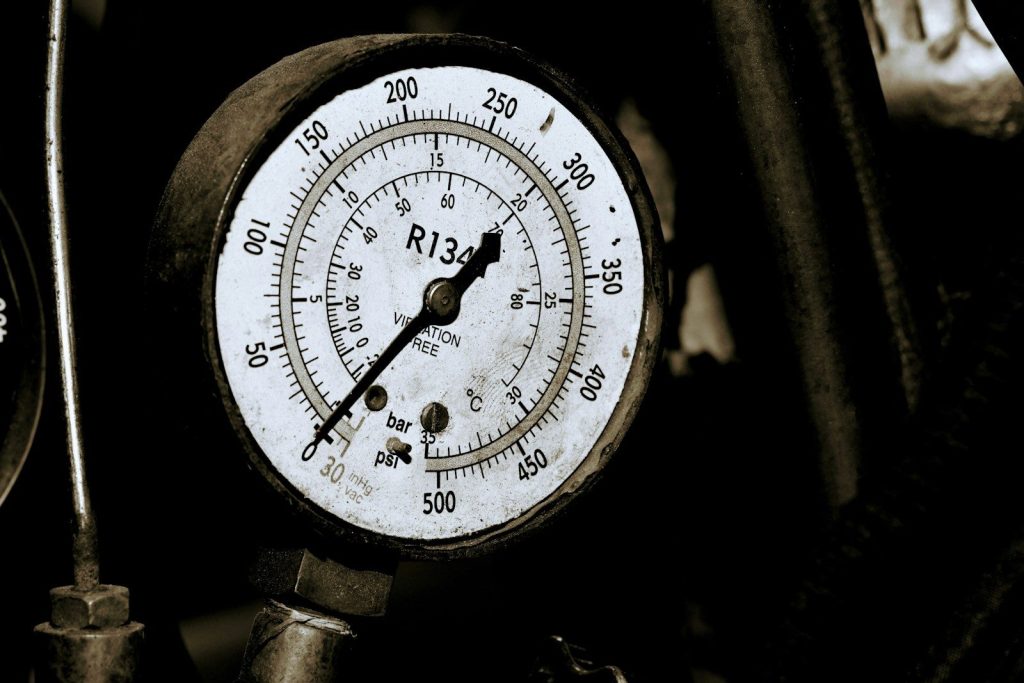
The device functions like a household refrigerator running in reverse to manipulate local temperatures. According to thermodynamic manuals, compressing a refrigerant gas raises its temperature rapidly to release heat. The reaction is physical. By decompressing the gas, the system can draw warmth even from freezing outside air. But managing these complex gas routes requires a highly specialized central valve.
The Super Octovalve Controller
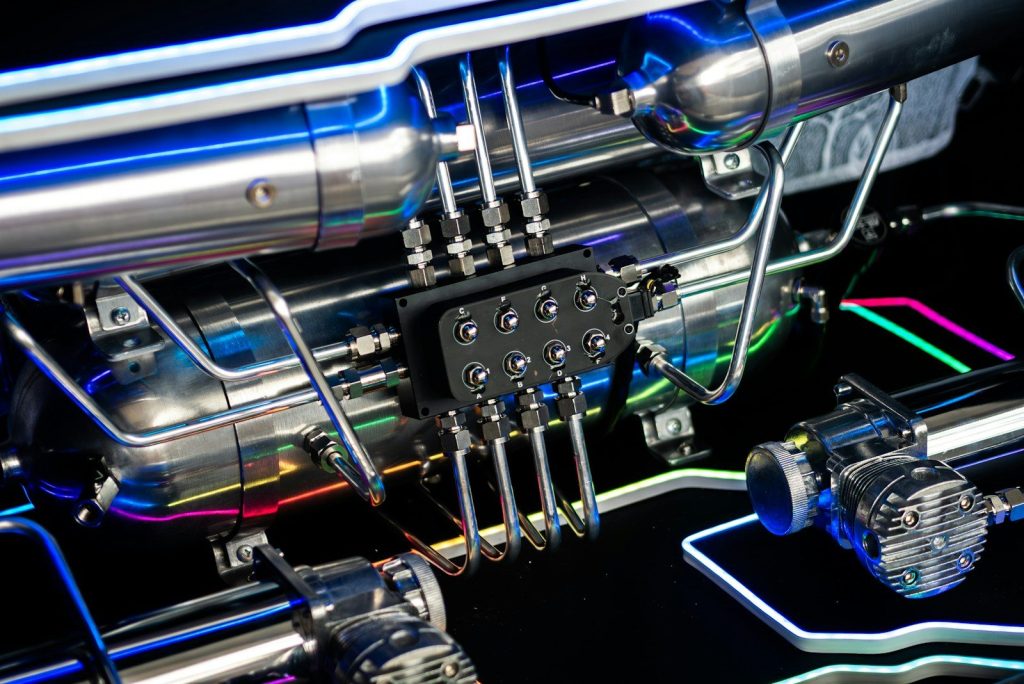
Directing heat between the battery, motor, and cabin requires a highly complex fluid router. According to patent filing documents, a unique eight-way valve coordinates these multiple thermal loops in real time. It is a masterpiece. This smart router ensures that every scrap of heat is used where it is needed most. But this system must also protect the battery from freezing.
Preheating The Cold Cells
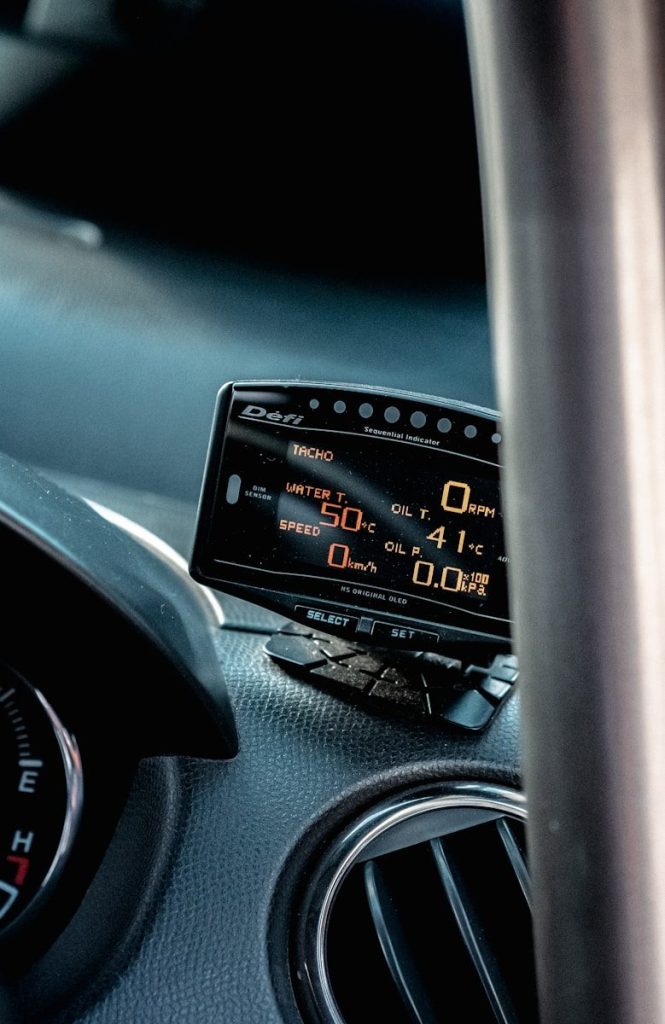
Lithium-ion batteries cannot accept rapid charge rates when their internal temperatures drop too low. According to electric vehicle charging logs, the thermal pump can heat the battery pack automatically before you reach a charger. The timing is vital. This warm state allows the cells to absorb energy at maximum speed immediately. But building this complex thermal system introduced a massive hardware challenge.
Overcoming The Ice Trap
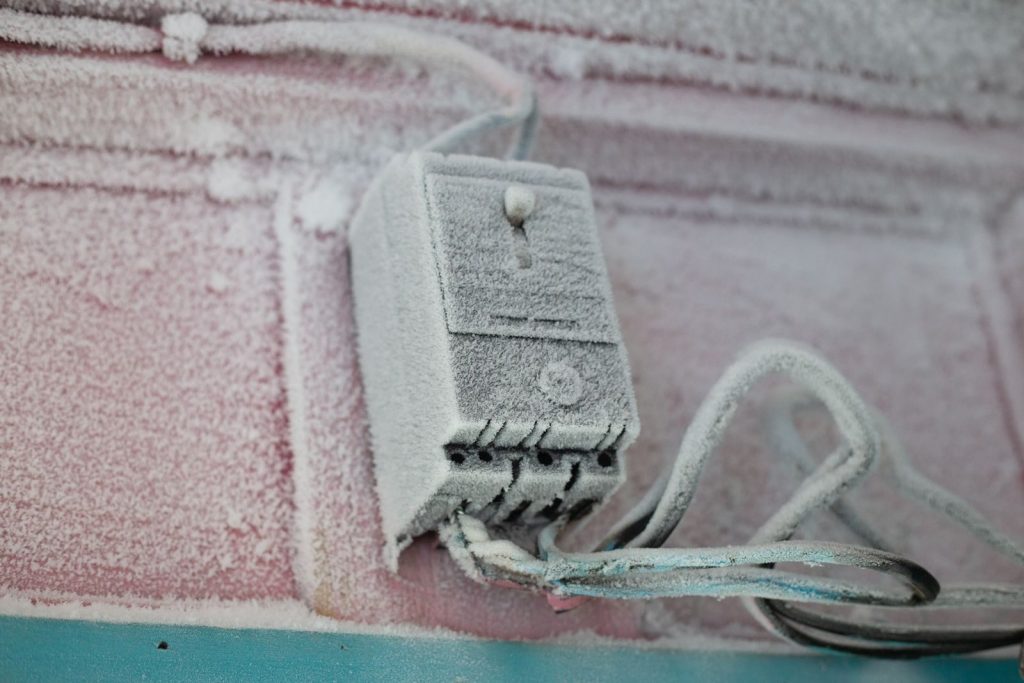
Drawing warmth from freezing winter air can cause ice to build up on the external radiator panels. According to vehicle engineering reviews, the system runs an automated defrost cycle to clear the coils quickly. The process is smooth. By temporarily reversing the fluid flow, the pump melts the ice without disrupting cabin heat. But this efficiency is now reshaping the entire automotive market.
Standardizing Thermal Engineering

Legacy car manufacturers are now racing to integrate similar thermal pumps into their own electric models. According to industry analysts, buyers are actively demanding winter range stability when choosing their next vehicle. The standard is shifting. This transition is forcing engineers to focus heavily on thermodynamics rather than just battery size. This article is for informational purposes only.
Featured Image: Photo by tammy higgins on Unsplash
Leave a Reply