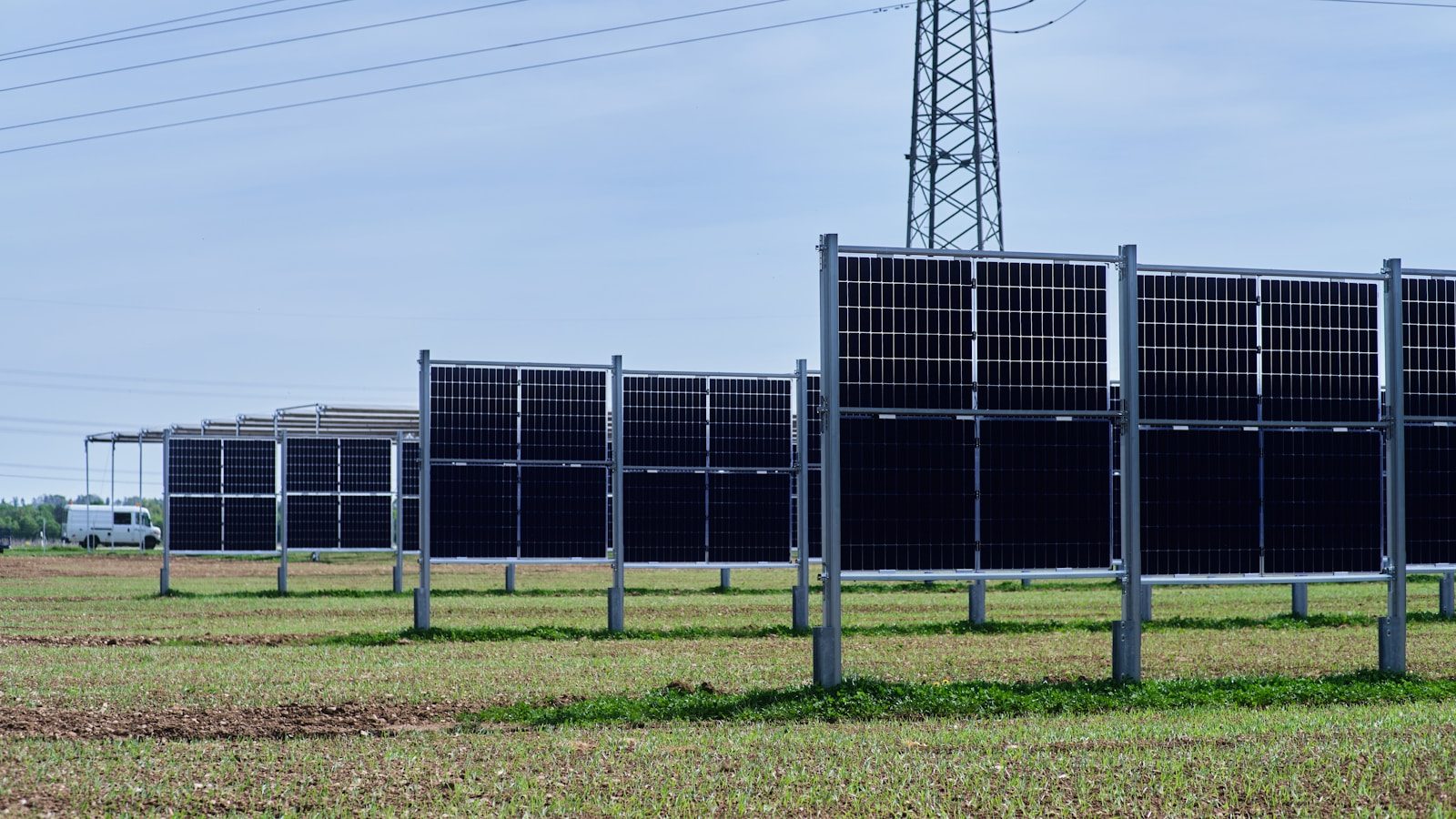
Most environmentalists assume that switching to solar and wind energy will automatically solve the climate crisis. We believe that building more clean generators is the only obstacle to a carbon-free world.
But renewable energy is highly erratic and fails when the sun sets or the wind stops. A massive shift toward giant battery storage facilities is quietly saving our failing electrical grids.
The Renewable Intermittency Problem
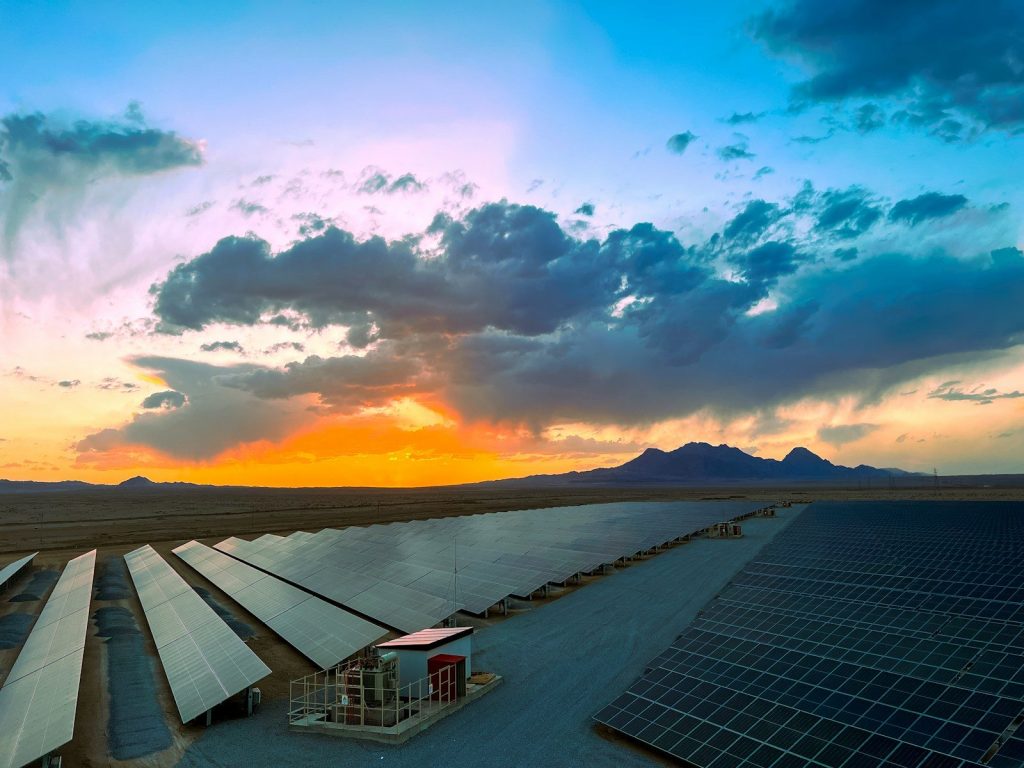
Solar panels generate massive amounts of cheap electricity during the brightest hours of the day. According to energy grid reports, this generation peak occurs when public electricity demand is actually at its lowest. The mismatch hurts. When night falls, and families turn on appliances, the clean power disappears completely. But a massive battery setup is designed to capture this wasted afternoon current.
Building Colossal Battery Parks
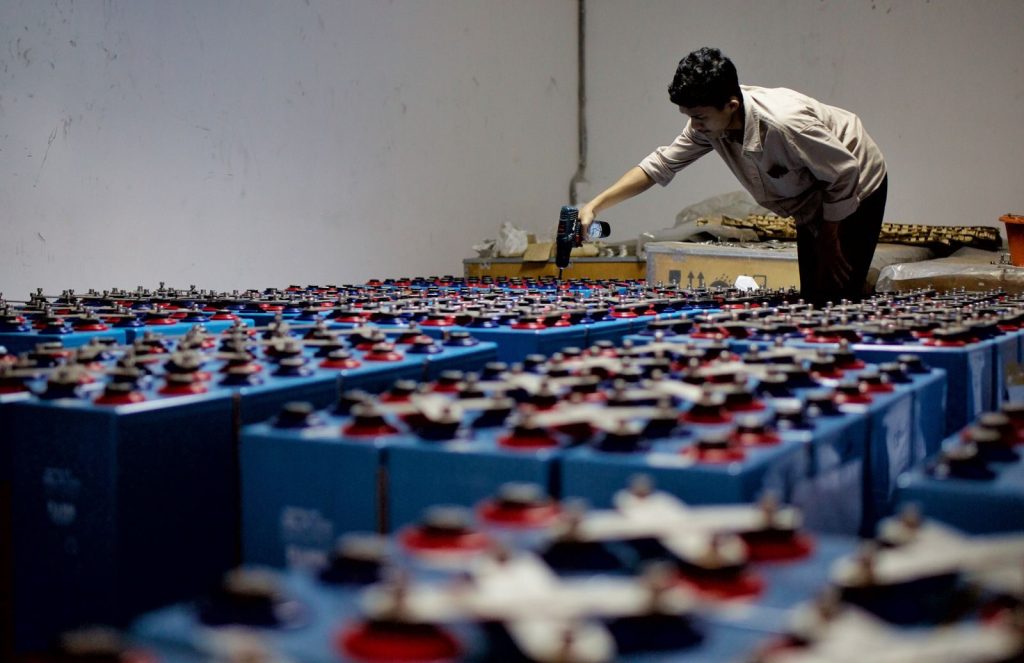
Power operators are installing rows of massive metal battery containers near major electrical junctions. According to public utility files, these facilities are packed with millions of dense lithium-ion cells. They are enormous. These energy parks can absorb gigawatts of excess electricity in seconds to stabilize the grid. But discharging this stored current requires a highly advanced software controller.
The Automated Microsecond Switch
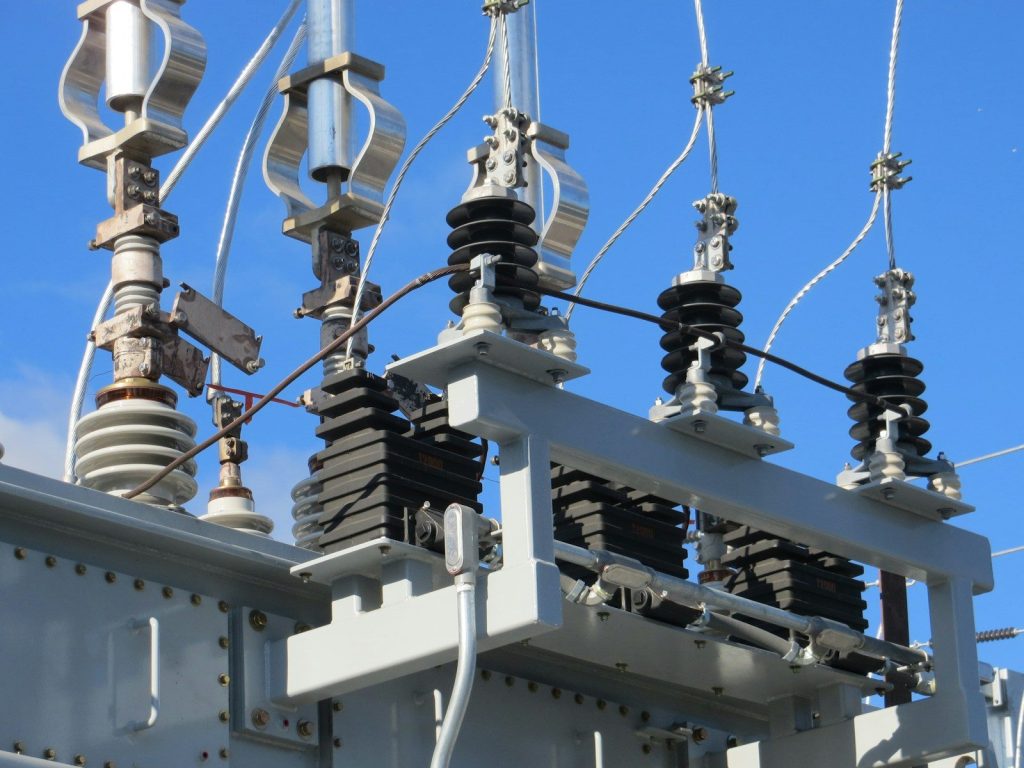
When a traditional generator suddenly fails, the energy grid experiences a dangerous voltage drop. According to power transmission engineers, automated software can trigger the battery packs to discharge current instantly. The switch is a microsecond. This rapid response prevents rolling blackouts before human operators can even register the fault. But these massive batteries are also replacing expensive fossil fuel systems.
Retiring The Peaker Plants
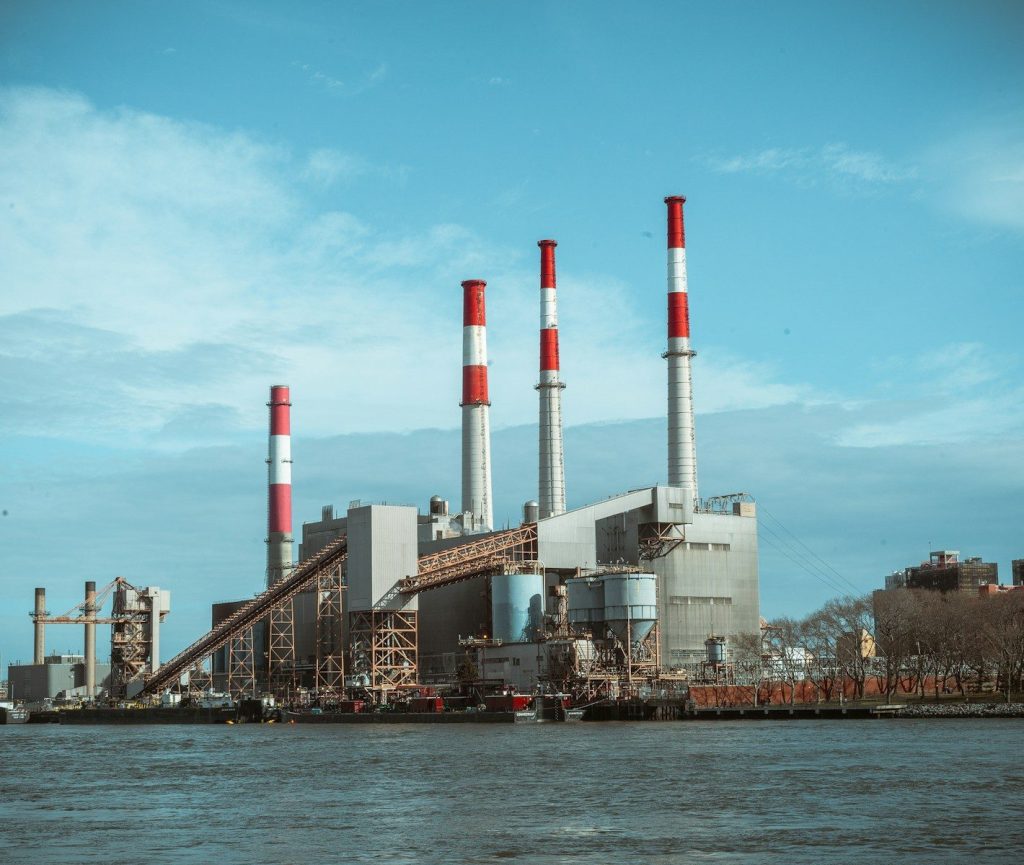
Utilities traditionally run highly expensive gas turbines to meet sudden spikes in electricity demand. According to environmental policy studies, using battery storage is significantly cheaper and cleaner than running these dirty peaker plants. Change is happening. Replacing these old generators with clean battery parks reduces urban air pollution significantly. But keeping these massive cells running safely requires managing intense temperatures.
Liquid Cooling Thermal Safety
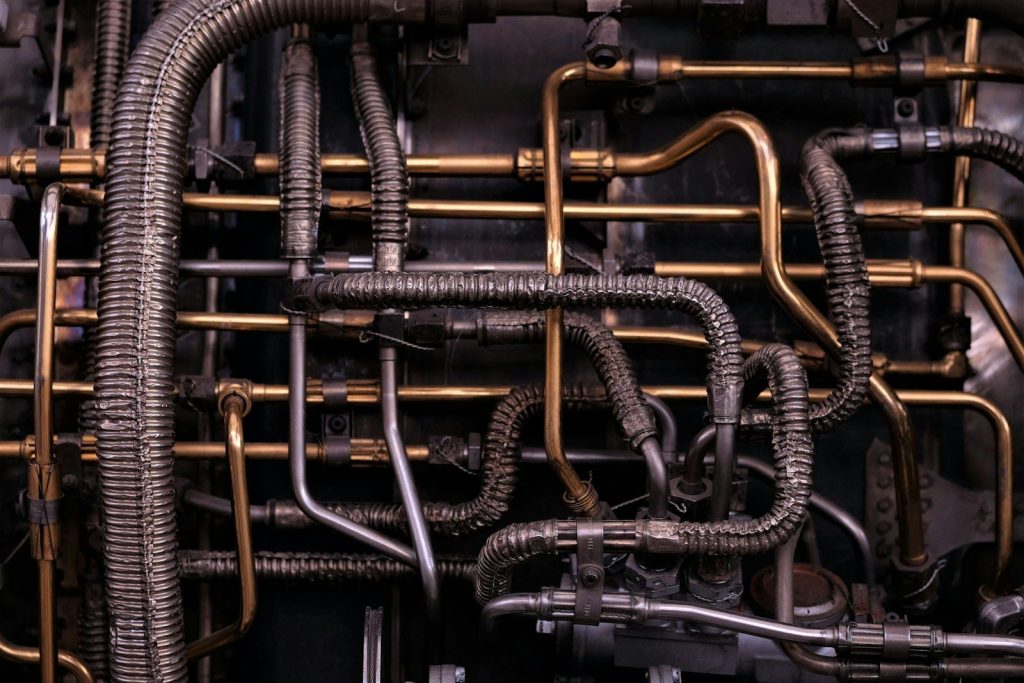
Squeezing millions of lithium cells together creates a high risk of localized heat build-up. According to fire safety engineering reports, modern utility batteries use an integrated liquid cooling network to regulate cell temperatures. The cooling is constant. This protective setup keeps the batteries running at their peak efficiency while preventing dangerous thermal runaways. But developers are already searching for cheaper alternative battery chemistries.
Shifting Beyond Lithium Chemistry
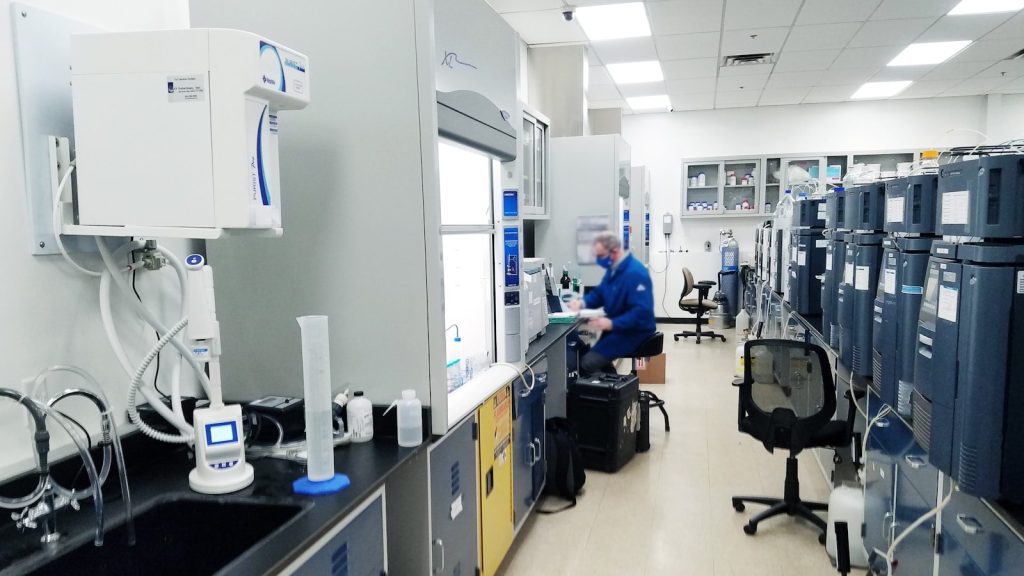
Relying entirely on expensive lithium creates massive supply chain pressures for grid developers. According to material science publications, researchers are testing alternative battery chemistries like sodium-ion and iron-air systems. They are cheap. These alternative materials could drop grid storage costs by half and unlock massive global expansion. But the ultimate impact of this storage revolution is already reshaping our energy future.
Unlocking a Carbon-Free Grid

Mastering massive energy storage is the final piece of the clean power puzzle. According to electrical infrastructure historians, batteries will allow humanity to operate entire cities on pure renewable energy around the clock. The transition is inevitable. This article is for informational purposes only.
Featured Image: Photo by Michael Förtsch on Unsplash
Leave a Reply