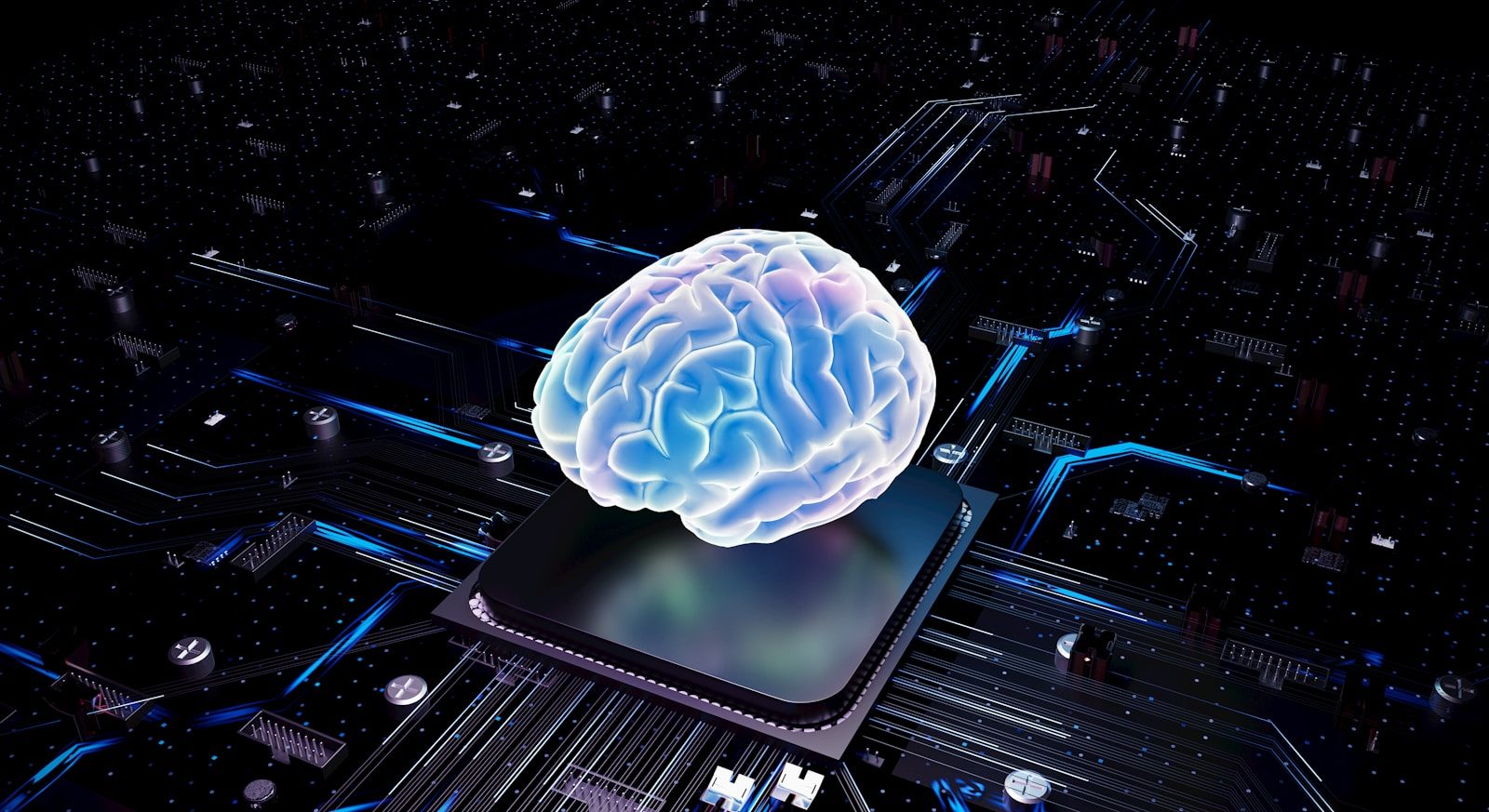
Most people believe that curing blindness requires repairing the physical structure of the human eye. We assume that damage to optic nerves permanently cuts off our connection to the visual world.
But a revolutionary brain implant is bypassing the eyes entirely to restore sight. This advanced technology transmits digital images straight into the visual cortex of the mind.
Bypassing Damaged Optic Nerves

Traditional vision treatments focus on restoring light paths through the natural eye lens. According to neural engineering reports from Neuralink, this new implant injects signals directly into the brain region that processes images. Optic nerves are ignored. This direct connection allows the system to work even for patients who have lost both eyes. But sending these signals requires installing thousands of microscopic threads.
Splicing Thousands Of Threads

The brain implant features an array of ultra-thin flexible threads packed with tiny electrodes. According to neurosurgery journals, a specialized surgical robot is required to sew these threads into brain tissue safely. It is highly delicate. The robot avoids damaging vital blood vessels while placing each sensor in the perfect neural position. But powering this tiny brain chip presents a major hardware challenge.
Charging Through Solid Bone
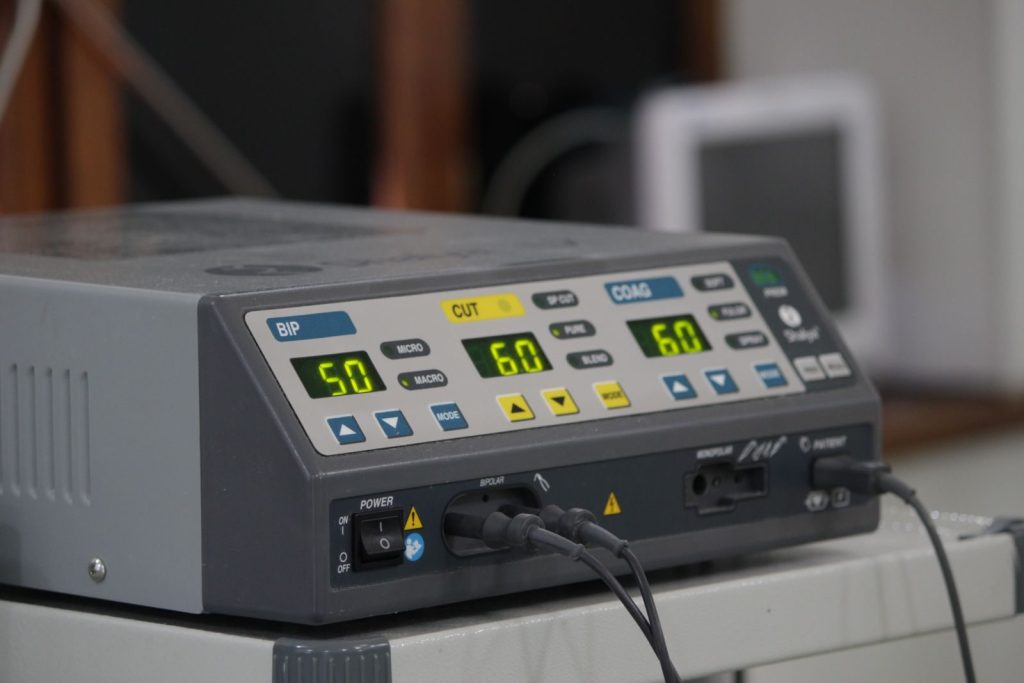
Operating a chip inside the skull requires transferring power without running any physical wires. According to medical device designs, the implant uses a wireless inductive charging system that passes energy through the skin. The transfer is silent. This setup ensures the device remains completely sealed to prevent any internal infection risks. But capturing the visual world requires wearing a secondary device.
Translating Pixels To Pulses
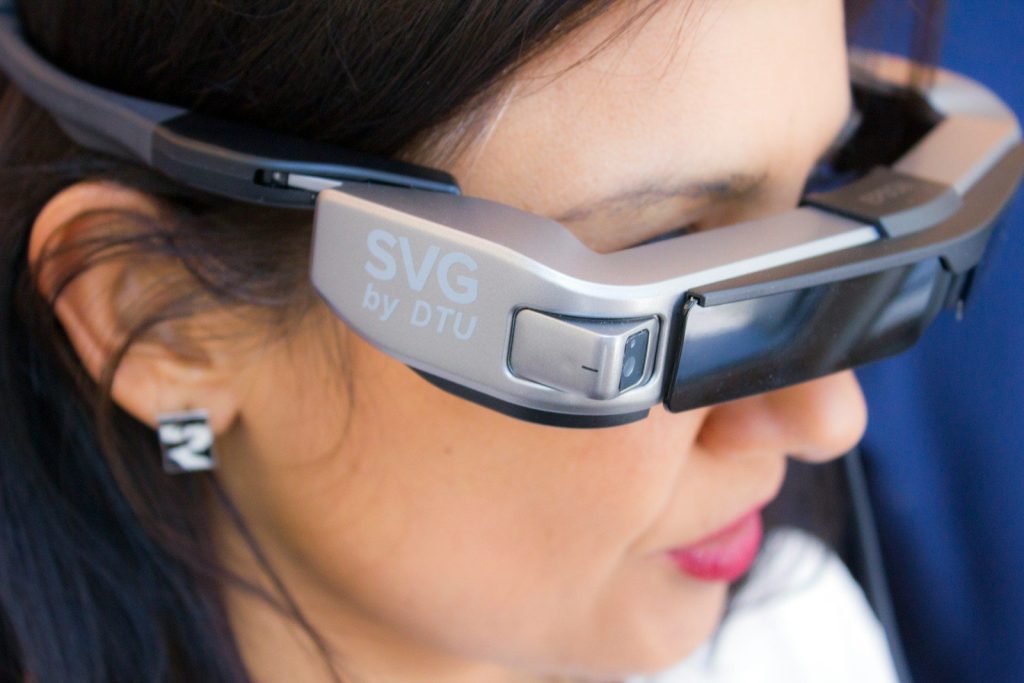
A specialized camera mounted on a pair of glasses captures live video of the surroundings. According to computing hardware reports, an external processor translates these camera pixels into precise electrical pulses. This is a translation. These customized pulses are then beamed wirelessly to the brain implant to simulate real vision. But this optical mapping system must learn to communicate with active neurons.
Displaying Crude Matrix Vision

Early patients will not see high definition colors immediately after activating the device. According to neuroscience trial updates, the initial visual output resembles simple points of light blinking in the dark. It is basic. Over time, engineers hope to increase the electrode density to create highly detailed shapes. But training the brain to read these artificial signals takes significant practice.
Retraining The Visual Cortex
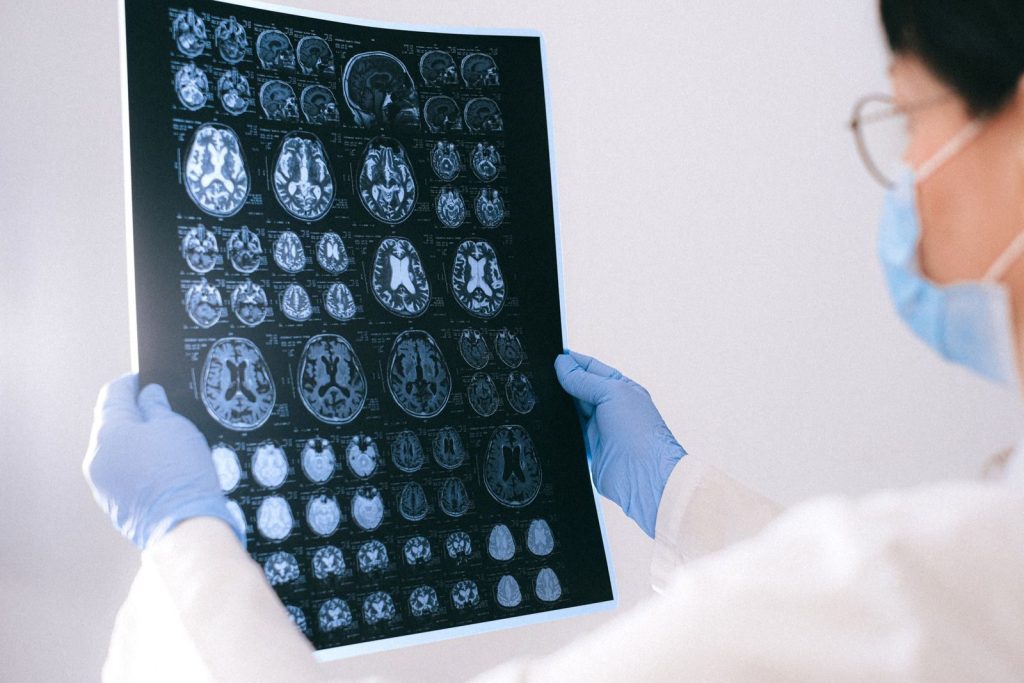
The human brain must learn how to interpret these unfamiliar electrical pulses as real physical objects. According to cognitive science researchers, patients undergo intensive training to associate specific light patterns with doors or walls. Practice makes perfect. This neural plasticity allows the mind to adapt and rebuild its visual processing map. But this brain tech is opening up massive ethical debates.
Facing Deep Ethical Questions

Connecting our minds directly to digital networks raises serious concerns about privacy and cognitive security. According to neuroethicists, we must establish strict regulations to protect brain data from corporate tracking. The threat is real. Critics also worry about who will control these technologies as they become more powerful. But researchers are moving forward with clinical trials despite these concerns.
Entering The Bionic Era

Restoring sight through neural engineering marks the first major milestone of a medical revolution. According to clinical trial directors, this technology will eventually treat spinal cord injuries and memory loss. The future is bright. This article is for informational purposes only and does not constitute professional medical advice.
Featured Image: Photo by Sumaid pal Singh Bakshi on Unsplash
Leave a Reply