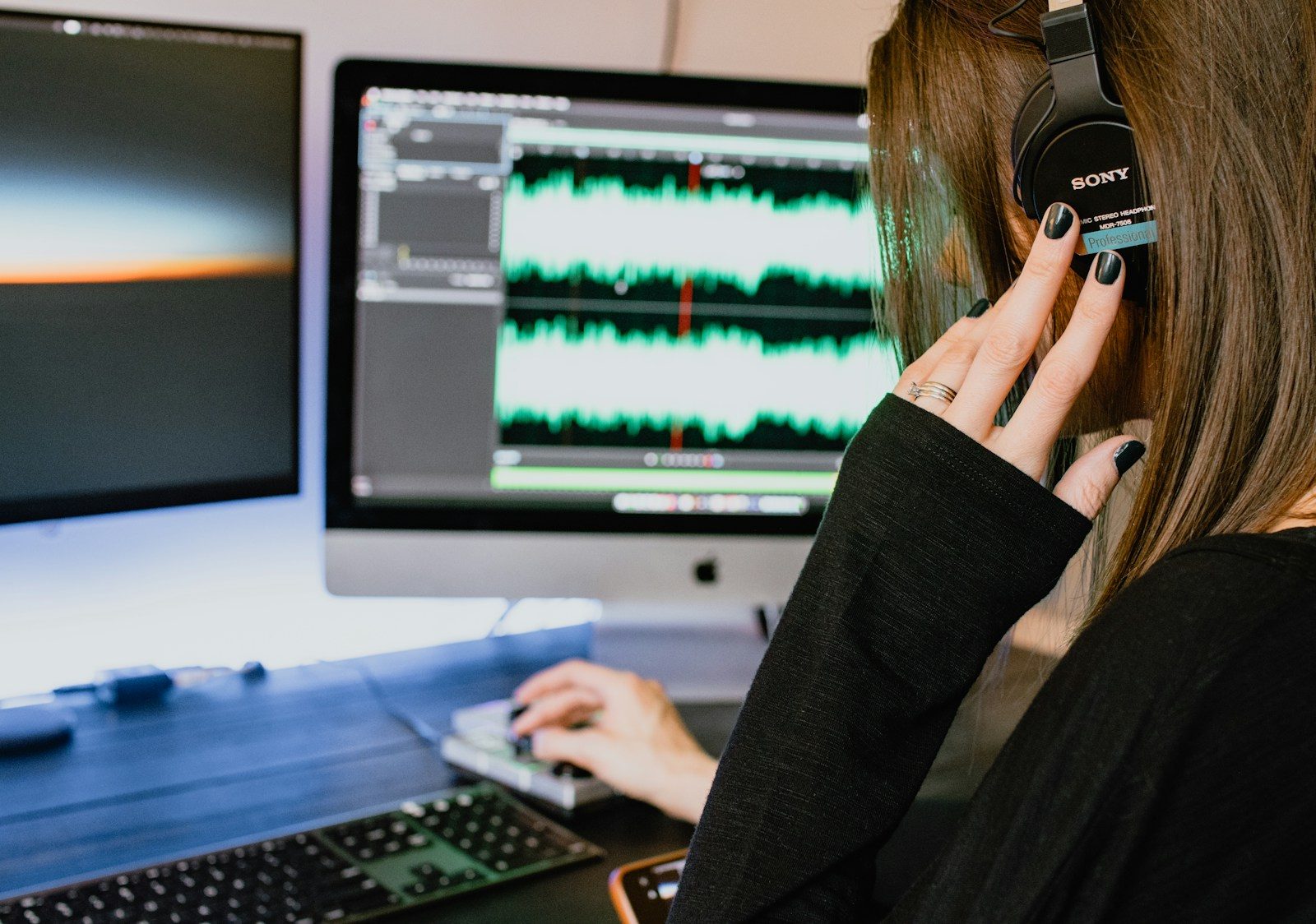
Most movie lovers assume that their favorite animated characters are always voiced by highly talented human actors in physical studios. We believe that genuine vocal performances require real human emotion and years of training.
But a major software shift is completely disrupting the traditional entertainment industry. Advanced artificial intelligence can now replicate famous celebrity voices with absolute acoustic precision in seconds.
The Digital Clone Warning

A legendary Hollywood actor recently raised major alarms about how film studios handle famous voices. According to reports from The Hollywood Reporter, actor Tom Hanks stated that Disney could easily use AI to generate Woody’s voice for future films. The threat is real. This capability allows studios to produce entire movies without ever hiring the original actor. But this software power is already triggering intense legal battles.
Squeezing Out The Actors
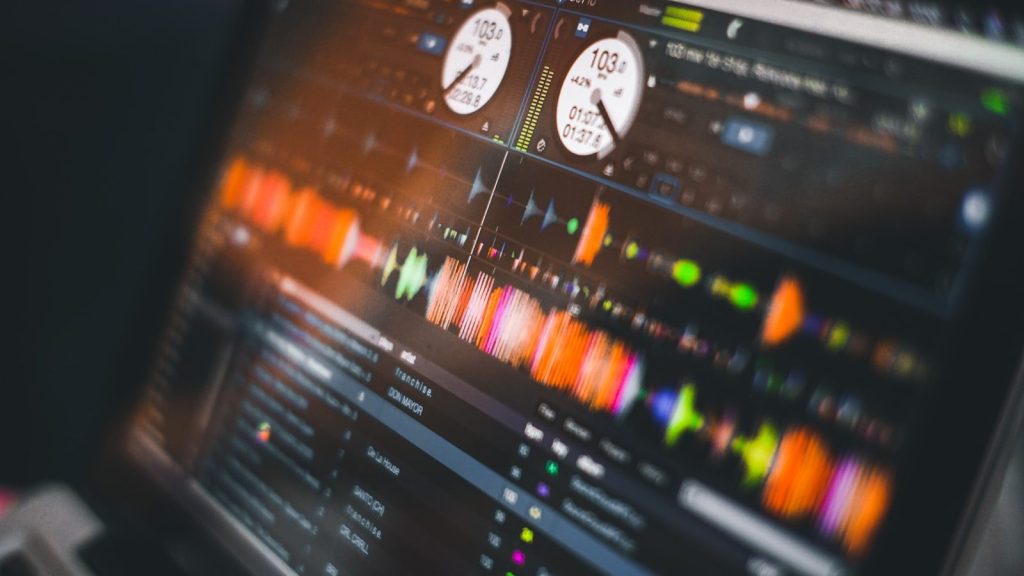
Replicating a specific human voice requires feeding hours of older audio recordings into a neural network. According to machine learning specialists, the software maps the unique pitch, rhythm, and accent of the speaker. The results are uncanny. Once trained, the algorithm can read any written script in the celebrity’s exact voice. But this rapid automation is leaving many voice actors completely stranded.
The Fight For Voice Rights

Screen actors are racing to secure strict legal ownership of their digital likenesses and vocal patterns. According to SAG-AFTRA legal filings, performers are demanding clear contracts that prevent studios from using AI clones without consent. They are fighting back. Without these protections, an actor’s digital clone could continue working long after they retire. But some studios see a highly profitable advantage.
Infinite Foreign Language Dubs
Translating films into multiple languages normally requires hiring separate voice actors in different countries. According to entertainment market analysts, new translation software can instantly dub a film while retaining the original actor’s vocal tone. It feels like magic. This automated system allows global audiences to hear the original star speak their native language. But this visual and vocal mapping is growing even deeper.
Retaining The Youthful Spark
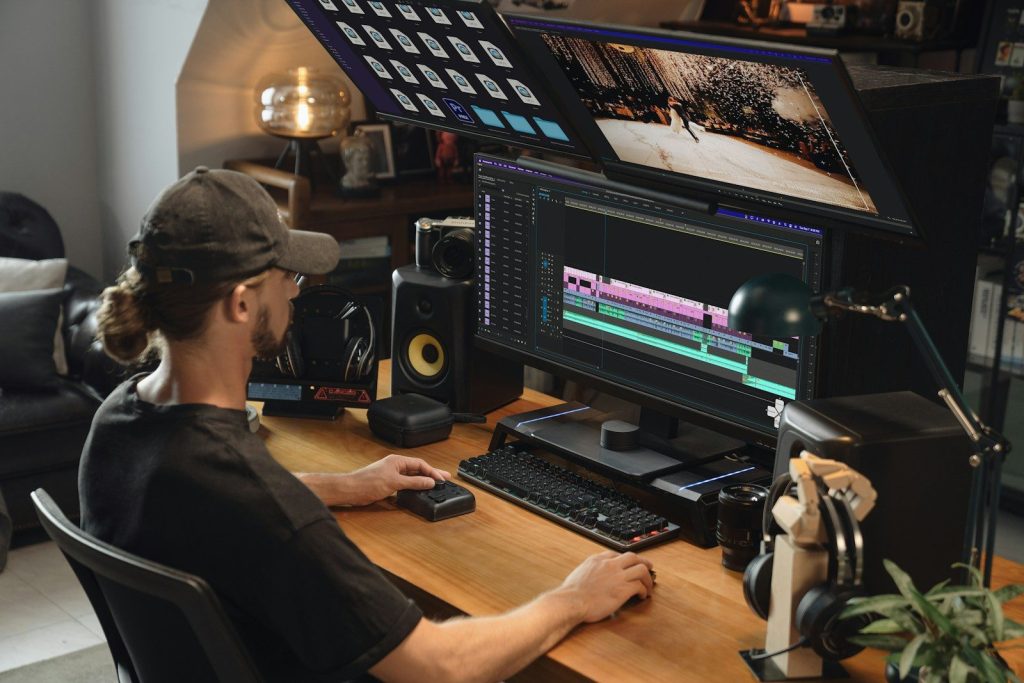
Aging actors frequently struggle to perform the highly demanding physical voices of their younger characters. According to animation production logs, developers can use vocal de-aging software to restore a performer’s youthful tone instantly. The system is smooth. This allows franchises to keep the same iconic voices active across multiple decades. But some critics are warning about the complete loss of human emotion.
The Lack Of True Soul
While AI can replicate pitch and speed, it still struggles to capture the subtle nuances of human feeling. According to theatrical directors, standard algorithms cannot feel sorrow, joy, or genuine surprise during a scene. Computers lack true empathy. Human reviews are still necessary to guide the digital performance and ensure it resonates with audiences. But the march of technology remains completely unstoppable.
Redefining The Creative Space
The rapid rise of vocal synthesis is forcing Hollywood to completely redefine what it means to be a performer. According to media historians, balancing technical innovation with human creativity will shape the future of entertainment. Change is permanent. This article is for informational purposes only.
Featured Image: Photo by Kelly Sikkema on Unsplash
Leave a Reply