
Most space enthusiasts assume that Earth is the only planet capable of supporting the complex needs of human life. We believe that distant worlds are too hot, too cold, or too toxic for our survival.
But advanced planetary scans have revealed several highly promising exoplanets orbiting nearby stars. These extreme alien worlds contain the vital physical ingredients to host future human colonies.
Finding The Goldilocks Zone
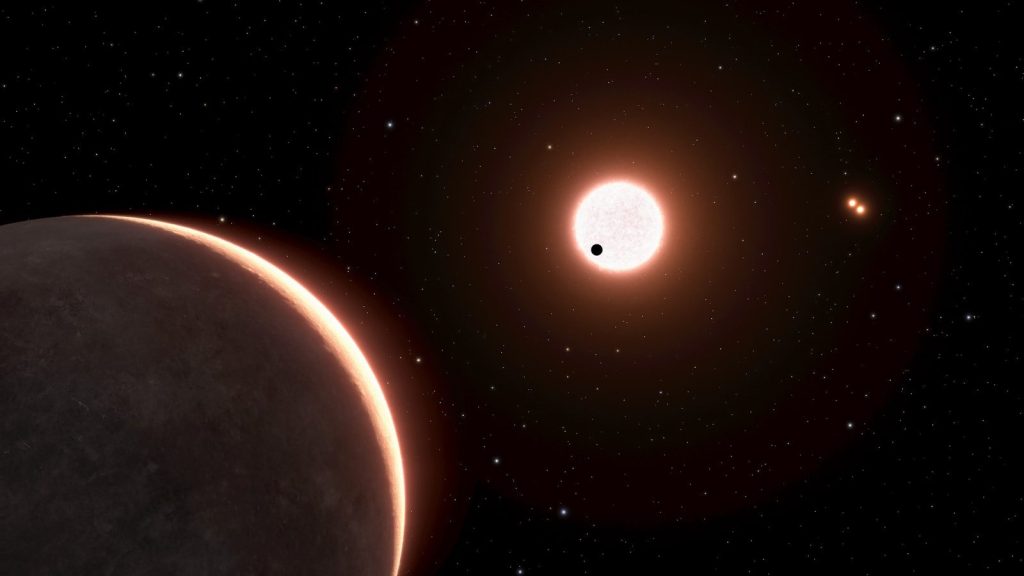
Supporting liquid water requires a candidate planet to orbit its host star at a highly specific distance. According to reports from NASA, this temperature sweet spot is known as the habitable zone. It is highly rare. Inside this region, stellar warmth keeps planetary water from boiling away or freezing solid. But verifying water coverage requires scanning the atmosphere.
Reading Distant Water Worlds
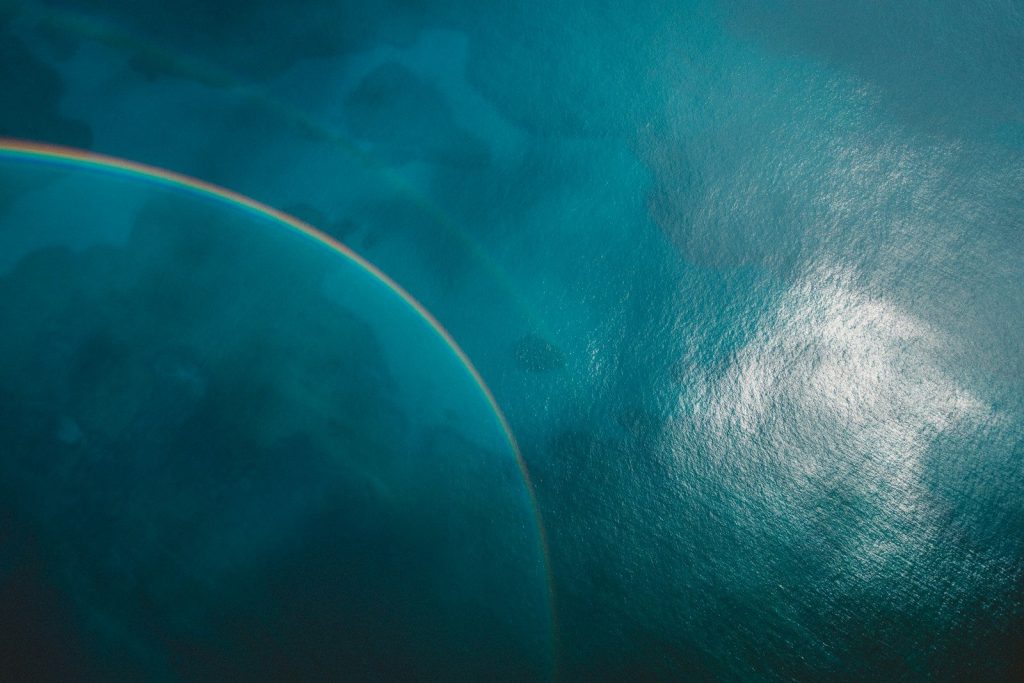
Some exoplanets appear to be covered entirely by a global ocean hundreds of miles deep. According to space agency models, these watery planets could theoretically support primitive marine ecosystems under their clouds. The views are stunning. But human settlers would need to build floating cities to establish a permanent presence here. But another rocky neighbor presents a far more familiar terrain.
The Red Dwarf Neighbors
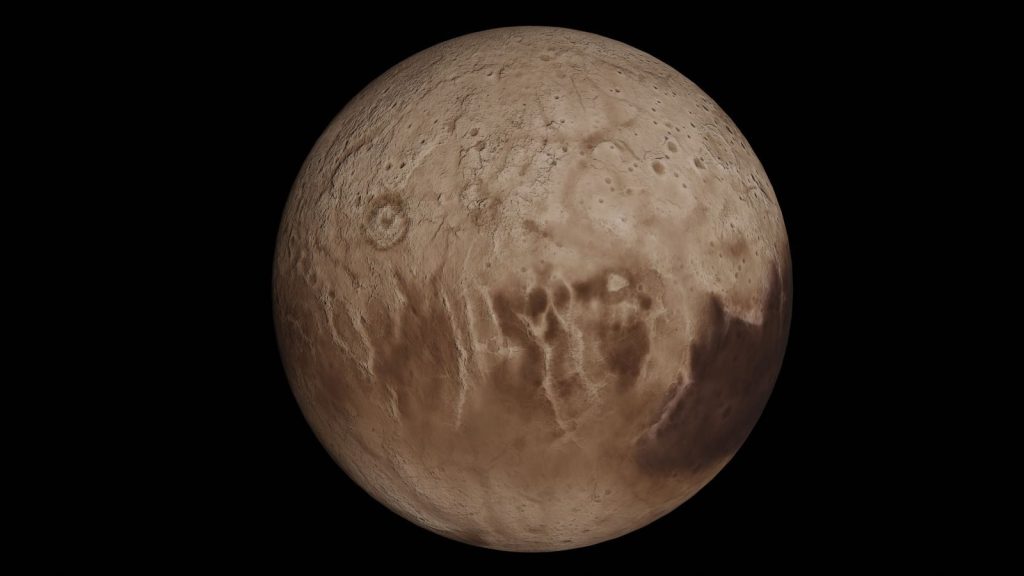
Most habitable exoplanets orbit active red dwarf stars that are significantly smaller than our sun. According to stellar physics research papers, these planets often become tidally locked due to close orbits. They never rotate. This means one side of the planet faces a permanent day while the other rests in freezing darkness. But a strange border zone could offer a perfect home.
Surviving Along The Twilight
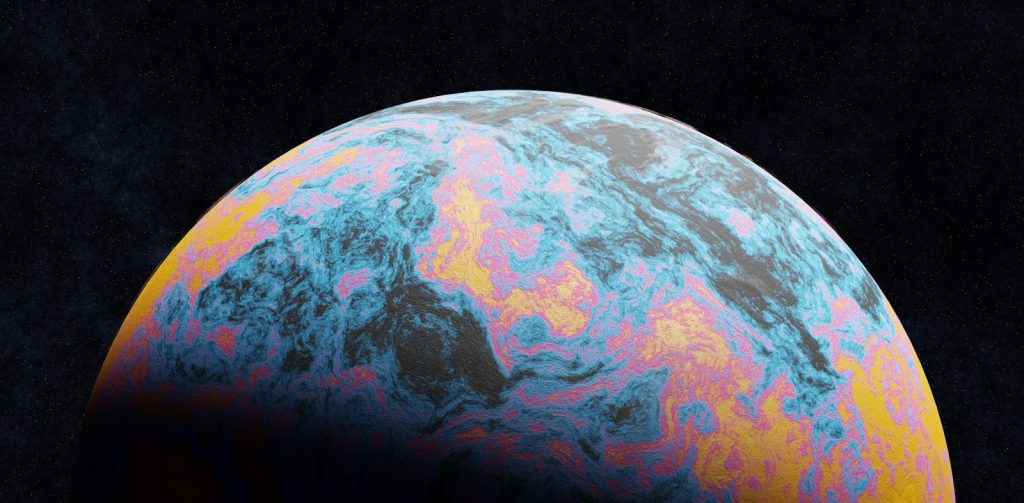
The narrow strip of land separating the burning day from the freezing night is highly stable. According to atmospheric simulations, this twilight zone experiences a mild and continuous spring-like climate. The air is calm. This temperate region could serve as the primary landing zone for early human explorers. But protecting these colonies requires measuring the local magnetic fields.
The Invisible Magnetic Shield
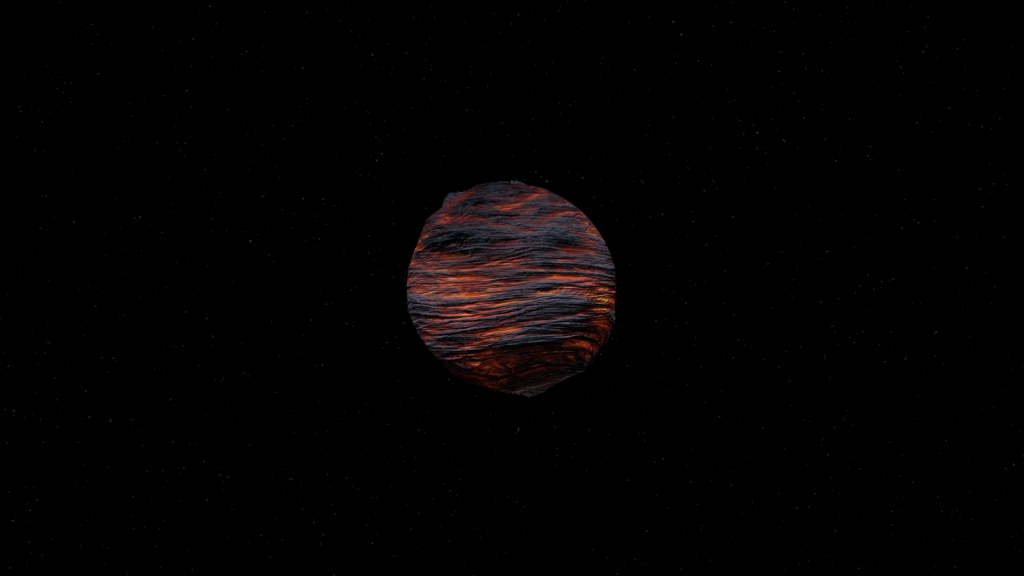
Exoplanets without a strong magnetic field are constantly stripped of their atmospheres by violent solar winds. According to planetary geologists, a robust liquid iron core is vital to generate this protective shield. The shield is active. Without it, intense cosmic radiation would easily destroy any human structures on the surface. But some target worlds are significantly larger than Earth.
Settling On Super Earths
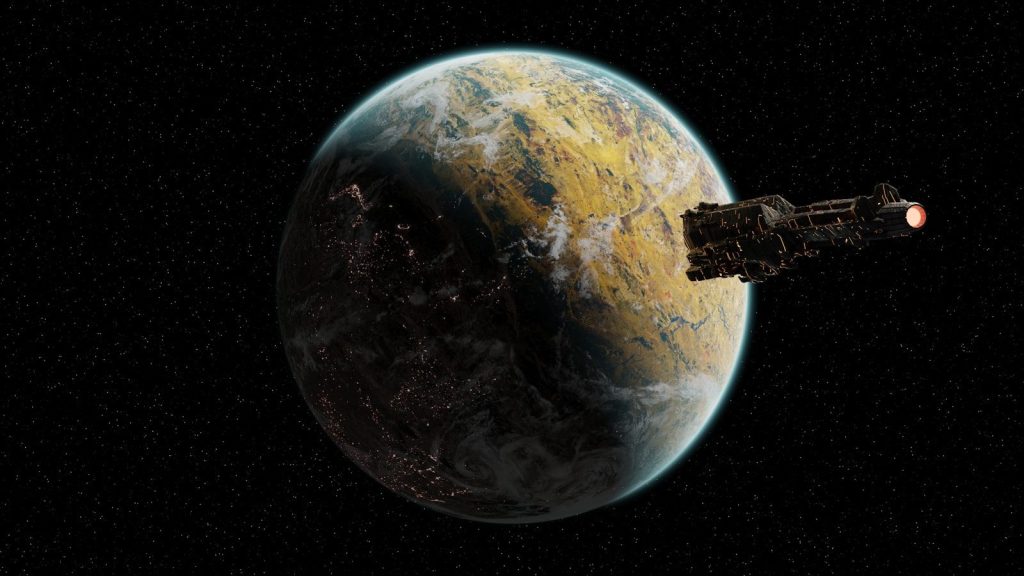
A rare class of massive rocky planets possesses gravity fields that are stronger than our own. According to planetary physics logs, these super-Earths can hold onto dense atmospheres that block solar radiation. They are highly resilient. However, human settlers would experience heavier physical body weights that strain muscles and bones over time. But scientists are searching for ways to adapt.
Advanced Biosphere Dome Engineering

Future colonists will need to build massive pressurized domes to grow crops and recycle breathing air. According to architectural design files, specialized carbon materials can insulate indoor habitats from extreme external temperatures. The designs are practical. This closed-loop setup will allow humans to farm and live comfortably on hostile worlds. But launching these deep space journeys requires a massive leap in rocket tech.
Heading Into The Deep
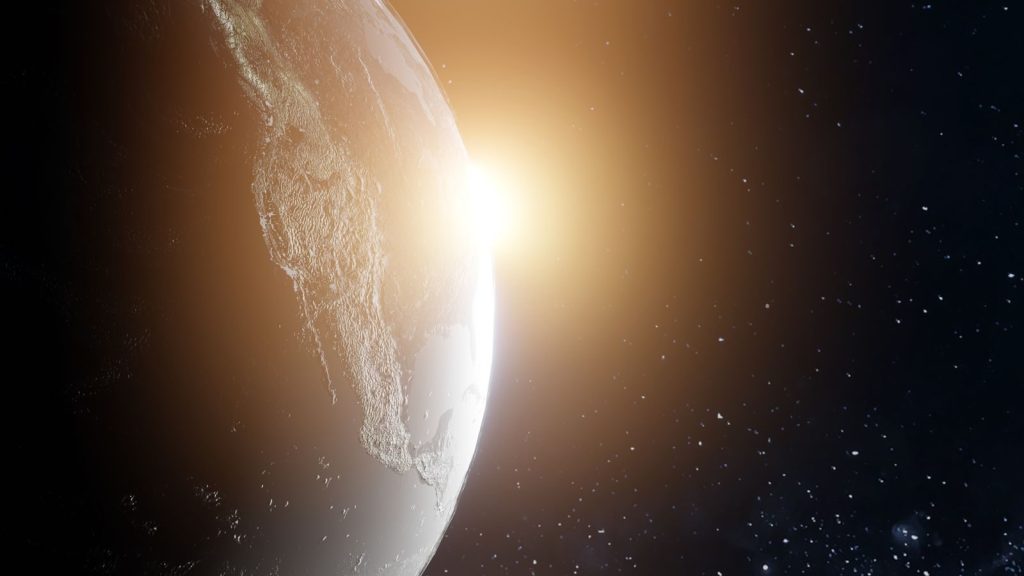
Establishing a permanent home on a distant exoplanet remains the ultimate dream of modern space exploration. According to astrobiologists, finding a second living world will guarantee the long-term survival of human consciousness. The journey is starting. This article is for informational purposes only.
Featured Image: Photo by Sam Moghadam on Unsplash
Leave a Reply