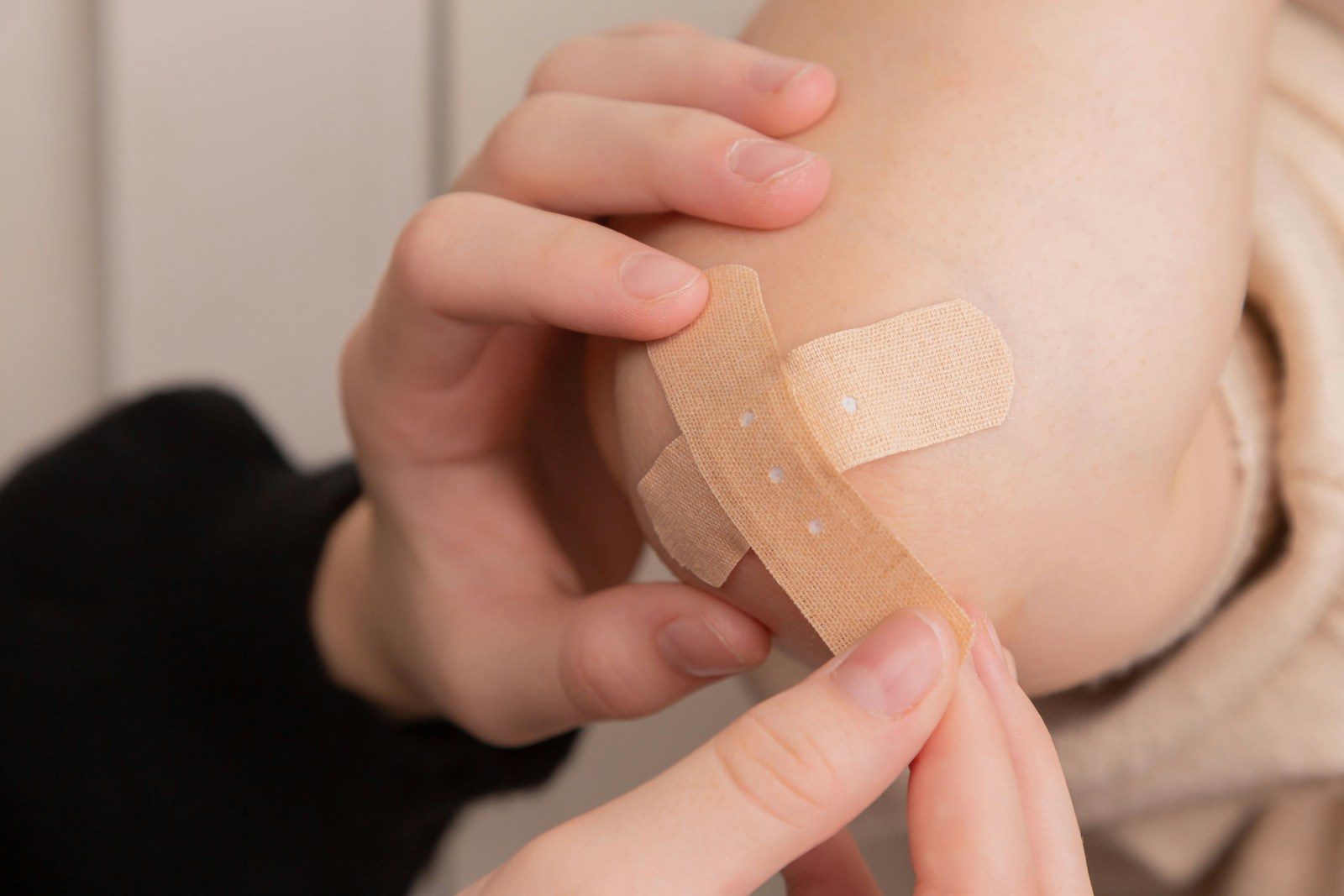
The age of the terrifying doctor’s needle might finally be over. For over a century, the standard way to deliver medicine has been a sharp metal spike driven into muscle. It is painful, scary for children, and requires a trained professional to administer. But a revolutionary new breakthrough has just hit the medical world. It is a small, band-aid-like patch that delivers vaccines through the skin without a single drop of blood. This “microneedle” technology uses tiny, microscopic spikes that are so small they cannot even reach your pain receptors.
You simply press the patch onto your arm, wait a few seconds, and the job is done. The tiny needles dissolve into the skin, releasing the vaccine directly where it needs to go. Scientists are calling this the biggest leap in immunization history. This is not just a dream for people who hate needles. It is a massive shift in how we handle global health crises. But how can something so small be more effective than a traditional shot?
Why This Tiny Sticker Works Better Than a Shot
It turns out that our muscles are actually not the best place to put a vaccine. Most traditional shots go deep into the muscle tissue, but our immune system is actually most active in our skin. The skin is our first line of defense against the outside world, so it is packed with immune cells. By using a patch, the medicine goes exactly where those “soldier” cells live.
This means you might actually need a smaller dose of the vaccine to get the same level of protection. The microneedles are made of a special polymer that holds the vaccine in a dry state. When they touch the moisture in your skin, they melt away safely. It is a cleaner, smarter way to build immunity. But the real game-changer isn’t just about the pain; it is about how these patches are stored.
No More Fridges Required for These New Vaccines
One of the biggest problems with current vaccines is that they have to stay cold. If a vial of medicine gets too warm during shipping, it becomes useless. This “cold chain” makes it almost impossible to get life-saving shots to remote villages or hot climates. The new patch solves this entirely. Because the vaccine is in a dry, stable form inside the needles, it can survive at room temperature for months.
This means we can ship these patches in regular envelopes through the mail. We no longer need expensive refrigerated trucks or special freezers at every clinic. This breakthrough could save millions of lives in parts of the world where electricity is unreliable. However, if these patches are so easy to handle, does that mean you could eventually give yourself a vaccine?
Could You Mail Order Your Next Flu Shot?

Imagine never having to book a doctor’s appointment for a routine vaccination again. Since the patch is as easy to apply as a sticker, researchers are testing if people can use them at home. During clinical trials, people with no medical training were able to apply the patches correctly every single time.
This would allow people to order their flu shots or travel vaccines online and apply them while sitting on their couch. It would take the pressure off hospitals and pharmacies during busy seasons. It also eliminates the risk of “needle-stick” injuries for healthcare workers. But there is another environmental benefit that most people haven’t considered yet.
Ending the Massive Pile of Medical Waste
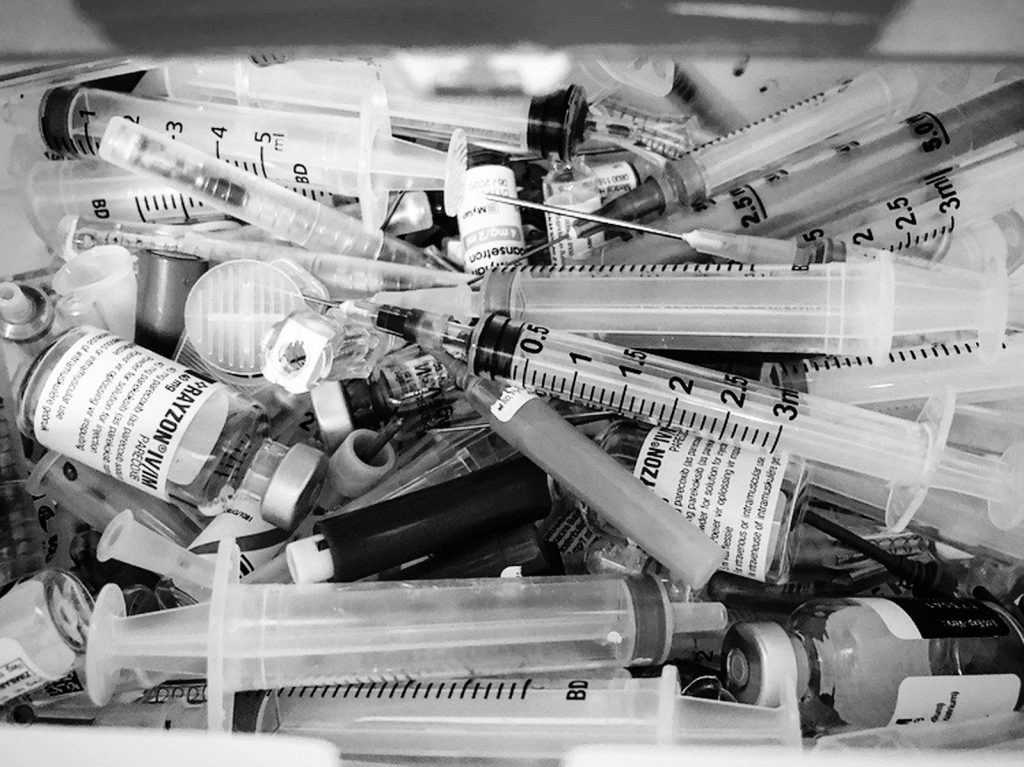
Every year, billions of plastic syringes and metal needles are thrown away. This creates a mountain of “biohazardous” waste that is dangerous to handle and expensive to destroy. Because the microneedles on these patches dissolve into the skin, there is no sharp waste left behind. After you use the patch, you just throw the paper backing in the regular trash.
It is a much greener way to run a healthcare system. Hospitals wouldn’t need specialized “sharps” containers, and the overall carbon footprint of medicine would drop significantly. It is a win for the patient and a win for the planet. But this technology isn’t just for vaccines. Could it change how we treat daily diseases like diabetes?
The Future of Painless Insulin Delivery
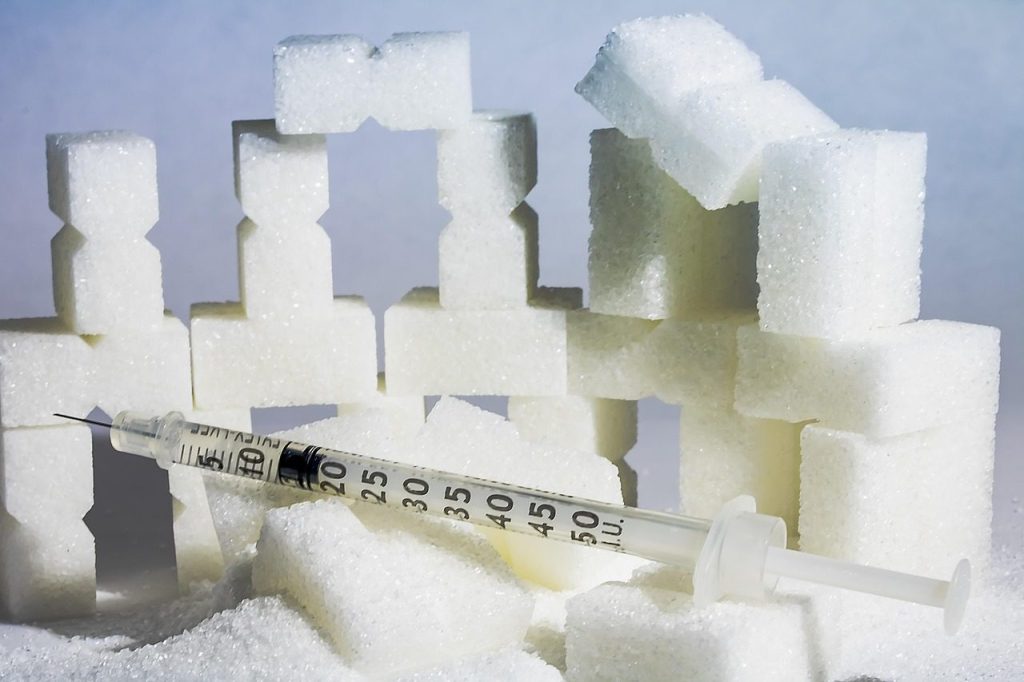
For people living with diabetes, life often involves multiple needle pricks every single day. The stress and physical pain of constant injections can be overwhelming. Researchers are now working on microneedle patches that can deliver insulin throughout the day. Some “smart” patches could even sense blood sugar levels and release the exact amount of medicine needed automatically.
This would mean no more finger pricks and no more manual shots. The patch does all the thinking and all the work while you sleep or go about your day. It represents a level of freedom that patients have been dreaming about for decades. But if the technology is this good, why isn’t it in every pharmacy yet?
When Will the Needle Finally Retire?
The technology is already in advanced human trials for the flu, measles, and even COVID-19. The results have been incredibly positive, showing that the patches are safe and effective. Large-scale factories are currently being designed to print these patches by the millions.
We are likely only a few years away from seeing these at your local drug store. The first versions will likely be for the seasonal flu, followed by vaccines for children. Soon, the idea of “getting a shot” will be a strange story we tell our grandkids. But is there one final hurdle that could slow down this medical revolution?
A World Without the Fear of Medicine

The biggest impact of the pain-free patch might be psychological. Many people avoid the doctor entirely because of “needle phobia.” This fear leads to lower vaccination rates and more outbreaks of preventable diseases. By removing the pain and the “scary” equipment, we make healthcare more inviting for everyone.
It turns a medical procedure into a simple act of self-care. As we move toward a future where medicine is invisible and painless, we are creating a world where no one has to be afraid of staying healthy. The transition from the metal needle to the smart patch is inevitable. The only question left is which disease we will conquer next with this tiny sticker.
Featured Image: Photo by Diana Polekhina on Unsplash
Leave a Reply