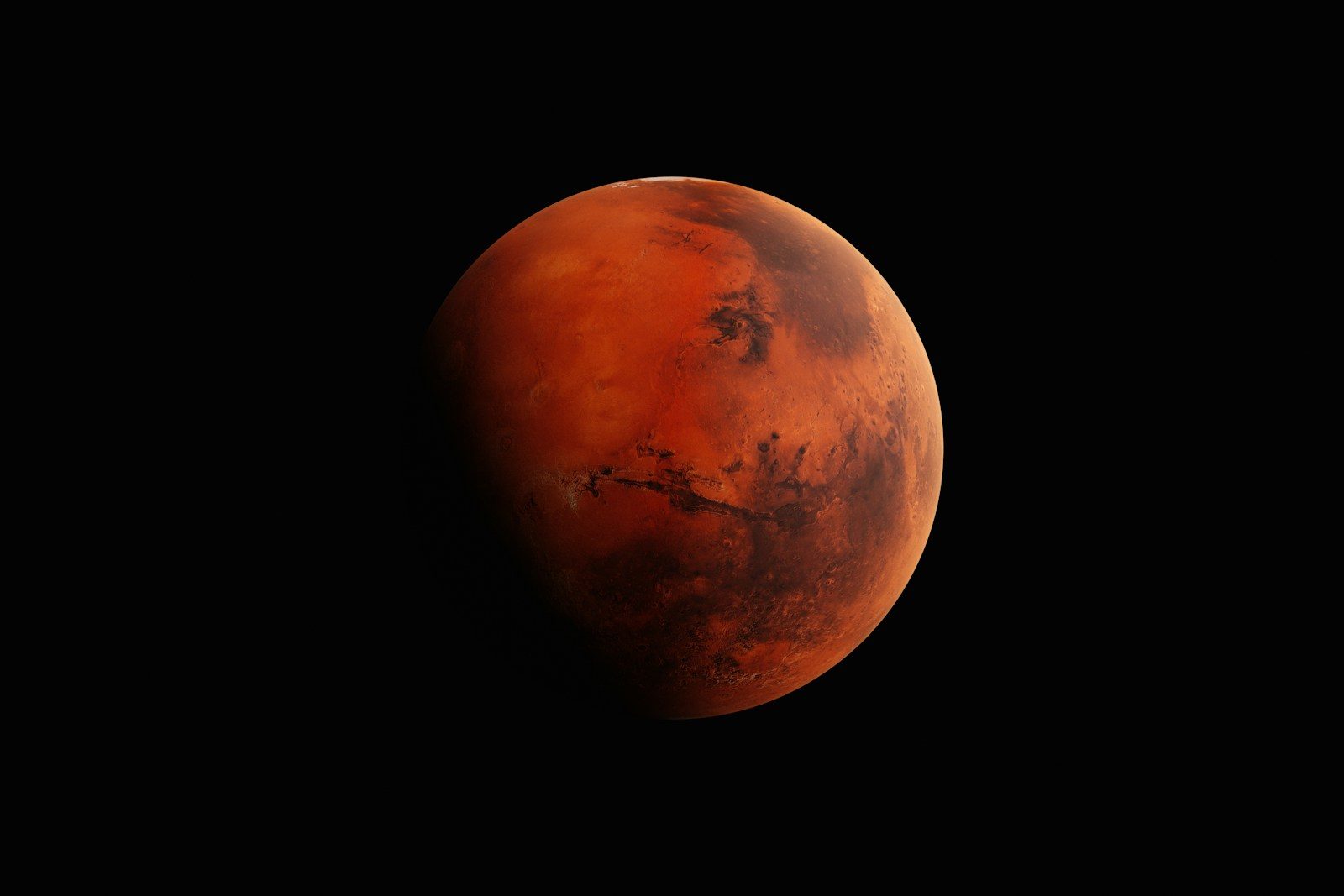
Most space enthusiasts assume that the red planet is a completely dry and static desert. We believe that Martian sands have remained unchanged for billions of years.
But a robotic rover operating on the dusty plains has challenged this planetary assumption. Deep radar scans have revealed a series of massive geometric patterns buried under the surface.
Traces In The Martian Soil
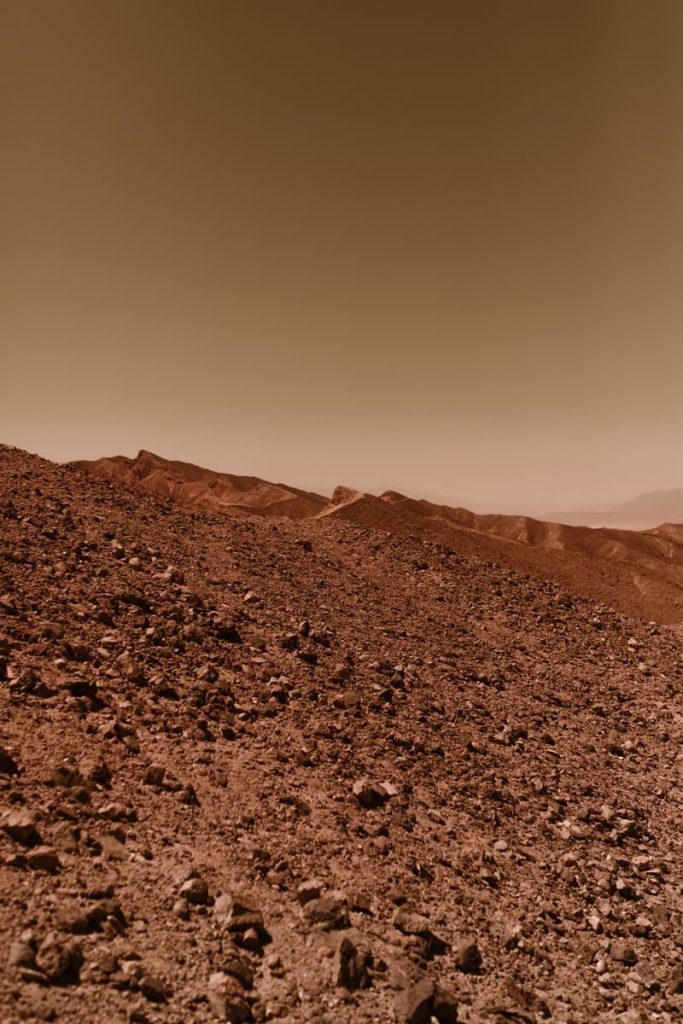
A robotic lander operating in Utopia Planitia began scanning the ground during a routine soil survey. According to reports from the Chinese Academy of Sciences, the onboard radar penetrated deep beneath the red dust. The data was bizarre. The sensors mapped sixteen distinct geometric shapes buried dozens of feet underground. But these electronic outlines were about to challenge our entire planetary history.
The Giant Hexagons

The radar signals revealed a massive network of buried polygonal structures stretching across the plain. According to geological analysts, these sharp geometric shapes resemble the massive stone hexagons found in volcanic zones on Earth. They were truly colossal. This organized pattern suggests that the Martian landscape underwent a dramatic physical transformation long ago. But the mechanism behind these shapes remains highly controversial.
Shifting Thermal Cycles
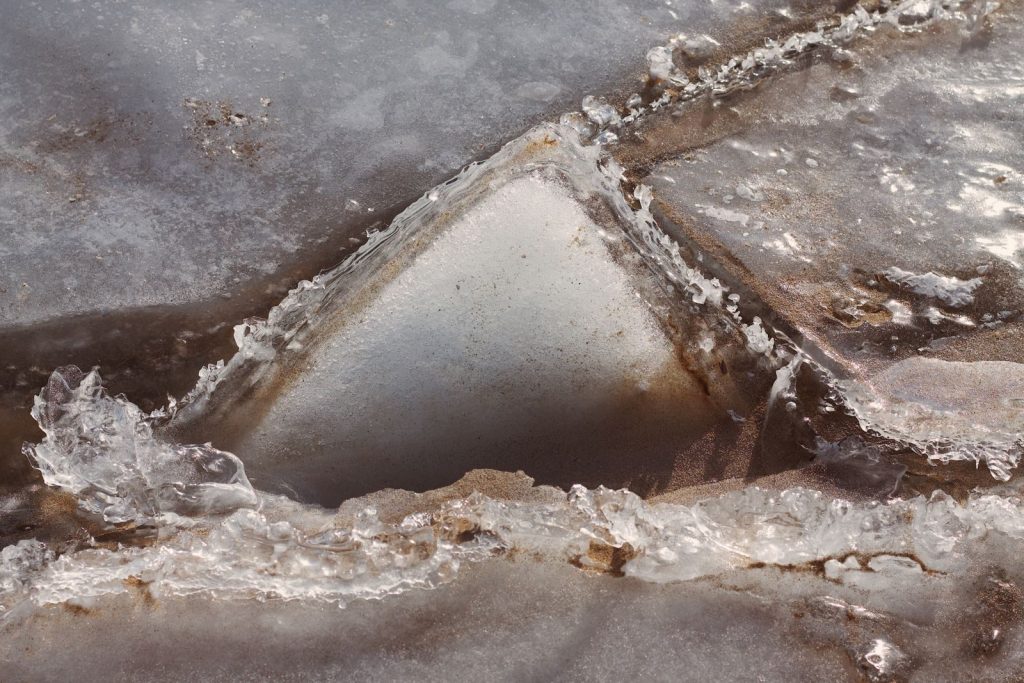
Some planetary scientists suggest that the patterns were carved by extreme seasonal temperature swings. According to thermal dynamics models, repeated freezing and thawing cycles can force dry soils to contract into geometric shapes. The climate was mild. This contraction process would require massive amounts of moisture to actively shape the ground. But proving that Mars was once wet required analyzing older layers.
The Water Connection
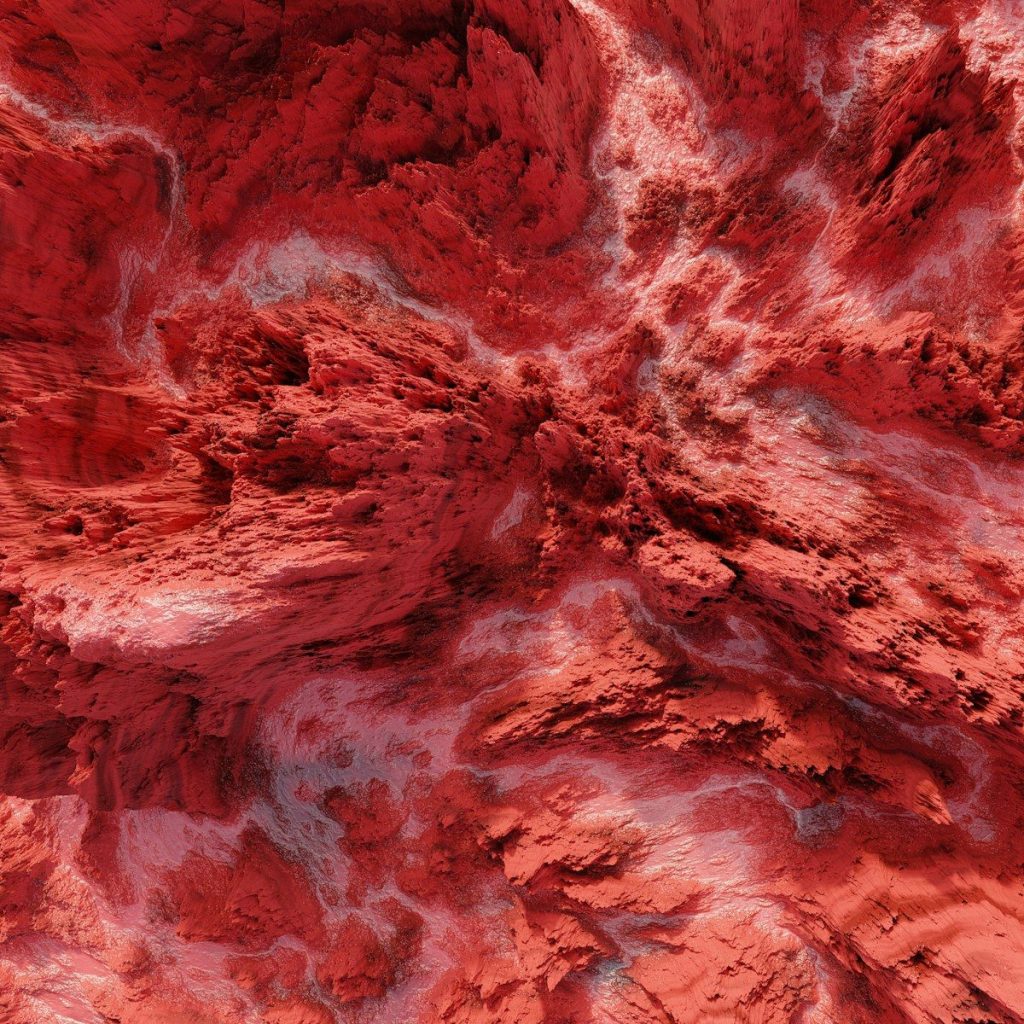
The depth of the buried polygons suggests they formed during a highly active environmental epoch. According to astronomical models, the structures settled under the surface over three billion years ago. The dates are shocking. This timeline indicates that Utopia Planitia once supported a massive water basin or a wet glacial landscape. But how this wet era suddenly ended is another mystery.
The Volcanic Threat
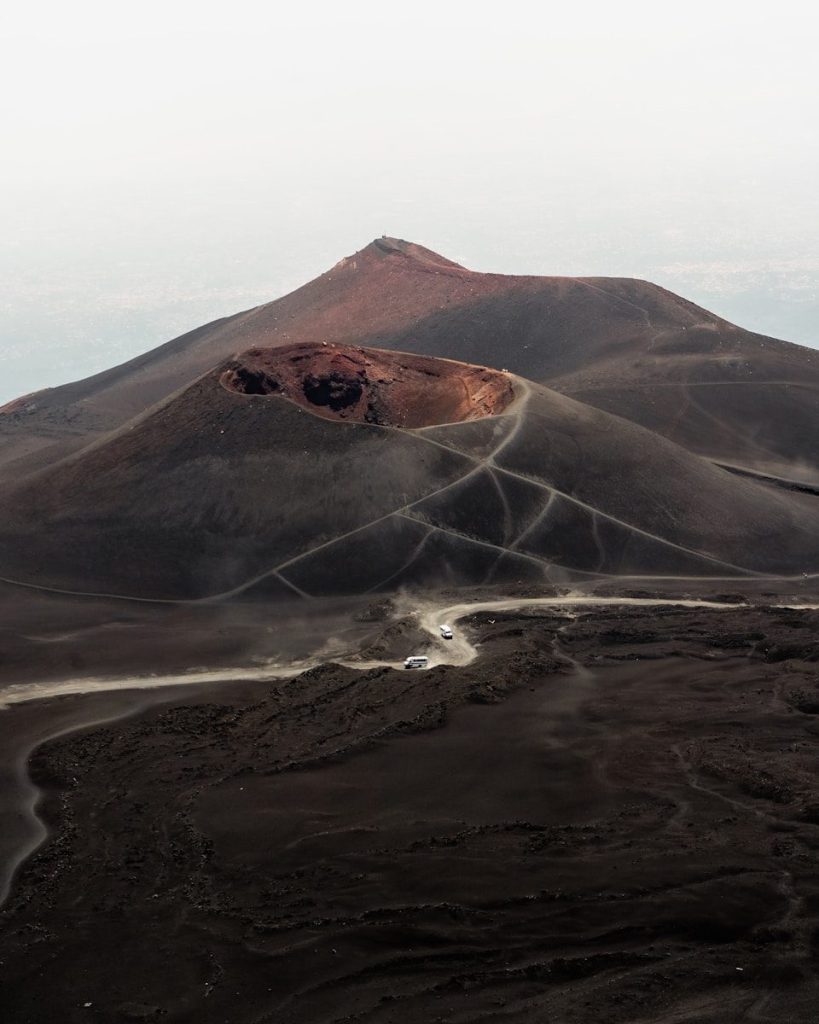
A sudden surge in volcanic activity likely covered the ancient wet patterns under layers of hot ash. According to geophysical data, massive lava flows eventually cooled and preserved the geometric formations beneath the soil. It was a stone vault. This volcanic shield kept the ancient patterns perfectly preserved across vast geological epochs. But the rover was about to detect another strange signature.
Missing Magnetic Fields

The radar scans also revealed that the local magnetic fields around the polygons are highly irregular. According to space agency physicists, these magnetic anomalies do not match the standard crustal readings of the region. The data is weird. This mismatch suggests that the subterranean rocks underwent a sudden electromagnetic shift during their formation. But some researchers offer a far wilder theory.
Alternative Geological Explanations
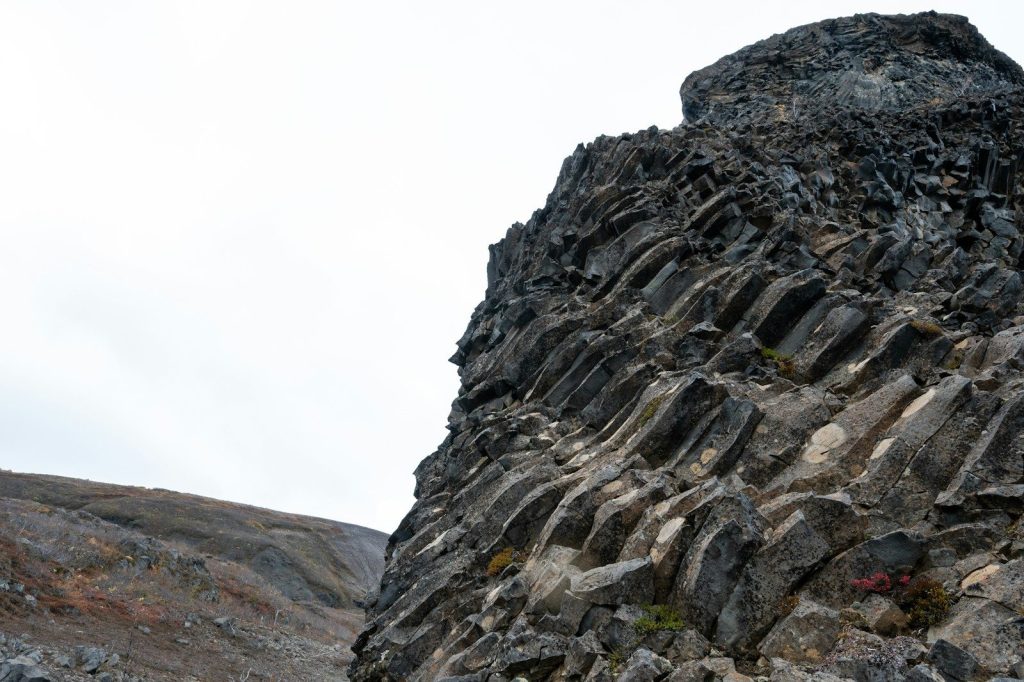
Skeptics argue that the patterns could simply be natural fractures caused by cooling lava flows. According to planetary geologists, basaltic rock naturally cracks into hexagonal columns when cooling under specific atmospheric conditions. The math fits. While less dramatic, this volcanic explanation still proves that early Mars was geologically active. But we still need more data to settle the debate.
Scanning Far Horizons
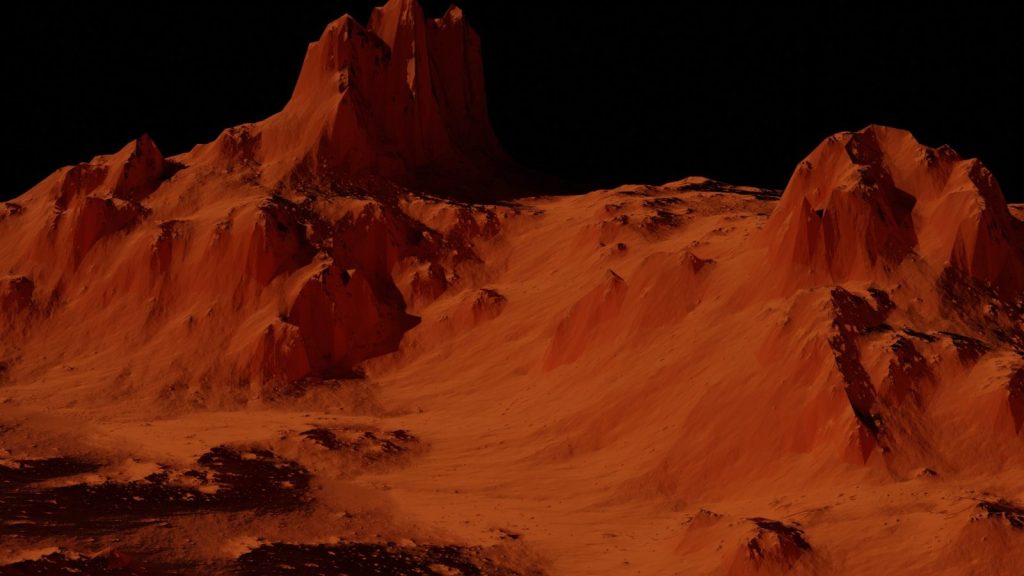
This unexpected Martian discovery proves that our closest neighboring planet still holds profound geological secrets. According to astrophysicists, mapping these underground shapes alters our understanding of how planetary environments evolve. Nature always surprises us. This article is for informational purposes only.
Leave a Reply