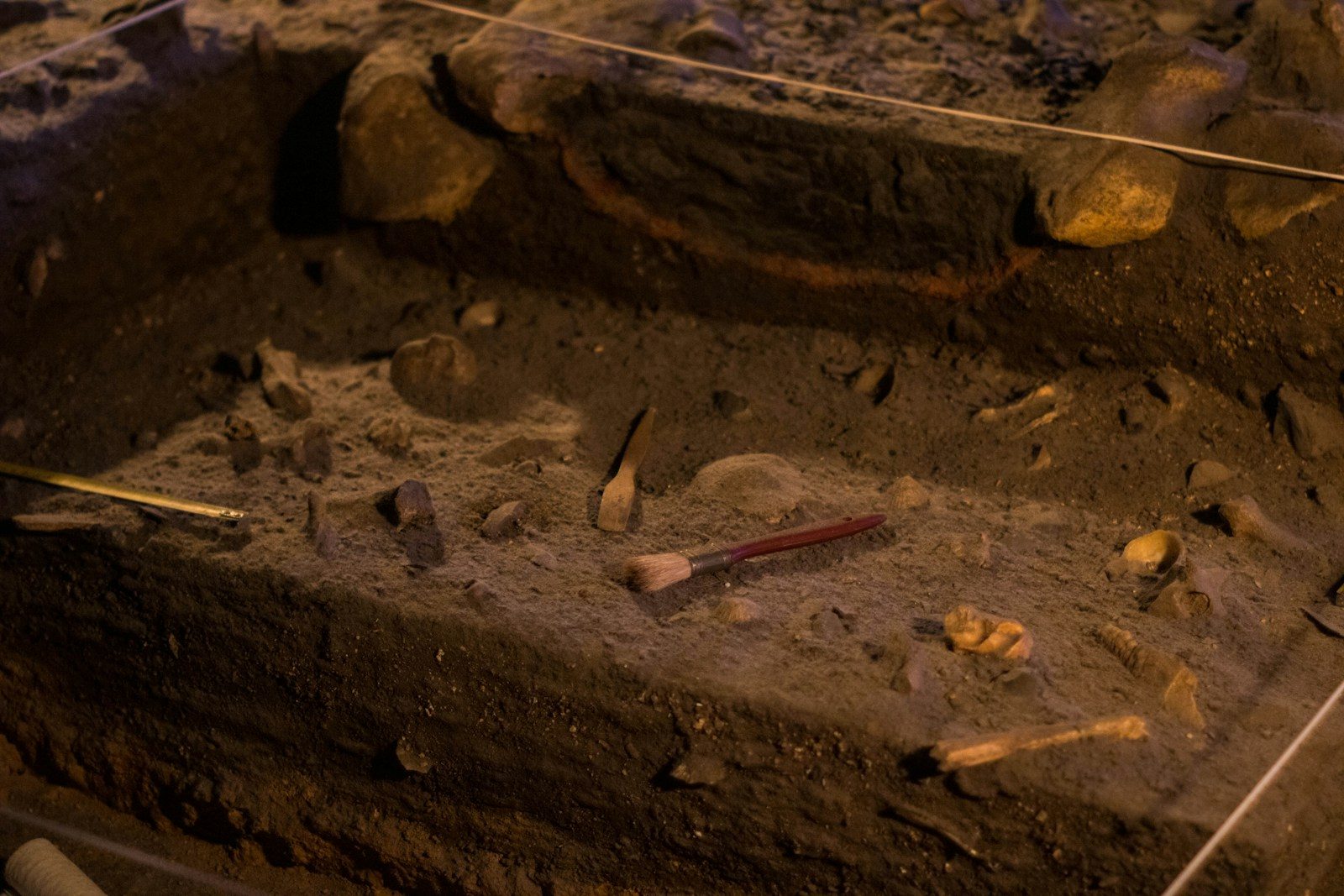
Most history lovers assume that ancient cultures only possessed basic metalworking skills like simple copper smelting. We believe that advanced metal alloys were entirely unknown until the rise of modern industrial factories.
But a stunning archaeological find has completely shattered this clean historical timeline. A massive cache of ancient treasure has revealed complex manufacturing techniques that seem impossible for its age.
A Lucky Discovery
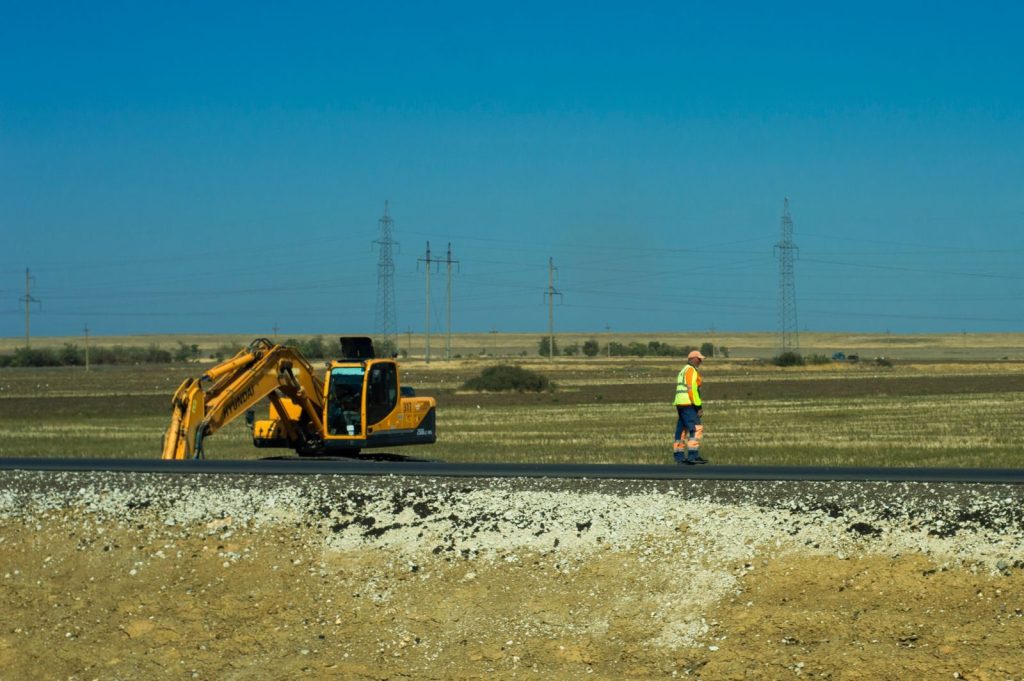
An amateur explorer searching a remote European field recovered a heavy collection of ancient metallic objects. According to archaeological reports, the treasure weighed over twenty pounds and was buried inside a clay vessel. It was bright. The finder immediately realized that the unique designs did not match any local historical styles. But the physical age of the metal would soon shock the scientific community.
Reaching Back Millennia
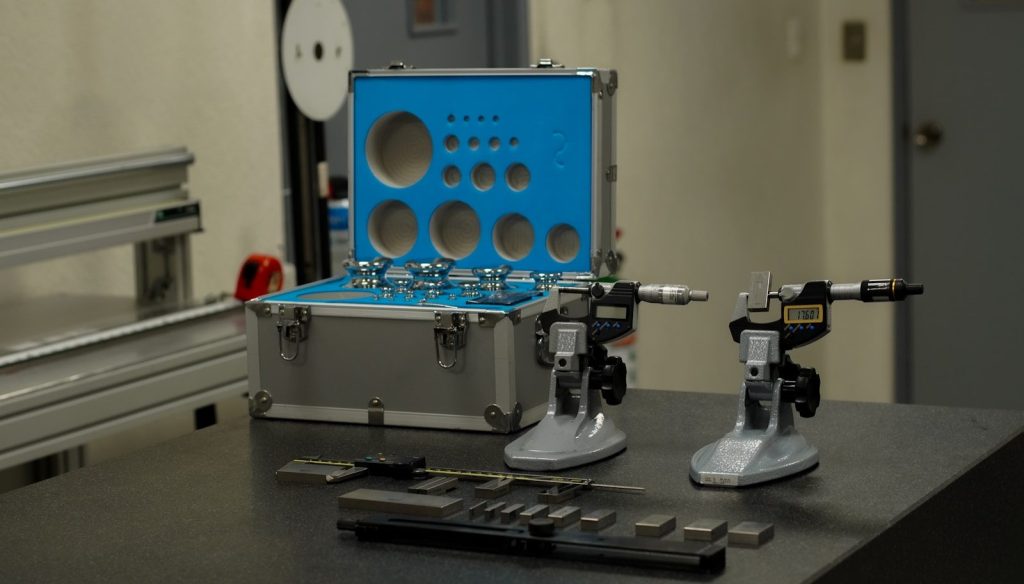
Advanced laboratory testing confirmed that the metallic hoard was crafted thousands of years ago. According to radiocarbon dating tests, the objects were buried during the early Bronze Age. The dates shocked me. This extreme age means the creators were using highly sophisticated metallurgy techniques long before traditional civilizations arose. But analyzing the molecular structure of the metal would reveal an even greater puzzle.
The Impossible Alloy
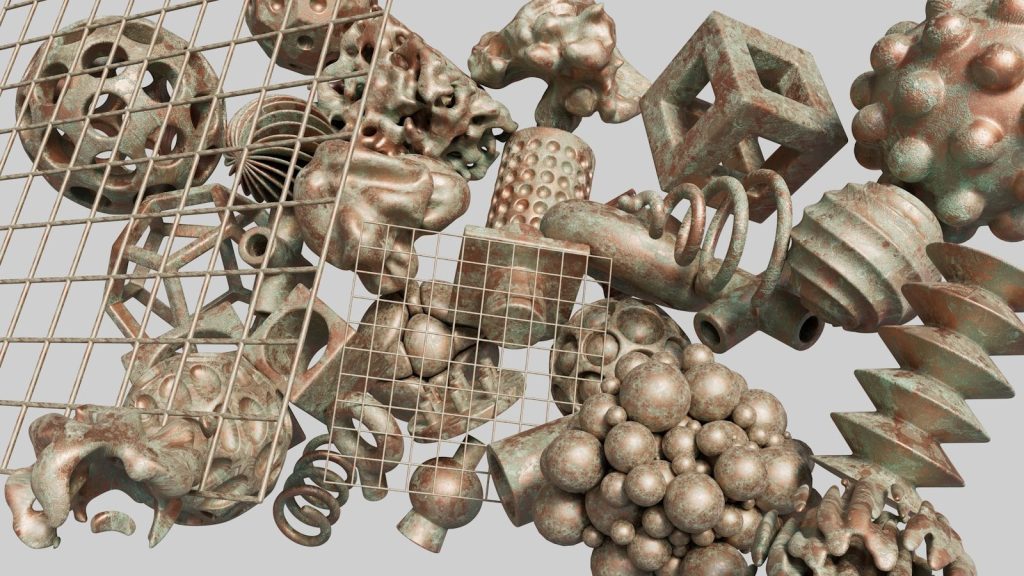
Chemical analysis of the artifacts revealed a highly precise blend of rare metallic elements. According to material science researchers, the alloy contained specific structural components that require extreme heat to fuse properly. It was flawless. No known ancient furnace possessed the capability to reach the temperatures required to melt these metals. But scientists still had to determine where the raw materials originated.
Sourcing From Space
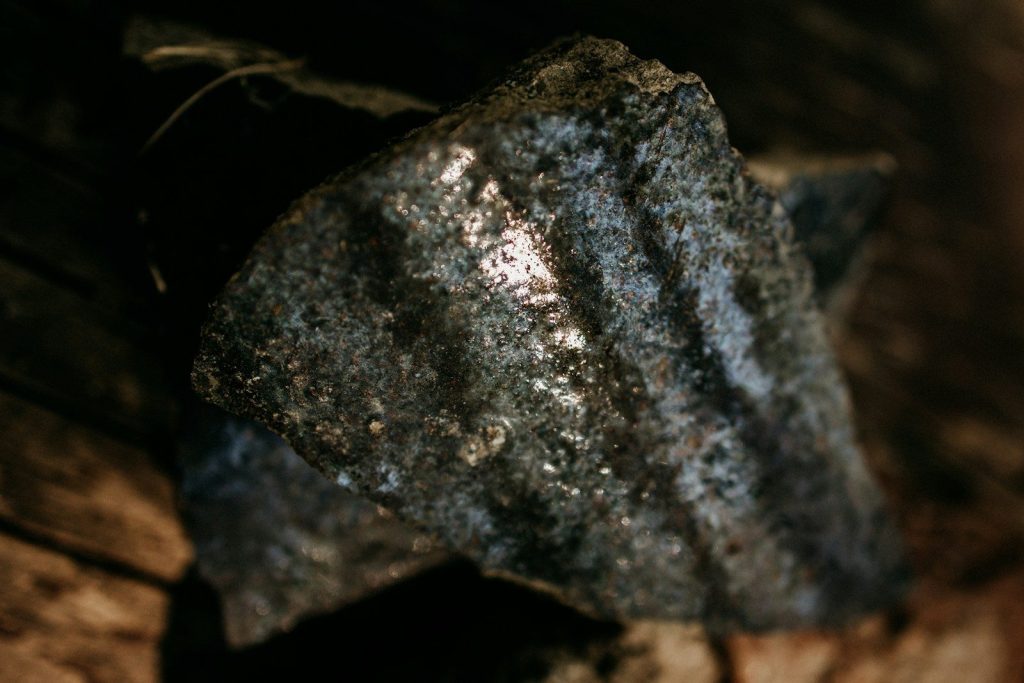
Spectral scanning of the metal showed high concentrations of nickel and cobalt. According to planetary geologists, this specific chemical signature is highly characteristic of iron meteorite fragments. The metal fell. Prehistoric craftsmen were actively harvesting fallen space rocks to forge their most precious symbolic weapons. But the sheer precision of the final shapes suggested they used highly advanced tools.
The Intricate Carvings

High-powered microscopes showed that the metallic surface was covered in microscopic geometric engravings. According to conservation studies, the lines are so perfectly aligned that they appear mechanically carved. They were precise. Standard hand tools should have left behind erratic slip marks and uneven groove depths on hard metal. But this clean surface suggests the use of a highly sophisticated manufacturing method.
Rewriting Ancient History

Finding such an advanced artifact forces us to completely reconsider the capabilities of prehistoric societies. According to historical scholars, early humans were far more technologically capable than modern textbooks suggest. They were pioneers. This realization is pushing research teams to search for other lost industrial sites across the region. But some skeptics remain entirely unconvinced by the early dates.
Deciphering Our Past
This impossible ancient treasure proves that human history is filled with sudden leaps in technology. According to archaeologists, mapping these ancient metals helps us understand the true limits of early human engineering. The story is evolving. This article is for informational purposes only.
Featured Image: Photo by Grianghraf on Unsplash
Leave a Reply