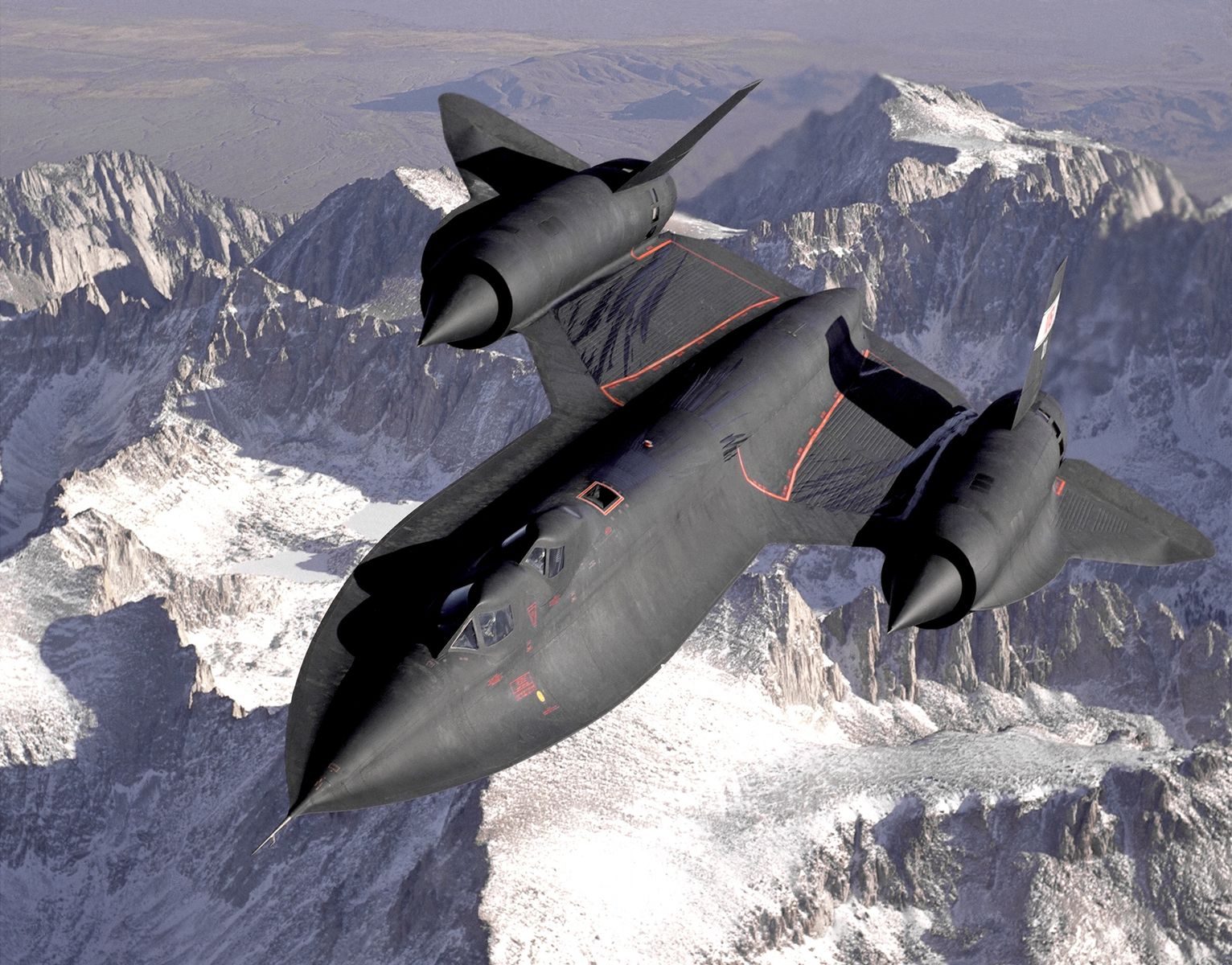
Most travelers assume that traveling across the American continent always requires a long six-hour flight. We believe that commercial jet speeds represent the absolute limit of transcontinental travel.
But legendary military aircraft have shattered this geographic journey in a fraction of that time. These supersonic speed runs pushed the physical limits of both machine and atmosphere.
The Record Shattered
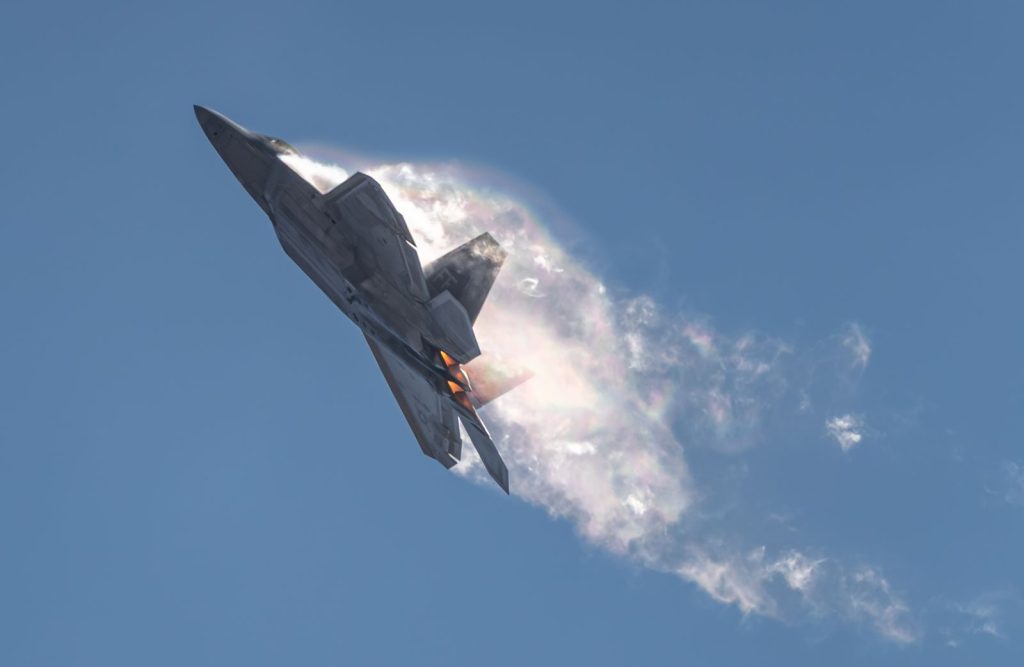
A legendary spy plane once crossed the entire United States in just over one hour. According to official flight records from the Smithsonian Institution, the SR-71 Blackbird averaged over two thousand miles per hour during its historic journey. It was blindingly fast. This incredible speed run remains unbeaten by any piloted aircraft in aviation history. But achieving this extreme speed required surviving a massive thermal barrier.
Burning Atmospheric Friction
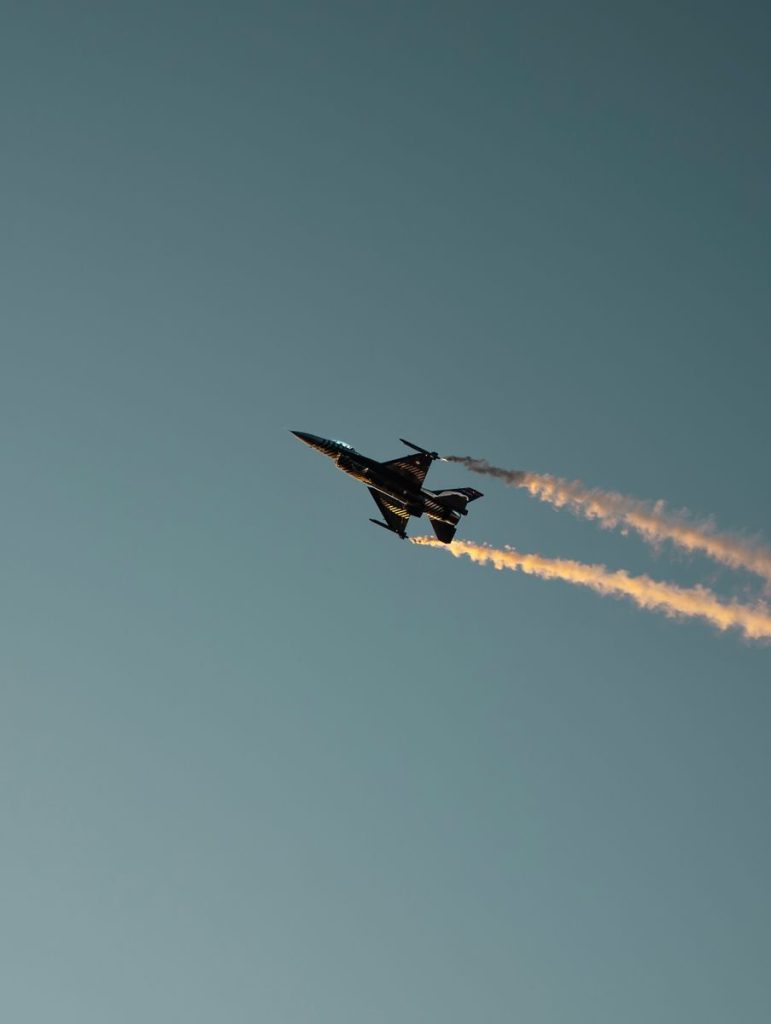
Flying at three times the speed of sound forces air molecules to compress violently against the jet frame. According to thermodynamic studies, this intense friction generates temperatures exceeding six hundred degrees on the metallic surface. The metal actually glows. This extreme heat would melt standard aluminum aircraft in a matter of minutes. But engineers solved this issue by using a highly unusual material.
The Titanium Shield
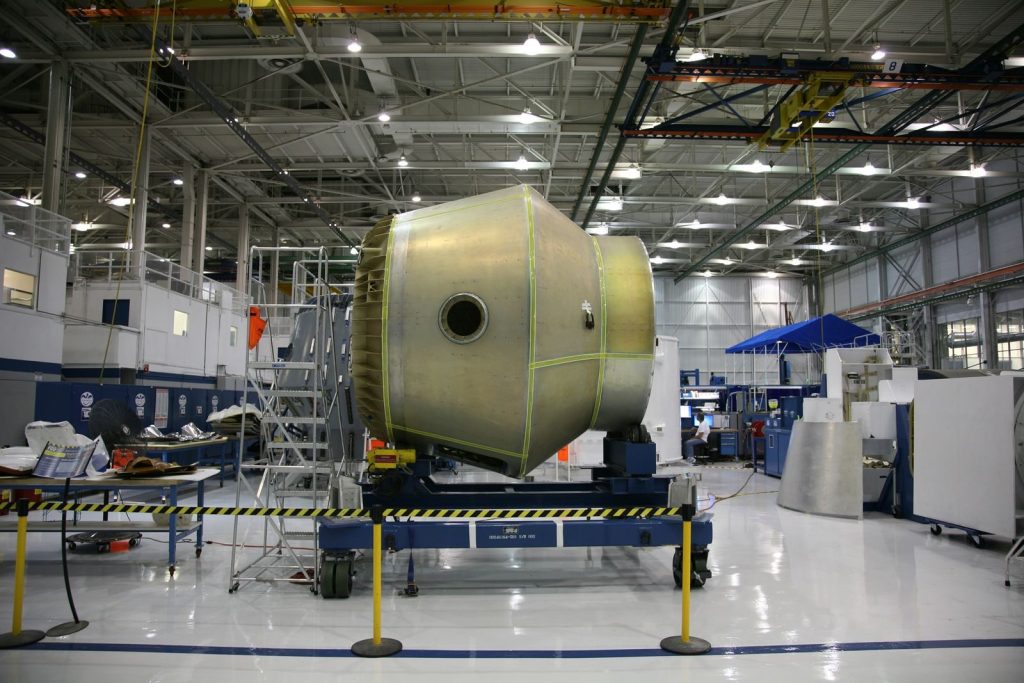
Designers had to build the entire high-speed aircraft out of a highly durable titanium alloy. According to manufacturing archives, this rare metal actually grows stronger when exposed to the intense heat of supersonic flight. It is incredibly tough. But sourcing enough titanium during the Cold War required using secret shell companies to buy the metal. But managing this expanding metal in flight introduced a highly strange problem.
Leaking Fuel Tanks
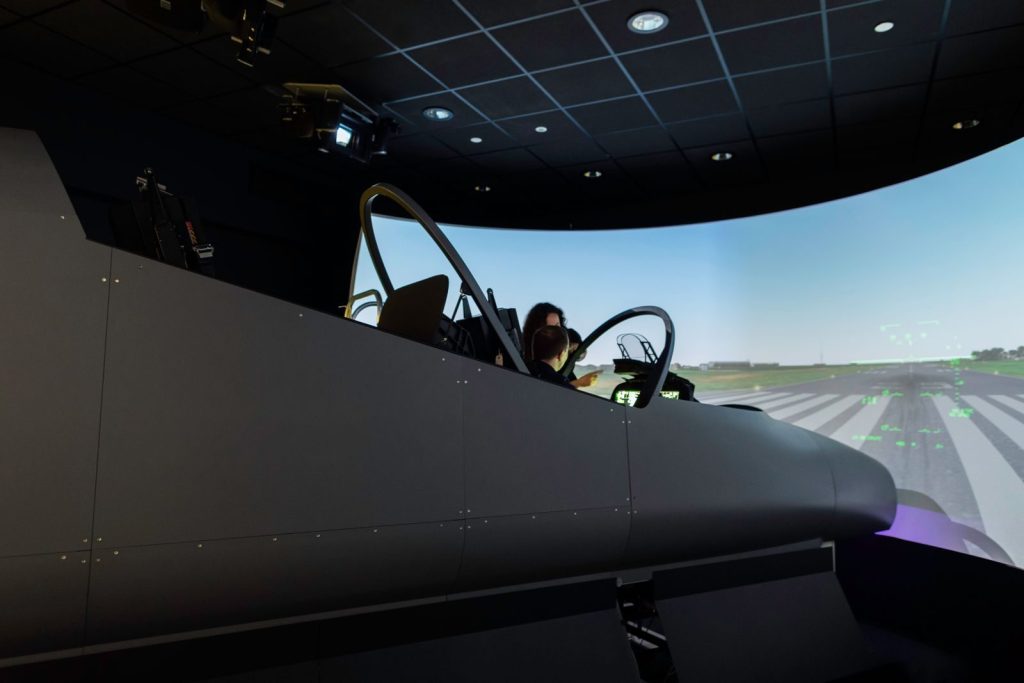
The titanium plates of the spy jet were designed to fit loosely on the ground to allow for heat expansion. According to mechanic reports, the fuel tanks actually leaked raw fuel onto the runway before takeoff. The gaps were visible. Once the jet reached high speeds, the thermal expansion sealed the metal joints perfectly shut. But keeping these hungry engines fed required a highly complex refueling process.
Aerial Refueling Ballet
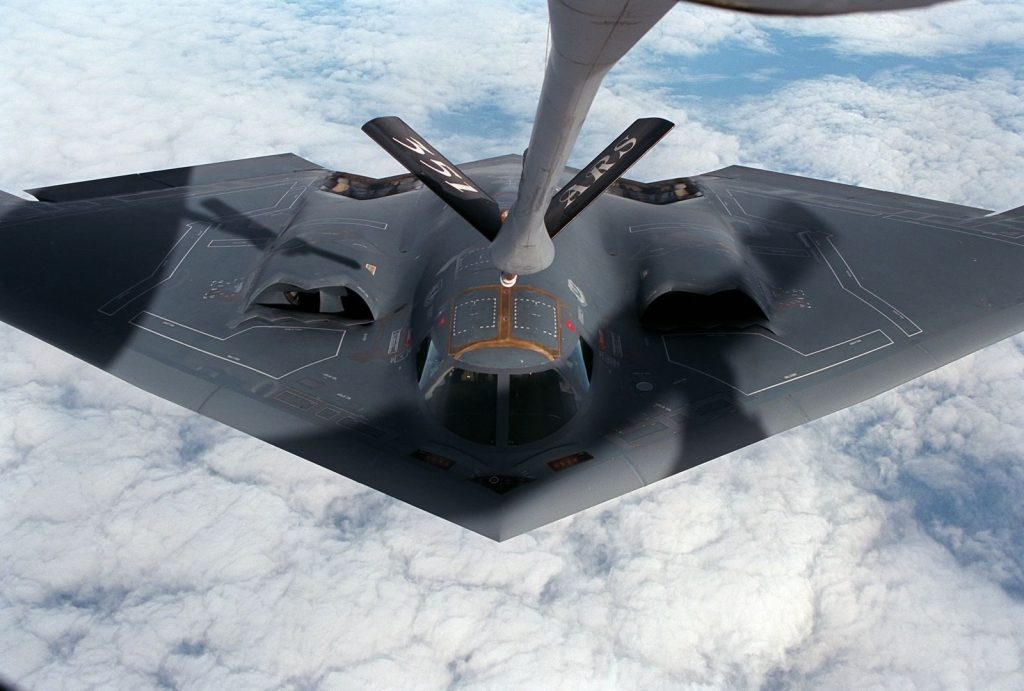
Supersonic speed runs drain massive fuel reserves in a highly rapid manner. According to military operation files, the record-breaking jets had to refuel in midair from specialized tanker planes right before accelerating to maximum speed. Precision was absolutely vital. A single mistake during this high-speed connection could result in a catastrophic midair collision. But the physical impact of the sonic boom created another massive problem.
The Shockwave Trail
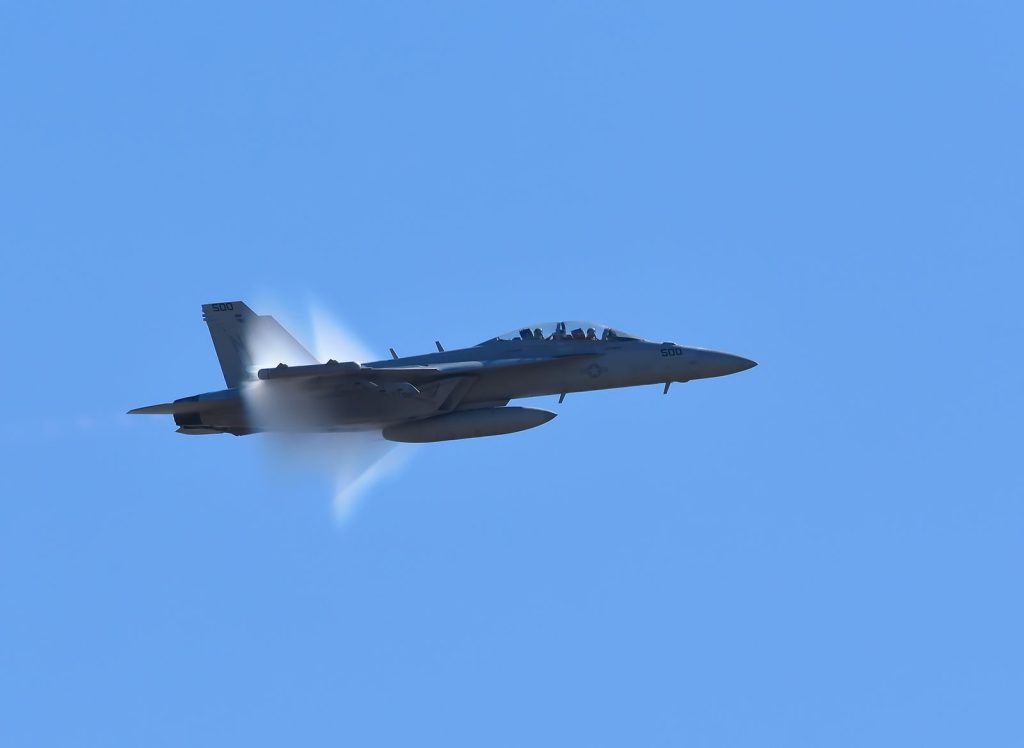
Breaking the sound barrier releases a massive shockwave of compressed air that travels to the ground. According to environmental surveys, these intense sonic booms can shatter glass windows and terrify local wildlife below. The noise was deafening. This severe environmental impact eventually led to a strict government ban on supersonic flights over dry land. But scientists are now working on a clever solution to this noise.
Silencing The Boom
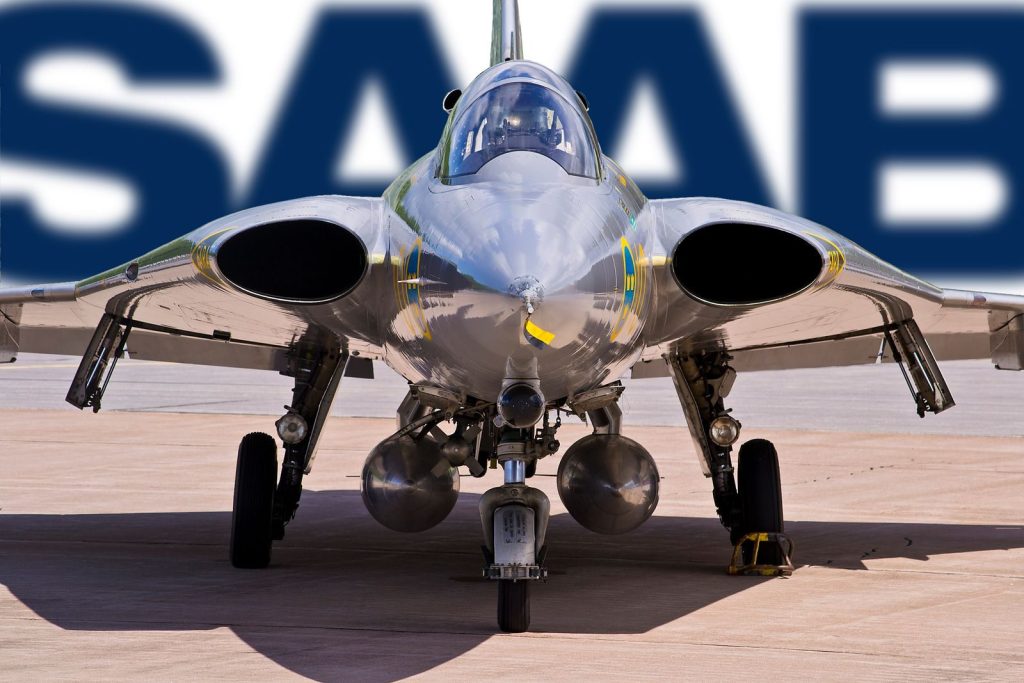
Aerospace engineers are designing specialized nose cones to disperse the compressed air shockwaves quietly. According to NASA research, new aerodynamic shapes can reduce the loud sonic boom to a quiet thump. The future is silent. This breakthrough could soon allow passenger jets to fly supersonic across land once again. But the ultimate limits of high-speed travel will soon belong to pilotless craft.
Hypersonic Travel Frontiers
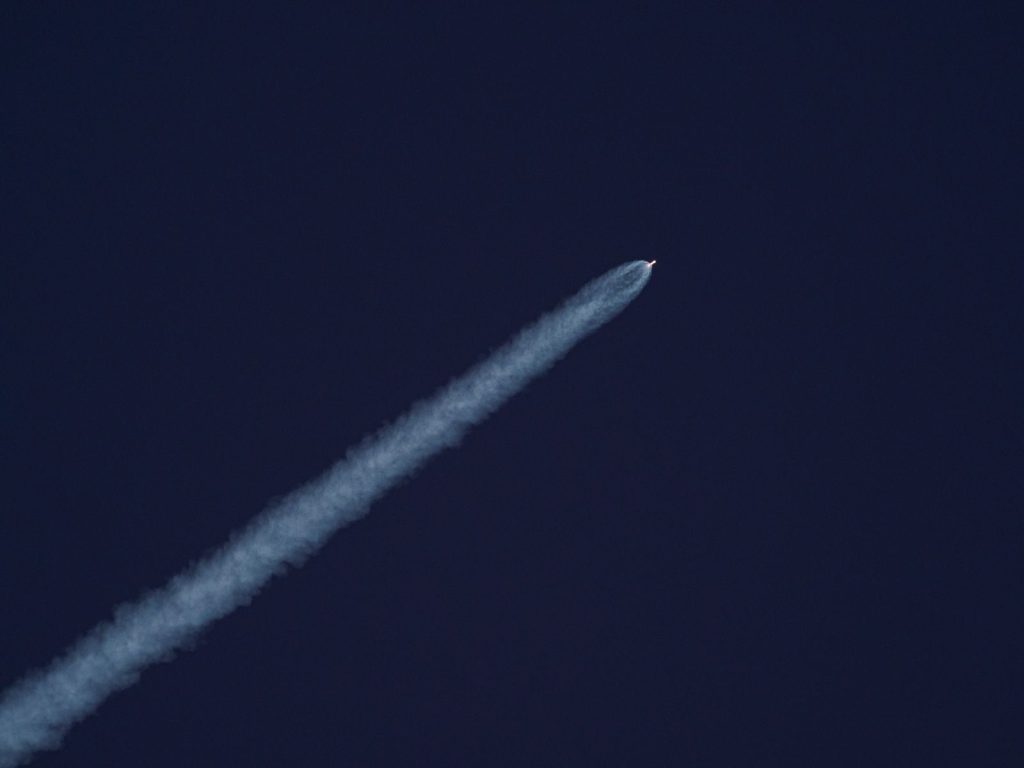
Modern researchers are already testing unmanned scramjet vehicles that can fly five times the speed of sound. According to defense science agencies, these hypersonic machines will soon cross continents in a matter of minutes. Speed has no limits. This article is for informational purposes only.
Leave a Reply