Most history lovers assume that humans are the first intelligent species on Earth. We believe that our industrial age represents the absolute peak of terrestrial evolution.
But a compelling geological hypothesis suggests we might have been preceded. Strange planetary anomalies suggest that an advanced industrial civilization could have existed millions of years ago.
The Silurian Hypothesis

A strange thought experiment challenges our understanding of deep geological time. According to research from the NASA Goddard Institute, an industrial society from millions of years ago would be nearly impossible to spot today. Nature is highly destructive. Physical ruins simply crumble into dust. Yet certain chemical signatures could endure this massive passage.
Tracking Ancient Carbon

An industrial society would leave unique chemical footprints in the soil. According to planetary geologists, heavy fossil fuel consumption alters carbon isotope ratios in global sediment layers. These markers are permanent. Similar rapid carbon spikes have already been found in the deep rock record. But identifying the true cause of these ancient warming events remains a massive scientific challenge.
The Deep Time Recycle
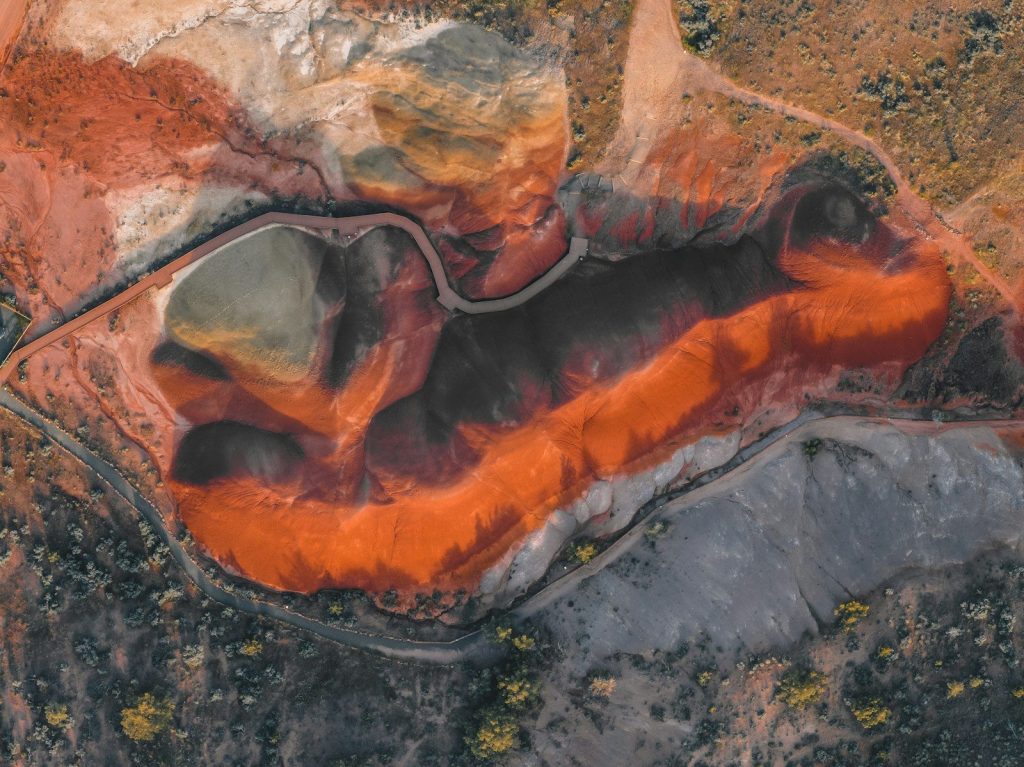
The natural rock cycle actively destroys physical evidence of ancient civilizations over millions of years. According to geological surveys, tectonic plates constantly pull the surface of the Earth back into the molten mantle. The crust melts. This continuous recycling process erases entire continents and any structures built upon them. But some rare planetary elements might bypass this geological destruction.
Plastic In The Fossil Record

Synthetic compounds like plastics might serve as the ultimate calling card of an advanced society. According to materials science researchers, artificial polymers do not easily break down under normal environmental conditions. They last forever. These synthetic molecules could eventually settle into sediment layers to form unique marker horizons. But scientists are looking for even more complex physical evidence.
Rare Metal Spikes

Advanced technology relies on rare earth elements that do not occur naturally in concentrated amounts. According to chemical analyses, mining and refining these metals leave a highly unusual spike in global soil records. The metals linger. These specific chemical anomalies would survive long after concrete buildings decayed. But geological history holds another mysterious warming event that matches these patterns.
The Ancient Thermal Spike

A dramatic warming event that occurred fifty-six million years ago continues to puzzle modern climate experts. According to paleoclimatology reports, temperatures spiked rapidly during this period. The planet baked. This mysterious event released massive amounts of carbon that match the footprint of an industrial society. But proving an intelligent source for this ancient spike remains a massive scientific challenge.
Rethinking Our Legacy

The idea of a pre-human society reminds us how quickly our own civilization could vanish from the Earth. According to historians, understanding the limits of deep geological time helps us appreciate our fragile place in the universe. We are just visitors. This article is for informational purposes only.
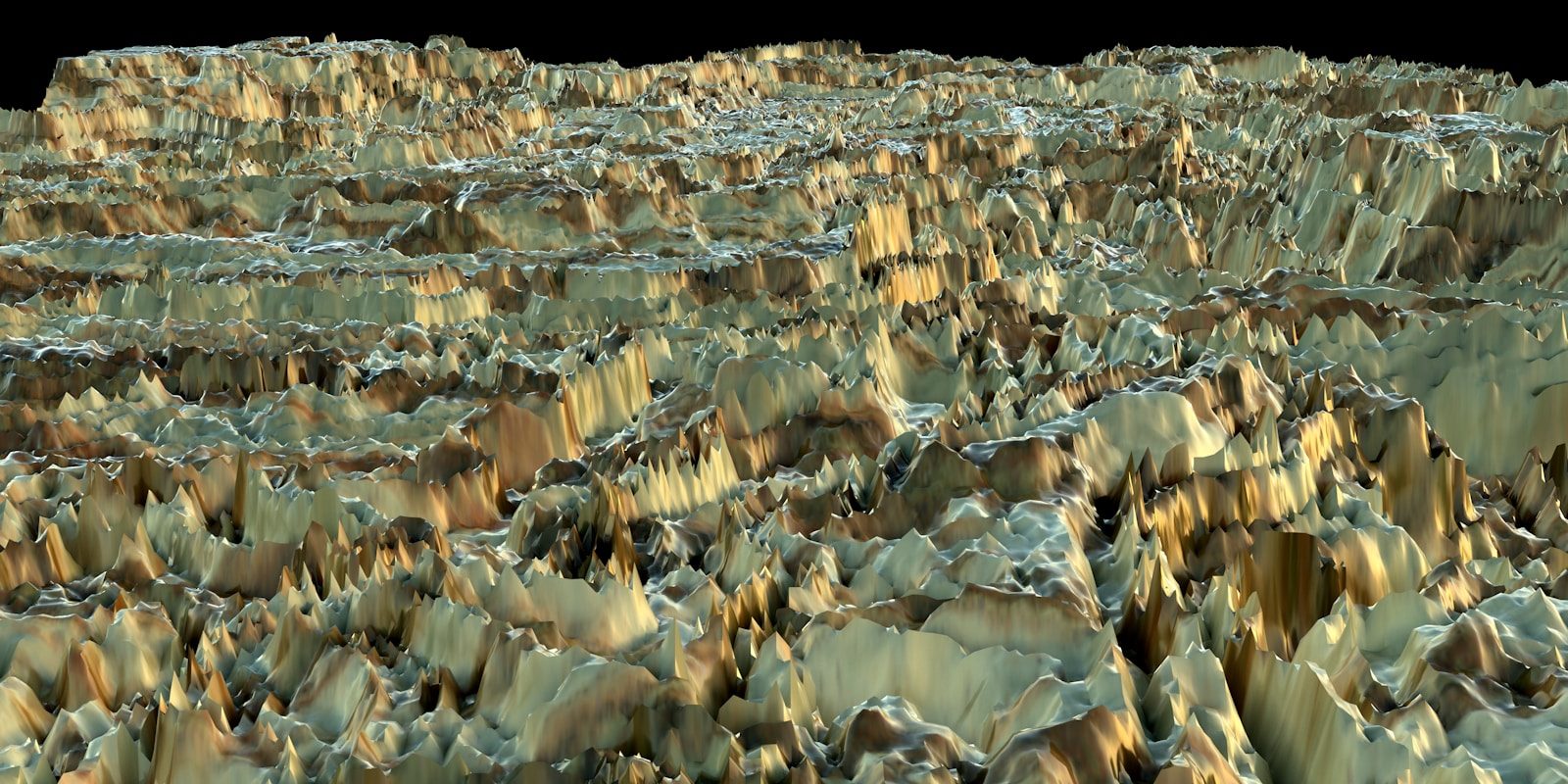
Featured Image: Photo by Buddha Elemental 3D on Unsplash
Leave a Reply