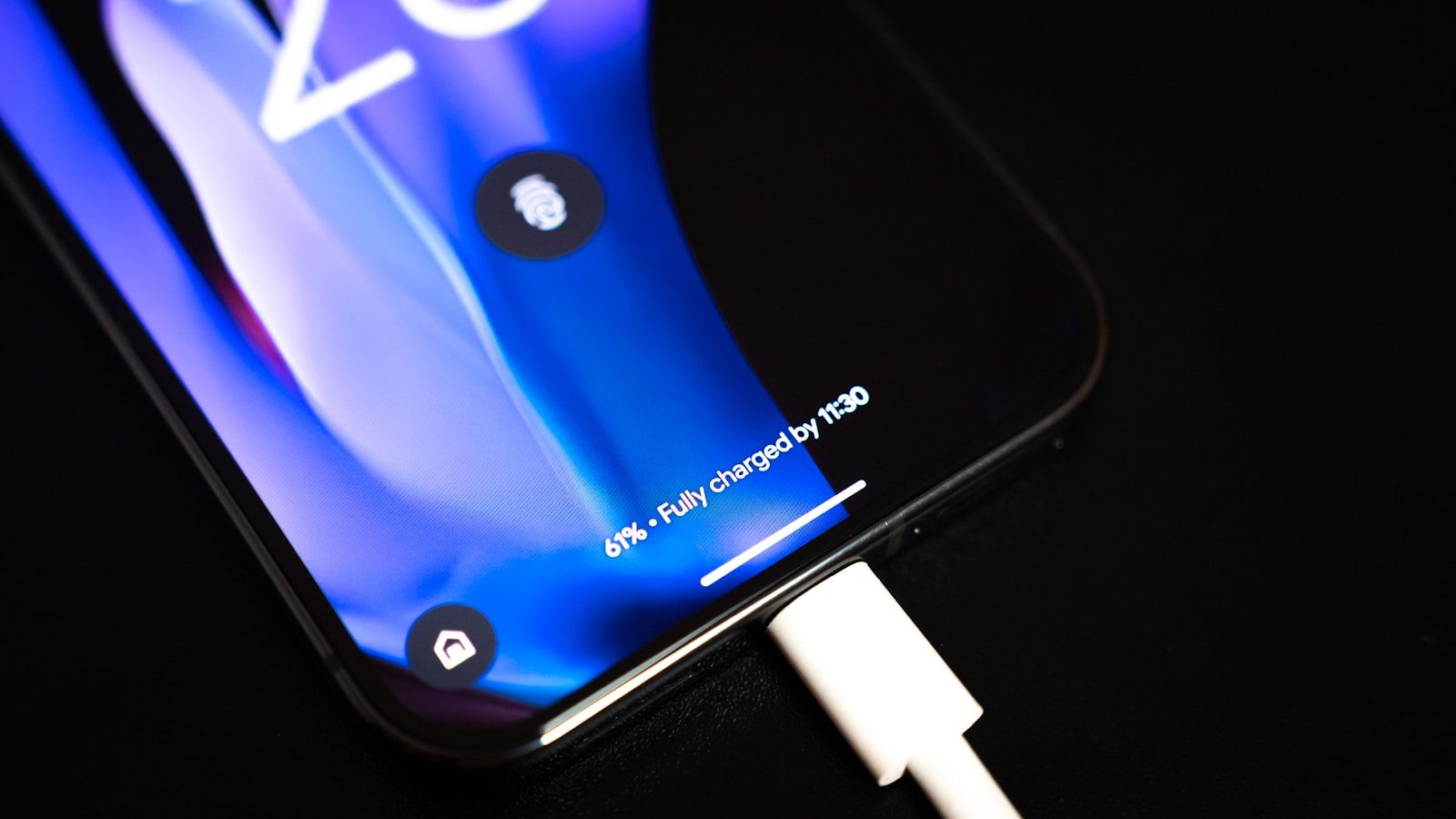
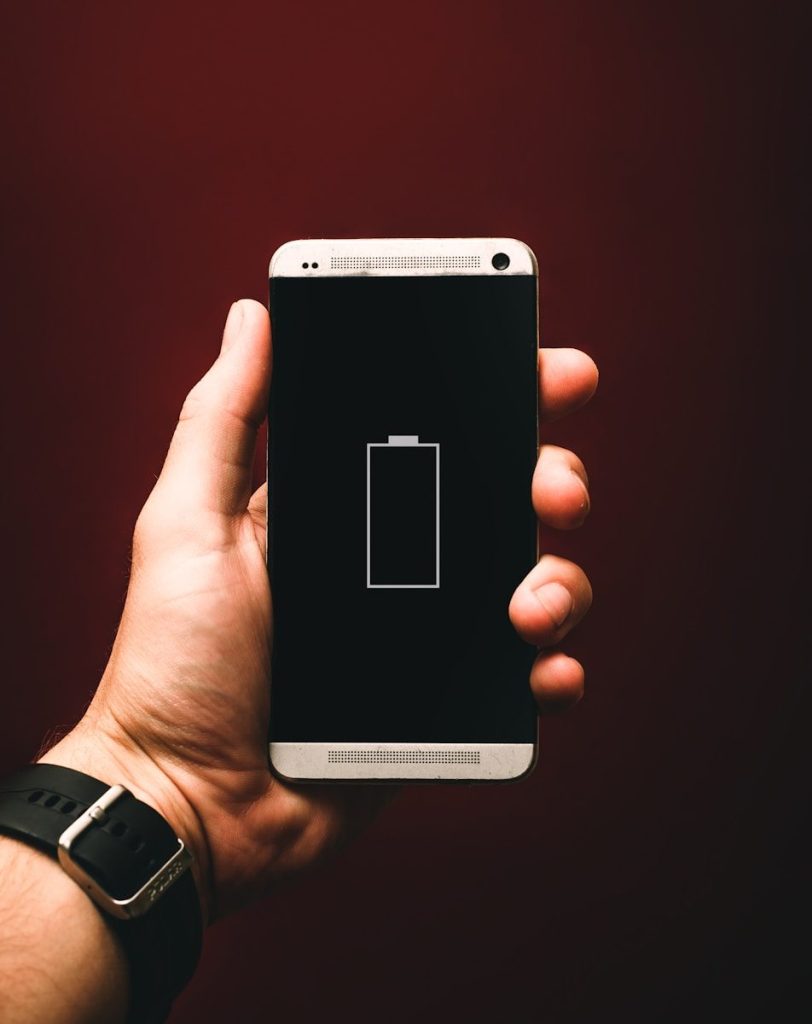
Most smartphone users believe that charging a phone to maximum capacity is the best habit. We assume that keeping our device at one hundred percent ensures optimal daily performance.
But keeping your battery fully charged actually causes severe long-term degradation. Chemical engineers have discovered that this common practice places immense physical stress on the device.
Understanding Lithium Chemistry

Modern portable electronics run on dense lithium-ion cells that behave like chemical sponges. According to researchers at Argonne National Laboratory, forcing these cells to maintain maximum voltage causes the internal chemistry to break down rapidly. Safety is a major concern. This internal structural decay reduces the total energy capacity of your device. But a secondary threat is quietly accelerating this destruction.
The Overnight Heat Trap
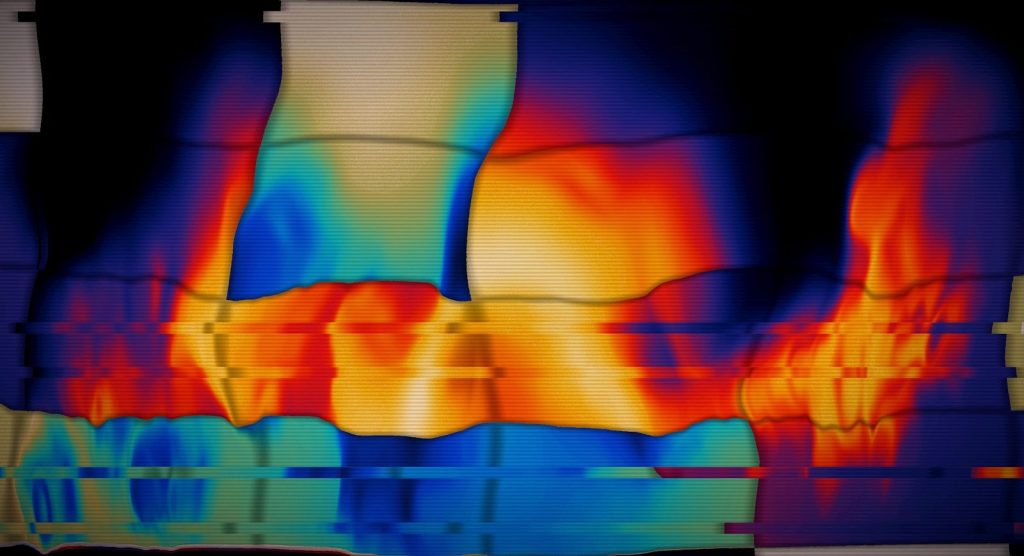
Leaving a phone plugged into the wall overnight forces a continuous cycle of trickle charging. According to electronic safety reports from battery manufacturers, this constant energy flow generates localized heat pockets that bake the hardware. Heat destroys electronics. This prolonged thermal exposure permanently warps the delicate plastic separators inside your battery core. But there is a specific target range that can halt this process.
Finding The Sweet Spot

Shifting your daily power routine can easily double the operating lifespan of your device. According to clean energy studies by battery laboratory technicians, maintaining a charge between thirty and eighty percent is ideal. It is remarkably simple. This balanced electrical state completely avoids the high voltage zones that trigger structural cracking. But getting humans to change their daily habits remains a massive struggle.
Smart Operating Systems
Device manufacturers are actively designing smart software solutions to protect batteries from their owners. According to software logs from Google, modern mobile systems now include smart settings that limit overnight charging automatically. This feature is brilliant. The software tracks your sleep schedule and delays the final charge until right before you wake up. But another major hardware trend is introducing new dangers.
Fast Charging Risks
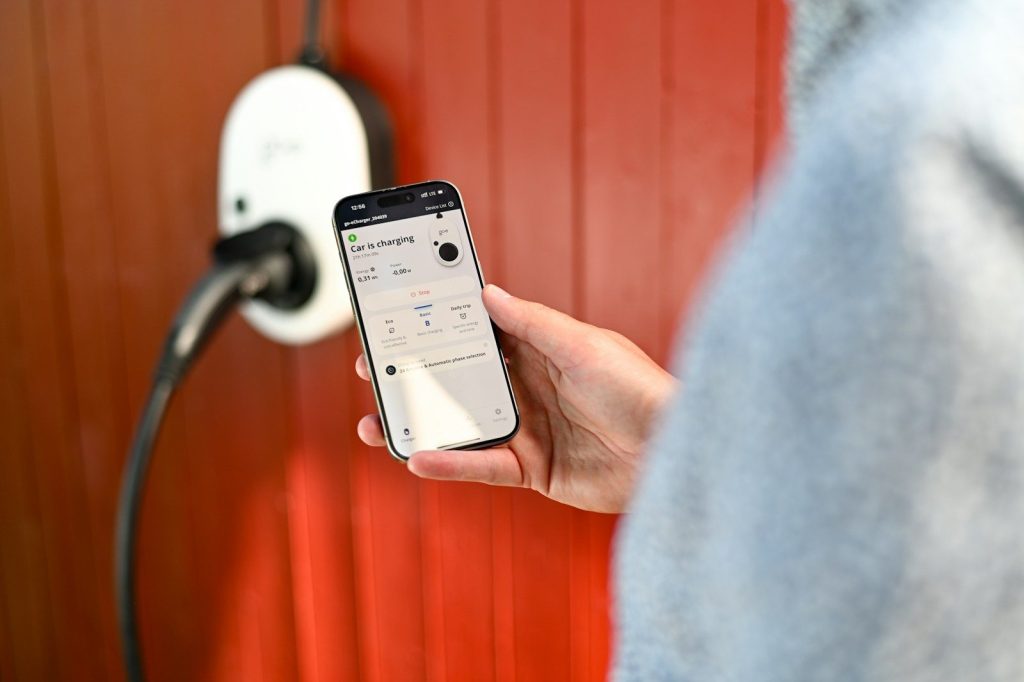
High-wattage fast chargers are incredibly popular, but they come with a severe physical trade-off. According to technical hardware trials by battery safety associations, pushing high currents into a cell creates intense friction. Speed has consequences. This rapid charging method should only be reserved for emergency situations when you need quick power. But extreme temperature changes can also come from your daily environment.
Freezing Environmental Limits

Cold winter weather poses a severe hidden threat to the internal chemistry of your phone. According to mobile support documentation from leading tech firms, exposing a battery to freezing temperatures halts normal ion movement. Protect your hardware. Leaving your device in a freezing car overnight can result in permanent capacity loss in a matter of hours. But a few simple charging adjustments can keep your phone healthy for years.
Safe Charging Habits
Small adjustments to your daily routine are the easiest way to avoid expensive replacement costs. According to consumer hardware technicians, avoiding extreme temperatures and keeping your phone cool are highly effective preventative steps. Maintenance is crucial. This article is for informational purposes only.
Leave a Reply