
Most history buffs believe that complex mechanical computers are a product of the industrial age. We assume that ancient civilizations only possessed simple gears and basic water clocks.
But a bizarre bronze relic recovered from a deep shipwreck has shattered this narrative. Scientists have spent decades decoding a complex two-thousand-year-old machine that behaves like an analog computer.
Tragedy In The Deep

Divers exploring a Roman shipwreck near a Greek island made a stunning discovery. According to historical records, the vessel sank around seventy years before the Common Era. The cargo was priceless. Amidst ancient statues and pottery, researchers found a corroded green lump of bronze. But they had no idea that this single lump of metal would rewrite engineering history.
The Hidden Gears

As the metal dried, it split open to reveal a highly intricate system of interlocking gear wheels. According to early archaeological reports, the complexity of the mechanism matched technology from the eighteenth century. They were stunned. Finding such advanced engineering in an ancient relic seemed completely impossible. But decades would pass before science could peer inside the device.
X-Raying The Past

Modern researchers used high-tech 3D X-ray imaging to see through the thick layers of corrosion. According to a study from University College London, the scans revealed dozens of tiny brass gears hidden inside the main block. The precision was breathtaking. The mechanism was designed to track the movements of the sun and moon. But this cosmic calendar had an even deeper purpose.
Predicting The Future

The ancient machine could calculate astronomical eclipses with absolute accuracy years in advance. According to mechanical models, the user could turn a small hand crank to view planetary positions. It was a simulation. This device allowed ancient astronomers to plan for major cultural events and athletic games. But the identity of the brilliant designer remains a mystery.
The Lost Inventor
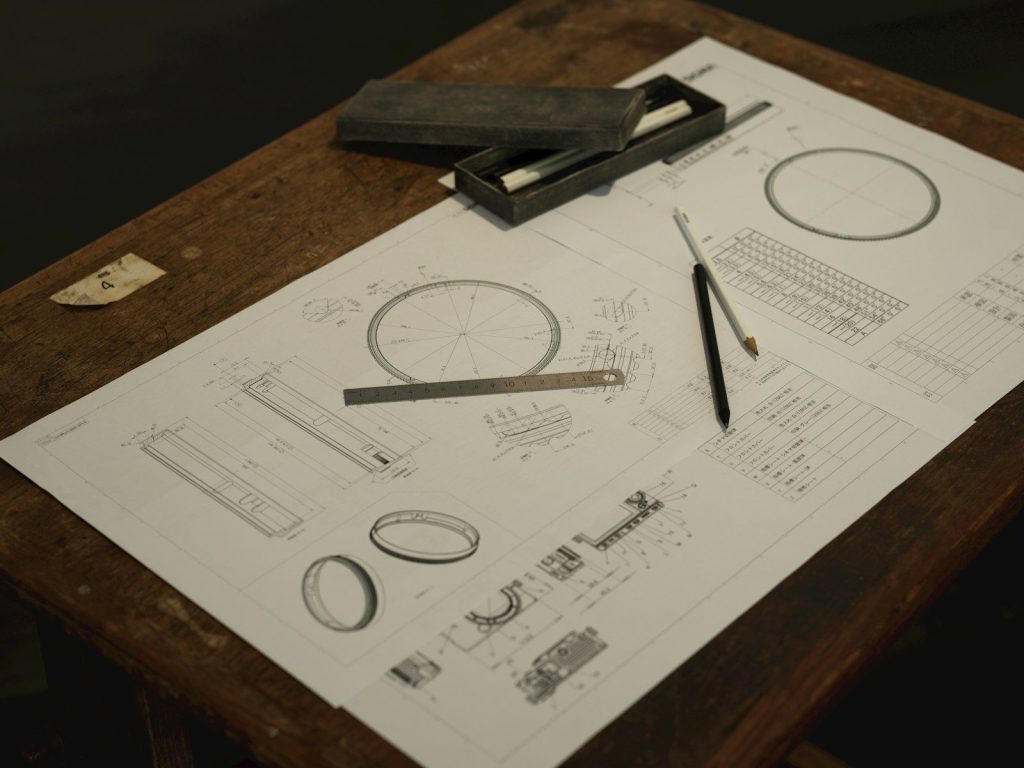
Creating such a precise device required an elite understanding of mathematics and engineering. According to historical scholars, the legendary mathematician Archimedes might have created the original designs for this technology. He was a genius. While the inventor is gone, the device proving his theories survived the deep ocean. But how did this advanced technology disappear from history?
A Sudden Blackout

After the ship sank, the knowledge required to build these machines vanished for over a thousand years. According to evolutionary history, the collapse of ancient societies caused a massive technological dark age. The craft was lost. No other mechanism of this complexity would appear until the Renaissance. But the secrets of this device are still being decoded today.
Rebuilding The Machine
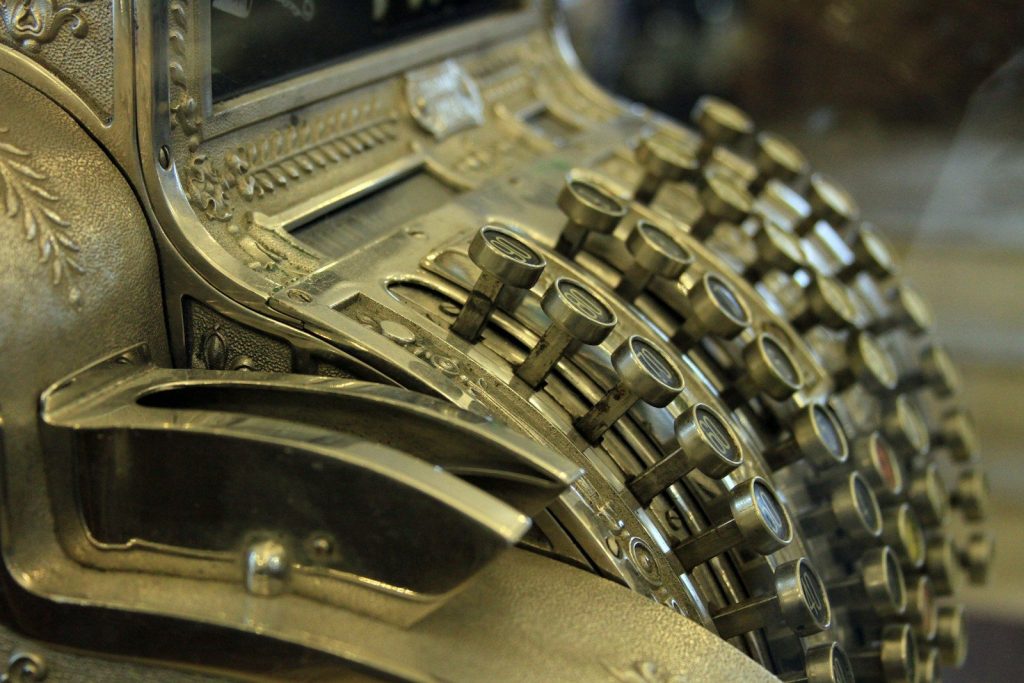
Engineers are now using the detailed scans to build fully functional replicas of the computer. According to workshop reports, the reconstructed models work perfectly using ancient bronze-casting techniques. It is beautiful. These modern replicas prove that the ancient designs were completely authentic and highly practical. But researchers believe more relics are still waiting in the ocean depths.
Engineering Our Roots
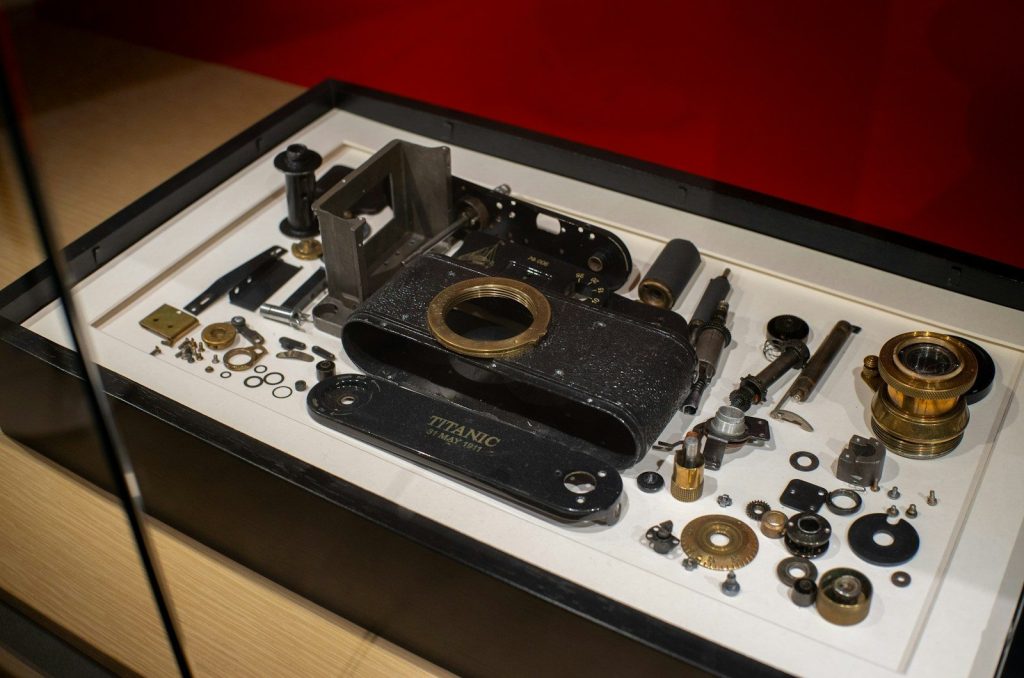
This ancient analog computer proves that human innovation is far older than our textbooks suggest. According to historians, the past was filled with brilliant minds who mastered complex mechanics. The sea still hides our history. This article is for informational purposes only.
Featured Image: Photo by Nicolas Foster on Pexels
Leave a Reply